




















Cookies help us deliver our services. By using our services, you agree to our use of cookies.
Search
[CHF] Swiss Franc
English
- Fishing license
- New Products
- Predator
- Trout
- Fly Fishing
- Carp
- Catfish
- Pole Fishing
- Sea Fishing
-
Clothing
- Fishing jackets
- Hoodies, fleeces & sweaters
- Fishing T-shirts, Polos, and Shirts
- Fishing Pants, Bibs, and Shorts
- Fishing vests and chest packs
- Waders and Hip Boots
- Boots, Shoes & Sandals
- Polarized sunglasses & Accessories
- Caps, Visors & Hats
- Beanies, Neck gaiters & Gloves
- Thermal underwear & Socks
- UV-blocking Clothing and Sun protection accessories
- Various
- Navigation
- Hunting
- Decor & Gifts
- Brands
Filter
Filter by price
Filter by manufacturer
Fly Fishing
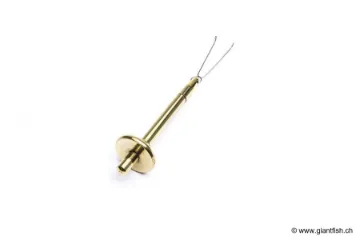

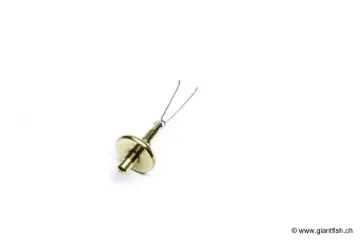
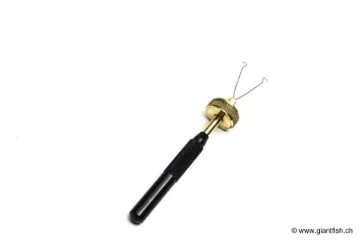
Devaux Rotating Twisters
Devaux Twister Dubbing, a fly-tying tool for efficient and precise dubbing
7.65 (CHF) incl tax
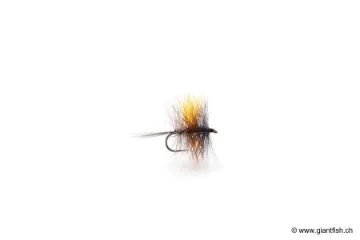
Devaux Palmer Fly TT 05
Devaux PALMERS flies: the essential artificial fly for fly fishing — realism, performance, and premium design.
3.10 (CHF) incl tax
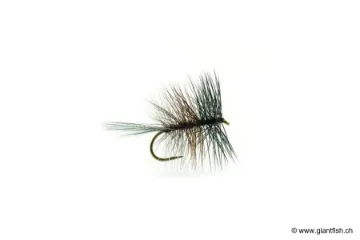
Devaux Palmer TT 04 Dry Fly
Devaux Palmer Dry Flies TT 4 – versatile, reliable dry flies for river and stillwater fly fishing, refined finish and natural drift.
3.10 (CHF) incl tax
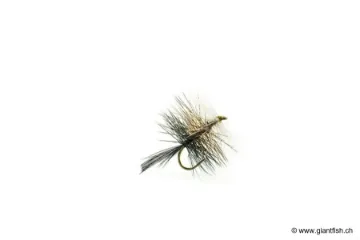
Devaux Palmer TT 03 Fly
Devaux Palmers TT 3 flies: versatile, reliable artificial flies for fly fishing in rivers and still waters, ideal for covering wide areas and enticing wary fish.
3.10 (CHF) incl tax
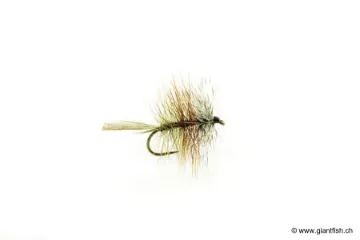
Devaux Palmer Fly TT 02
Devaux Palmer TT 2 dry fly — versatile dry fly with long-lasting buoyancy, optimal visibility and careful tying for rivers and stillwaters; ideal for educated fish.
3.10 (CHF) incl tax
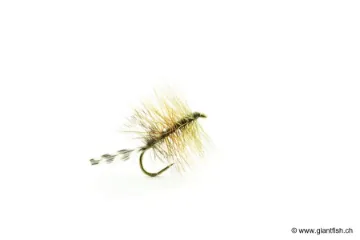
Devaux Palmer Fly TT 01
Devaux Palmers TT 1, a versatile artificial dry fly for fly fishing, durable buoyancy, realistic profile and neat tying for trout and wild fish in rivers and lakes
3.10 (CHF) incl tax
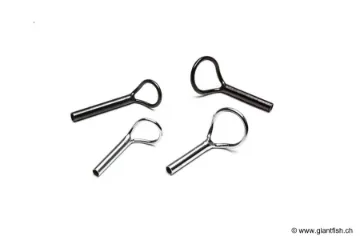
Devaux Tippet Rings
Devaux tippet rings, an essential fly-tying accessory—durability and performance guaranteed.
4.55 (CHF) incl tax
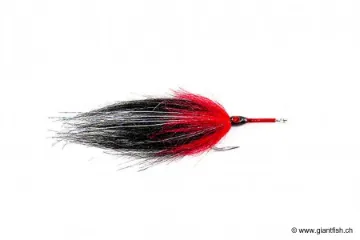
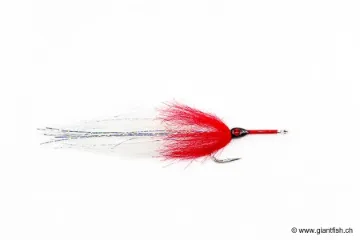
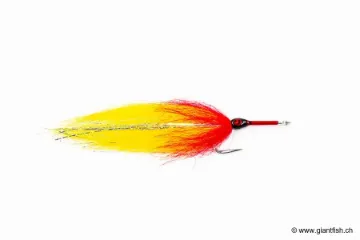
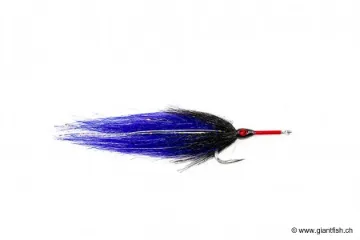
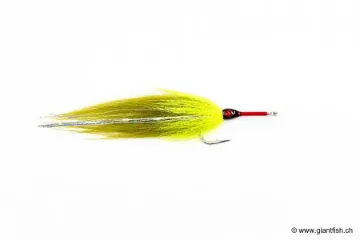
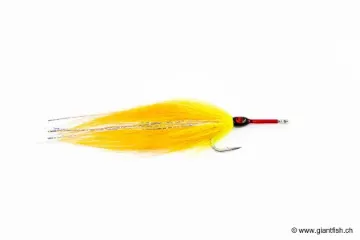
Devaux Sea Fly Special Tarpons & Large Predators
Devaux sea flies for tarpons and large predators - high-strength specialized fishing fly, ideal for sea and saltwater
8.40 (CHF) incl tax
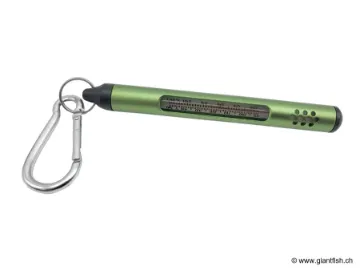
Devaux DVX Thermometer
Devaux Thermometer: precise water temperature measurement for fly fishing. A robust and reliable Devaux accessory, essential for optimizing your sessions.
18.10 (CHF) incl tax
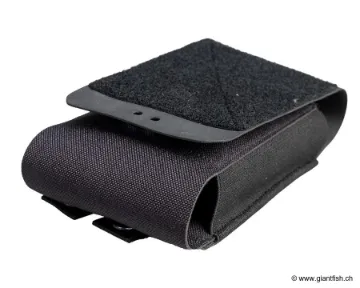
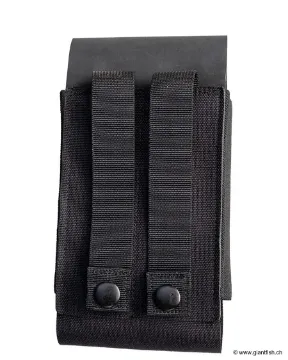
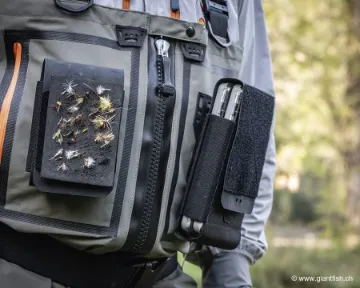
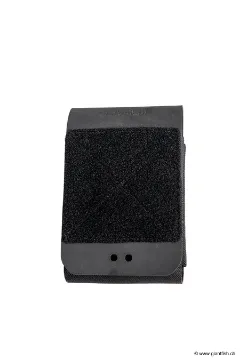
Devaux POCK'SYSTEM Additional Pocket
Devaux POCK'SYSTEM: an innovative adaptive pocket system — durable, practical and modular for technical fishing and outdoor garments.
20.85 (CHF) incl tax
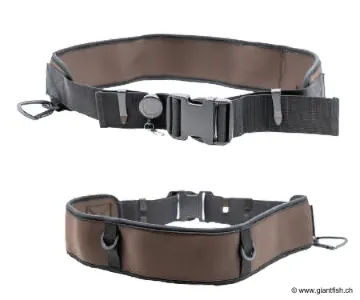
Devaux Acces Wading Belt
Devaux Acces Wading Belt – Durable and practical fishing wading belt
23.55 (CHF) incl tax
Devaux DXT T905BLHW Fly Hook - Black
Devaux DXT T905BLHW Fly Hooks - premium fly-tying accessory, durable and highly efficient.
6.30 (CHF) incl tax
Payment options


