






















Cookies help us deliver our services. By using our services, you agree to our use of cookies.
Filter
Filter by price
Filter by manufacturer
Pre-Rigged Lines
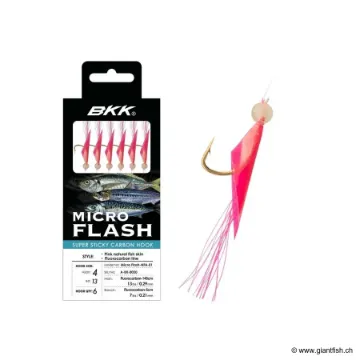
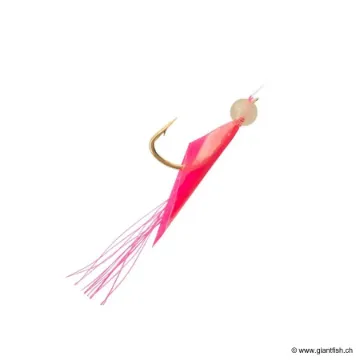
Gambe BKK Micro Flash NFA-02 (Pink Fish Skin + Green Resin - Fluoro)
Premium ready-to-fish rig for light game fishing, with Japanese fluorocarbon, BKK hooks, and a natural fish skin dress for an ultra-realistic imitation.
5.05 (CHF) incl tax
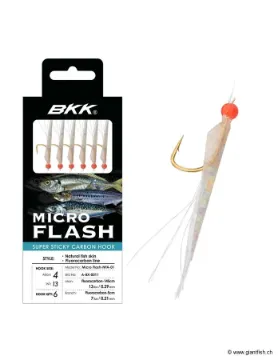
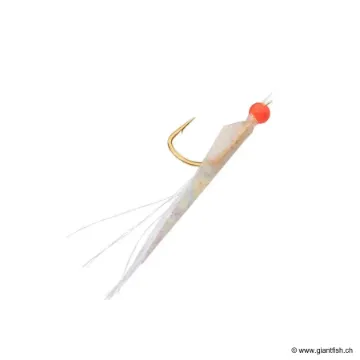
BKK Micro Flash NFA-02 Rig (Natural Fish Skin + Red Resin - Fluoro)
BKK Micro Flash ready-to-fish rig: a premium ready-to-use rig designed to imitate small baitfish with natural fish skin and Japanese fluorocarbon, ideal for light game fishing.
5.05 (CHF) incl tax
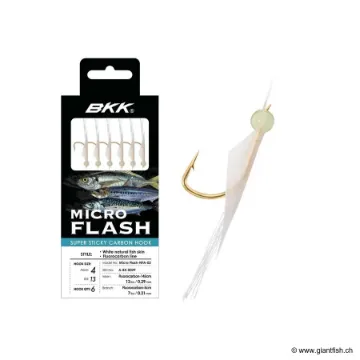
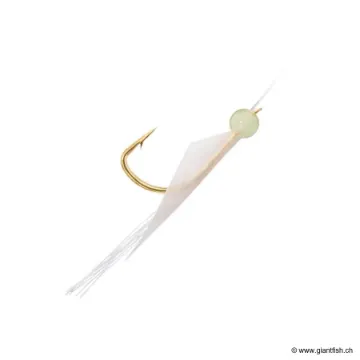
BKK Micro Flash Rig - NFA-02 (White Fish Skin + Green Resin - Fluoro)
Ready-to-fish rig for light game fishing: BKK hooks, Japanese fluorocarbon, and natural fish skin dressing for an ultra-realistic bait imitation.
5.05 (CHF) incl tax

DUO Feather Train Replacement Kit — Drag Metal Shore Jig Sabiki
Official DUO replacement kit for Drag Metal Shore Jig Sabiki Set lines. Pre-rigged sabiki droppers with high-quality feathers on reversed droppers finer than the main line, designed to reduce tangles and provide excellent freedom of movement for feather teasers during fishing action.
7.70 (CHF) incl tax
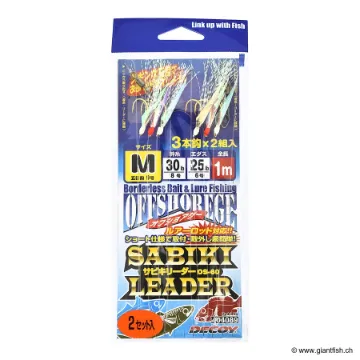
DECOY OS-60 Sabiki Leader Rig
DECOY OS-60 Sabiki fishing rig featuring premium fluorocarbon, quality hooks, and reflective flash fibers.
8.15 (CHF) incl tax
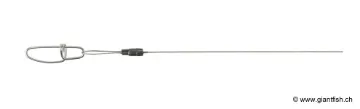
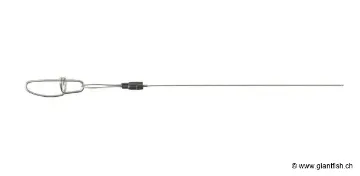
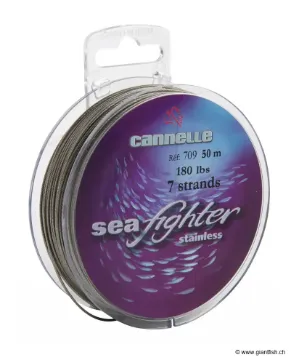
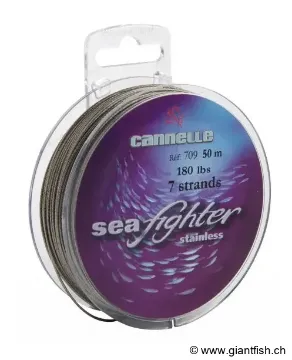
VMC Seafighter C709 7-Strand Wire 50 m
Câble inox VMC Seafighter C709 7 brins 50 m
18.50 (CHF) incl tax
Pre-tied saltwater rigs are ideal when you want to save time while still fishing with clean, efficient setups. Ready to use straight out of the package, they let you focus on reading the water, presenting the bait and covering ground, instead of spending time tying knots.
Why choose a pre-tied saltwater rig?
Using a pre-tied saltwater rig helps reduce rigging errors, limit tangles and gives you a leader that is instantly ready to fish. The hooklengths are already matched, the hooks are appropriate and the nylon strength is chosen for harsh saltwater conditions (salt, abrasion, powerful fish). It’s a practical solution for both beginners and experienced anglers who want to make the most of their time on the water.
Main types of saltwater rigs
- Surfcasting rigs: long hooklengths, beads and swivels to cast far from the beach and present natural baits (worms, shellfish, sardines).
- Boat and drift rigs: multi-hook leaders for bottom fishing, vertical fishing or drift fishing over rocky areas and wrecks.
- Bottom and trolling leaders: stronger rigs designed to target fish close to the bottom or slowly trolled behind the boat.
- Species-specific rigs: leaders designed for sea bass, bream, sparids or rockfish, with hook sizes and diameters tailored to each target.
How to choose the right strength and setup
The choice of a saltwater rig depends on several factors: the size of the fish you’re after, the nature of the bottom and the strength of the current. As a rule of thumb, you use a stronger main leader than the hooklengths to reduce break-offs if you snag the bottom. Light, discreet rigs work best in clear water and on wary fish, while heavier diameters are preferred around structure or in strong surf.
The number of hooks (1, 2 or 3) also affects the presentation: a single hook for a very stealthy approach, or multiple hooklengths to cover different depths or offer several baits at the same time.
Adapting your saltwater rigs to seasons and techniques
In spring and summer, active inshore species often respond better to finer rigs and a variety of baits. In fall and winter, conditions can get tougher: more robust nylon, stronger hooks and sinkers adapted to the swell are recommended. Whether you fish from shore (piers, rocks, beaches) or by boat, choose saltwater rigs with hooklength lengths and weights specifically suited to your technique.
Saltwater rigs FAQ
What hook size should I choose for a saltwater rig? The size mainly depends on the bait and the species targeted. Finer, more discreet hooks work well with small baits and wary fish, while stronger hooks are better for big fish and heavy rigs.
How long can I keep a pre-tied saltwater rig? As long as the nylon remains supple and clear, with no signs of abrasion, it can be used. It’s still best to regularly check the knots, loops and hooks, and replace the rig as soon as it shows signs of wear.