










Cookies help us deliver our services. By using our services, you agree to our use of cookies.
Search
[CHF] Swiss Franc
English
- Fishing license
- New Products
- Predator
- Trout
- Fly Fishing
- Carp
- Catfish
- Pole Fishing
- Sea Fishing
-
Clothing
- Fishing jackets
- Hoodies, fleeces & sweaters
- Fishing T-shirts, Polos, and Shirts
- Fishing Pants, Bibs, and Shorts
- Fishing vests and chest packs
- Waders and Hip Boots
- Boots, Shoes & Sandals
- Polarized sunglasses & Accessories
- Caps, Visors & Hats
- Beanies, Neck gaiters & Gloves
- Thermal underwear & Socks
- UV-blocking Clothing and Sun protection accessories
- Various
- Navigation
- Hunting
- Decor & Gifts
- Brands
Filter
Filter by price
Filter by manufacturer
Lines, Braids & Leaders
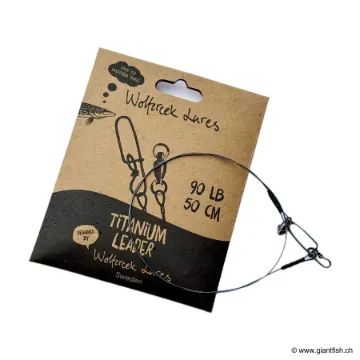

Wolfcreek Lures Titanium Leader
A hybrid leader designed for modern fishing: the stealth of fluorocarbon combined with the strength of titanium, for greater confidence against abrasion, teeth, and powerful strikes.
10.25 (CHF) incl tax
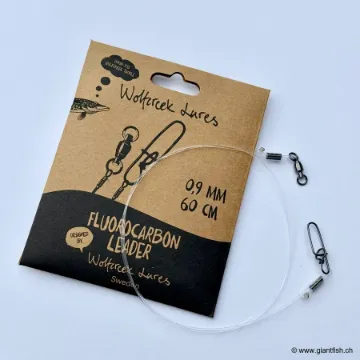
Wolfcreek Lures Fluorocarbon & Titanium Leader
Wolfcreek Lures leader combining fluorocarbon and titanium for a discreet presentation and excellent resistance to teeth, abrasion, and twisting. Ideal for lure fishing when reliability matters most.
8.40 (CHF) incl tax
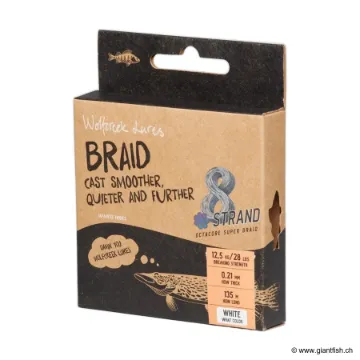
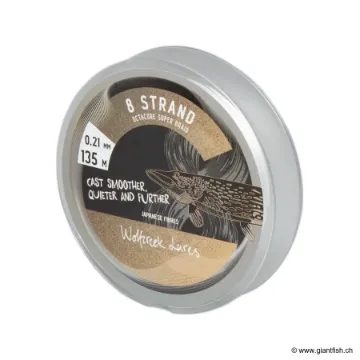
Wolfcreek Lures OctaCore Super Braid X8 - White
8-strand PE braid with a round profile, designed for lure fishing. Its smooth, quiet glide improves casting consistency, with excellent sensitivity and strong abrasion resistance.
13.05 (CHF) incl tax
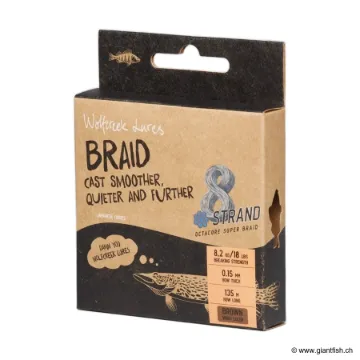
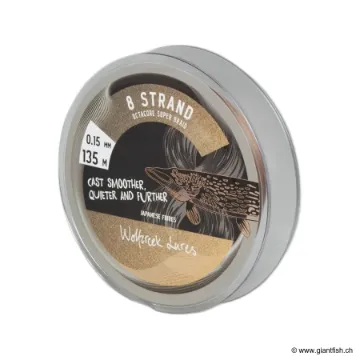
Wolfcreek Lures OctaCore Super Braid X8 Braided Fishing Line - Black
8-strand Japanese PE braided line, round and very smooth, designed for smoother, quieter casts. Offers excellent bite detection and good abrasion resistance, ideal for lure fishing.
13.05 (CHF) incl tax
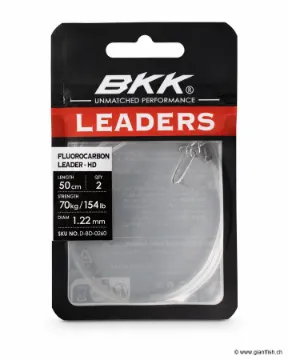
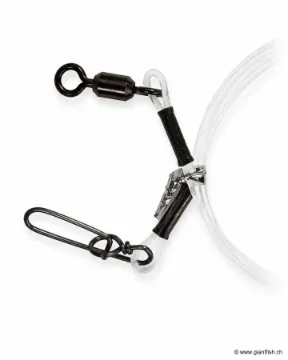
BKK Fluorocarbon Leader-HD (Pike Snap) Fluorocarbon Leader
Ready-to-fish Japanese fluorocarbon leader by BKK, discreet in clear water, highly abrasion resistant, and fitted with durable stainless steel components and a snap for toothy predator fishing.
7.15 (CHF) incl tax
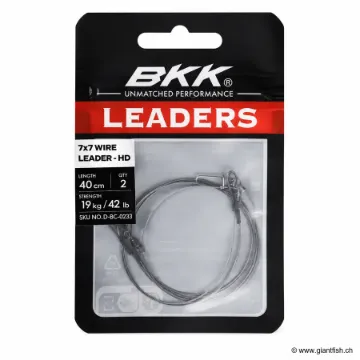
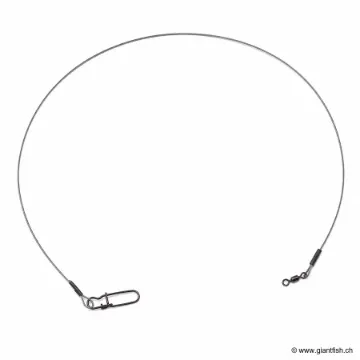
BKK 7x7 Steel Wire Leader-HD (Pike Snap)
BKK 7x7 Steel Wire Leader-HD with Pike Snap clip: flexibility, abrasion resistance, and a reliable rig for pike lure fishing.
5.45 (CHF) incl tax
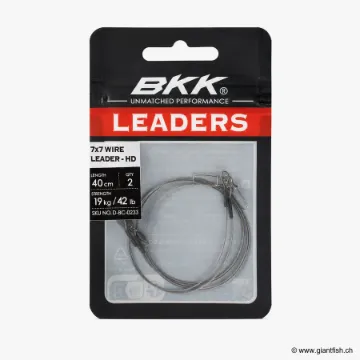
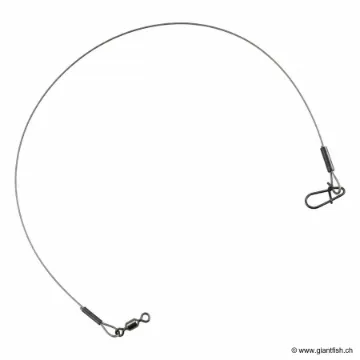
BKK 7x7 Steel Leader Allround (Duolock Snap)
Flexible BKK 7x7 wire leader in Japanese stainless steel, 49 strands, with a Duolock snap for quick lure changes and a natural presentation in finesse fishing.
4.60 (CHF) incl tax
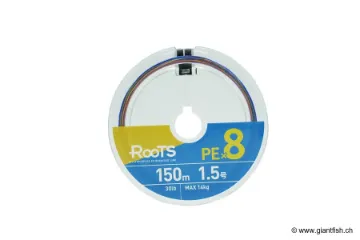
GOSEN ROOTS PE X8 Multicolor Braid
GOSEN ROOTS PE X8 multicolor 8-strand PE braid for precise saltwater and freshwater fishing, featuring per-meter markings and color changes for optimal depth and distance control.
40.45 (CHF) incl tax
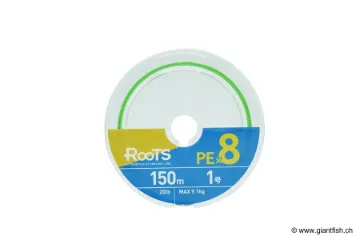
GOSEN ROOTS PE X8 8-Strand Braid - Light Green
GOSEN ROOTS PE X8 high-performance 8-strand PE braid for lure fishing, offering exceptional glide, excellent lure control and high sensitivity.
40.45 (CHF) incl tax
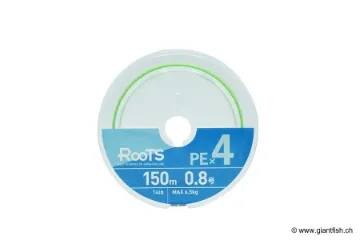
GOSEN ROOTS PE X4 4-Strand Braid - Light Green
GOSEN ROOTS PE X4 4-strand PE braid for lure fishing, offering excellent sensitivity, smooth glide through guides and high abrasion resistance for controlled casts in both freshwater and saltwater.
23.60 (CHF) incl tax
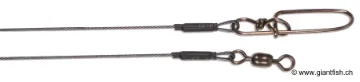
CWC Pro Titanium Leader
Braided titanium leader for jerkbait and big-predator fishing — highly resistant to pike teeth, flexible, low-memory and fitted with a secure snap for fast lure changes.
15.20 (CHF) incl tax
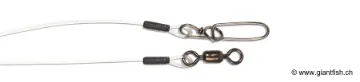
CWC Pro Carbon Leader
Fluorocarbon jerkbait leader by CWC, ready-to-fish, fitted with sturdy snaps for a discreet and secure presentation of your predator fishing lures.
9.30 (CHF) incl tax
In the Lines Braids Leaders category, you will find everything you need to adapt your predator setup to every situation. The choice of main line and leader has a direct impact on bite detection, stealth and landing fish safely.
Choosing your line for predator fishing
The line is the link between your rod and the fish. The three main families are nylon, braid and fluorocarbon. Nylon is forgiving thanks to its stretch, making it ideal for beginners or shoreline fishing. Braid offers excellent sensitivity so you can feel the slightest bite, while fluorocarbon is appreciated for its low visibility and abrasion resistance.
- Nylon line for some stretch and a good all-round compromise
- Braid for lure fishing, casting distance and bite detection
- Fluorocarbon as main line or leader for extra stealth
Predator braids: sensitivity and control
Predator braids are ideal for active lure fishing (jigs, soft baits, crankbaits, spinnerbaits). Their lack of stretch perfectly transmits lure action and bites. A thinner diameter helps gain casting distance while maintaining good linear strength.
- 4-strand braid for raw strength and good abrasion resistance
- 8-strand braid, rounder and smoother, for long-distance casting
- High-visibility colors to track your line, or natural tones for clear water
Fluorocarbon and steel leaders
The leader protects the most exposed part of your setup. For zander, perch or very clear water, a low-visibility fluorocarbon leader is often preferred. For pike and its sharp teeth, a steel or titanium leader reduces the risk of bite-offs, especially with surface or fast-moving lures.
- Fluorocarbon from 0.20 mm to 0.40 mm for finesse or subtle presentations
- Heavier fluorocarbon (0.50 mm and up) for snaggy or heavy-cover areas
- Steel or titanium leaders for fishing specifically targeting pike
Diameters, breaking strength and seasonality
Adjusting the diameter and breaking strength of your lines and leaders to the season and type of spot is essential. In cold, clear water, finer diameters and more discreet rigs are often preferable. In summer or around weed beds, a stronger setup helps you pull fish out of heavy cover.
- Fine diameters for winter and line-shy fish
- Higher breaking strength for rocky areas, submerged wood or weed beds
- Regularly reassess the condition of your line and leader as they wear
Maintenance, knots and replacement
A well-maintained line lasts longer and stays more reliable. Frequently check the first few yards of your line and your leader: at the first sign of roughness or damage, trim or replace them. Mastering a few simple but strong fishing knots (clinch-type knot, Palomar knot, loop for leaders) allows you to get the best performance from your gear.
FAQ predator fishing lines, braids and leaders
What type of line should I choose to start predator fishing? A good compromise is to use quality nylon or a medium-diameter braid with a fluorocarbon leader. This gives you forgiveness, low visibility and good sensitivity.
How often should I change my line or braid? It depends on how often you fish and the conditions. Regular visual checks and running your fingers along the line help you detect damaged sections that should be replaced without delay.
Do I always need a steel leader for pike? No, but as soon as pike are abundant or you use large lures, a steel or titanium leader greatly reduces the risk of bite-offs and helps secure your fights.
What leader length should I use? In most cases, a leader length between 12 and 32 inches is suitable. The clearer the water and the more wary the fish, the more beneficial it can be to lengthen your fluorocarbon leader.
Payment options


