




























Cookies help us deliver our services. By using our services, you agree to our use of cookies.
Filter
Filter by price
Filter by manufacturer
Landing Nets & Keepnets
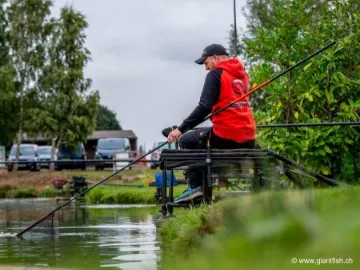
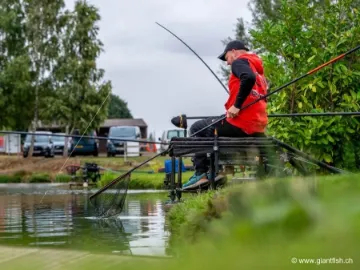
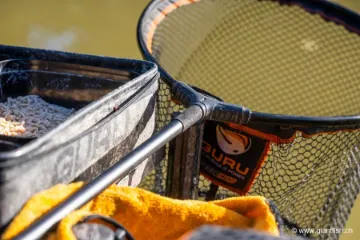
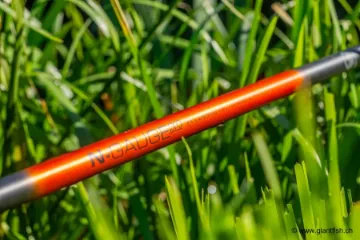
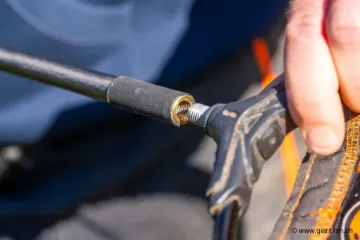
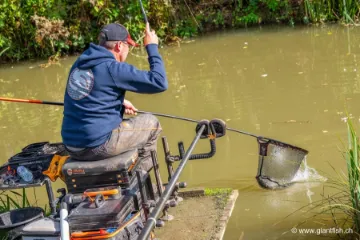
Handle Net Guru N-Gauge Pro F1 270 Net Handle - 2 sections
Guru N-Gauge Pro F1 270: premium landing net handle, robust, lightweight, and maneuverable, ideal for demanding anglers in fishery and carpodrome, Super Glide technology, Friction Free Matt Tape finish, enhanced efficiency, carbon construction, Guru reliability, excellence in fishing accessories.
68.15 (CHF) incl tax
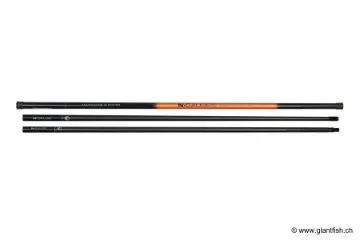
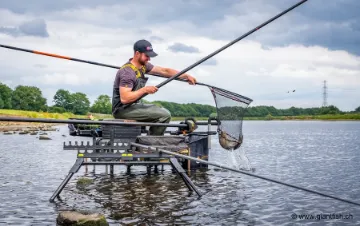
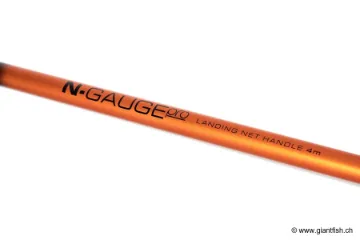
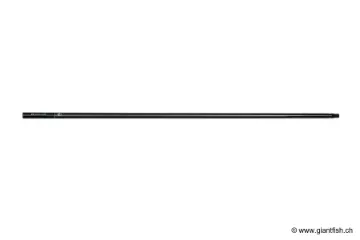
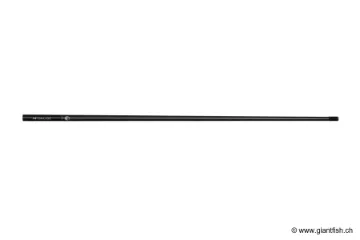
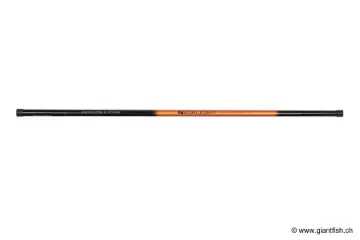
Guru N-Gauge Pro 400 Net Handle - 4 m - 3 sections - 380 g
Guru N-Gauge Pro 400 Net Handle – Robustness, maneuverability, and innovation for demanding anglers.
127.20 (CHF) incl tax
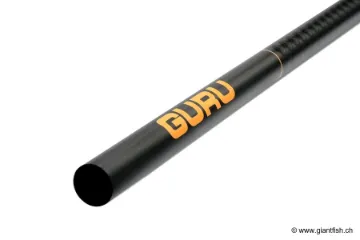
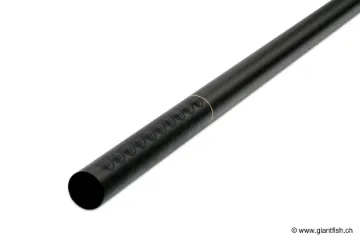

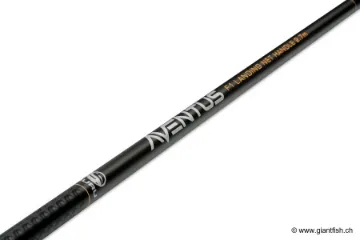
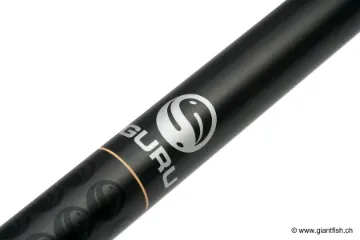
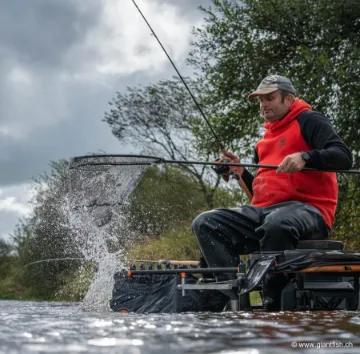
Guru F1 Aventus Handle Landing Net Handle
Guru F1 Aventus Handle Section 1 Top, high-performance landing net handle, strength, lightness, and maneuverability. Ideal for demanding anglers and competitions.
31.35 (CHF) incl tax
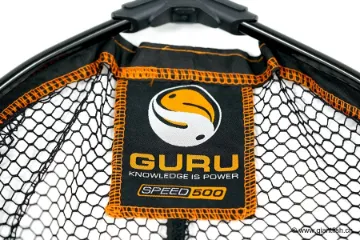
Guru Landing Net Head Speed
Professional Guru Landing Net Speed 400 for demanding anglers.
20.90 (CHF) incl tax
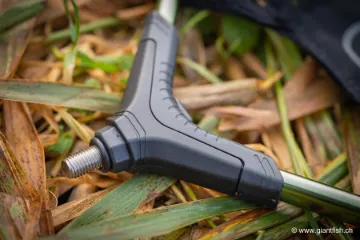
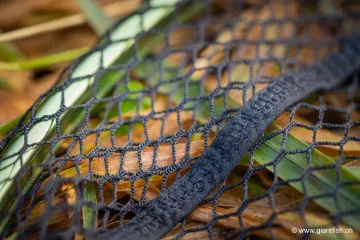
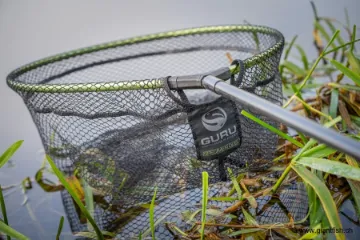
Guru Dual 600 Specimen Net Head
Guru Dual 600 Specimen Net, versatile net for large fish, optimal strength and maneuverability.
27.25 (CHF) incl tax
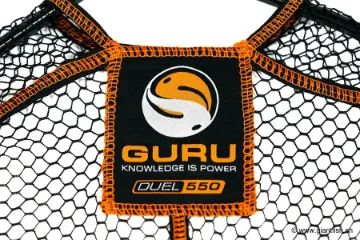
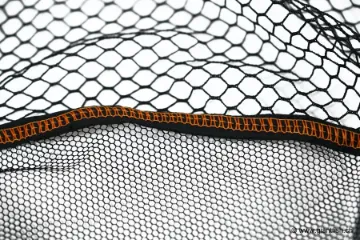
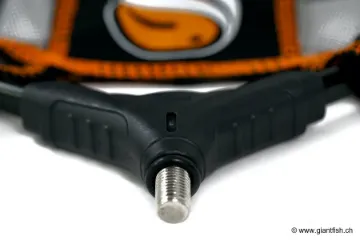
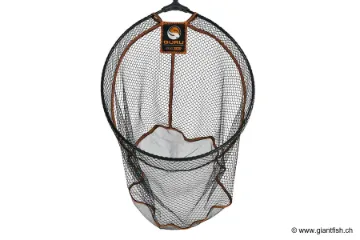
Guru Landing Net Head Dual 550
Guru Landing Net Dual 550, a durable and innovative landing net ideal for versatile fishing.
20.90 (CHF) incl tax

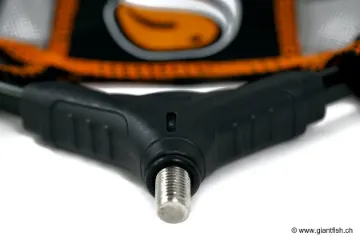
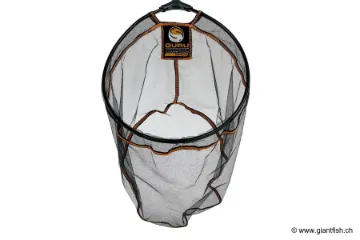
Guru Landing Net Head Competition SF400
Guru Landing Net Competition SF400 - Precision landing net for intensive fishing
15.45 (CHF) incl tax
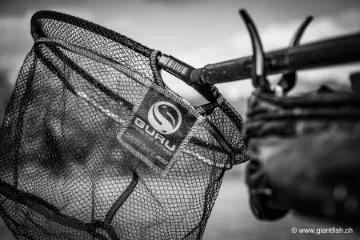
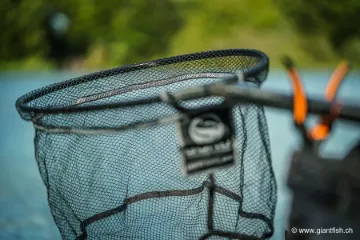
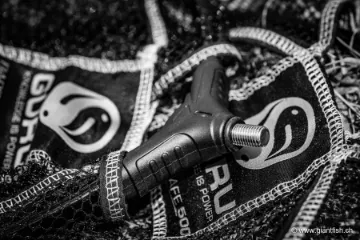
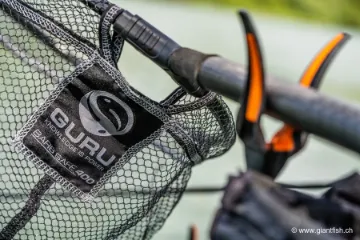
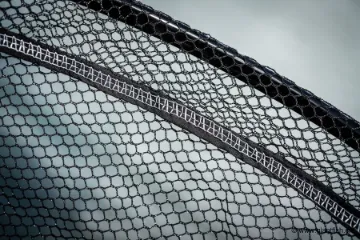
Guru Barb Safe Net Head
Guru Barb Safe 400 Net, ultra-light fishing landing net, anti-tangle netting, ease of use, optimal robustness and safety.
17.25 (CHF) incl tax
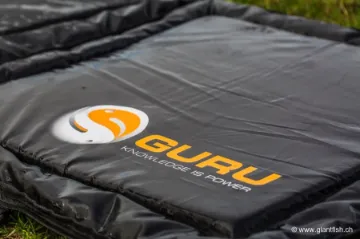
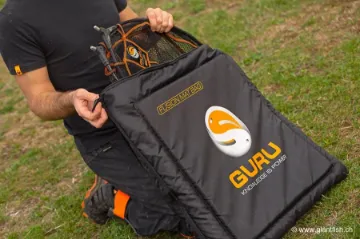
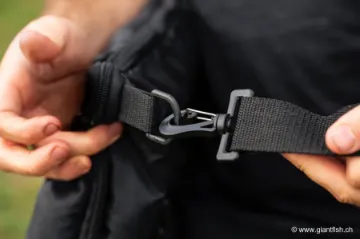
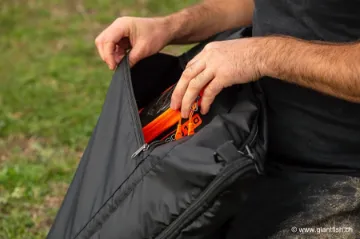
Guru Fusion Black Mat Bag
Guru Fusion Black Mat Bag, ideal for transporting and protecting your fishing gear.
45.45 (CHF) incl tax
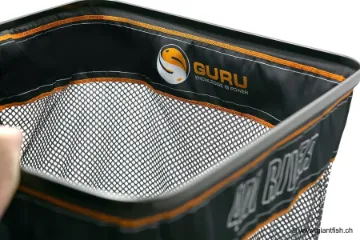
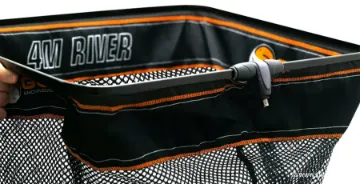
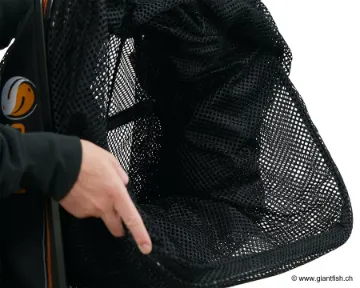

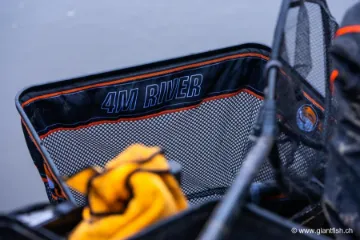
Bourriche Guru Keepnet River - 4 m
Guru Keepnet 4.0m River: robust and innovative keepnet, ideal for river fishing with its reinforced structure, weighted rings, and protective mesh to ensure fish welfare while guaranteeing reliable and durable use during every fishing session.
117.20 (CHF) incl tax
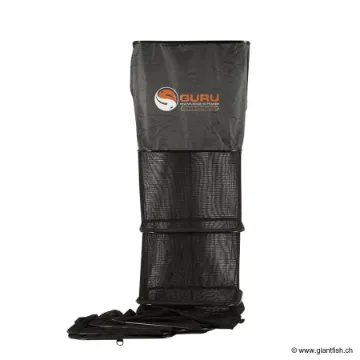
Bourriche Guru XI Carp Keepnet 3.0 m
Guru Keepnet 3.0m: Ultra-resistant competition net, maximum longevity and safety for fish in sport fishing.
80.85 (CHF) incl tax

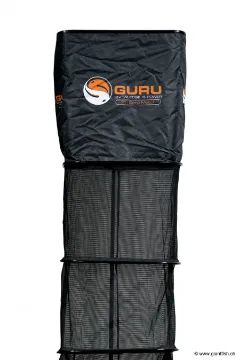
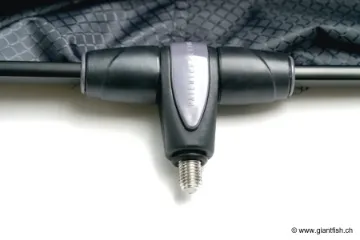
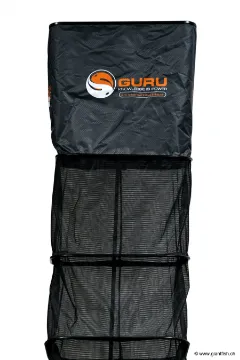
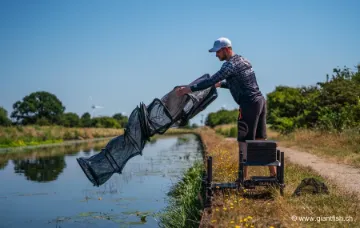
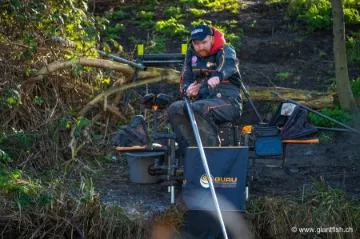
Guru Keepnet Basket
Guru Keepnet Basket 2.5m for sport fishing, robust, fish-friendly, and durable.
89.95 (CHF) incl tax
- 1
- 2
Landing nets and keepnets are essential for securing fish at the water’s edge, protecting their health, and making it easier to release them or keep them temporarily. In this category, you’ll find gear tailored to coarse and match fishing, from leisure sessions to competition.
Choosing the right landing net for coarse and match fishing
A well-matched landing net helps you control the fight while treating the fish with respect. For pole and coarse fishing, anglers generally prefer lightweight landing net heads with fine, knotless mesh to limit injuries and reduce the risk of hooks tangling.
- Head size: small to medium for roach and bream, wider heads for carp on the pole.
- Mesh: fine or micro-mesh for delicate fishing, larger mesh for quicker drying.
- Handle: length adapted to the swim; a telescopic handle makes it easier to net fish at distance or from high banks.
In summer, a landing net with rubber-coated mesh (rubber) offers a good balance between protecting the fish’s slime coat and fast drying. In cold weather or clear water, dark, discreet mesh can help reassure wary fish.
Keepnets: holding fish safely during the session
The keepnet allows you to keep fish alive in the water during your session, while keeping them close at hand for weighing or a final photo. The model you choose will mainly depend on the type of swim and the fish you are targeting.
- Round or rectangular shape: rectangular models sit better along the bank or quay.
- Length: a longer keepnet prevents fish from staying too close to the surface, especially in summer.
- Mesh: fine mesh for small silver fish, stronger mesh for carp and larger fish.
Always position the keepnet in an area that is deep enough, away from rocks and obstacles, so the fish can hold themselves naturally in the current or still water.
Techniques, setup, and maintenance of your gear
To get the best from your landing nets and keepnets, careful setup and maintenance are important. On a coarse or match fishing station, the landing net head should be easy to reach, ideally mounted on a handle fixed to a seatbox or station support.
- Positioning: place the landing net on the side of the hand you use to bring the pole or rod back, for a smooth, quick motion.
- Keepnet: fix it securely with an arm or bankstick, with the entrance slightly downstream of the current or in a ripple-free area.
- Maintenance: rinse with clean water after each trip, let it air-dry, and regularly check the stitching and mesh.
Clean, well-maintained gear reduces odors and corrosion, and extends the life of your landing nets and keepnets, whatever the season.
Adapting your equipment to the seasons
Fishing conditions change throughout the year, and your gear should follow. In summer, choose longer keepnets so fish stay in a cooler layer of water, and avoid overcrowding. In autumn and winter, fights may be shorter but banks can be slippery: a strong landing net handle with a good grip improves safety.
In spring, when fish become more active again, a fine-mesh landing net is ideal for catching large numbers of silver fish. Adapting your equipment to the season improves both fishing comfort and fish welfare.
FAQ Landing nets and keepnets
Q: What size landing net should I choose for coarse fishing?
A: For roach and bream, a head between 35 and 45 cm is sufficient. For carp on the pole, choose a wider, deeper head to secure the fish properly.
Q: How do I correctly maintain a keepnet?
A: Rinse it after each session, let it dry completely, and store it in a dry place. Regularly check the condition of the mesh and the thread on the attachment.
Q: Do I need a different keepnet for competition?
A: In competition, anglers often use long, rectangular keepnets with fine mesh, suited to large numbers of fish and to station accessories.
Q: Are rubber-coated meshes really useful?
A: Rubber meshes reduce injuries, protect the fish’s slime coat, and tangle less with hooks, which makes them very practical for regular use.