






















Cookies help us deliver our services. By using our services, you agree to our use of cookies.
Filter
Filter by price
Filter by manufacturer
Fly rods
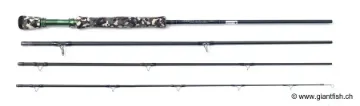
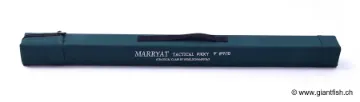
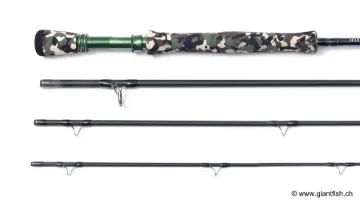
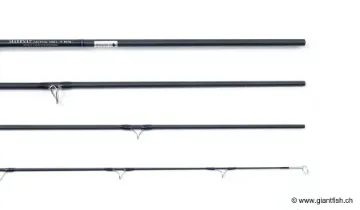
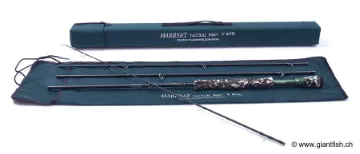
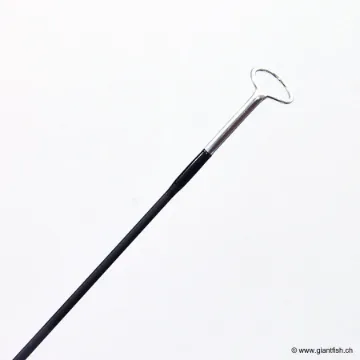
MARRYAT Tactical Pikky Fly Rod
MARRYAT Tactical Pikky fly rod for pike fishing, fast and progressive action designed to cast large streamers with precision while offering excellent comfort and optimal control during the fight.
333.45 (CHF) incl tax
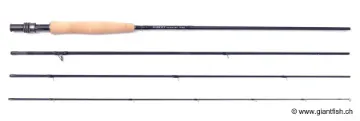
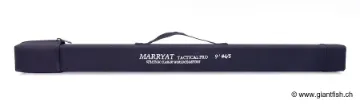
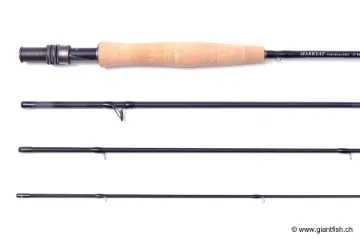
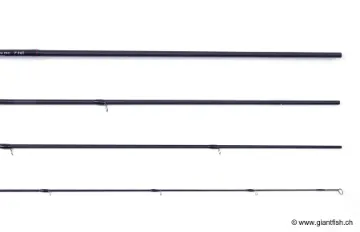
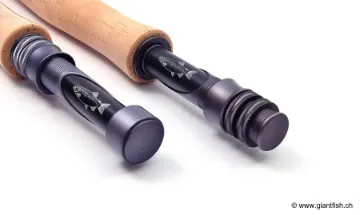
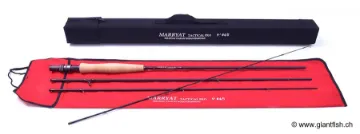
MARRYAT Tactical Pro Fly Rod
High-end MARRYAT Tactical Pro fly rod with a progressive carbon blank covering two consecutive line weights, Fuji SIC and REC Recoil titanium/nickel guides, anodized aluminum reel seat — ideal for technical fly fishing in rivers and reservoirs.
432.75 (CHF) incl tax
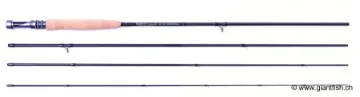
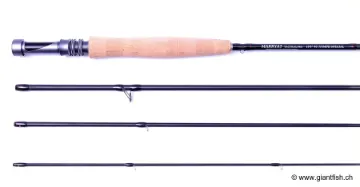
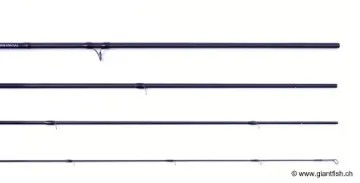
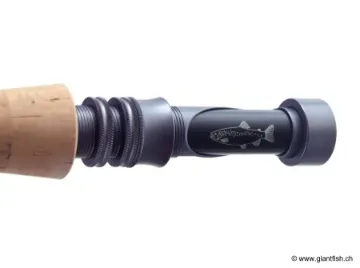
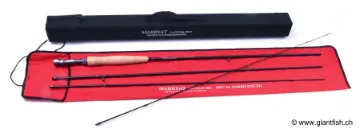
MARRYAT Tactical Pro Nymph Special Fly Rod
MARRYAT Tactical Pro Nymph Special fly rod designed for tight-line nymphing, featuring a lively, lightweight, and balanced blank for precise drifts on rivers.
463.05 (CHF) incl tax
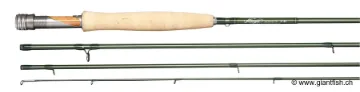
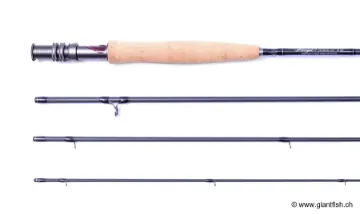
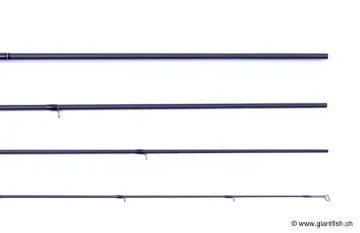
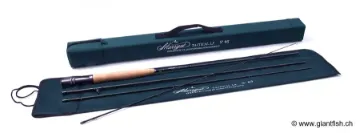
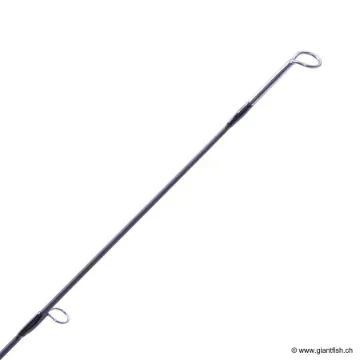
Marryat Tactical LX Fly Rod
Marryat Tactical LX fly rod — fast and versatile, ideal for nymph-on-the-drop and dry-fly fishing, with a matte finish and excellent casting precision.
362.05 (CHF) incl tax
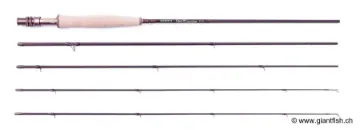

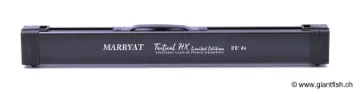
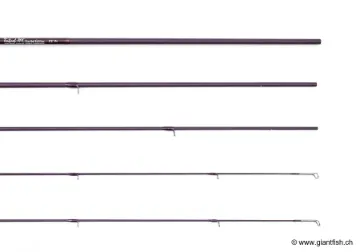
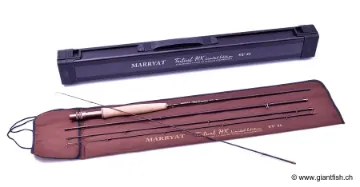
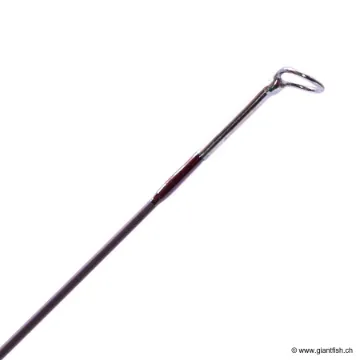
MARRYAT Tactical HX Limited Edition Fly Rod
High-end MARRYAT Tactical HX fly rod designed for traveling anglers seeking precision, lightness, controlled power and maximum reliability.
545.60 (CHF) incl tax
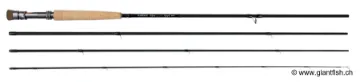

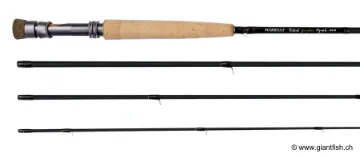
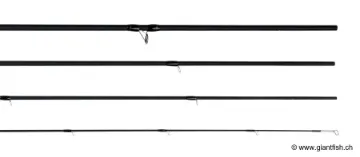
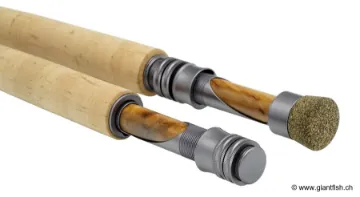
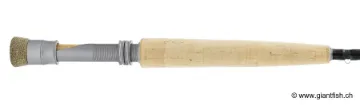
MARRYAT Tactical Graphen Fly Rod
MARRYAT Tactical Graphen nymph fly rod for modern nymph fishing — lightweight, accurate and versatile on rivers; suitable for leisure and competition.
479.95 (CHF) incl tax
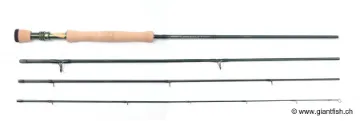


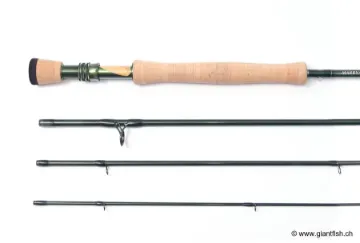
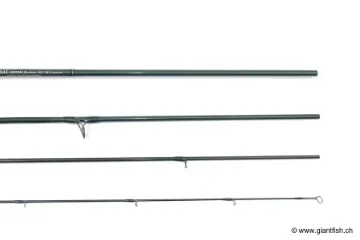
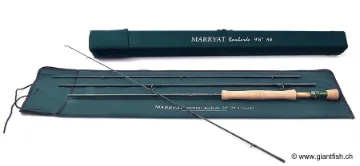
MARRYAT Tactical Bombarde Fly Rod
MARRYAT Tactical Bombarde bombarda rod designed for technical lake and reservoir fishing, ideal for fully exploiting modern fly lines and achieving long casting distances.
421.00 (CHF) incl tax
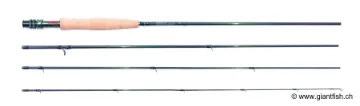


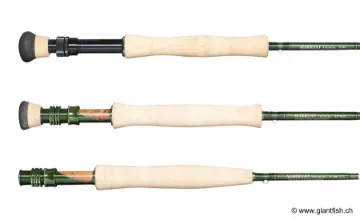
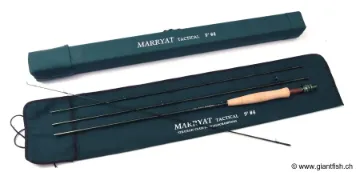
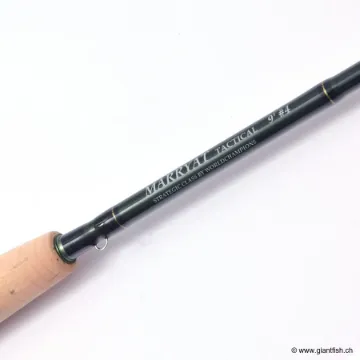
MARRYAT Tactical Fly Rod
Marryat Tactical fly rod series with a soft, progressive action, designed for delicate dry-fly, wet-fly and light-nymph fishing in rivers and lakes.
294.70 (CHF) incl tax
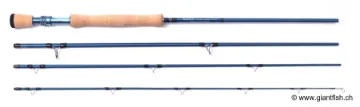
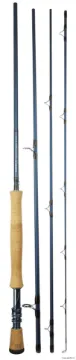
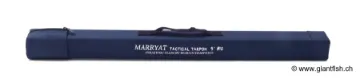
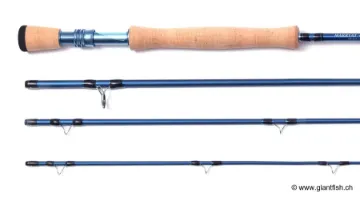
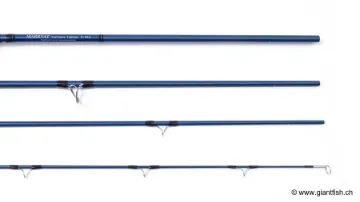
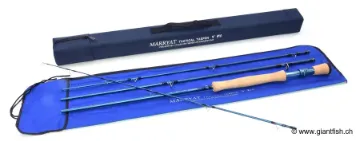
MARRYAT Tactical Bonefish Saltwater Fly Rod
MARRYAT Tactical Bonefish tropical saltwater fly rod — fast action, strong power reserve and optimal comfort for targeting sporting tropical species.
395.75 (CHF) incl tax

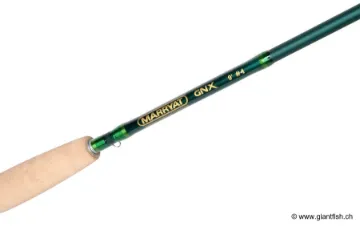
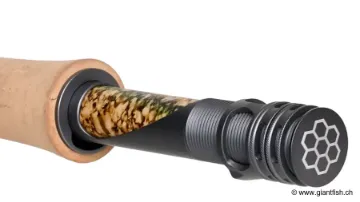
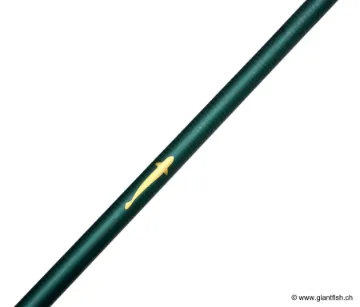

MARRYAT GNX Fly Rod
High-end MARRYAT GNX fly rod in graphene-reinforced carbon, offering a fast progressive action, exceptional casting accuracy and outstanding comfort for demanding anglers, both on rivers and reservoirs.
606.20 (CHF) incl tax
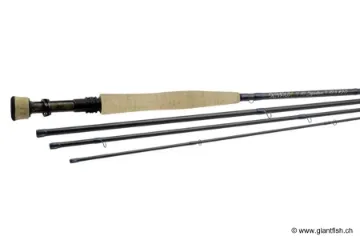
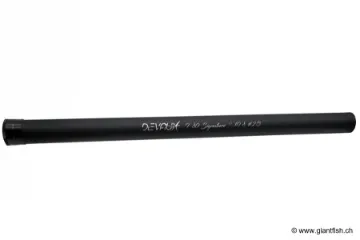
Devaux T80 SIGNATURE Fly Rod DVX
Devaux T80 SIGNATURE fly rod, high-end graphene construction combining innovative technology, extreme lightness, exceptional sensitivity, durability and elegance for discerning anglers seeking top performance at the water’s edge.
817.60 (CHF) incl tax
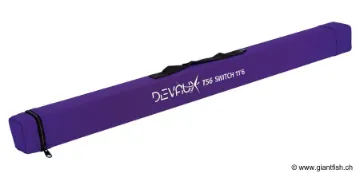
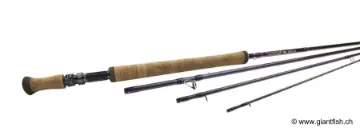
Devaux Fly Rod T56 SWITCH
The Devaux T56 Switch fly rod combines modern performance and superior handling for river fly fishing, ideal for trout, salmon and migratory species.
508.75 (CHF) incl tax
- 1
- 2
Fly rods are at the heart of modern fly fishing. Whether you're stalking trout on small streams or casting long on a lake, choosing the right rod determines your accuracy, comfort, and overall enjoyment on the water.
Choosing the right fly rod power and length
The first step is to choose the power, expressed in line weights (line #3, #4, #5, etc.). For small streams and wary fish, a 2 to 4 weight fly rod offers finesse and stealth. For medium rivers or most all-round fishing situations, 4 to 5 weight rods remain an excellent compromise. On lakes or when casting large streamers, anglers often favor 6 weights and above.
The rod length affects reach and drift control. A fly rod from 8'6" to 9' works very well in most situations. For tight, overgrown small streams, shorter models offer better maneuverability, while for tight-line nymphing or large rivers, longer rods improve line control.
Fly rod action: progressive, medium, or fast
Action describes how the rod bends during casting and while fighting fish. A progressive action is ideal for beginners and dry fly fishing, as it is more forgiving of timing errors and protects fine tippets. Medium actions offer an excellent balance between distance and accuracy, making them great for versatile setups.
Fast action rods are suited to experienced anglers looking for longer casts, tighter loops, and better performance in the wind, especially when fishing streamers or larger flies. The right action depends on your casting style, typical casting distances, and usual fishing conditions.
Materials, build quality, and comfort
Most modern fly rods are made from graphite, offering light weight and quick response. Multi-piece rods (often 4-piece) are easy to transport while maintaining a smooth, consistent action. The reel seat, cork grip shape, and guide quality also play a role in comfort during long days on the water.
For best performance, match your rod to the type of fly line, leader, and flies you use. A well-balanced rod and reel setup reduces fatigue and improves casting accuracy. Regular maintenance (rinsing, drying, checking ferrules) also extends the life of your gear.
Techniques and seasons with your fly rod
In spring and early season, a slightly more powerful fly rod helps cast bulkier flies or heavy nymphs in higher, faster water. In summer, lighter setups combined with lighter lines allow for delicate presentations to pressured, educated fish.
For dry fly fishing, focus on precision and gentle presentations. For tight-line or Euro-style nymphing, a longer rod improves drift control and strike detection. For streamer fishing, a faster action and higher line weight make casting heavy flies much more comfortable.
FAQ – Fly rods
What fly rod should I start with? A 9-foot 4 or 5 weight fly rod with a progressive to medium action offers great versatility for learning on both rivers and stillwaters.
Do I have to match the line weight exactly to the rod? As a rule, yes: a 5 weight fly rod is designed to perform best with a 5 weight line. Some anglers overline by one size to make loading the rod easier at short range, but this comes down to personal preference.
How many pieces should my fly rod have? Four-piece fly rods are now the standard, as they offer a good balance between easy transport, light weight, and consistent action along the full length of the rod.
How do I care for my fly rod? After each trip, take the rod apart, wipe the sections with a soft cloth, check the ferrules, and let everything dry before storing it in its tube or rod sock.