


























Cookies help us deliver our services. By using our services, you agree to our use of cookies.
Filter
Filter by price
Filter by manufacturer
Reels
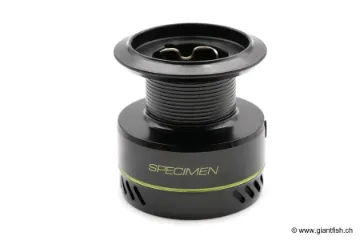
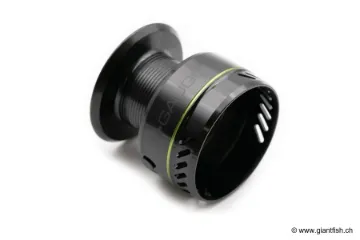
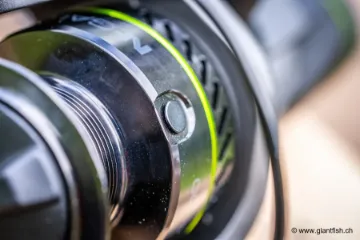
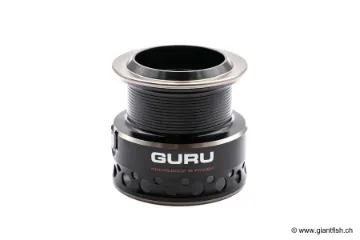
Guru N-Gauge Specimen Spare Spool
Guru N-Gauge Specimen 4000: premium waterproof, durable, and lightweight spare spool for fishing reel. Ideal for enhancing performance and longevity in every session.
15.45 (CHF) incl tax
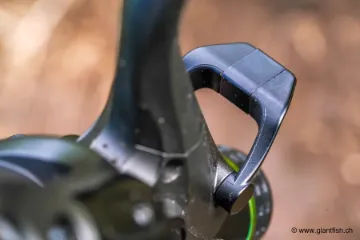
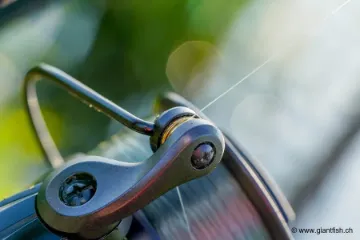

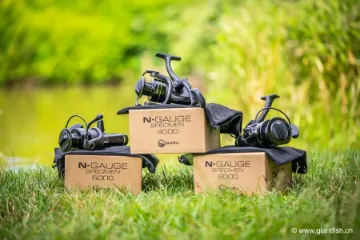
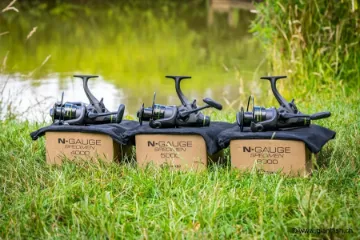
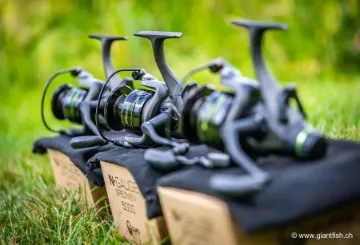
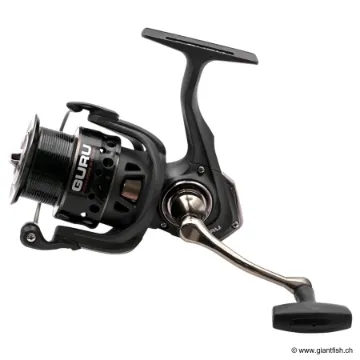
Guru N-Gauge Specimen Reel
Guru N-Gauge Specimen 4000 Reel, robust and innovative reel for specimen fishing in commercial fisheries or river, lightweight graphite body, powerful 5+1 bearings, aluminum spool and handle, high-performance baitrunner system, excellence and reliability for demanding anglers.
72.70 (CHF) incl tax
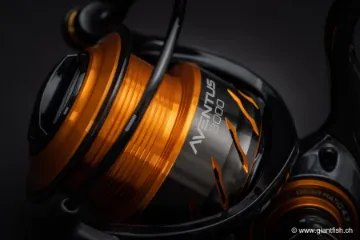
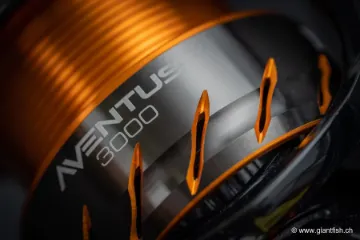
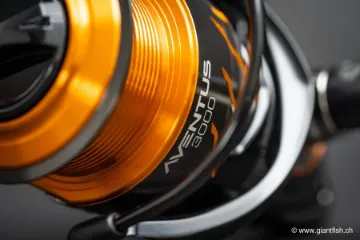
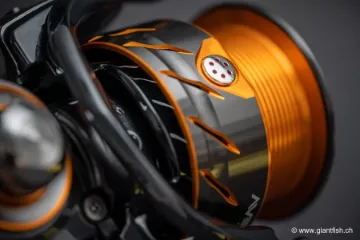
Replacement Spool Guru Aventus Spare Spool
Guru Aventus 3000 Spare Spool II, aluminum replacement spool for Aventus 3000 reel, designed for precise and high-performance fishing with innovative Distance Safety Line Clip system, ideal for demanding anglers.
50.00 (CHF) incl tax
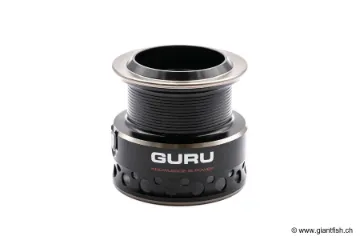
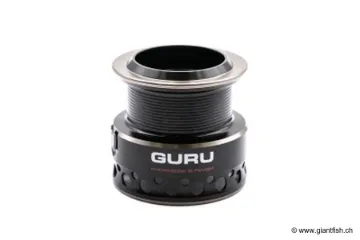
Feeder Reel Guru A-CLASS
Guru A-CLASS 4000 Reel: durability, precision, and versatility for modern fishing
13.65 (CHF) incl tax
Reels for pole and float fishing: choosing the right setup
Reels for pole and float fishing need to deliver precision, smooth rotation and long-term reliability. In this category you’ll find models suited to fine float fishing, telescopic rods fitted with guides, bolo rods and modern coarse and whitefish techniques.
Your reel choice mainly depends on your rod, the line diameter you use, and the distance you need to fish. A well-balanced combo gives you controlled casting, discreet presentation and efficient hooksets.
Key technical features of a pole fishing reel
For pole and float fishing, go for a compact, lightweight, smooth-running reel. A few key points to check before buying:
- Weight and balance: a light reel improves comfort and helps reduce fatigue on the bank.
- Spool capacity: a shallow spool is ideal for freshwater float fishing and makes it easier to fish with fine nylon lines.
- Gear ratio: a medium retrieve ratio lets you bring your rig back quickly without losing control.
- Front or rear drag: a progressive, precise drag is essential for handling strong runs from better fish without breaking your line.
- Mechanical strength: a rigid body and quality gears ensure better durability over time.
Matching your reel to the swim and the season
Depending on the season and technique, your reel requirements will change:
- Summer and fast-paced fishing: choose a light reel with a fairly fast retrieve to keep up with frequent casts and bites.
- Autumn and winter: an extra-smooth reel and sensitive drag help you play fish on finer lines when they’re more wary.
- Medium-distance fishing: a spool designed for casting, with neat line lay, improves the accuracy of your float placement.
- Fishing for stronger fish: pick a model with a more powerful drag and reinforced mechanics, while keeping reel size reasonable.
Maintaining your reel for longer life
Regular maintenance keeps your pole and float reel reliable season after season. After each session, wipe down the body and spool with a soft cloth, then check the condition of your line and the line roller. Light lubrication of moving parts, following the manufacturer’s recommendations, helps preserve smooth operation.
Avoid putting your reel down in sand or mud, and store it in a reel pouch or on the rod, well protected, to reduce shocks during transport.
FAQ: reels for pole and float fishing
What reel size should I choose for pole and float fishing?
In most cases, a compact size is enough for standard freshwater float fishing. What matters most is balancing the reel weight with the rod and the distance you plan to fish.
Can a spinning reel be used for pole and float fishing?
Some lightweight spinning reels are suitable, as long as they balance well with the rod and offer a drag that’s progressive enough for fine rigs.
Should I choose a front drag or rear drag reel?
Both systems work, but front drag is often more precise and direct, which many anglers appreciate for technical float fishing.
How often should I service my reel?
A quick check after every trip is recommended, with a more thorough service once or twice a year depending on how often you fish and the conditions you encounter.