



























Cookies help us deliver our services. By using our services, you agree to our use of cookies.
Filter
Filter by manufacturer
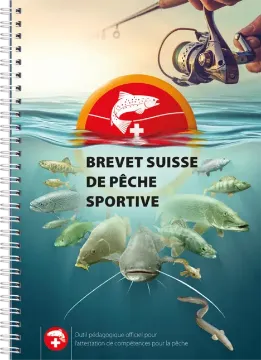
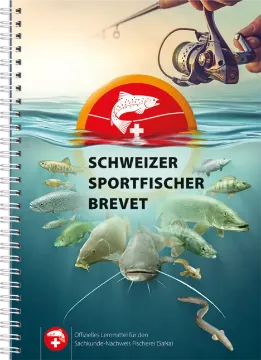
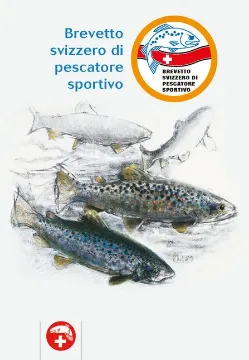
Swiss Sport Fishing Certificate – SaNa
Official study guide for the Swiss SaNa exam. Includes all required learning objectives and the SaNa exam code.
39.00 (CHF) incl tax



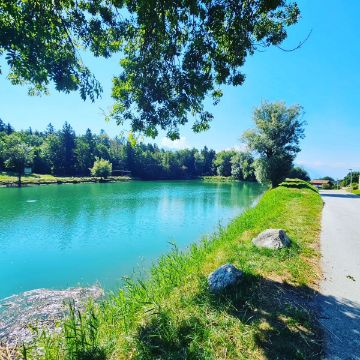
Fishing Licence - Etang de Revouire
Experience a unique trout fishing adventure from the bank in an exceptional natural setting. Immerse yourself in a green haven and enjoy unforgettable moments of relaxation and fishing.
From 40.00 (CHF) incl tax
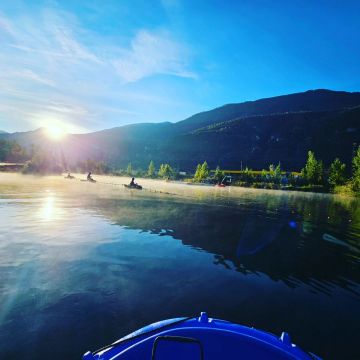
Daily Permit - Gouille des Bousses
Fishing for big trout (> 1.5 kg) in a float tube in a green setting.
From 50.00 (CHF) incl tax
The fishing license is often the first step before you can fully enjoy your time on the water. Choosing the right one and knowing how to use it allows you to fish with peace of mind while respecting regulations and the aquatic environment. This category brings together practical information, preparation tips, and ideas for useful gear to go hand in hand with your fishing license day after day.
Understanding the role of a fishing license
A fishing license is a document that authorizes you to fish in a given area for a limited period of time. Depending on the waters you fish, there may be different types of licenses: daily, weekend, seasonal, or annual. Some are specific to a type of water (rivers, lakes, canals, shoreline) or to certain techniques.
Beyond the administrative aspect, a fishing license contributes to the sustainable management of fish populations. It generally comes with rules that must be followed: minimum sizes, bag limits, closed seasons, restricted areas. Before each new season, take a moment to read through the terms attached to your license so you can adjust your habits and your tackle.
Choosing the right license for your style of fishing
The type of fishing license you choose depends on how often you go, the waters you fish, and the techniques you prefer. A daily license is ideal for getting started or for a few occasional trips, while a seasonal or annual license is more suitable for regular anglers.
- Beginning angler: start with a short-term license to discover different spots and techniques.
- Regular angler: opt for an annual license that covers your favorite areas (rivers, lakes, ponds, or shoreline).
- Specialized techniques: lure fishing, fly fishing, feeder fishing, or carp fishing may require you to adapt your strategy and be very familiar with the rules for the target species.
Alongside your license, remember to adapt your gear: a suitable rod and reel, discreet leaders, hooks in the right size, and measuring tools to check the size of your catch.
Documents and accessories to pair with your license
A fishing license is only useful if it is legible, protected, and easy to access during an inspection. A few simple accessories can make life easier on the bank or on the boat.
- Waterproof sleeve to protect your license, ID documents, and possibly a copy of the fishing rules.
- Compact document holder to keep your license, maps of fishing areas, and personal notes all in one place.
- Notebook or catch log to record your sessions, conditions, spots, and fish caught, helping you fine-tune future outings.
- Small practical accessories: pencil, tape measure, pliers for unhooking fish, and a waterproof box to keep everything together.
Getting these items organized at the start of the season helps you avoid forgetfulness and makes every trip run more smoothly.
Adapting how you use your license to the season
Your fishing license is used differently depending on the time of year. In spring, as fish activity picks up, you can plan more frequent trips, especially for lure or fly fishing along the banks and in shallow areas.
In summer, it is best to fish early in the morning or in the evening, when the water is cooler and fish are more active. A license that covers the whole season lets you switch between bank fishing, boat fishing, or float-tube fishing, depending on local regulations.
In fall and winter, fish often hold in deeper areas. Adjusting your schedule, rigs, and baits is essential to keep getting the most out of your fishing license, while staying alert to any closed periods.
Fishing license FAQ
Do I always need a fishing license?
In the vast majority of cases, a license is required to fish legally in fresh or salt water. Some private waters or supervised events may be exceptions, but it is essential to check the rules in force before you set up on the bank.
What license duration should I choose?
If you fish infrequently, a daily or short-term license may be enough. For regular fishing over several months, a seasonal or annual license is often more economical and more flexible.
Do I always have to carry my license with me?
Yes, it is recommended to keep your fishing license on you, or within easy reach, for the entire session. A waterproof sleeve or document holder will protect it and make it easy to show in case of an inspection.
What gear should I plan in addition to the license?
In addition to your license, take your usual tackle (rod, reel, lines, baits), safety and measuring tools, and a way to protect your documents. Good organization lets you make the most of every trip.