












Cookies help us deliver our services. By using our services, you agree to our use of cookies.
Filter
Filter by price
Filter by manufacturer
Fly Lines & Backing
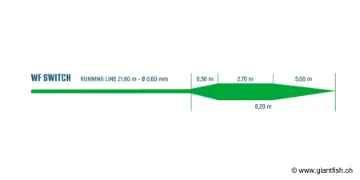
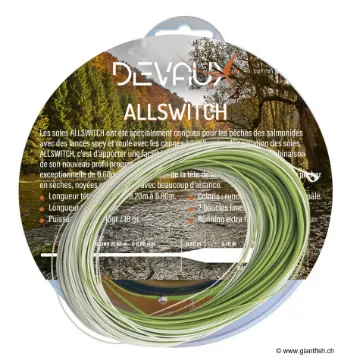

Devaux Allswitch Fly Line
Devaux Allswitch fly line, floating line optimized for Spey and Switch casting.
59.00 (CHF) incl tax
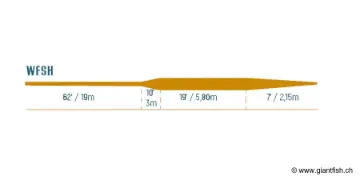
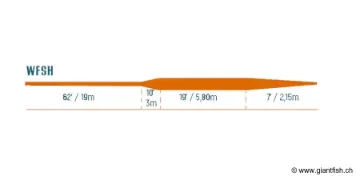
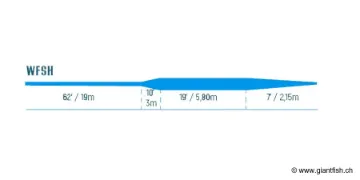
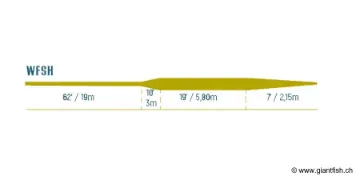
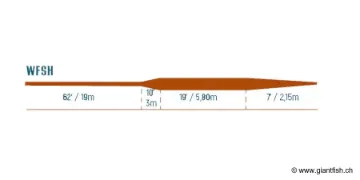
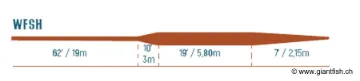
Devaux CASTLAKE Fly Line
The Devaux CASTLAKE fly line, designed for reservoir fishing and river streamer work, combines optimal glide, long range and great stealth. Its advanced profile, clearly identifiable density variations and a visible running line ensure precision, efficiency and heightened feel with every cast.
49.90 (CHF) incl tax
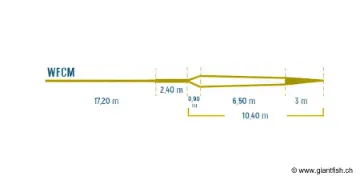
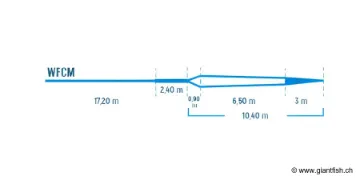
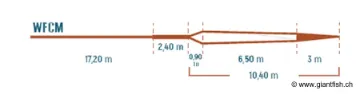
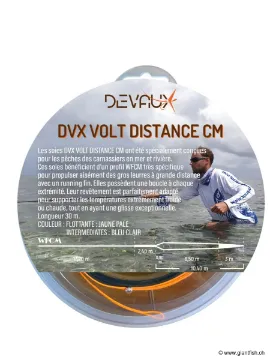
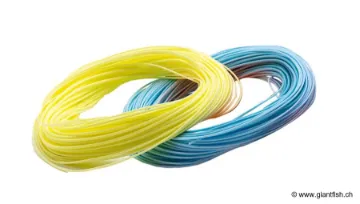
Devaux VOLT DISTANCE Fly Line CM
Devaux VOLT DISTANCE fly line – Excellence for predatory fish
54.45 (CHF) incl tax
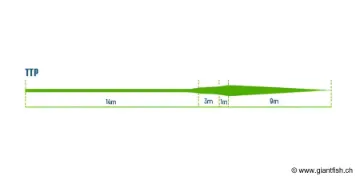
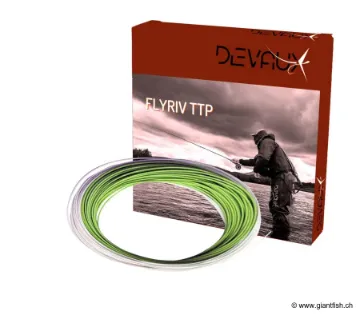
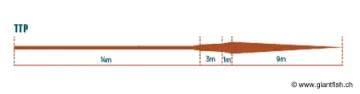
Devaux FLYRIV TTP Fly Line
Devaux FLYRIV TTP floating fly line, high-performance for fly fishing
72.60 (CHF) incl tax
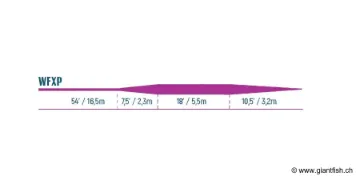
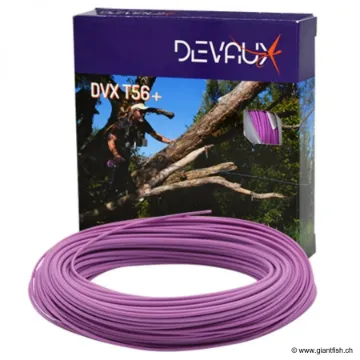
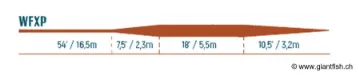
Devaux T56+ Fly Line
Devaux T56+ FLY LINE: high‑tech fly fishing line for precision and optimal flotation.
54.45 (CHF) incl tax
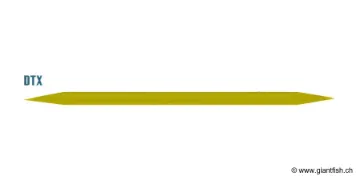
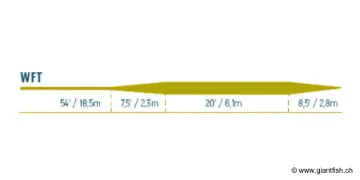
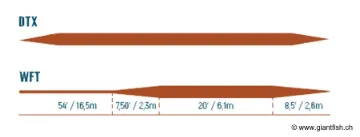
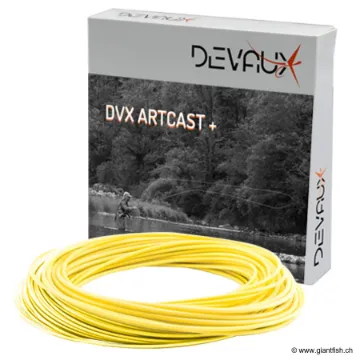
Devaux ARTCAST+ Fly Line
Devaux ARTCAST fly line: the essential fly-fishing line for performance, durability, hydrophobicity and optimal flotation.
63.50 (CHF) incl tax
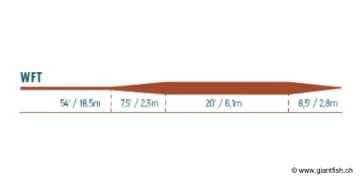
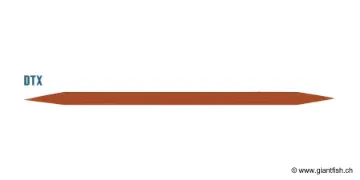
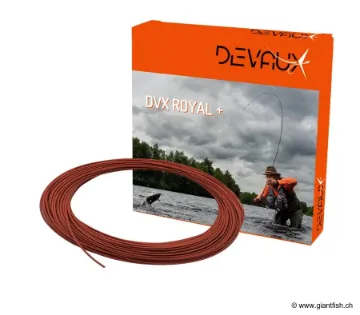
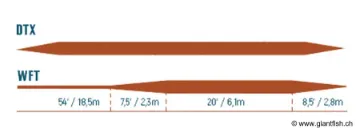
Devaux ROYAL+ Fly Line
Devaux SOIE ROYAL+: premium fly line featuring a nanoparticle coating for optimal flotation and exceptional glide.
45.35 (CHF) incl tax
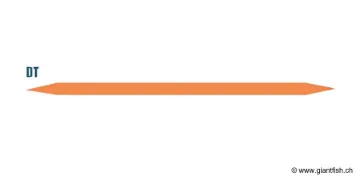
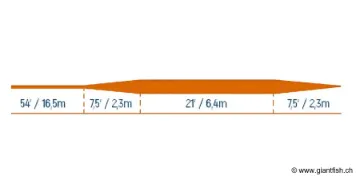
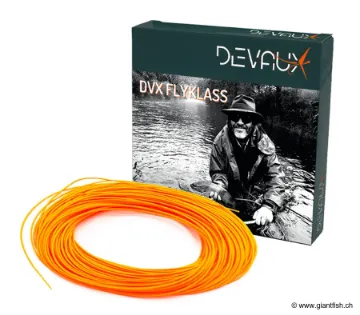
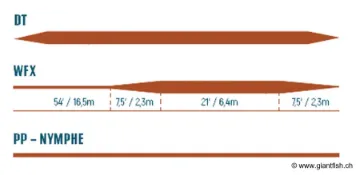
Devaux FLYKLASS Fly Line
Devaux FLYKLASS FLY LINE: innovative floating fly line for anglers, optimal smoothness, enhanced visibility, excellent buoyancy, VIZNEW technology, unmatched comfort for all casting techniques.
36.25 (CHF) incl tax
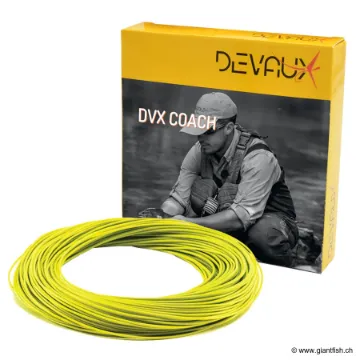
Devaux COACH Fly Line
Devaux COACH Fly Line, a floating fly line for fly fishing that delivers performance and precision.
27.20 (CHF) incl tax
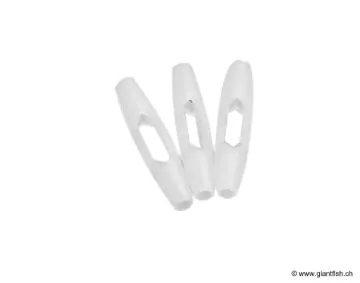
Devaux CAST CONNECTOR Fly Line Connector
Devaux CAST CONNECTOR fly line connector, an essential accessory to secure and optimize the connection between fly line and leader in fly fishing.
4.50 (CHF) incl tax
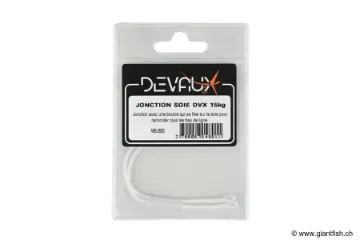
Devaux Fly Line Connector DVX
Devaux Fly Line Connector, high-strength junction for fly fishing and powerful fish. Safety, durability and performance for all your fishing trips.
4.50 (CHF) incl tax
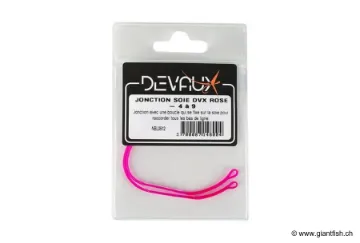
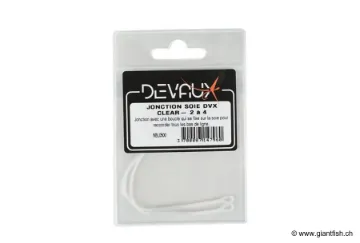
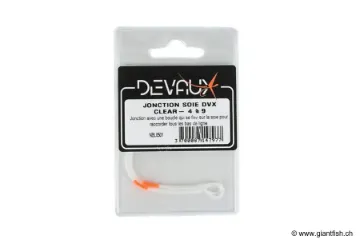
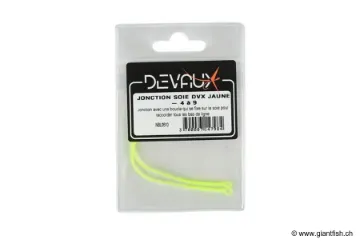
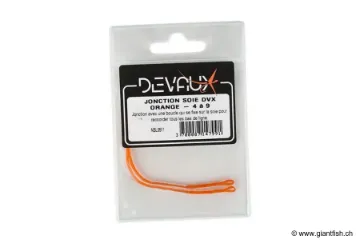
Devaux Fly Line Junction
Devaux fly line junction connector — a reliable solution for connecting fly line and leader
4.50 (CHF) incl tax
- 1
- 2
The Fly Lines & Backing category brings together everything you need to set up your fly reels properly. A well-chosen fly line and the right backing ensure casting distance, fish control and security during the fight, whether you are fishing rivers, lakes or stillwaters.
Choosing the right fly line
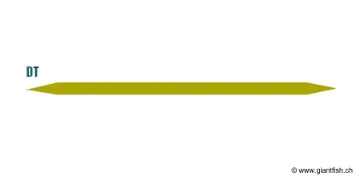
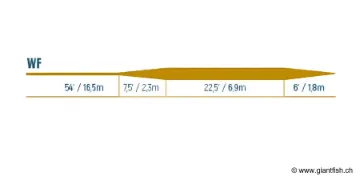
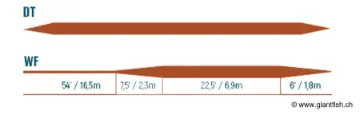
The fly line is the central element of your setup. It is chosen first according to the rod weight (line numbers) and the type of fishing you practice. A floating fly line is ideal for dry-fly fishing and light nymphs, while an intermediate or sinking line lets you keep control of the drift when fish are holding deeper. The line taper (WF, DT, specific shooting heads) influences how easily the rod loads, as well as the accuracy and delicacy of your presentations.
Sizing your backing correctly
The backing is the reserve of line between the reel and the fly line. Its role is essential for absorbing the runs of powerful fish or when fights are prolonged. You choose the breaking strength according to the size of the fish you are targeting and the line weight, then the capacity according to volume and diameter. Backing that is too thick will fill the spool too quickly, while backing that is too thin can be less comfortable to handle under tension.
Materials, tapers and techniques of use
Modern backing is often made from braid (Dacron or equivalent), offering a good compromise between thin diameter, strength and durability. Some models feature color markings that make it easy to estimate how much line is out during a fight. The fly line–backing connection must be neat: needle knot, loop-to-loop connection or specific fly fishing knots. A smooth transition avoids snags in the guides and secures both hook-set and fight.
Care, longevity and seasonality
Regular maintenance extends the life of your fly lines and backing. It is recommended to clean the fly line with a suitable product to maintain its slickness and flotation, especially after sessions in slightly dirty water. At the end of the season or after an intensive trip, unwind backing and line to check for wear, twists or abrasion points. Storing them dry, away from heat and UV light, keeps your gear reliable for opening day and peak periods of fish activity.
Matching your setup to fly fishing techniques
Whether you fish delicate dry flies, nymphs, wet flies or streamers, the fly line + backing combo must match your approach. A heavier line and generous backing are better suited to streamers and big fish, while a lighter setup, with a fine line and discreet backing, is ideal for technical fishing in clear water. Adjusting this duo to each technique ensures comfort, accuracy and full control of your drifts.
FAQ - Fly lines and backing
How much backing should I put on a fly reel?
The length depends on the type of fishing and the reel size. For light fishing, around fifty meters may be enough, while for more powerful fish you often want 100 m or more, staying within the spool’s capacity.
Do I need to change my fly line often?
Replacement frequency depends on how much you use it and how well you maintain it. A line that is cleaned and stored correctly can last several seasons, while a line that is heavily used or damaged by abrasion should be replaced sooner.
How do I know if my backing is worn out?
Inspect your backing regularly: discolored areas, frayed or flattened fibers, and damaged knots are warning signs. If in doubt, it is safer to replace it before a new season or an important trip.