























Cookies help us deliver our services. By using our services, you agree to our use of cookies.
Search
[CHF] Swiss Franc
English
- Fishing license
- New Products
- Predator
- Trout
- Fly Fishing
- Carp
- Catfish
- Pole Fishing
- Sea Fishing
-
Clothing
- Fishing jackets
- Hoodies, fleeces & sweaters
- Fishing T-shirts, Polos, and Shirts
- Fishing Pants, Bibs, and Shorts
- Fishing vests and chest packs
- Waders and Hip Boots
- Boots, Shoes & Sandals
- Polarized sunglasses & Accessories
- Caps, Visors & Hats
- Beanies, Neck gaiters & Gloves
- Thermal underwear & Socks
- UV-blocking Clothing and Sun protection accessories
- Various
- Navigation
- Hunting
- Decor & Gifts
- Brands
Filter
Filter by price
Filter by manufacturer
Recently viewed products
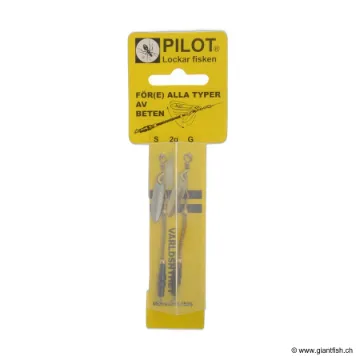

MYRAN Pilot Teaser
The MYRAN Pilot Teaser is a fishing teaser designed to add an extra point of attraction to your rig and trigger more decisive strikes, in both freshwater and saltwater.
5.85 (CHF) incl tax
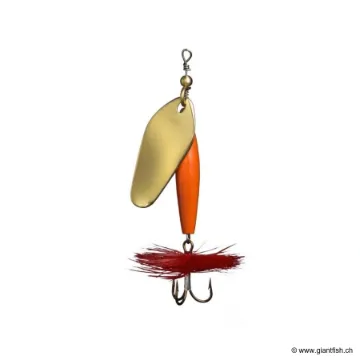
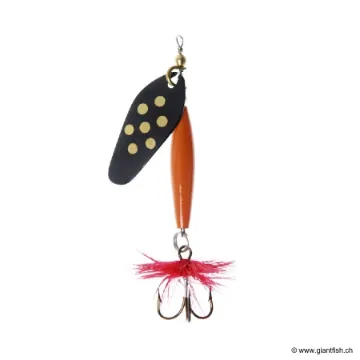
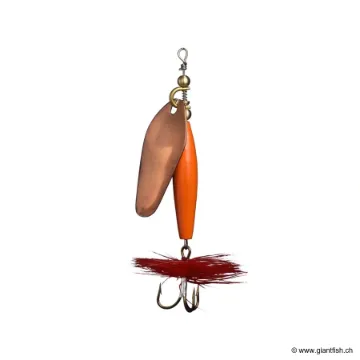
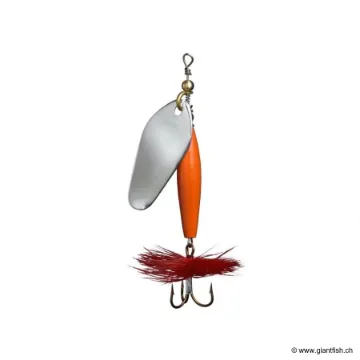
Spinning Spoon MYRAN Myrspinnare - 18 g
Spinning spoon with interchangeable blade, designed to quickly adjust vibrations and flash according to conditions. Ideal for exploring freshwater, in rivers and stillwaters, for predatory fish.
7.45 (CHF) incl tax
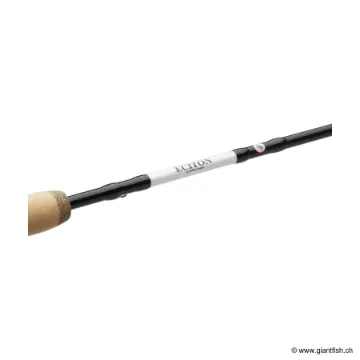
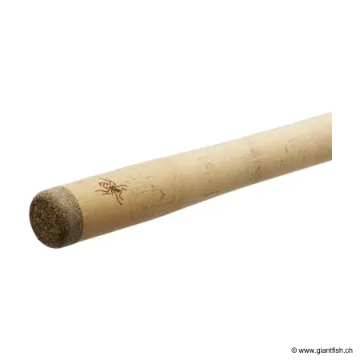
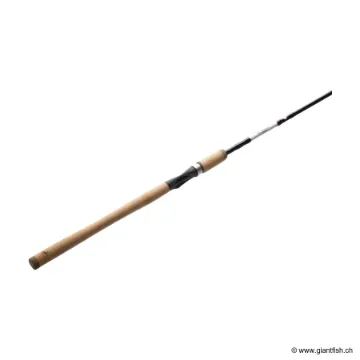
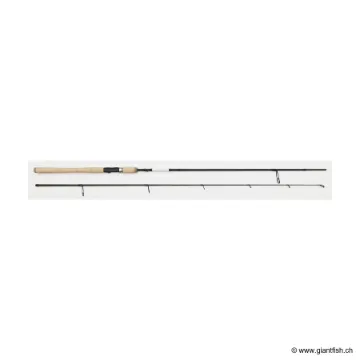
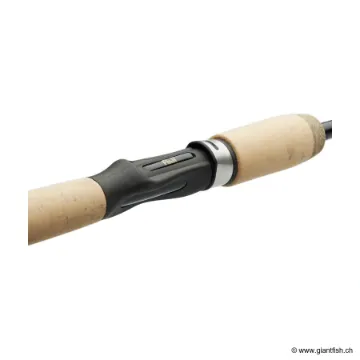
MYRAN Eciton Spin Spinning Rod
Versatile spinning rod with a parabolic action, designed for lure fishing in both freshwater and coastal environments. Progressive blank for smooth casts and excellent shock absorption during the fight, with AAA cork handle, Fuji reel seat, and SeaGuide LS guides.
65.35 (CHF) incl tax
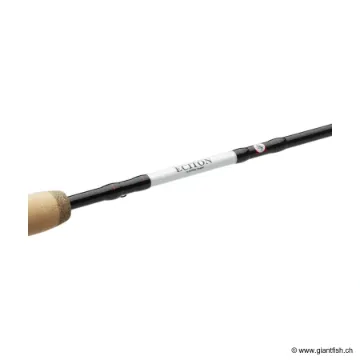
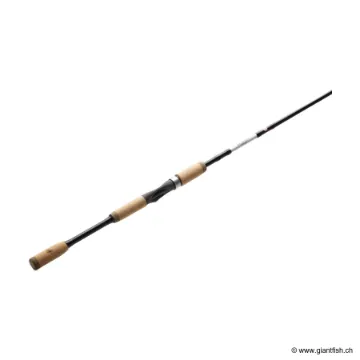
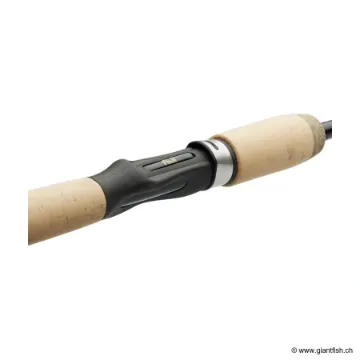
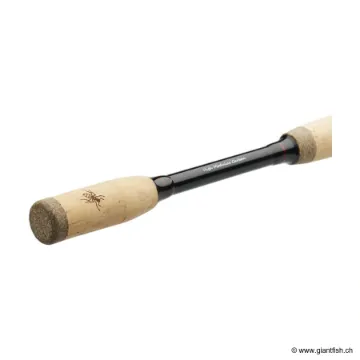
MYRAN Eciton Finesse Spinning Rod
Fast-action spinning rod designed for light jigging and finesse lure fishing. Sensitive and precise, it helps you read bites better and maintain full control of the retrieve.
74.70 (CHF) incl tax
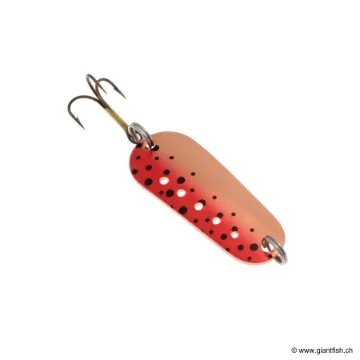
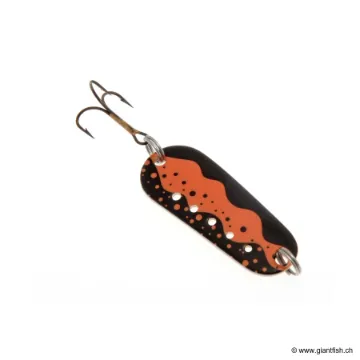
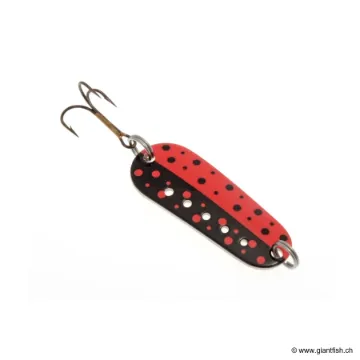
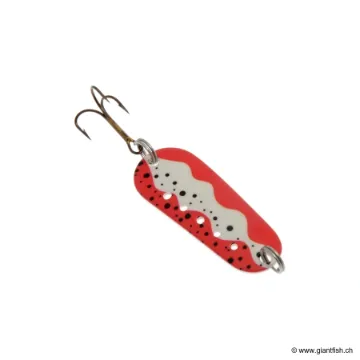
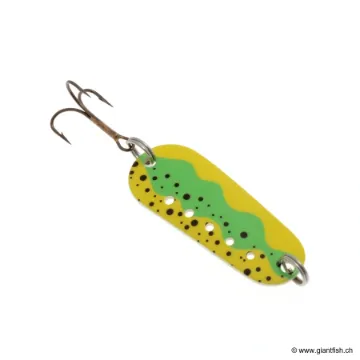
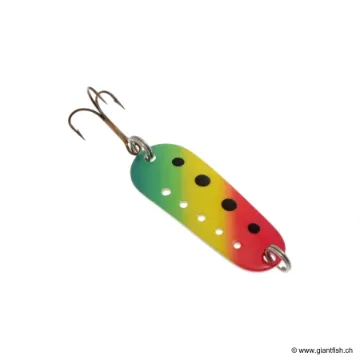
MYRAN Duri Spoon Oscillating Spoon
Perforated oscillating spoon lure designed for freshwater casting. Its lively, irregular swimming action, enhanced by vibrations and a subtle acoustic signal, helps trigger strikes from predatory fish and salmonids.
6.70 (CHF) incl tax
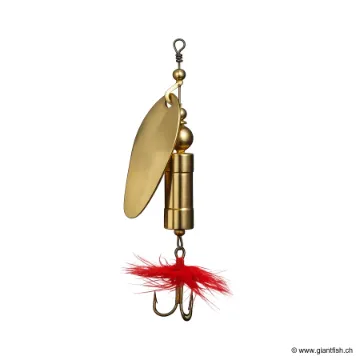
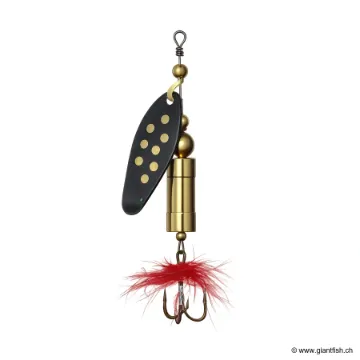
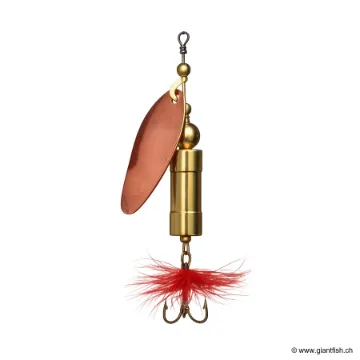
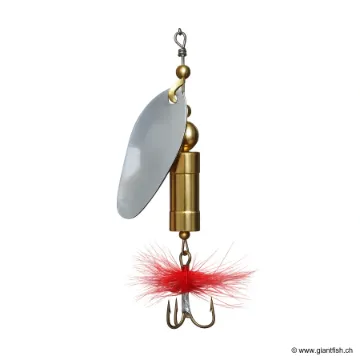
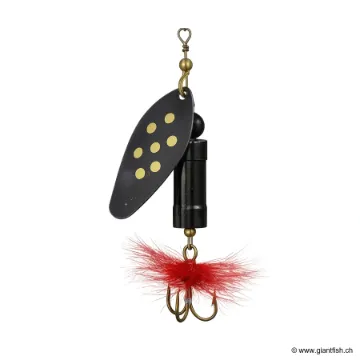
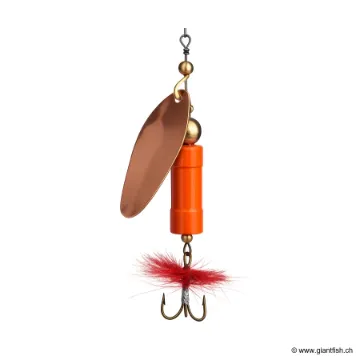
Myran Tuna-Lax Spinner Spoon - 30 g
Spinning spoon designed for salmon fishing in rivers, especially suited to stronger currents and higher water levels. Its compact, heavy profile promotes fast sinking, excellent holding power in the current, and easy casting.
7.45 (CHF) incl tax
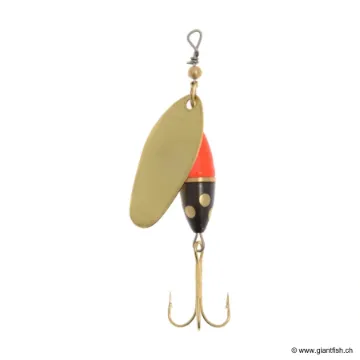
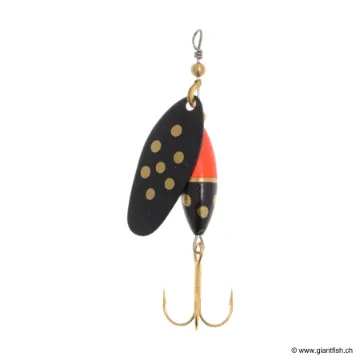
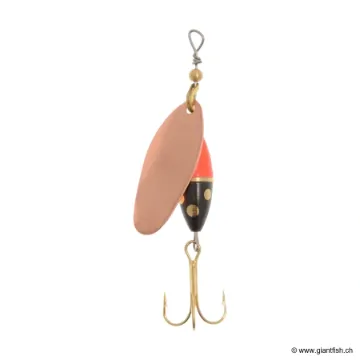
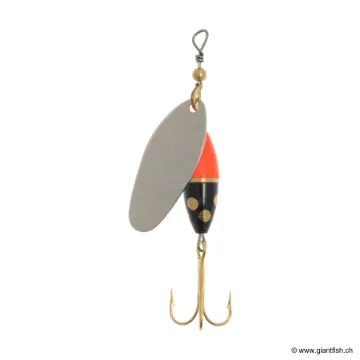
MYRAN Panter Spinner HOT - 20 g
Spinner lure designed for predatory fish, with smooth rotation and a compact body for accurate casts. Effective in rivers, lakes, and coastal areas, with both slow and fast retrieves.
6.70 (CHF) incl tax
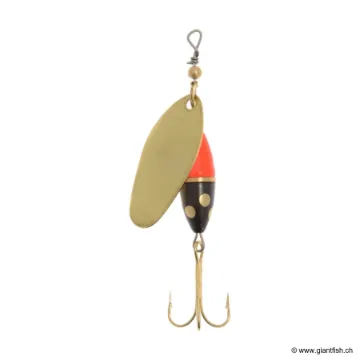
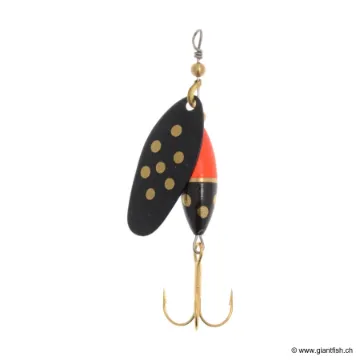
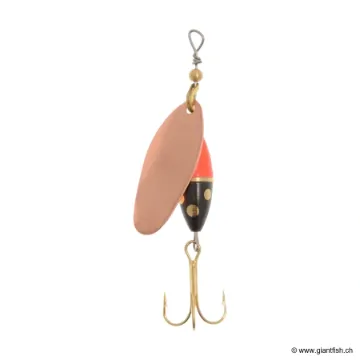
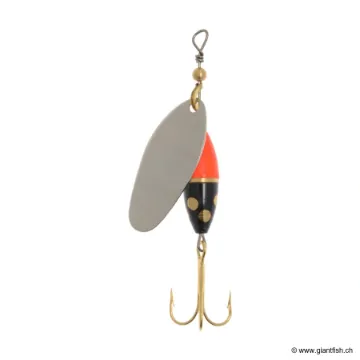
MYRAN Panter HOT Rotating Spoon - 15 g
Compact rotating spoon with a regular blade, designed for predatory fish such as pike. Stable on slow or fast retrieves, it casts accurately and can be used in rivers, lakes, or coastal areas.
6.70 (CHF) incl tax
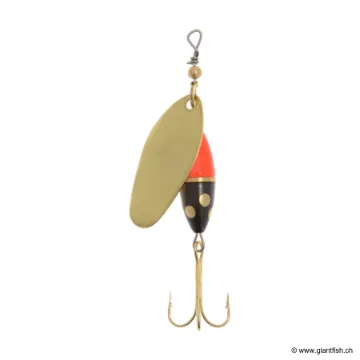
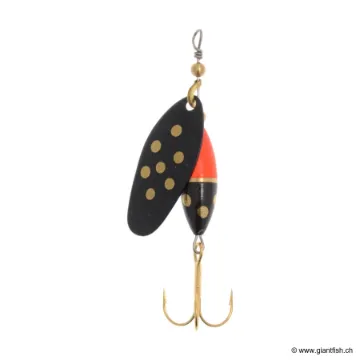
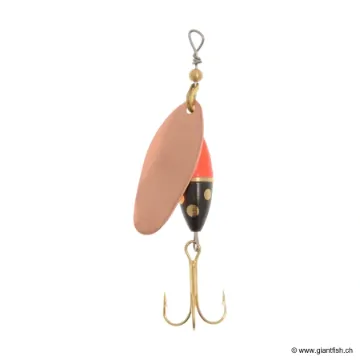
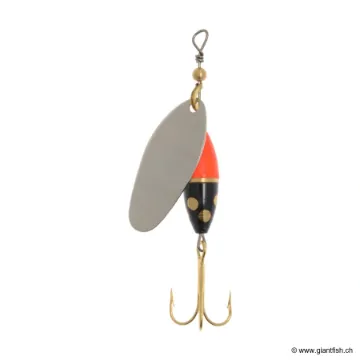
MYRAN Panter HOT Spinner - 10 g
Spinner for predator fishing, featuring a blade with smooth, consistent rotation that starts easily. Its compact body makes casting easier and allows effective coverage in rivers, lakes, or coastal areas, with slow or fast retrieves.
6.35 (CHF) incl tax
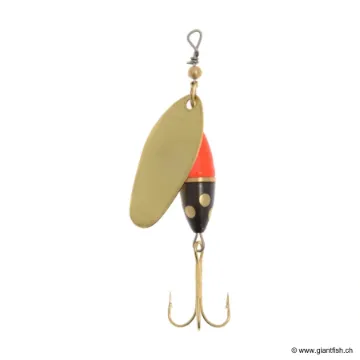
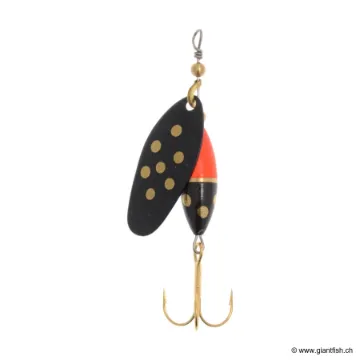
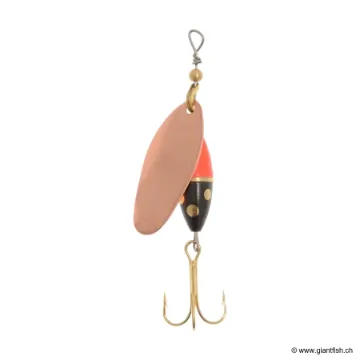
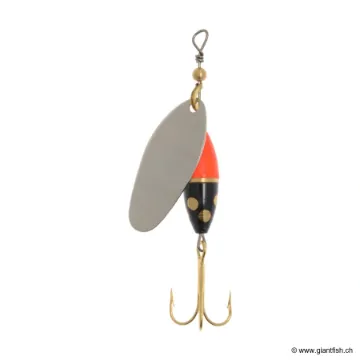
MYRAN Panter Spinning Spoon HOT - 7 g
Compact Swedish spinner with a rotating blade, designed for predator fishing. Smooth rotation at different retrieve speeds for effective coverage in rivers, lakes, or along the coast.
5.85 (CHF) incl tax
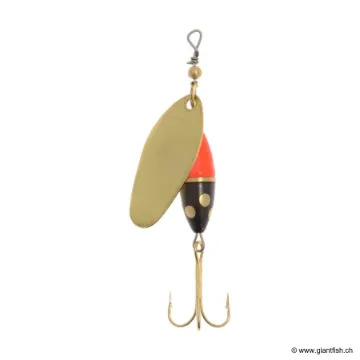
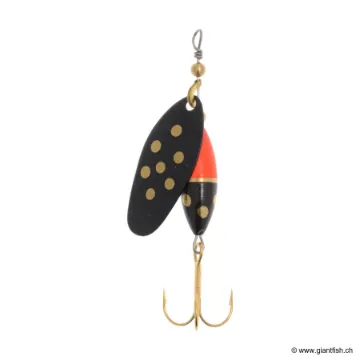
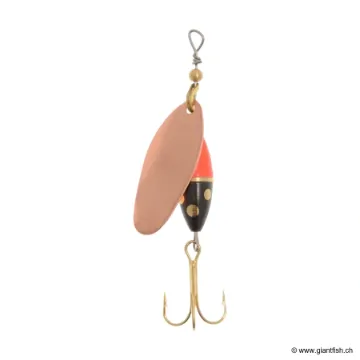
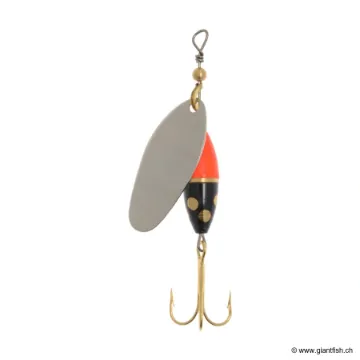
MYRAN Panter HOT Spinning Spoon - 5 g
Robust Swedish spinner with a compact body, designed to trigger predatory fish with a blade that spins at a steady pace. Ideal for covering rivers, lakes, and coastal areas, with both slow and fast retrieves.
5.85 (CHF) incl tax
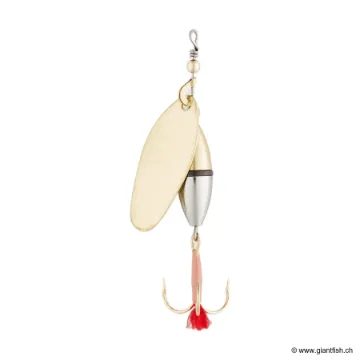
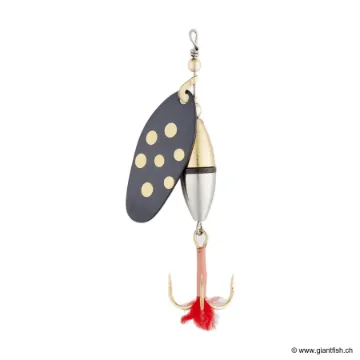
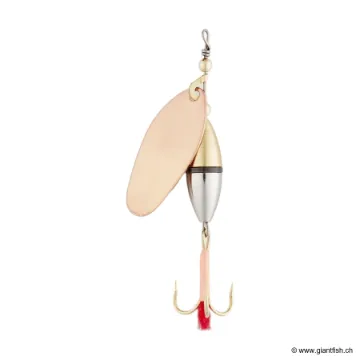
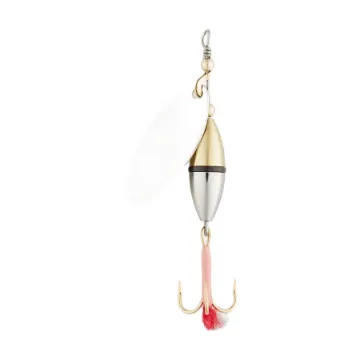
Spinner Lure MYRAN Agat Flex - 10 g
Spinner lure designed for clear water, with copper/silver reflections and smoothly rotating blades. Ideal for lakes, streams, or rivers to trigger wary fish with fine vibrations and a steady swimming action.
6.70 (CHF) incl tax
Getting ready for predator fishing
The Predator category brings together all the tackle dedicated to chasing freshwater predators such as pike, zander, perch and catfish. Whether you are just starting out in predator fishing or looking to fine-tune your rigs, choosing the right gear is essential to fish efficiently and with confidence.
Before each trip, think about the body of water, depth and target species. These factors determine rod power, reel type, line strength and which family of lures you should favor.
Choosing rods, reels and lines
A predator rod must offer a good balance between sensitivity and power reserves. For bank fishing with lures, anglers often prefer fast-action rods from 6'11" to 8'10" (2.10 m to 2.70 m), able to cast accurately and set the hook firmly. On a boat or float tube, shorter models improve maneuverability.
The reel has to be strong and smooth, with a reliable drag. Match its size to the techniques used and the average size of the fish you are targeting. For the main line, braid is widely used in predator fishing thanks to its sensitivity and low stretch, combined with a fluorocarbon or wire leader to withstand the teeth of predatory fish.
Must-have lures for predators
Lures are at the heart of predator fishing. A varied selection lets you adapt quickly to changing conditions:
- Soft lures: shads, finesse baits, creature baits, perfect for pike, zander and perch when fished in a straight retrieve, vertically or with pulling techniques.
- Hard baits: minnows, jerkbaits, crankbaits to cover different water layers and trigger reaction bites.
- Spinnerbaits and chatterbaits: very effective in colored or snaggy water, where their vibrations help fish locate the lure.
- Spoons and blades: reliable options to cover water quickly and target active fish.
Vary size, color and vibration according to water clarity, light conditions and fish activity.
Techniques and approaches through the seasons
Predator fishing can be practiced all year round, but approaches change with the seasons. In cold periods, slow presentations close to the bottom with soft lures or subtle hard baits often give the best results. In spring and summer, fish are more mobile: do not hesitate to speed up your retrieves, fish higher in the water column and try louder or more aggressive lures.
Also adapt the areas you cover: shorelines, weed beds and shallow zones in warm water, deeper holes, drop-offs and structures when predators hold off the bank.
Practical accessories and organization
Beyond rods and lures, a few accessories make predator fishing and fish handling easier: long-nose pliers, suitable landing nets, ready-made leaders, split rings, strong snaps. A good lure box, pouches for jig heads and clear storage will save you time on the bank or in the boat.
Think about comfort and safety as well: clothing suited to the conditions, polarized sunglasses to read the water better, and a few tools to maintain and adjust your rigs.
Predator Fishing FAQ
What combo should I choose to start predator fishing? To begin, a versatile medium-power spinning combo, a reasonably thin braided line and a small selection of soft lures and hard baits will cover most situations.
What lure size should I use for pike, zander and perch? For pike, anglers often use larger, bulkier lures; for zander, medium sizes that match natural prey; and for perch, more compact, discreet profiles.
Do I always need a wire leader for predator fishing? Not always. A wire leader is recommended for pike, while a more discreet fluorocarbon leader is often preferred for zander and perch, with the diameter adjusted to the risk of bite-offs.
How can I vary the action of my predator lures? Alternate retrieve speeds, add pauses, use shorter or longer pulls and change depth. Testing different actions in the same area often helps trigger additional bites.
Payment options


