




















Cookies help us deliver our services. By using our services, you agree to our use of cookies.
Search
[CHF] Swiss Franc
English
- Fishing license
- New Products
- Predator
- Trout
- Fly Fishing
- Carp
- Catfish
- Pole Fishing
- Sea Fishing
-
Clothing
- Fishing jackets
- Hoodies, fleeces & sweaters
- Fishing T-shirts, Polos, and Shirts
- Fishing Pants, Bibs, and Shorts
- Fishing vests and chest packs
- Waders and Hip Boots
- Boots, Shoes & Sandals
- Polarized sunglasses & Accessories
- Caps, Visors & Hats
- Beanies, Neck gaiters & Gloves
- Thermal underwear & Socks
- UV-blocking Clothing and Sun protection accessories
- Various
- Navigation
- Hunting
- Decor & Gifts
- Brands
Filter
Filter by price
Filter by manufacturer
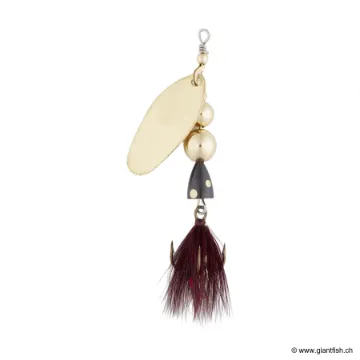

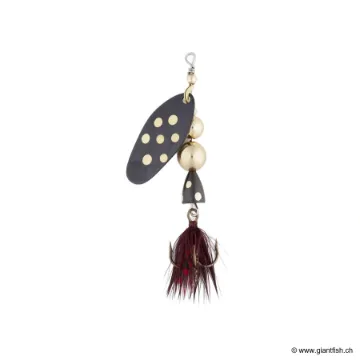
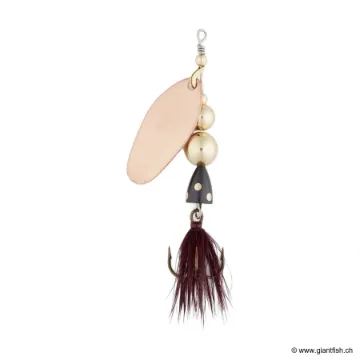
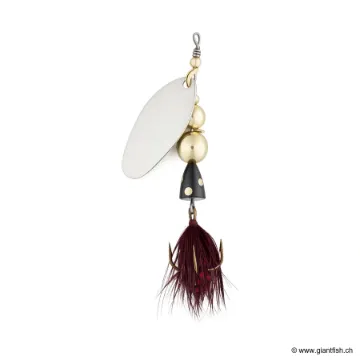
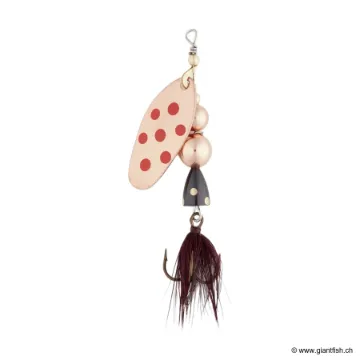
MYRAN Mira Spinning Lure - 7 g
7 g spinning lure with an instantly rotating blade, designed for a steady action as soon as it hits the water. Ideal for fishing from the bank or by boat, with a free-moving hook and stable casting.
6.70 (CHF) incl tax
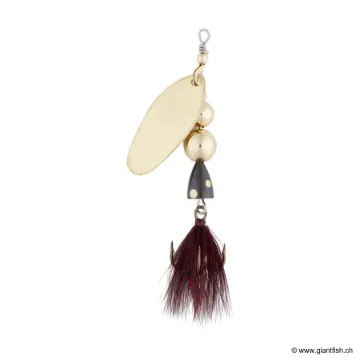
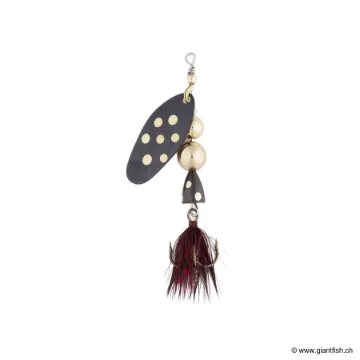
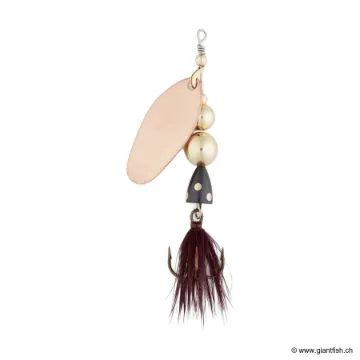
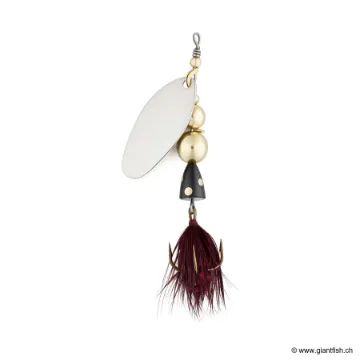
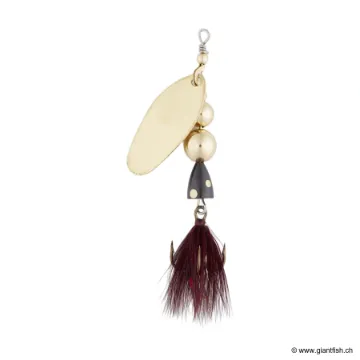
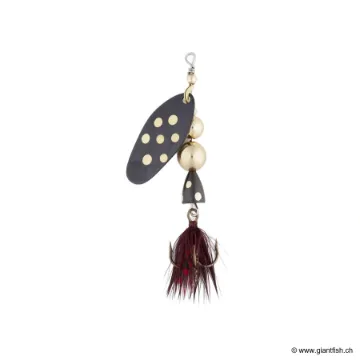
MYRAN Mira Spinning Lure - 5 g
5 g spinning lure with an insect-style profile, featuring a blade that starts working the moment it hits the water. Ideal for cast-and-retrieve fishing to quickly cover water, with excellent casting distance and a free-moving hook to better follow strikes.
6.70 (CHF) incl tax
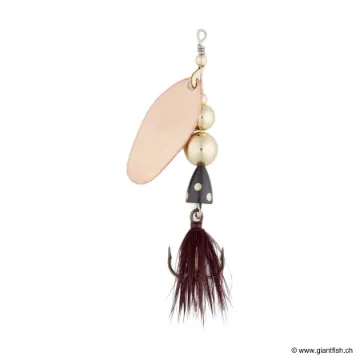
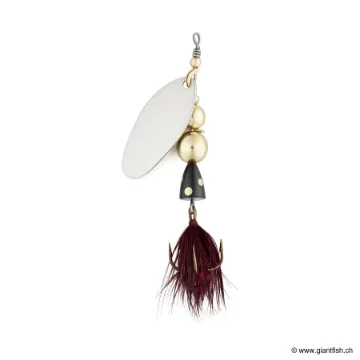
MYRAN Mira Spinning Spoon - 4 g
4 g spinning spoon designed for casting and retrieving. Immediate blade rotation, vibrations and flashes on impact, with a mobile hook for greater freedom during the fight.
5.85 (CHF) incl tax
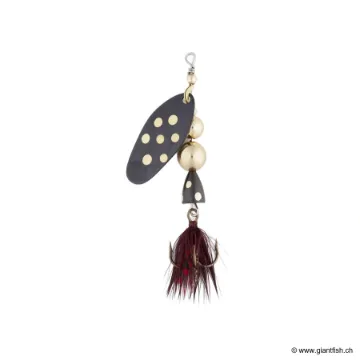
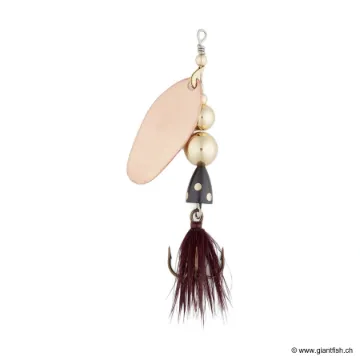
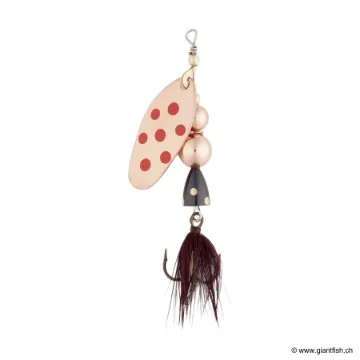
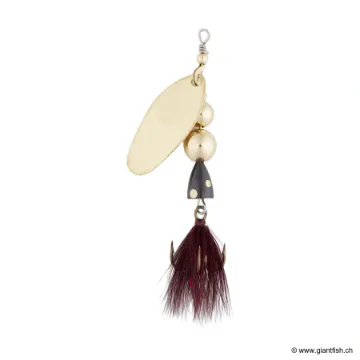
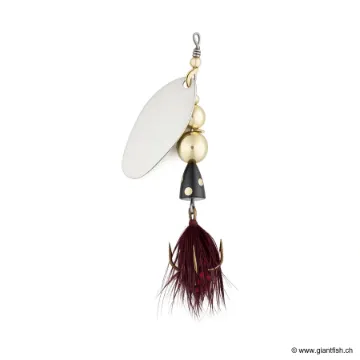
MYRAN Mira Spinning Spoon - 2 g
2 g spinning spoon with an insect-style body and an instant-start blade for vibrations and flash as soon as it hits the water. Casts cleanly and works with a steady retrieve in rivers, streams, or still waters.
5.85 (CHF) incl tax
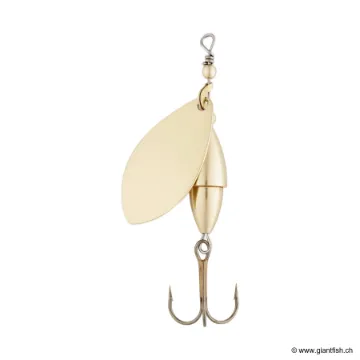
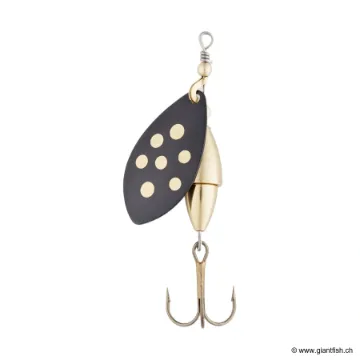
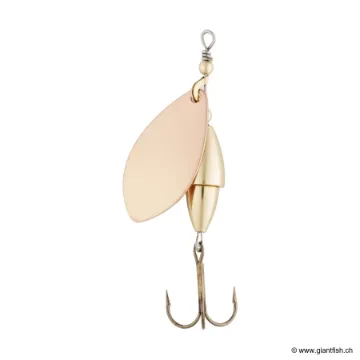
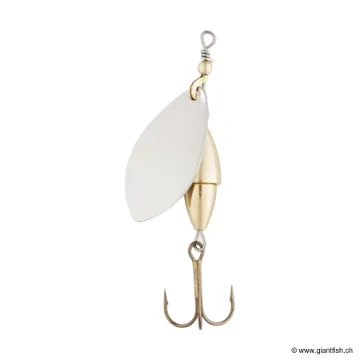
MYRAN Akka Spinning Spoon - 10 g
10 g spinning spoon designed for cast and retrieve fishing: easy to cast, it spins consistently and produces useful vibrations for covering both rivers and lakes.
5.85 (CHF) incl tax
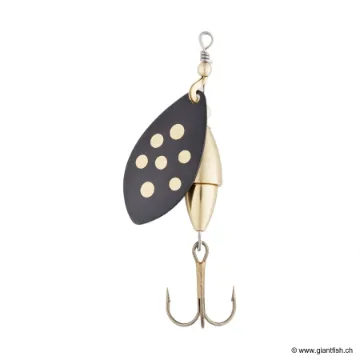
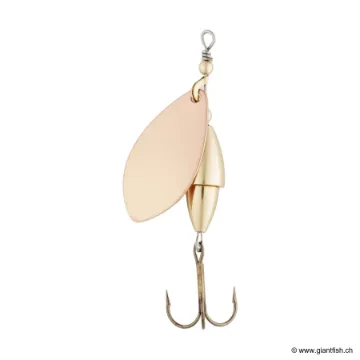
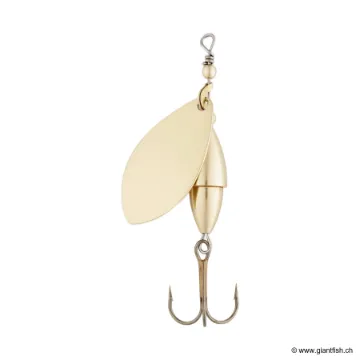
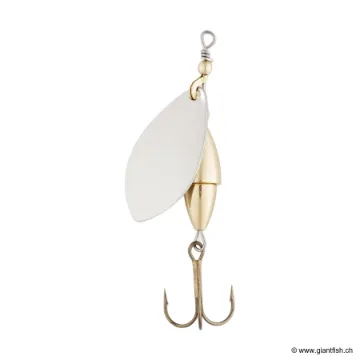
MYRAN Akka Spinner - 7 g
An easy-to-use spinner designed for fast prospecting in freshwater. Quick start-up, attractive vibrations and flash, effective in rivers, lakes, and ponds.
5.85 (CHF) incl tax
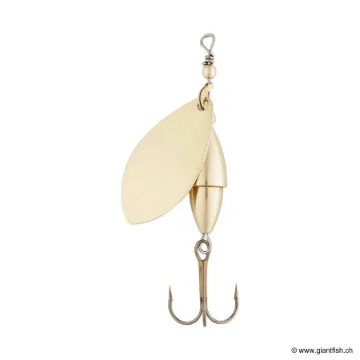
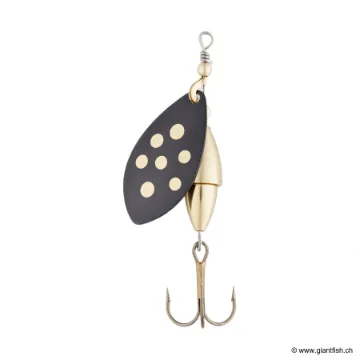
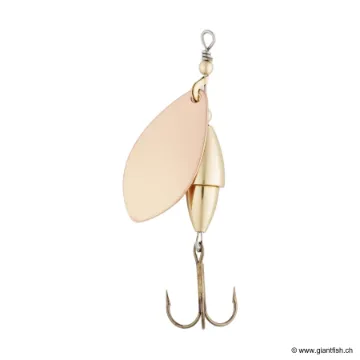
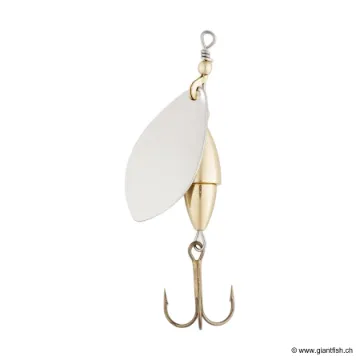
Myran Akka Spinner - 5 g
Simple and reliable spinner, designed to quickly search freshwater areas. Easy to cast and effective from the moment you start retrieving, it lets you vary retrieve speeds and add micro-pauses to trigger strikes.
5.85 (CHF) incl tax
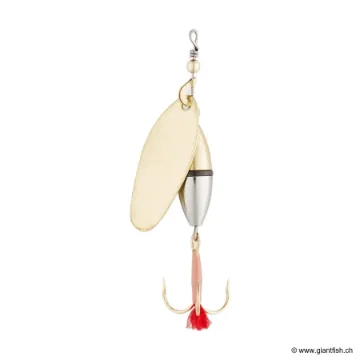
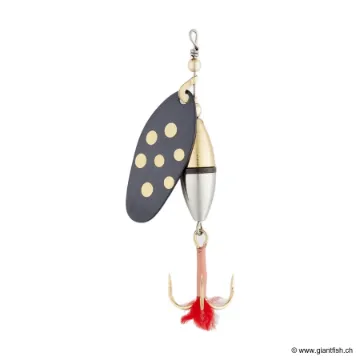
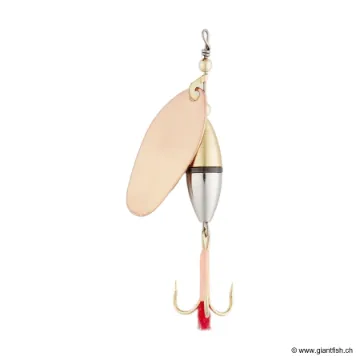
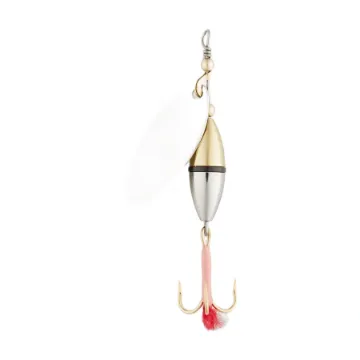
MYRAN Agat Spinner - 15 g
Spinner designed for clear water, with copper/silver finishes and matching blades for natural reflections. Ideal for covering mountain lakes, streams, and rivers with a steady, subtle retrieve.
7.15 (CHF) incl tax
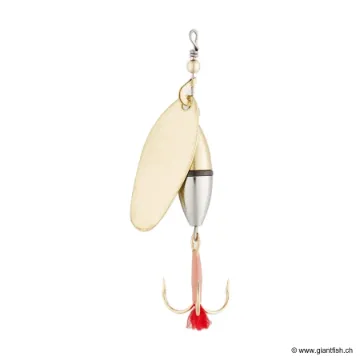
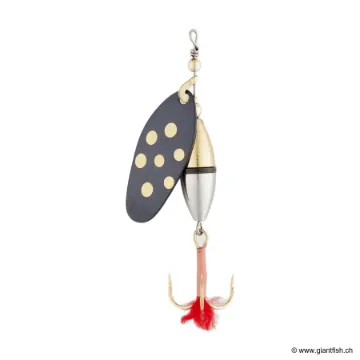
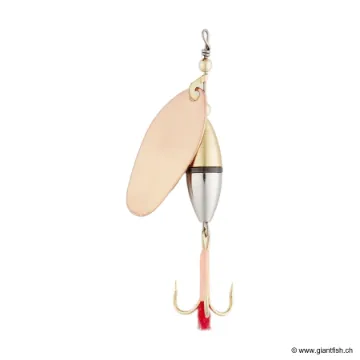
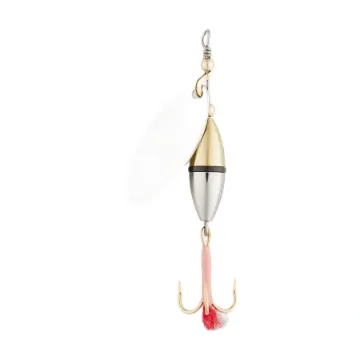
MYRAN Agat Spinning Spoon - 10 g
Discreet spinning spoon for clear water, designed to trigger cautious fish. Its copper/silver reflections and moderate vibrations make it ideal for mountain lakes, streams, and crystal-clear rivers.
6.70 (CHF) incl tax
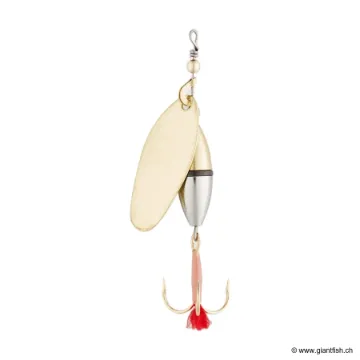
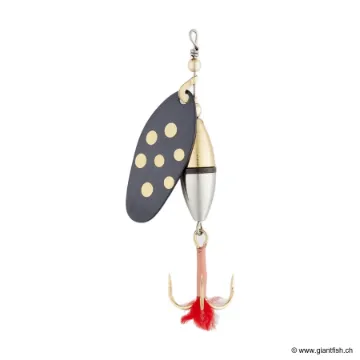
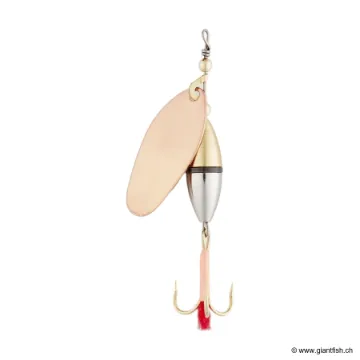
MYRAN Agat Spinner - 7 g
Spinner lure designed for clear water and wary fish. Its copper/silver reflections stay natural and subtle, ideal for mountain lakes, streams, and rivers.
5.85 (CHF) incl tax
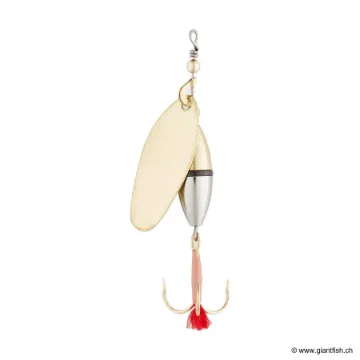
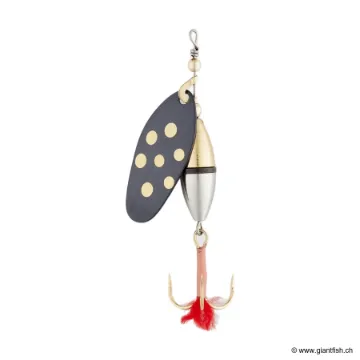
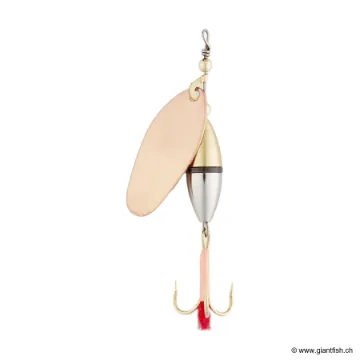
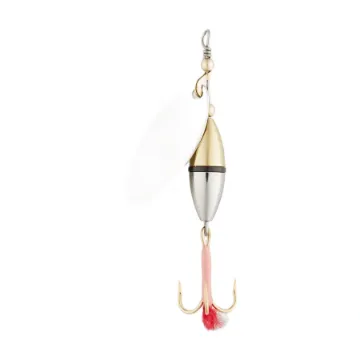
MYRAN Agat Spinner - 5 g
The Myran AGAT spinner is a fishing lure designed to trigger strikes with flash and vibration, ideal for efficiently covering rivers and lakes with a simple, steady retrieve.
5.85 (CHF) incl tax
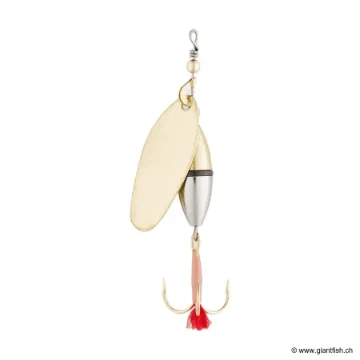
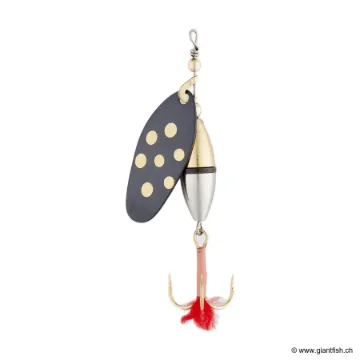
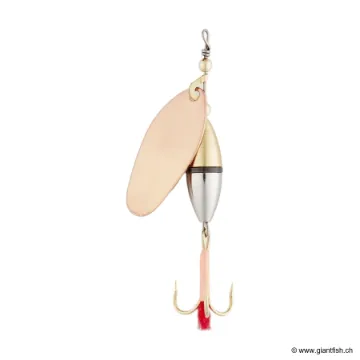
MYRAN Agat Spinning Spoon - 3 g
3 g spinning spoon designed for very clear water and wary fish. Its copper-and-silver finish and matching blades create a subtle signal, ideal for mountain lakes, streams, and shallow rivers.
5.85 (CHF) incl tax
Payment options


