



















Cookies help us deliver our services. By using our services, you agree to our use of cookies.
Search
[CHF] Swiss Franc
English
- Fishing license
- New Products
- Predator
- Trout
- Fly Fishing
- Carp
- Catfish
- Pole Fishing
- Sea Fishing
-
Clothing
- Fishing jackets
- Hoodies, fleeces & sweaters
- Fishing T-shirts, Polos, and Shirts
- Fishing Pants, Bibs, and Shorts
- Fishing vests and chest packs
- Waders and Hip Boots
- Boots, Shoes & Sandals
- Polarized sunglasses & Accessories
- Caps, Visors & Hats
- Beanies, Neck gaiters & Gloves
- Thermal underwear & Socks
- UV-blocking Clothing and Sun protection accessories
- Various
- Navigation
- Hunting
- Decor & Gifts
- Brands
Filter
Filter by price
Filter by manufacturer
Lures
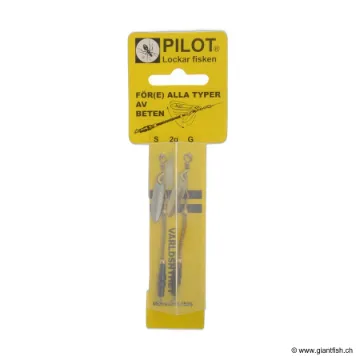

MYRAN Pilot Teaser
The MYRAN Pilot Teaser is a fishing teaser designed to add an extra point of attraction to your rig and trigger more decisive strikes, in both freshwater and saltwater.
5.85 (CHF) incl tax
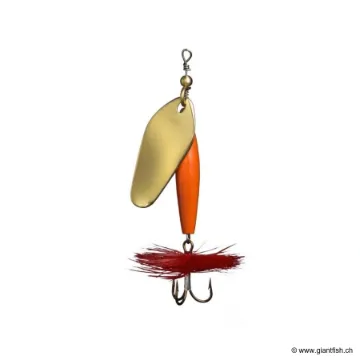
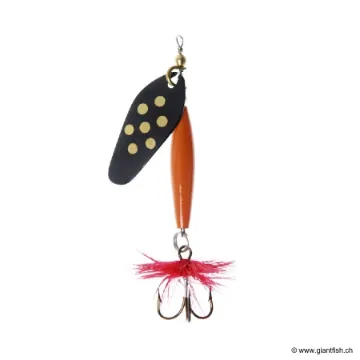
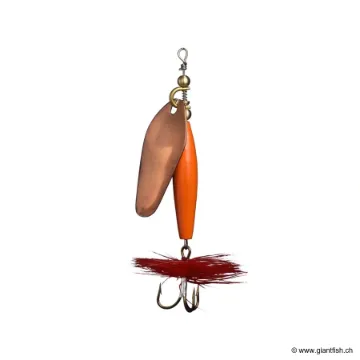
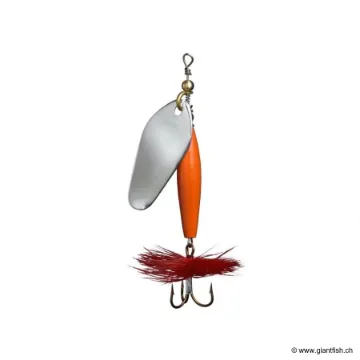
Spinning Spoon MYRAN Myrspinnare - 18 g
Spinning spoon with interchangeable blade, designed to quickly adjust vibrations and flash according to conditions. Ideal for exploring freshwater, in rivers and stillwaters, for predatory fish.
7.45 (CHF) incl tax
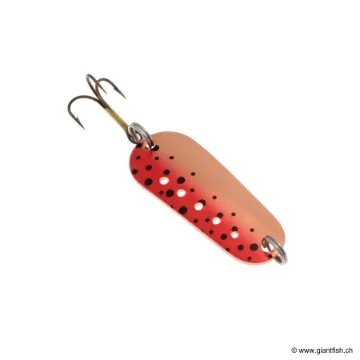
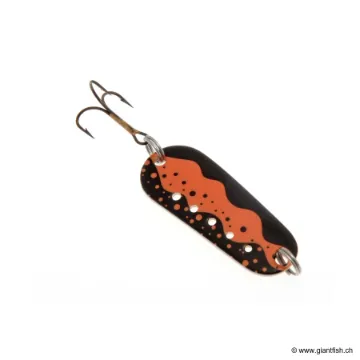
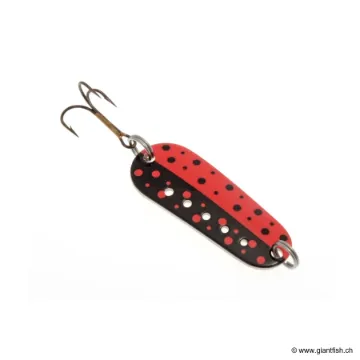
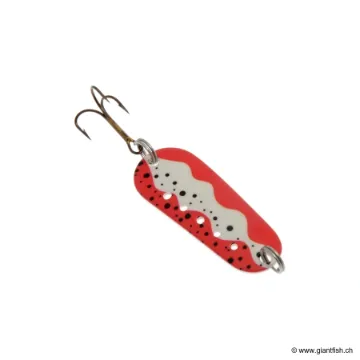
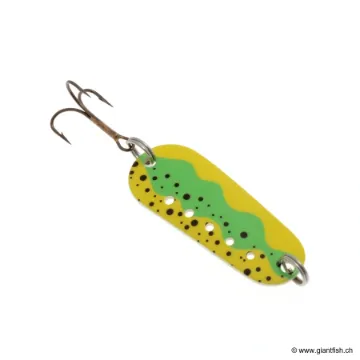
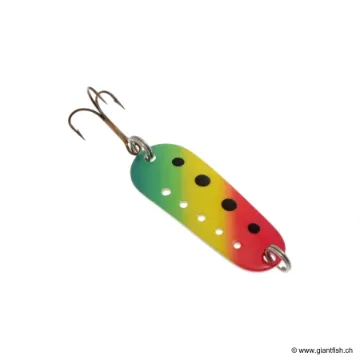
MYRAN Duri Spoon Oscillating Spoon
Perforated oscillating spoon lure designed for freshwater casting. Its lively, irregular swimming action, enhanced by vibrations and a subtle acoustic signal, helps trigger strikes from predatory fish and salmonids.
6.70 (CHF) incl tax
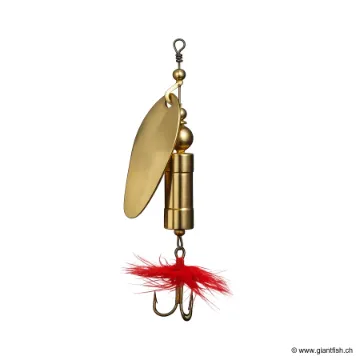
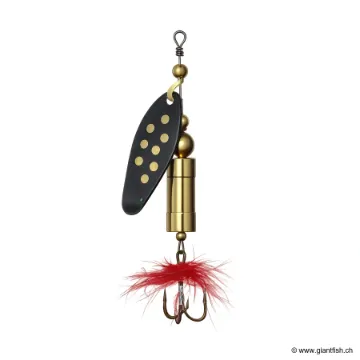
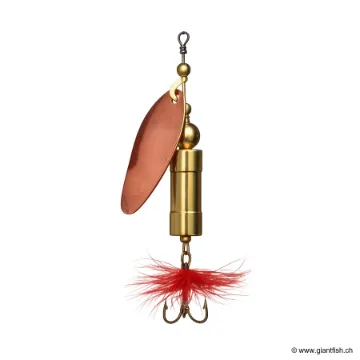
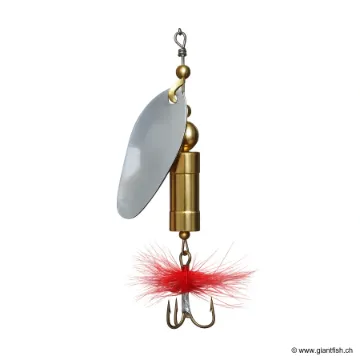
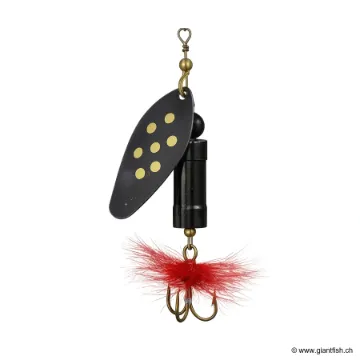
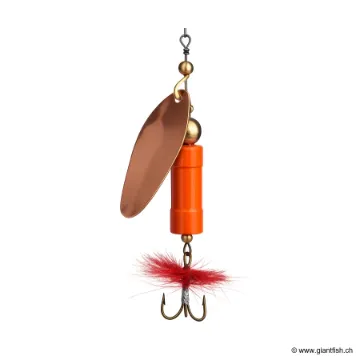
Myran Tuna-Lax Spinner Spoon - 30 g
Spinning spoon designed for salmon fishing in rivers, especially suited to stronger currents and higher water levels. Its compact, heavy profile promotes fast sinking, excellent holding power in the current, and easy casting.
7.45 (CHF) incl tax
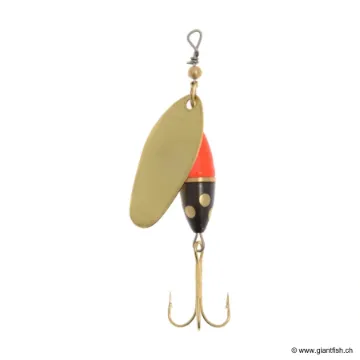
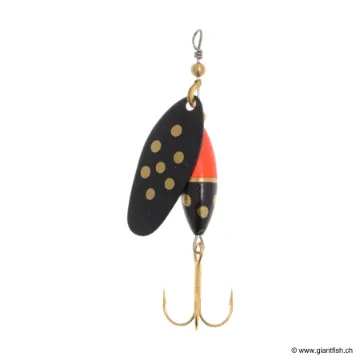
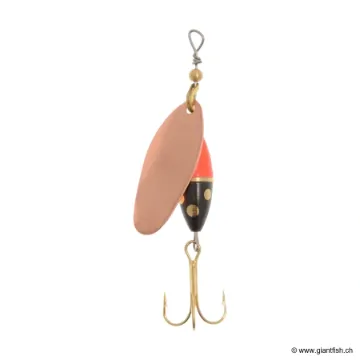
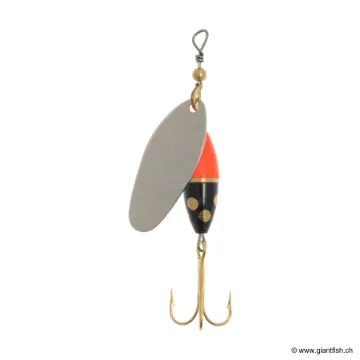
MYRAN Panter Spinner HOT - 20 g
Spinner lure designed for predatory fish, with smooth rotation and a compact body for accurate casts. Effective in rivers, lakes, and coastal areas, with both slow and fast retrieves.
6.70 (CHF) incl tax
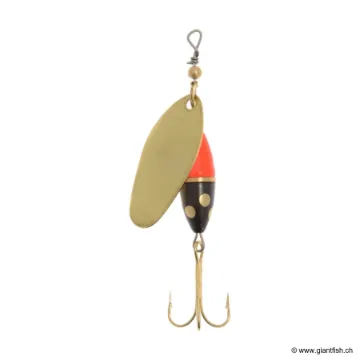
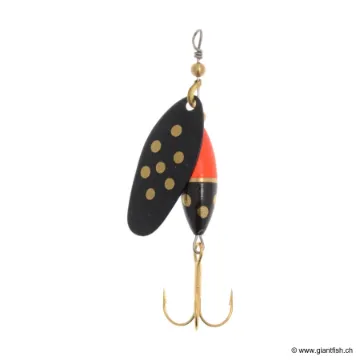
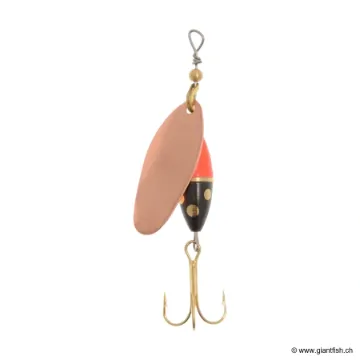
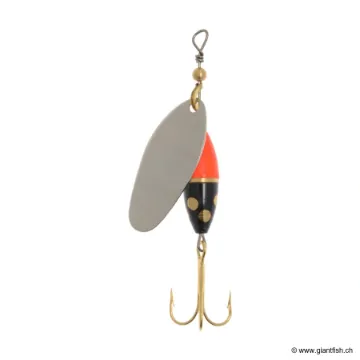
MYRAN Panter HOT Rotating Spoon - 15 g
Compact rotating spoon with a regular blade, designed for predatory fish such as pike. Stable on slow or fast retrieves, it casts accurately and can be used in rivers, lakes, or coastal areas.
6.70 (CHF) incl tax
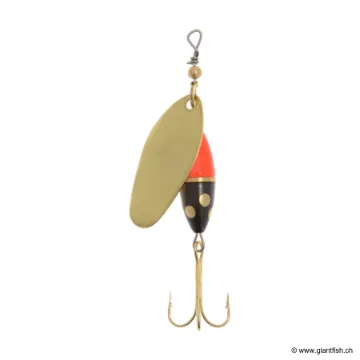
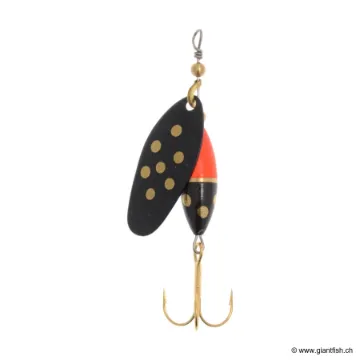
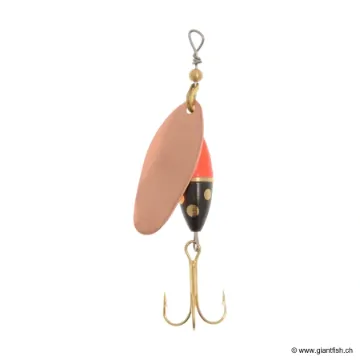
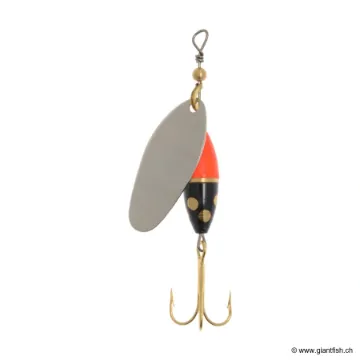
MYRAN Panter HOT Spinner - 10 g
Spinner for predator fishing, featuring a blade with smooth, consistent rotation that starts easily. Its compact body makes casting easier and allows effective coverage in rivers, lakes, or coastal areas, with slow or fast retrieves.
6.35 (CHF) incl tax
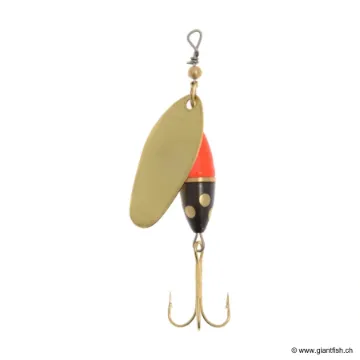
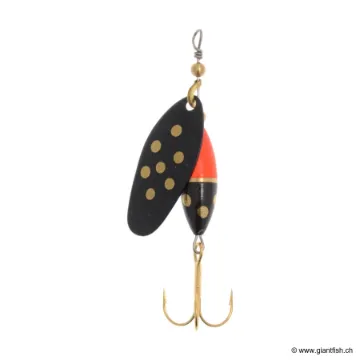
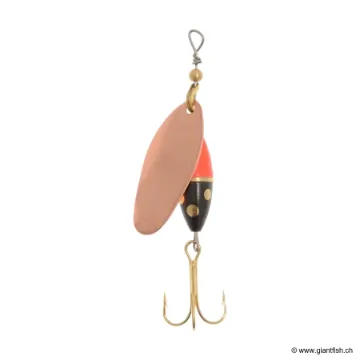
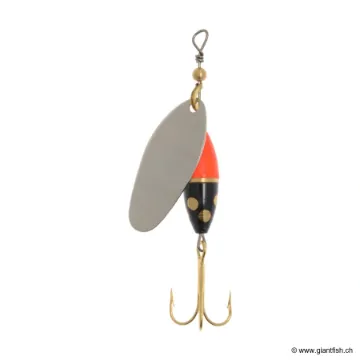
MYRAN Panter Spinning Spoon HOT - 7 g
Compact Swedish spinner with a rotating blade, designed for predator fishing. Smooth rotation at different retrieve speeds for effective coverage in rivers, lakes, or along the coast.
5.85 (CHF) incl tax
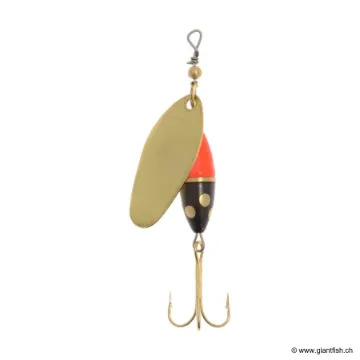
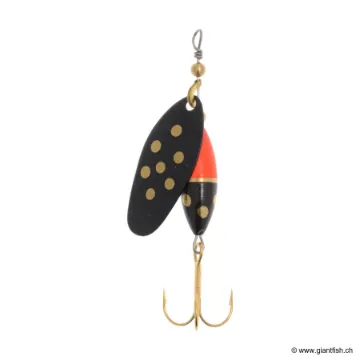
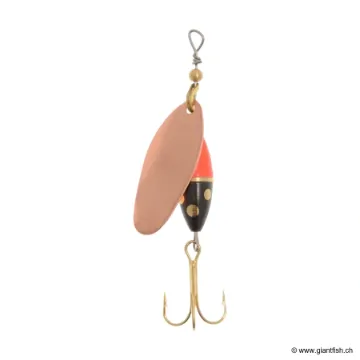
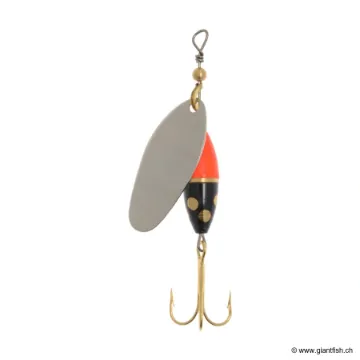
MYRAN Panter HOT Spinning Spoon - 5 g
Robust Swedish spinner with a compact body, designed to trigger predatory fish with a blade that spins at a steady pace. Ideal for covering rivers, lakes, and coastal areas, with both slow and fast retrieves.
5.85 (CHF) incl tax
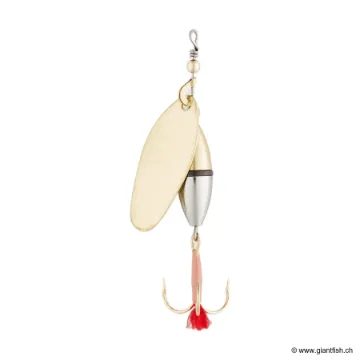
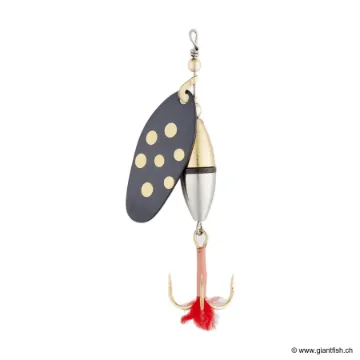
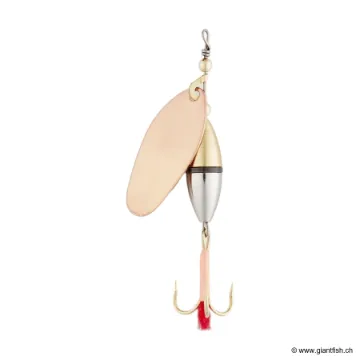
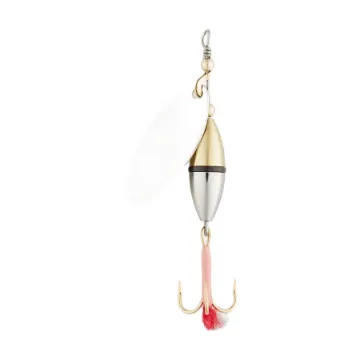
Spinner Lure MYRAN Agat Flex - 10 g
Spinner lure designed for clear water, with copper/silver reflections and smoothly rotating blades. Ideal for lakes, streams, or rivers to trigger wary fish with fine vibrations and a steady swimming action.
6.70 (CHF) incl tax
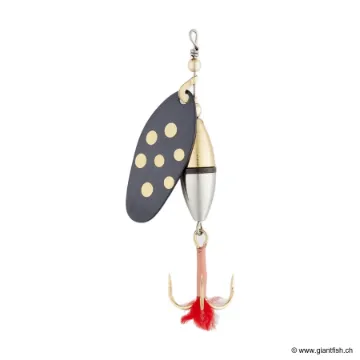
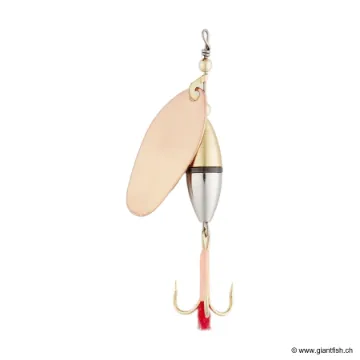
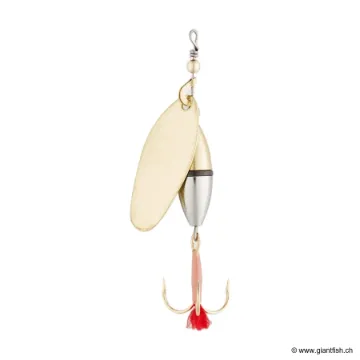
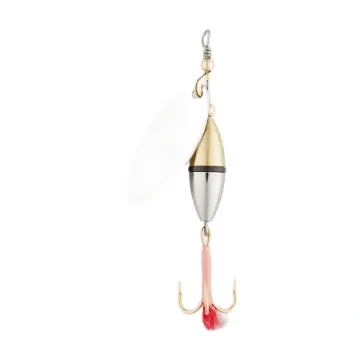
MYRAN Agat Flex Spinning Spoon - 7 g
Spinning spoon designed for fishing in clear water, ideal when fish are wary. Its copper/silver reflections and steady rotation make for discreet coverage in streams and mountain lakes.
5.85 (CHF) incl tax
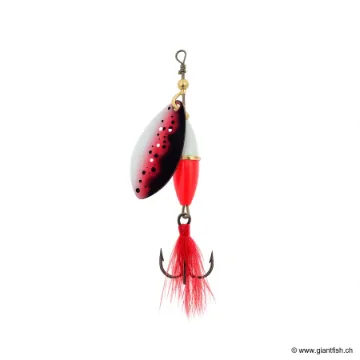
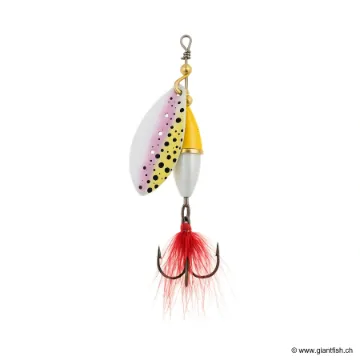
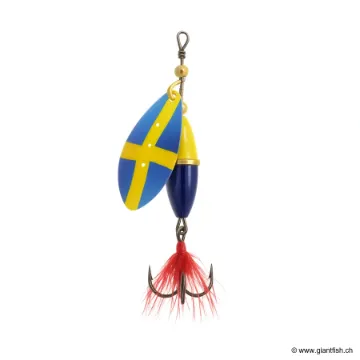
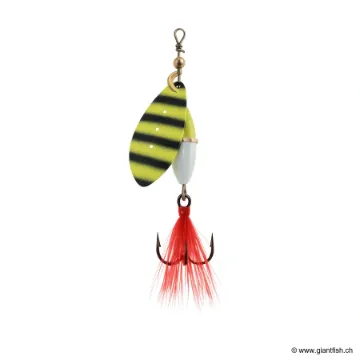
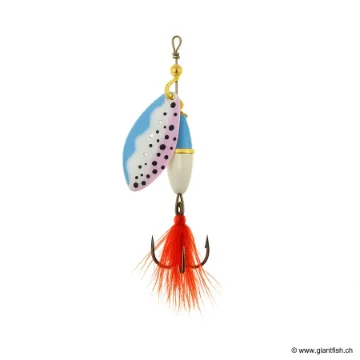
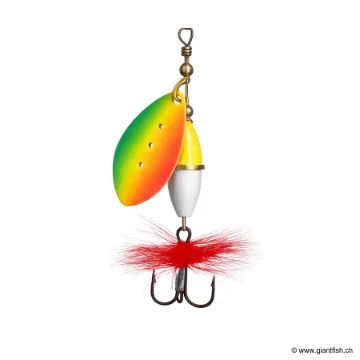
Myran Wipp Special Spinner - 15 g
The Myran Wipp Special is a spinning spoon for casting and retrieving. Its blade starts rotating as soon as it hits the water, while its two-tone body stays stable during the retrieve.
6.70 (CHF) incl tax
Lures are at the heart of modern predator fishing. When chosen well, they trigger strikes from pike, perch, zander and other predatory fish, even on heavily pressured waters. This category brings together a wide range of models to cover all depths, retrieve speeds and fishing conditions.
How to choose predator lures
To select the right lure, it’s essential to consider the target depth, water clarity, fish activity and the tackle you use (spinning or casting). As a general rule, subtle, natural presentations work best in clear water, while stronger visual and vibration cues stand out better in colored water or low light.
Lure size also depends on the species you target and the season. Compact lures are often very effective for perch or in cold conditions, while larger profiles work well for pike or when fish are actively feeding.
Main lure types and how to use them
- Hardbaits (crankbaits, jerkbaits, minnows): ideal for working different layers of the water column, from subsurface down to deeper areas, with steady retrieves or stop-and-go actions.
- Soft lures: highly versatile, rigged on jig heads, Texas rigs or Carolina rigs, they excel on straight retrieves, vertical presentations or dragging and hopping close to the bottom.
- Spinners and spinnerbaits: perfect for quickly covering large areas; their strong vibrations draw predators in from a distance, even in murky water.
- Jigs and micro jigs: effective for fishing deeper water, along drop-offs, bridge pilings or structure, especially for zander and big perch.
Ideally, you should combine several lure families in your box so you can quickly adapt if the fish refuse a particular action or profile.
Matching your lures to seasons and conditions
The season has a major influence on success with artificial lures. In cold water, predators are often warier and more selective, whereas in peak season they may aggressively chase faster, more erratic presentations.
- Spring: favor medium-sized lures in natural colors, worked slowly along the banks and in shallow areas.
- Summer: use reaction baits (spinnerbaits, crankbaits, stickbaits) to trigger strikes from active fish, especially early and late in the day.
- Fall: a key period to target bigger fish with slightly larger lures that can imitate schooling baitfish.
- Cold periods: rely on soft lures, slow presentations close to the bottom and minimalist actions to convince sluggish fish.
Effective techniques with your lures
Each lure shows its full potential with the right retrieve. Varying speed, pauses and changes of direction often makes the difference on pressured predators.
- Straight retrieve: a steady retrieve is ideal with shads, crankbaits and inline spinners to cover water from just under the surface down to the bottom.
- Lifting and dropping: an alternation of pulls and controlled drops is very effective with soft lures along slopes and drop-offs.
- Vertical fishing: a precise presentation of a soft lure or jig directly under the boat or float tube to target fish holding tight to the bottom.
- Reaction fishing: fast, aggressive retrieves with jerkbaits, lipless crankbaits and spinnerbaits to trigger reflex strikes from active predators.
Lure FAQ
Which type of lure should I choose to start predator fishing? To begin, a simple selection of hardbaits, shads on jig heads and one or two spinners lets you cover most situations and depths.
Should I prioritize natural or bright colors? In clear water and bright conditions, natural and translucent colors are often more discreet. In stained water, overcast weather or at first light, brighter or higher-contrast colors can improve the lure’s visibility.
What lure size should I use for pike and perch? For pike, lures of about 4 to 7 inches are commonly used, and sometimes larger depending on fishing pressure. For perch, sizes around 1.5 to 3 inches are generally very effective, especially with finesse presentations.
Payment options


