

























Cookies help us deliver our services. By using our services, you agree to our use of cookies.
Filter
Filter by price
Filter by manufacturer
Hooks
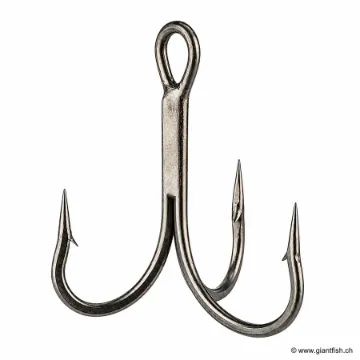
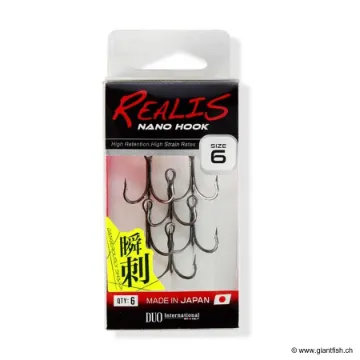
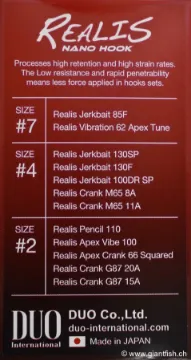
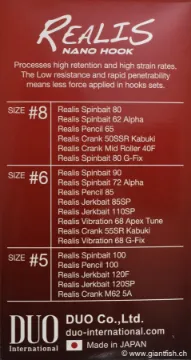
DUO Realis Nano Hook Triple Hook
Replacement DUO treble hooks designed to restore reliable hook-up performance to your Realis hard lures.
8.30 (CHF) incl tax
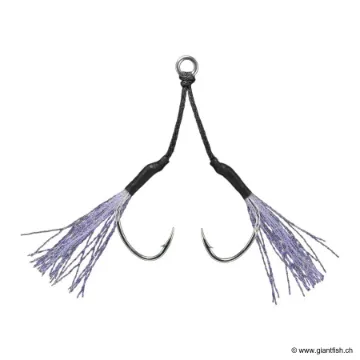
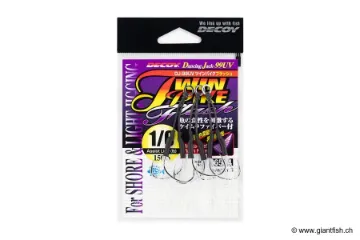
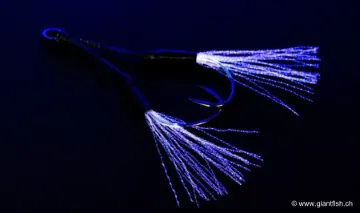
DECOY DJ-99 UV Twin Pike Flash Assist Hook
Double UV assist hook for sea and freshwater jigging: keimura flash fibers, reinforced cord, reliable hooksets.
9.25 (CHF) incl tax
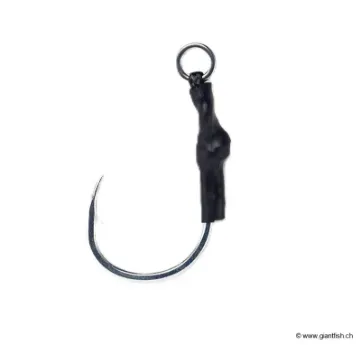
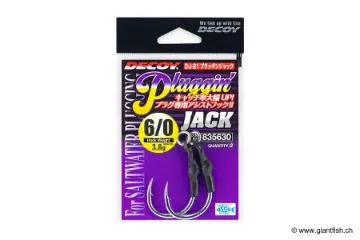
DECOY DJ-21 Pluggin Jack Assist Hook
DECOY assist hook for rigging or replacing the treble hooks on hard lures: easy split ring mounting, excellent hook point alignment, reliable hold during the fight, and corrosion resistance, ideal for both saltwater and freshwater sport fishing.
10.15 (CHF) incl tax
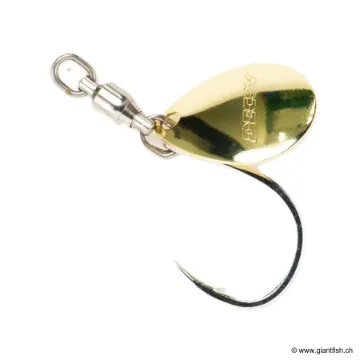
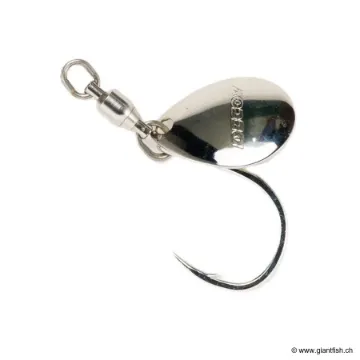
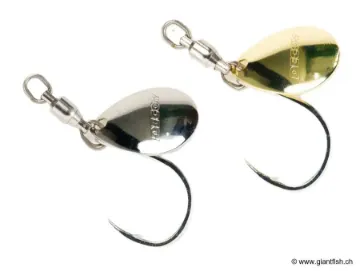
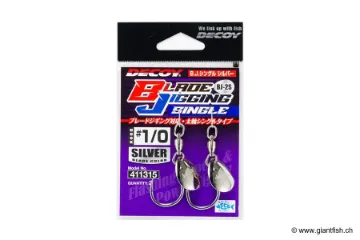
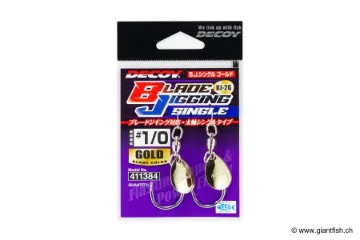
DECOY BJ-2 Blade Jigging Single Assist Hook
DECOY BJ-2S Blade Jigging Single assist hook with a Colorado-style blade on a rolling swivel, designed to boost vibrations and improve jigging efficiency while reducing missed strikes and tangles.
9.25 (CHF) incl tax
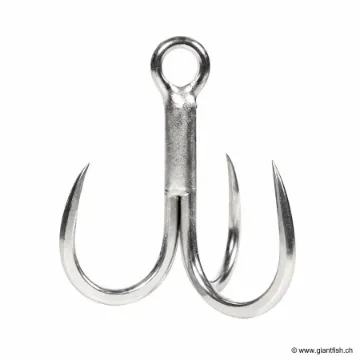
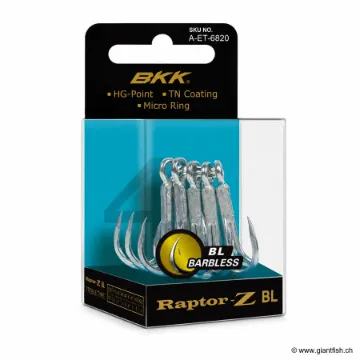
BKK Raptor-Z BL Treble Hook
Heavy-duty BKK barbless treble hook with an inward point and micro ring for fast penetration and safer catch and release.
11.35 (CHF) incl tax
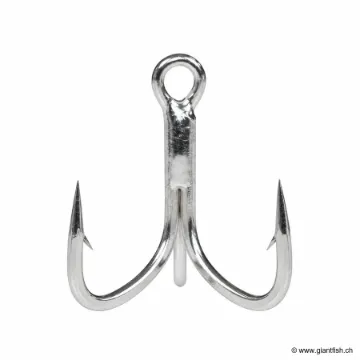
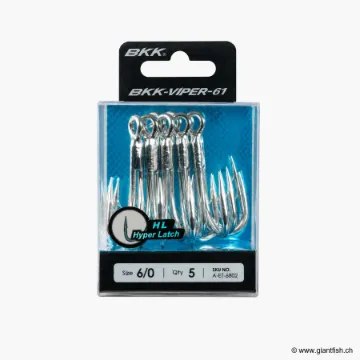
BKK Viper-61 Treble Hook
Ultra-strong 6X treble hook for fast-moving lures, saltwater and freshwater fishing.
13.45 (CHF) incl tax
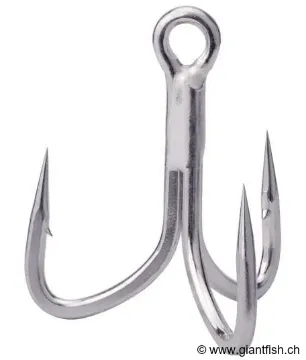
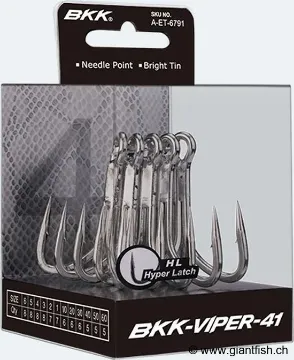
Triple Hook BKK Viper-41
Reinforced BKK Viper-41 treble hook: long straight needle point, aggressive bend, and Bright Tin coating for lure fishing in freshwater and saltwater.
9.25 (CHF) incl tax
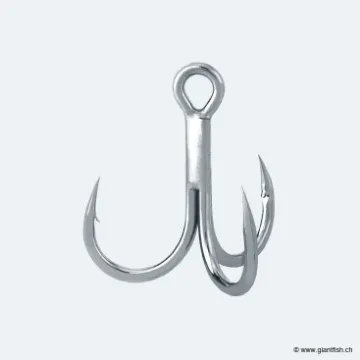
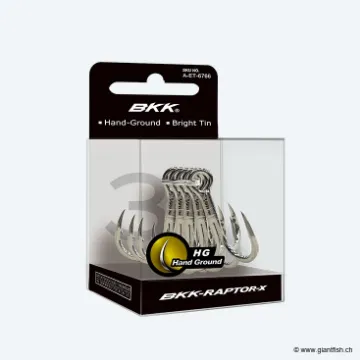
BKK Raptor-X Treble Hook
3X treble hook designed for rigging lures with excellent holding power, an optimized point to improve hook-up rates, a finer wire profile, and a Bright-Tin coating built for corrosion resistance in saltwater.
10.10 (CHF) incl tax
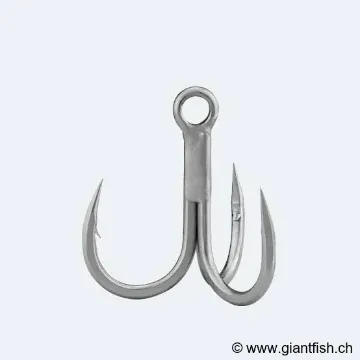
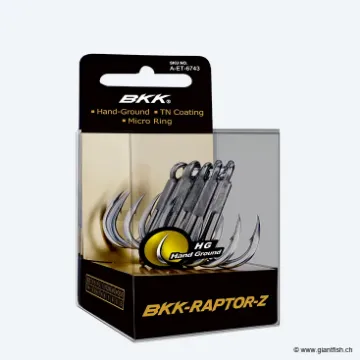
BKK Raptor-Z Treble Hook
BKK Raptor-Z treble hook designed for big predator fishing, with a sharp point and anti-corrosion coating for reliable holding power during the fight.
11.35 (CHF) incl tax
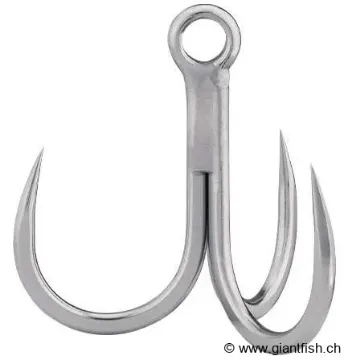
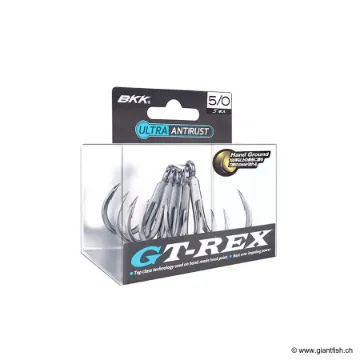
Triple Hook BKK GT-REX BL
Premium barbless treble hook designed for saltwater sport fishing, ideal for popping and powerful fights. Sharpened point, heat-treated BKK-81WV steel, and Ultra-Antirust coating for excellent saltwater corrosion resistance and more fish-friendly release.
33.65 (CHF) incl tax
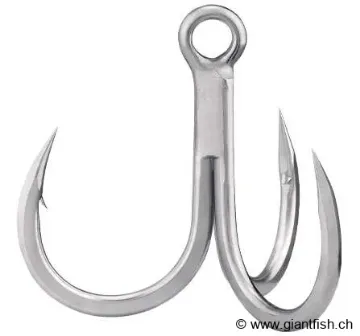
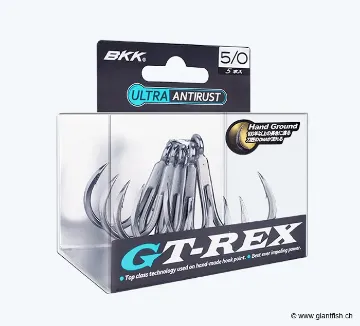
Triple Hook BKK GT-REX
Premium BKK GT-REX treble hook designed for saltwater popping: maximum strength, excellent penetration, and high corrosion resistance to handle big fish (GT, tuna).
33.65 (CHF) incl tax
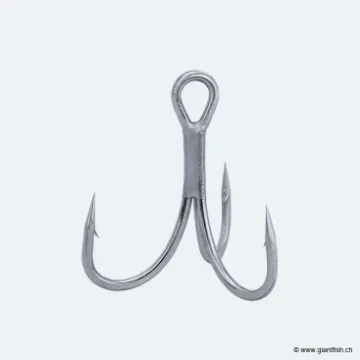
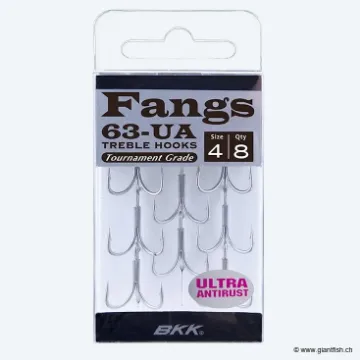
BKK Fangs-63 UA Treble Hook
Versatile BKK treble hook designed for robust rigs: 3X wire, Ultra-Antirust coating, needle point, and O’Shaughnessy bend. Ideal for demanding freshwater and saltwater fishing when holding power and reliability matter most.
10.90 (CHF) incl tax
Saltwater fishing hooks are at the heart of every rig. They have to withstand salt, the power of marine fish and repeated casting. At GiantFish, you’ll find models suited to different techniques, seasons and species, whether you fish from shore or by boat.
Choosing saltwater hooks for your target species
Your hook choice starts with the size and behavior of the fish you’re targeting. For wary species or very clear water, choose fine-wire hooks that are discreet yet still strong. For more powerful fish or snaggy areas, heavy-wire models are essential to avoid hooks bending open during the fight.
Also match the hook size to the type of bait you use: marine worms, fish strips, squid or small soft plastics. A well-presented bait, neither crushed nor too loose, greatly increases the efficiency of your rig, whether it’s spring, summer or fall, as feeding activity changes.
Shapes, sizes and types of saltwater hooks
- J-shaped hooks: versatile, ideal for simple rigs, snoods and standard leaders.
- Circle hooks: designed to hook fish in the corner of the mouth, very useful for static bottom fishing and bait fishing on a tight line.
- Treble hooks: perfect for arming hard lures, jigs and spoons, provided you control the size so you don’t affect the action.
- Hooks for specific rigs: long-shank models for worms, spade-end hooks, or straight-eye hooks for technical knots.
Always adjust the hook size to the size of the bait: the bulkier the bait, the larger the hook should be, while keeping the point well exposed.
Materials, coatings and corrosion resistance
In saltwater, corrosion is a constant enemy. Hooks are treated with special coatings: tinned, nickel, black finishes or stainless steel to better resist salt. A precise, razor-sharp point is crucial: check the point regularly on your fingernail or a piece of hard plastic and replace any hook that feels dull.
A quality hook must combine long-lasting sharpness, a strong bend and enough flexibility to absorb powerful runs without breaking. Sorting your hook box regularly helps avoid bad surprises when you finally connect with a big fish.
Saltwater techniques: matching hooks to your rigs
- Surfcasting and shore fishing: strong, very sharp hooks, mounted on snoods to present worms or shellfish in the surf.
- Boat fishing: heavy-wire models for drift rigs, vertical fishing or multi-hook leaders.
- Lure fishing: single or treble hooks on crankbaits, jigs and soft lures, adapted to the season and fish activity.
In winter, or when fish are very finicky, favor smaller, finer hooks. During peak activity, sturdier models will help you make the most of hard hits and powerful runs.
Care, storage and safety
After each trip, rinse your hooks in fresh water and let them dry before storing. Use compartmented boxes to separate sizes and models; this will save you time at the water’s edge. Always handle hooks carefully, especially trebles, to avoid injuries when tying rigs or unhooking fish.
Saltwater hooks FAQ
Which type of hook should I use for natural baits in saltwater?
For worms and delicate baits, choose a fine-wire, longer-shank hook. For fish strips or squid, go for a heavier-wire model with a wide bend that holds the bait securely.
What hook size should I start with for shore fishing?
Medium sizes are a good compromise to target different species. Then adjust to smaller or larger hooks depending on your catches and the volume of your baits.
Do I need to replace my saltwater hooks often?
Yes, as soon as the point is dull, the bend is deformed or corrosion appears. Hooks in perfect condition greatly improve hook-up quality and safety during the fight.