

























Cookies help us deliver our services. By using our services, you agree to our use of cookies.
Search

[CHF] Swiss Franc
English
- Fishing license
- New Products
- Predator
- Trout
- Fly Fishing
- Carp
- Catfish
- Pole Fishing
- Sea Fishing
-
Clothing
- Fishing jackets
- Hoodies, fleeces & sweaters
- Fishing T-shirts, Polos, and Shirts
- Fishing Pants, Bibs, and Shorts
- Fishing vests and chest packs
- Waders and Hip Boots
- Boots, Shoes & Sandals
- Polarized sunglasses & Accessories
- Caps, Visors & Hats
- Beanies, Neck gaiters & Gloves
- Thermal underwear & Socks
- UV-blocking Clothing and Sun protection accessories
- Various
- Navigation
- Hunting
- Decor & Gifts
- Brands
Filter
Filter by price
Filter by manufacturer
Catfish Rigs
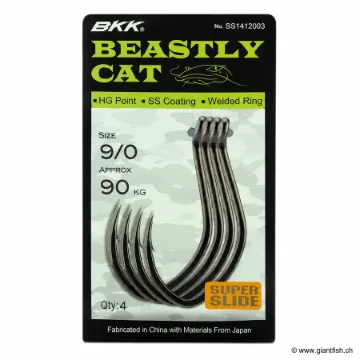

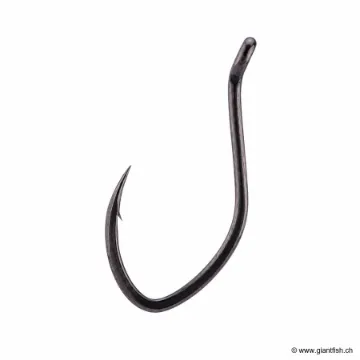
BKK Beastly Cat Hook
BKK Beastly Cat J hook designed for big fish fishing: thick wire for strength, welded eye for reliability, Hand Ground point, and Super Slide coating for optimized penetration and cleaner hook sets.
8.00 (CHF) incl tax
Choosing the right catfish rig for your water
An effective catfish rig starts with a good reading of the swim. In fast-flowing rivers, you need stable rigs that can pin the bait to the bottom without tangling. In calmer stillwaters, the focus shifts to discretion and a natural presentation, with longer leaders and carefully chosen floats to lift the bait off the bottom. Matching the rig to the bottom structure, snags and fishing distance is essential to make the most of every session.
Key components of a good rig
Every part of a catfish rig has a specific role. Relying on trustworthy tackle helps you avoid hook pulls and break-offs at the worst possible moment.
- Leaders in heavy-diameter braid or fluorocarbon, highly resistant to abrasion and rubbing on structure.
- Swivels and snaps strong enough to handle heavy loads, reducing line twist and allowing quick changes of leaders or weights.
- Floats and buoys to lift livebaits or other baits off the bottom, very useful above weed beds or snags.
- Beads and stops that protect knots and keep all rig components in the right place.
- Sleeves and tubing to secure crimps, tidy up the finish and optimize overall strength.
Combining these components lets you build specialized rigs, whether you need to fish at long range, drop a livebait tight to a sunken tree or present more subtle baits when the fish are wary.
Presentation techniques for catfish
The choice of rig also depends on the type of bait you use. For livebait, anglers often favor floating or semi-floating rigs, with a float or buoy, to keep the fish clearly visible in the water column. For static bottom fishing with deadbaits or pellets, a sliding sinker and a suitable leader ensure a stable presentation while allowing the catfish to take the bait without feeling too much resistance. Breakaway rigs are useful when fishing over snaggy bottoms, sacrificing only the weight if you get stuck.
Seasonality and rig adjustments
Catfish rigs are more effective when you adjust them throughout the seasons. In cold water, slower presentations close to the bottom often produce better results. In warmer periods, fish move more and respond well to baits slightly off the bottom or positioned along the edges. Tweaking leader length, sinker weight and buoyancy helps you follow these changes in behavior. Don’t hesitate to test different setups in the same session to find what triggers the most bites.
FAQ – Catfish rigs
What leader diameter should I use for catfish?
Depending on the swims and average fish size, very strong, heavy-diameter leaders are usually preferred. The key is to focus on abrasion resistance and the reliability of your knots or crimps.
Do I always need a float on a catfish rig?
A float or buoy is very useful for lifting the bait off the bottom, especially around weed beds or snags. However, for standard bottom fishing on clean ground, a rig without a float, using a sliding sinker, can be just as effective.
How can I reduce tangles when casting?
Using stiff or semi-stiff leaders, well-positioned beads and stops, and quality swivels all help keep the rig in line. Paying attention to leader length and sinker position also contributes to cleaner, more tangle-free casts.
Payment options


