

















Cookies help us deliver our services. By using our services, you agree to our use of cookies.
Filter
Filter by price
Filter by manufacturer
Tippets
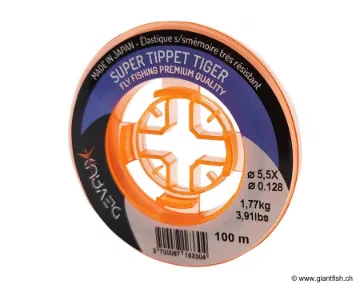
Devaux SUPER TIPPET TIGER Fly Nylon
Devaux Super Tippet Tiger Nylon: a technical, zero‑memory fishing line, perfect for leaders—ultra abrasion‑resistant and precise, ideal for all modern techniques.
7.20 (CHF) incl tax
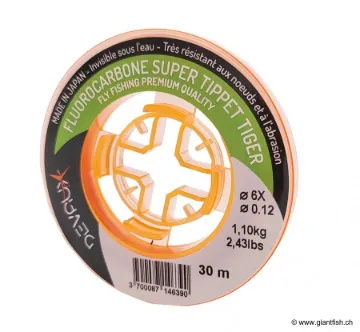
Devaux SUPER TIPPET TIGER Fluorocarbon
Devaux Tiger fluorocarbon, premium fluorocarbon line for fishing with exceptional strength and underwater invisibility — ideal for demanding anglers.
9.95 (CHF) incl tax
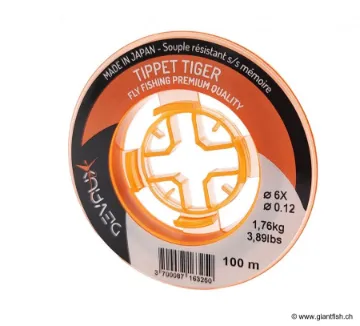
Devaux TIPPET TIGER Fly Nylon
Devaux TIGER nylon line, high resistance and precision for fishing
7.20 (CHF) incl tax
Devaux TIGER NYMPH BICOLORED Fly Nylon
Devaux bicolored high-visibility nylon, ideal for nymph fishing, maximum precision.
12.40 (CHF) incl tax
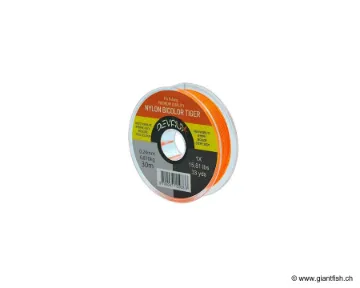
Devaux Fly Nylon BICOLOR TIGER
Devaux Bicolor Tiger Nylon: high‑visibility orange/yellow nymph fishing nylon, 30 m, enhanced strength and precision.
6.85 (CHF) incl tax
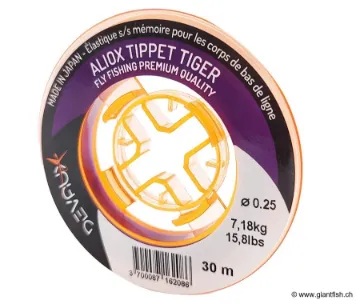
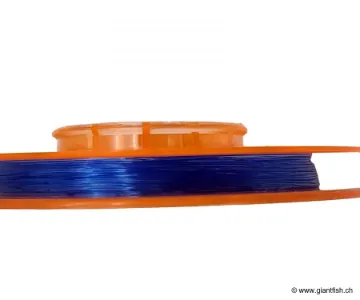
Devaux ALIOX Tippet Tiger Nylon
Devaux ALIOX Tippet Tiger: premium tippet nylon optimized for leader construction, offering elasticity, zero memory, excellent energy transfer and Devaux fishing quality.
7.75 (CHF) incl tax
Fly tippet and leader material are key elements for success in fly fishing. Whether you're using ready-made leaders, tippet sections, or spools to build your own lengths, choosing the right material directly affects fly presentation, stealth, and the strength of your rigs.
Choosing the right fly tippet and leader for the fish and water
To select suitable fly tippet or leader material, consider the size of the fish you’re targeting, the type of river or stillwater, and the required diameter. A thinner diameter offers more stealth and a more natural drift, but lower breaking strength. A thicker diameter provides security and control, especially in fast or snaggy water.
Also think about the elasticity of the line. Slightly stretchy material forgives hard strikes and close-quarters fights. Stiffer material transmits takes better, especially when fishing nymphs or wets.
Nylon or fluorocarbon for fly fishing
For dry flies, anglers often favor nylon, which is softer and more buoyant, making natural drifts easier and reducing drag. It knots easily and is well suited to tapered leaders and fine tippet sections.
For nymphs, wet flies, or streamers, fluorocarbon is often preferred for its greater underwater stealth and slightly higher density, which helps the flies sink faster. Its abrasion resistance is a real advantage around rocky bottoms, structure, and overgrown banks.
Many anglers combine both: a nylon leader for suppleness, and a fluorocarbon tippet for added stealth and strength.
Leaders, tippet and technical leader setups
Ready-to-fish tapered leaders save time and help your fly turn over smoothly. You can then adjust tippet length to match the conditions: shorter for wind or streamers, longer for wary fish in clear water.
Dedicated fly fishing tippet spools let you build your own progressive leaders. Alternate several sections with decreasing diameters to achieve good presentation while keeping a final section suited to your fly size and the strength of the fish you’re after.
Adapting your fly tippet to seasons and conditions
In spring and summer, when the water is clear and fish are cautious, finer and more discreet tippets are often needed, especially for dry flies and light nymphs. During high water, windy days, or when fishing streamers, stronger diameters improve drift control and holding power on hooked fish.
Temperature also plays a role: some nylons become stiffer in cold weather, while others retain their suppleness better. Check the condition of your tippet regularly, cut away damaged sections, and renew your tippet before each outing.
Fly tippet & leader FAQ
What diameter should I choose for an all-round fly tippet?
For versatile use on medium-sized rivers, many anglers use tippet diameters between 0.12 mm and 0.16 mm, adjusting the size to match the flies and the fish being targeted.
When should I prioritize fluorocarbon for fly fishing?
Fluorocarbon is particularly useful for nymphs, wets, and streamers, or whenever fish are wary in clear water. Its underwater invisibility and abrasion resistance make it a strong choice for technical, near-bottom presentations.
Should I change my fly tippet often?
It’s recommended to check your fly tippet before every trip. Replace any sections that look dull, twisted, or show signs of abrasion. Regularly refreshing leaders and tippets helps prevent unexpected break-offs.
What leader length should I use?
As a general rule, anglers use leaders close to the length of the rod, or even longer for fine dry-fly fishing. For streamers or windy conditions, shorter leaders make casting and fly control easier.