
























Cookies help us deliver our services. By using our services, you agree to our use of cookies.
Filter
Filter by price
Filter by manufacturer
Fly Reels
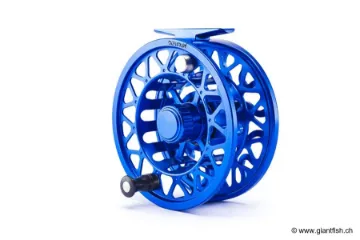
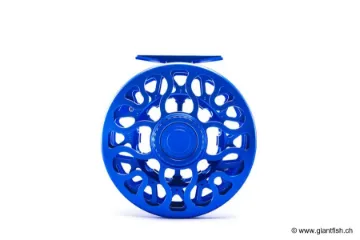
Devaux BTP Fly Reel
Devaux BTP Reel: high-end, ultra-durable machined aluminum reel, powerful drag, corrosion-resistant — ideal for predator fishing in sea and river.
159.00 (CHF) incl tax
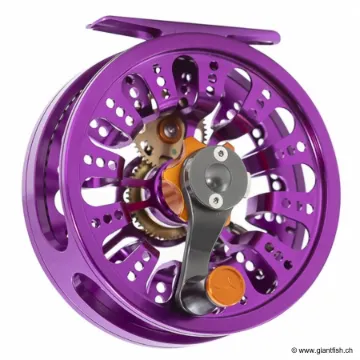
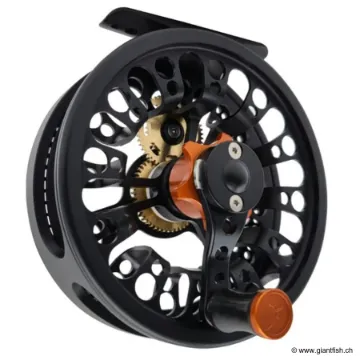
Devaux OROK Fly Reel
Devaux OROK Reel: a premium geared anti-reverse reel — fast, precise and innovative — designed and manufactured in France for demanding anglers seeking efficiency and reliability.
271.65 (CHF) incl tax
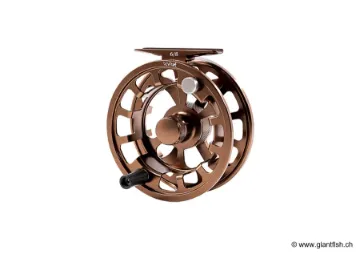
Devaux Fly Reel D806 K
Devaux REEL D917, high-end machined aluminum reel for fly fishing, modern design, exceptional durability, fast retrieve, precise micrometric drag.
67.25 (CHF) incl tax
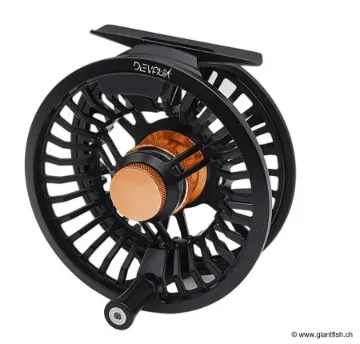
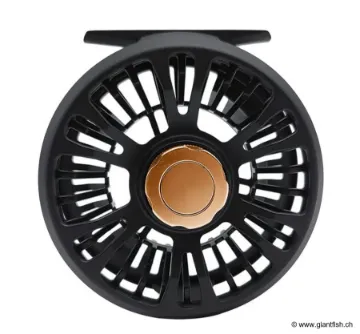
Devaux D606 Fly Reel
Devaux D606 fly reel — performance and robustness for river and reservoir fly fishing; injected aluminum body, progressive drag and superior sealing.
50.00 (CHF) incl tax
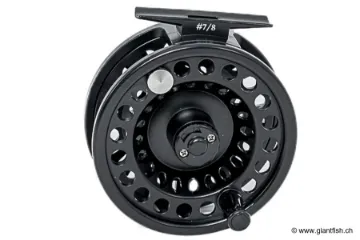
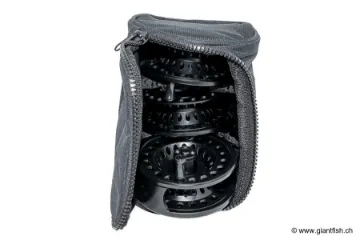
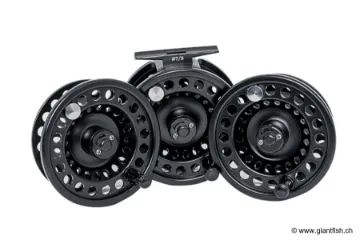
Devaux A4 Fly Reel
Devaux A4 FLY REEL: Aluminum fly reel, powerful progressive drag, ideal for stillwater and river fishing, supplied with 2 spare spools and a compartmentalized pouch. Unbeatable value for money.
27.20 (CHF) incl tax
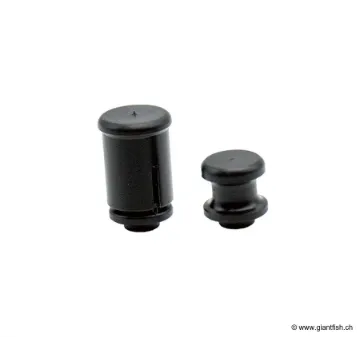
Devaux Matix Crank and Counterweight
Devaux Matix crank and counterweight for reels — improve your fishing performance.
14.55 (CHF) incl tax
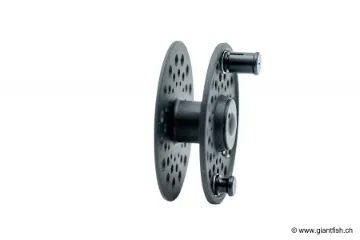
Devaux Matix Spool & Crank Handle
Devaux Matix spool with crank handle, robust reel accessory for fishing.
32.75 (CHF) incl tax
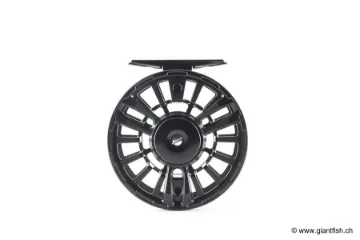
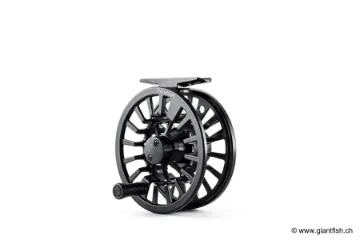
Devaux D131 Fly Reel
Devaux D131 Fly Reel: large-arbor aluminum reel, robust, versatile and high-performing for river and reservoir fishing.
36.25 (CHF) incl tax
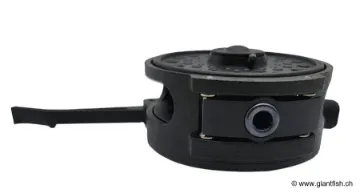
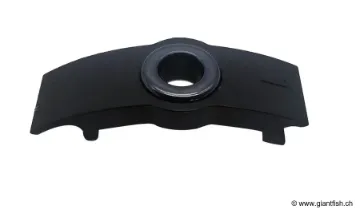
Devaux Matix Special Nylon Reel Guide
Devaux Matix Special Nylon Reel Guide – Nylon guide for reels, a reliable accessory for discerning anglers, designed for precision and durability.
14.55 (CHF) incl tax
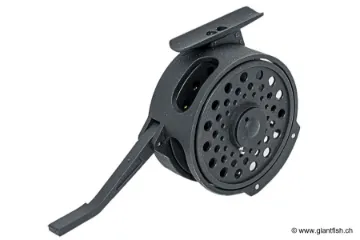
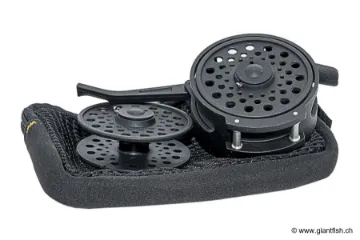
Devaux Matix Semi-Automatic Fly Reel
Devaux Matix Semi-Automatic Reel for fly fishing, lightweight, fast retrieval, high-end precision.
23.65 (CHF) incl tax
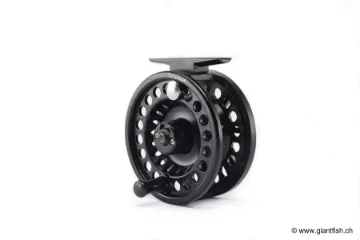
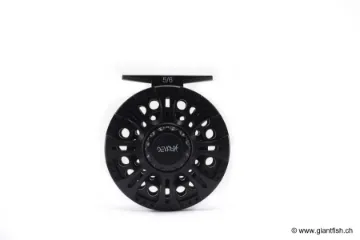
Devaux A76 Fly Reel
Devaux A76 fly reel — a robust aluminum fly reel for river and reservoir fishing.
22.65 (CHF) incl tax
Choosing a fly reel to match your rod and line
A well-chosen fly reel balances your rod/line combo and ensures smooth line retrieval. Start by matching the reel size to the line weight you fish: a reel designed for light lines is ideal for delicate river fishing, while a larger reel provides the capacity needed for line and backing on stillwaters or big rivers.
- Rod balance: the reel weight helps stabilize the rod in your hand and reduces fatigue.
- Line and backing capacity: make sure the spool comfortably holds your fly line plus enough backing.
- Target fishing style: trout, grayling, big stillwater fish or predator fly fishing all require different capacities.
Drag, arbor and materials: key technical features
The drag on a fly reel is crucial for controlling powerful fish without breaking your tippet. A smooth, progressive disc drag offers excellent control, while a simpler click-and-pawl system is still appreciated for ultralight fishing. The arbor (spool) diameter affects retrieve speed and line memory.
- Disc drag: ideal for controlled fights and fine tippets.
- Large arbor: faster line retrieval and less line twist.
- Materials: machined aluminum for lightness and strength, with corrosion-resistant finishes.
Matching your fly reel to fishing conditions
Requirements change with the season and the type of water. In summer, for fine techniques on small streams, a compact, lightweight reel is more than enough. On stillwaters or large rivers, a sturdier model with a powerful drag and plenty of backing capacity keeps long-distance fights under control. In windy conditions or when casting heavy streamers, reel stability and smooth retrieval become even more important.
Think about handling comfort too: a well-shaped handle and an easily accessible drag knob are a real advantage when your fingers are cold or wet. A reliable, properly tuned reel lets you focus on the drift of your fly instead of your gear.
Maintaining and extending the life of your fly reel
Regular maintenance guarantees the longevity and smooth operation of your fly reel. After each trip, especially if you fished in water loaded with particles, lightly rinse the reel, wipe it with a soft cloth and let it air dry before storing.
- Cleaning: remove the spool to clear out sand and grit that could damage the spindle or drag.
- Drag check: regularly check drag smoothness and follow the manufacturer’s recommendations for lubrication.
- Storage: store the reel in a dry place, protected from impacts, with the line slightly loosened to preserve the backing and mechanics.
FAQ - Fly reels
What fly reel size should I choose?
Choose a reel rated for the line weight of your rod. For example, a 4/5 weight setup will work well with a reel marked for these sizes, providing enough room for the line and backing without adding unnecessary weight.
Disc drag or click-and-pawl for beginners?
For a first, versatile setup, a fly reel with a progressive disc drag is often more forgiving and reassuring, especially when fish run above average size. A click-and-pawl system remains very pleasant for light and traditional styles of fly fishing.
Do I need multiple spools for one fly reel?
Having spare spools lets you switch between different lines (floating, intermediate, sinking) on a single reel. It’s a practical and economical way to quickly adapt your setup to changing water levels, seasons or target species.