


























Cookies help us deliver our services. By using our services, you agree to our use of cookies.
Filter
Filter by price
Filter by manufacturer
Boots, Shoes & Sandals
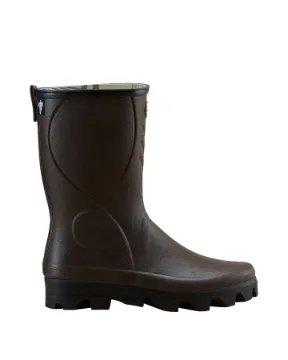


Men's LE CHAMEAU Cérès Jersey Boots
The Cérès ankle boots for men are designed for agricultural activities and outdoor work.
143.15 (CHF) incl tax
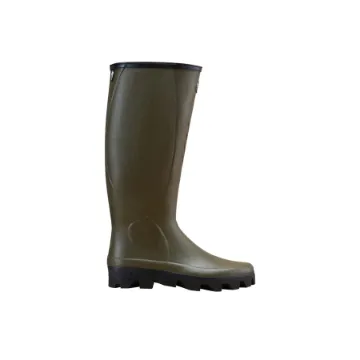


Men's LE CHAMEAU Cérès Jersey Boots
The Cérès men's boots are designed for agricultural activities and outdoor work.
159.95 (CHF) incl tax
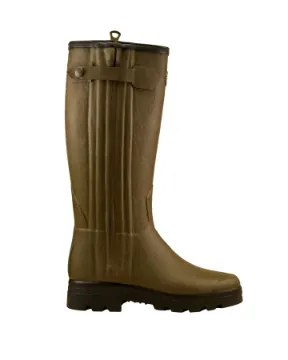


Men's LE CHAMEAU Hunter Wool Boots – Camel Green
Men's Chasseur boots stand out for their full-height side zip, making them easy to put on and take off. Color: Camel Green.
319.95 (CHF) incl tax
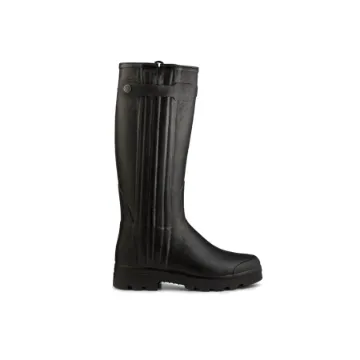
Men's LE CHAMEAU Chasseur Wool Boots – Black
The Chasseur boots for men feature a full-height side zip, making them easy to put on and take off. Color: Black.
319.95 (CHF) incl tax
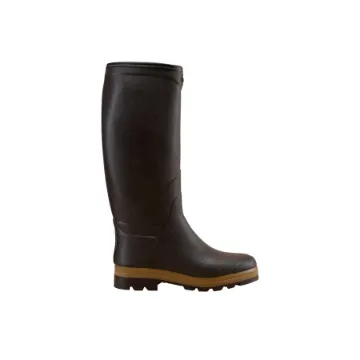


Men's LE CHAMEAU Saint-Hubert Heritage Leather Boots
The Saint-Hubert Heritage boots retain the sleek silhouette of the Saint-Hubert range, with a distinctive trim at the top of the shaft and a metal logo.
303.10 (CHF) incl tax
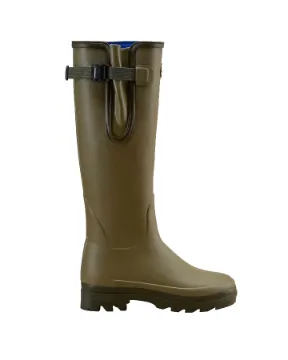
Women's LE CHAMEAU Vierzonord Sporting Neoprene Boots
The Vierzonord Sporting boots for women feature a wider calf fit.
218.95 (CHF) incl tax
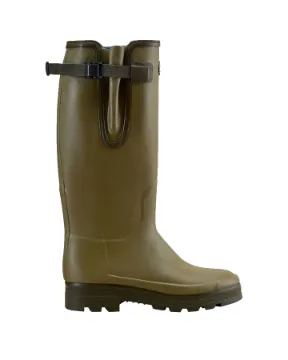


Men's LE CHAMEAU Vierzonord XL Neoprene Boots
The Vierzonord XL boots for men offer a wider calf fit.
218.95 (CHF) incl tax
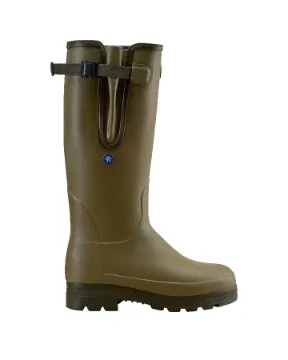


LE CHAMEAU Men's Vierzonord Plus Boots
The Vierzonord Plus boots prioritize insulation for cold-weather outings.
235.75 (CHF) incl tax
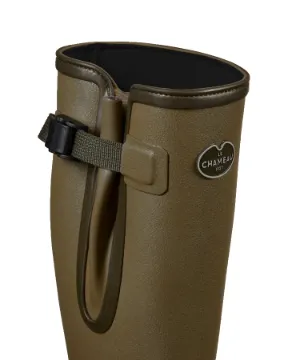
Men's LE CHAMEAU Vierzonord Neoprene Boots – Green / Black
The Vierzonord men's boots are rubber boots with an insulating neoprene lining. Color: Green / Black.
218.95 (CHF) incl tax
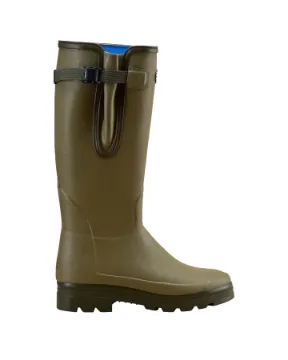


Men's LE CHAMEAU Vierzonord Neoprene Boots – Green Vierzon
The Vierzonord men's boots are rubber boots with an insulating neoprene lining. Color: Green Vierzon.
218.95 (CHF) incl tax
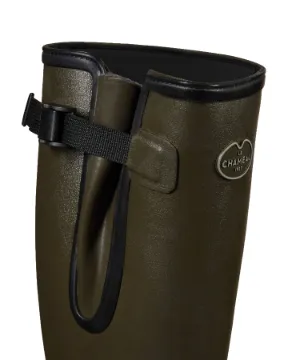
Men's LE CHAMEAU Vierzonord Neoprene Boots – Chameau Green / Black
Men's Vierzonord boots are rubber boots with an insulating neoprene lining. Color: Chameau Green / black.
218.95 (CHF) incl tax
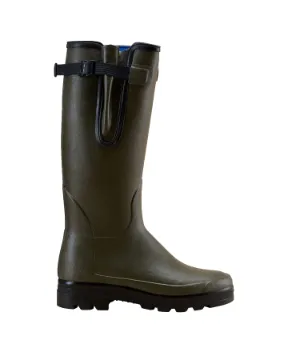


Men's LE CHAMEAU Vierzonord Neoprene Boots – Chameau Green
The Vierzonord men's boots are rubber boots with an insulating neoprene lining. Color: Chameau Green.
218.95 (CHF) incl tax
To make the most of every trip, it’s essential to choose the right boots, shoes and sandals for your fishing style and the weather conditions. Good traction, secure ankle support and long-lasting comfort make all the difference, whether you fish from the bank, from a boat or standing in the water.
How to choose fishing boots
Fishing boots are ideal when the ground is wet, muddy or cold. They offer high protection against water and splashes while keeping your feet dry. Depending on your needs, you can go for classic rubber boots that are easy to rinse, or warmer neoprene models for cooler periods.
- Shaft height: mid-height boots for easy banks, or taller models for deeper areas.
- Soles: lugged soles for slippery terrain, more flexible soles for walking longer distances.
- Comfort: enough room to wear technical socks without squeezing your feet.
Boots are especially recommended for fishing from lake or river banks, feeder fishing or still fishing when you stay in the same spot for a long time.
Technical shoes for active fishing
For anglers who move a lot along the banks or use dynamic techniques (spinning, lure fishing, street fishing), technical fishing shoes are more suitable. They offer a better roll of the foot, more precise footing and superior breathability.
- Wading shoes: to be used with waders, providing ankle support and grip on rocky or uneven bottoms.
- Breathable shoes: perfect in mild weather to avoid moisture build-up and tired feet.
- Reinforced models: protected areas around toes and heel to withstand impacts and abrasion.
These shoes are well suited for fishing in fast-flowing rivers as well as for long walks around a lake or reservoir.
Sandals and lightweight shoes for summer
When it’s hot and spots are easy to reach, fishing sandals and lightweight shoes give you real freedom of movement. They dry quickly and are very comfortable for summer sessions on the lakeshore, from the dock or on a boat.
- Quick-dry sandals: ideal when you’re switching between water and bank.
- Models with toe protection: important on rocks, gravel or at boat ramps.
- Non-slip soles: to maintain good stability on wet boat decks or docks.
Sandals are particularly appreciated for boat fishing, float tube sessions or short family outings in warm weather.
Caring for your fishing boots and shoes
Proper care greatly extends the life of your fishing boots, shoes and sandals. After each trip, rinse them with clean water to remove mud, sand and particles that wear down the materials. Let them air-dry in the shade, avoiding direct heat sources that can deform rubber or neoprene.
To keep them comfortable over the long term, use socks suited to the season, replace insoles if needed and regularly check the condition of the seams, reinforcements and soles. Clean, dry storage ensures your footwear is ready to go for your next session.
FAQ - Fishing Boots, Shoes & Sandals
What’s the difference between fishing boots and regular rain boots?
Fishing boots are designed to offer better grip on banks, a generally more robust shaft and materials made for prolonged use in wet environments, sometimes with added insulation.
What shoes should I choose for walking long distances along a river?
For active walking, choose lightweight, technical shoes that are breathable and provide good ankle support. Non-slip soles and proper cushioning help reduce fatigue on uneven ground.
Are fishing sandals suitable for river fishing?
Yes, as long as you choose models with a non-slip sole and sufficient toe protection. They are particularly suitable in summer and in shallow, easy-access areas.
How do I choose the right size for fishing boots?
It’s best to allow a bit of extra room so you can wear technical socks, especially in cold weather. The boot should remain comfortable both when standing still and when walking, with no pressure points.