








Cookies help us deliver our services. By using our services, you agree to our use of cookies.
Search
[CHF] Swiss Franc
English
- Fishing license
- New Products
- Predator
- Trout
- Fly Fishing
- Carp
- Catfish
- Strike
- Sea
-
Clothing
- Fishing jackets
- Hoodies, fleeces & sweaters
- Fishing T-shirts, Polos, and Shirts
- Fishing Pants, Bibs, and Shorts
- Fishing vests and chest packs
- Waders and Hip Boots
- Boots, Shoes & Sandals
- Polarized sunglasses & Accessories
- Caps, Visors & Hats
- Beanies, Neck gaiters & Gloves
- Thermal underwear & Socks
- UV-blocking Clothing and Sun protection accessories
- Various
- Navigation
- Hunting
- Decor & Gifts
- Brands
Filter
Filter by price
Filter by manufacturer
Son - Braids
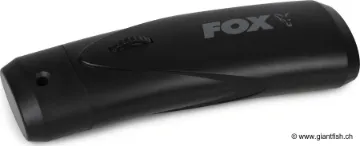

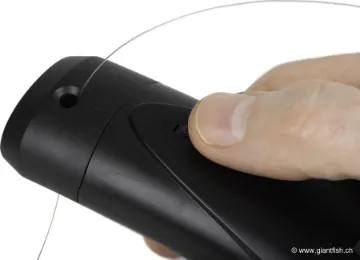
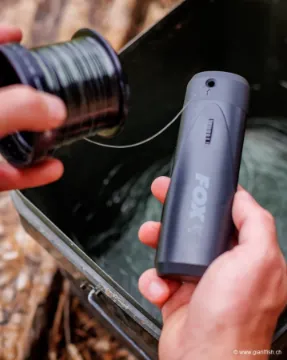
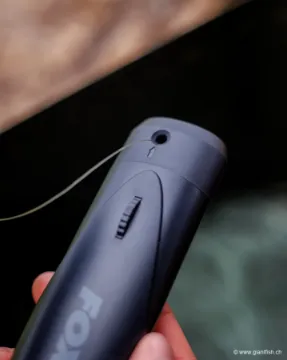
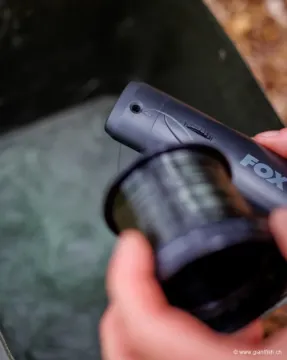
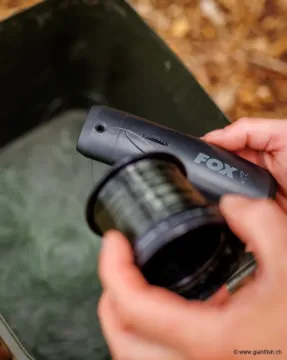
FOX Line Braid Stripper
The Fox Line Braid Stripper is a fishing maintenance tool designed to remove and recover line, especially braid, from a reel more quickly and cleanly, making line changes and regular tackle maintenance easier.
21.05 (CHF) incl tax
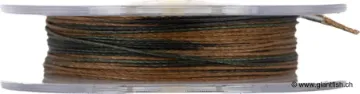
FOX Edges Reflex Camo Braided Line
FOX Reflex Camo fishing line, designed for discretion, knot reliability, and freshwater use.
15.15 (CHF) incl tax
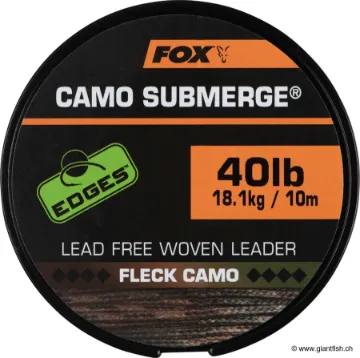
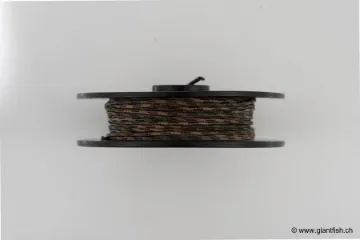
Sinking Braid FOX EDGES Submerge Camo Leader
FOX Submerge Camo sinking braid for carp fishing, camouflage finish, designed to hug the bottom and remain discreet on fished spots.
14.30 (CHF) incl tax
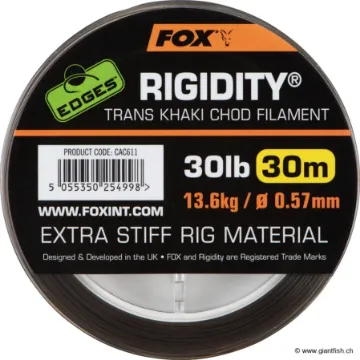
FOX Edges Rigidity Fluorocarbon - 30 m
Extra-stiff chod filament from Fox EDGES Rigidity for carp rigs (Chod Rig / Hinge Stiff Rig): excellent shape retention, clean bait presentation, and a neat hooklink for technical carp fishing.
7.40 (CHF) incl tax
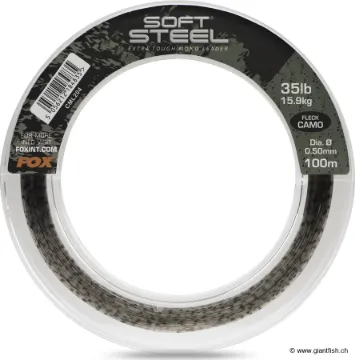

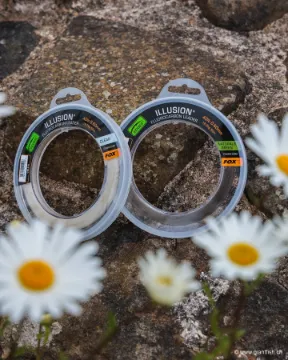
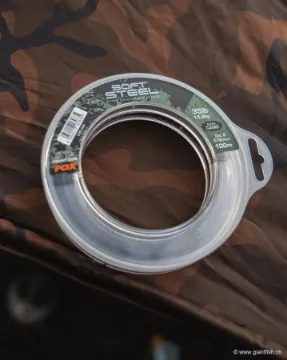
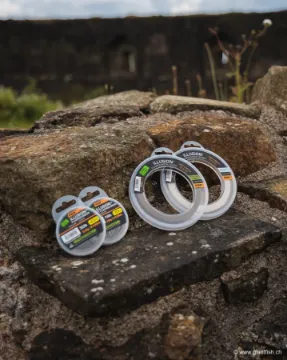
FOX Soft Steel Fleck Camo Leader
FOX leader designed for reliable, discreet rigs. A soft steel-core fishing line, made for carp fishing and abrasive areas, offering excellent hold and high strength.
10.95 (CHF) incl tax
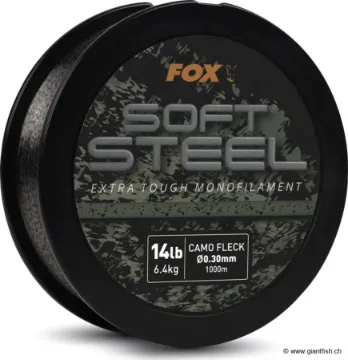
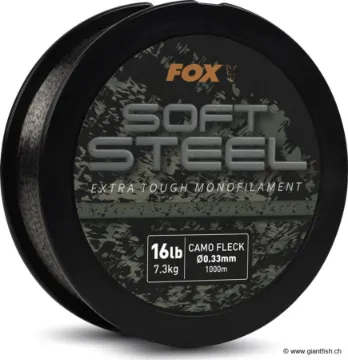
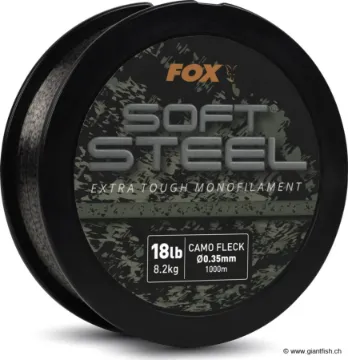
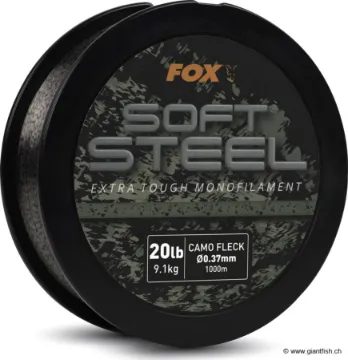
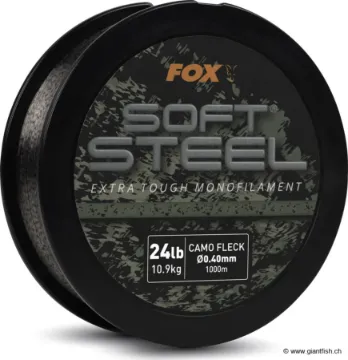
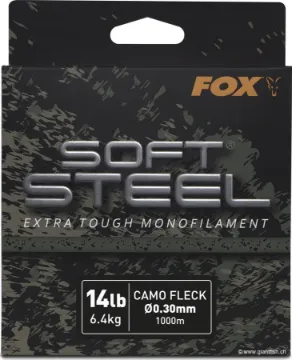
Nylon FOX Soft Steel Fleck Camo Mono - 1000 m
Robust, discreet Fox Soft Steel monofilament fishing line, designed for reliable casting and neat rigs in freshwater.
20.20 (CHF) incl tax
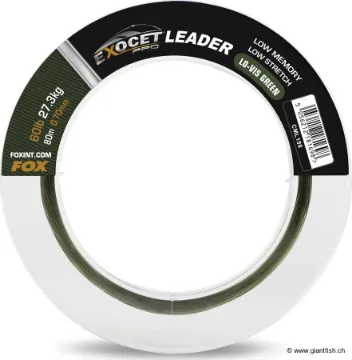
FOX Exocet Pro Leader
The FOX Exocet Pro Low Vis Leader is a fishing leader designed for anglers looking for a discreet and reliable fishing line as close as possible to the rig. Built for use in the terminal section, it helps build confidence and control during the key phases: casting, placement, bottom contact and the fight.
11.75 (CHF) incl tax
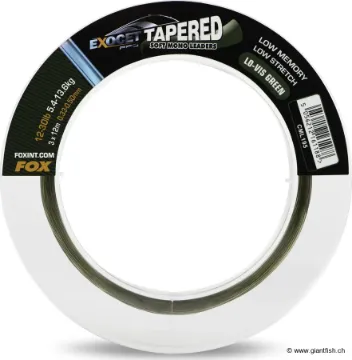
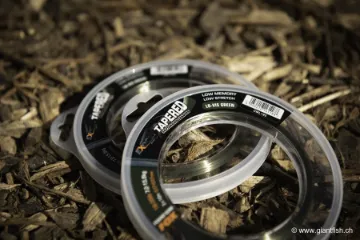
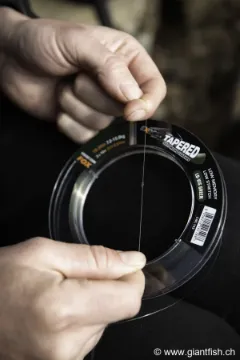
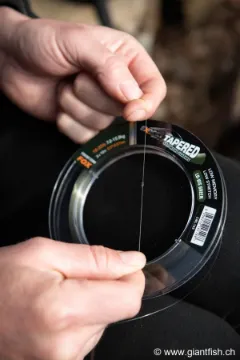
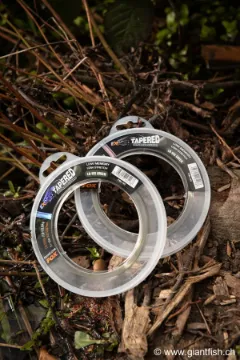
FOX Exocet Pro Tapered Leader
Discreet, progressive tapered leader for clean casts, reliable knots, and a neat presentation in bottom fishing.
10.10 (CHF) incl tax
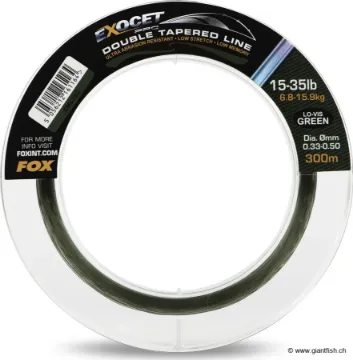
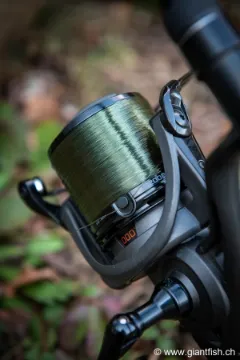
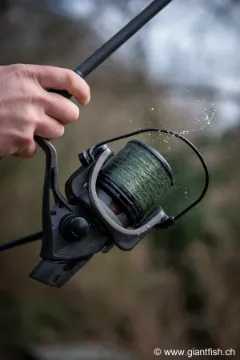
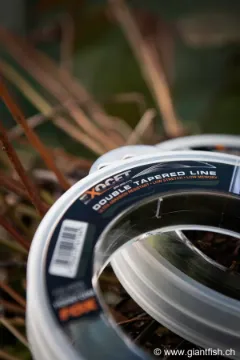
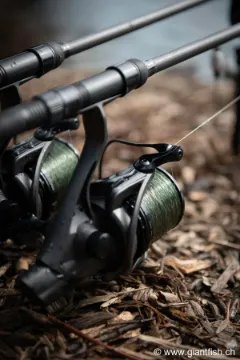
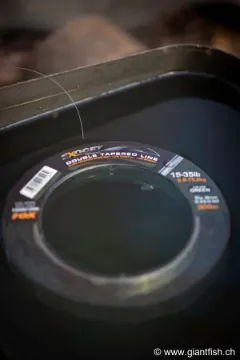
Nylon FOX Exocet Pro Double Tapered Mainline - 300 m
Choose a double tapered monofilament line designed for long-distance casting: shock absorption, smooth glide, low visibility, and excellent versatility in both freshwater and demanding conditions.
13.45 (CHF) incl tax


FOX Exocet Pro Green Mono - 1000 m
Fox Exocet Pro Low Vis fishing line: a spool of line designed for discretion, clean spooling, and versatile use, ideal for loading a reel and making reliable rigs to suit your fishing style.
21.90 (CHF) incl tax
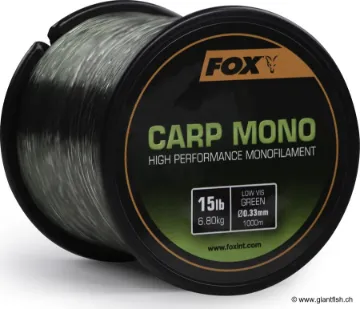
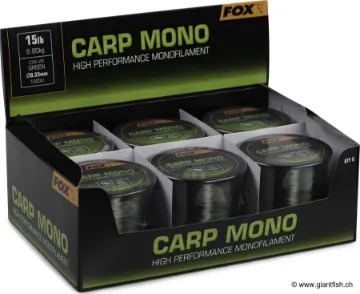
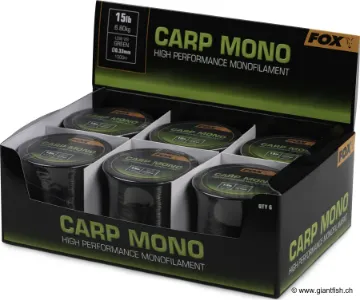
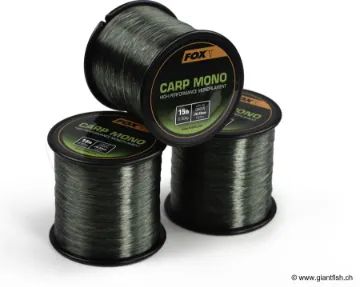
FOX Carp Mono Nylon
Fox Carp Mono monofilament line designed for carp fishing: a dependable, versatile, and easy-to-use main line, from casting to playing fish.
9.25 (CHF) incl tax


FOX Exocet Fluoro Orange Mono Fishing Line
Fox Exocet Fluoro Mono line: a versatile monofilament designed for carp fishing, combining discretion, strength, and everyday reliability.
18.50 (CHF) incl tax
Lines and braids for carp fishing
In the Lines & Braids category, you’ll find everything you need to build a reliable mainline setup that matches your carp fishing style. The line you choose will influence casting distance, stealth, bite detection and safety during fights with powerful fish.
Whether you fish the margins, long range or snaggy waters, it’s essential to select your line according to the swim, the weight of your rigs and the conditions of the season.
Nylon, braid, fluorocarbon: which material should you choose?
Nylon line remains a classic for carp fishing. Its stretch forgives minor mistakes during the strike and the fight, and it’s well suited to bottom and medium-distance fishing.
Carp braid is valued for its high sensitivity and near-zero stretch. It’s ideal for long-range fishing, precise bite indication and very soft lakebeds where feeling the rig is important.
Fluorocarbon is often used as a leader or hooklink thanks to its low visibility and abrasion resistance. It’s particularly useful when carp are wary or when you fish swims with obstacles.
Diameter, breaking strain and casting distance
Line diameter should be chosen with casting distance, lakebed features and the average size of the fish in mind. Thinner diameters help you cast further and improve presentation, but give you less margin for error around snags or very big fish.
- Short-range fishing: stronger diameters and abrasion-resistant lines.
- Long range: finer lines or braids, often combined with a reinforced shock leader.
- Heavy rigs: favor higher breaking strain to maintain safety when casting.
In colder months, carp can be more cautious: slightly reduced diameters and more discreet setups can make a difference, while still keeping enough safety in reserve.
Colors, stealth and types of swims
The color of your line or braid affects how visible it is in the water. Camouflage, green or brown tones blend well over silty or snaggy bottoms, while more visible colors can make line control from the bank easier.
On clear or heavily pressured waters, opt for low-visibility lines and, if needed, complement your mainline with a long hooklink or a fluorocarbon leader.
Care and lifespan of your lines
Good maintenance extends the life of your lines and braids. Check the first few yards regularly, trim any damaged sections and replace your spools as soon as you notice a loss of strength or suppleness.
Between sessions, store your reels and spare spools away from excessive heat and direct light to preserve the mechanical qualities of your mainlines.
Carp lines & braids FAQ
What’s the difference between nylon and braid for carp fishing?
Nylon offers stretch and forgiveness, which is comfortable during the fight. Braid gives better sensitivity and a thinner diameter for the same breaking strain, which is useful for technical or long-range fishing.
What diameter should I choose to start carp fishing?
Many beginners choose a nylon line around 0.30 to 0.35 mm, which offers a good compromise between casting distance, strength and ease of use on most waters.
Do I need a leader when using braid?
A nylon or fluorocarbon leader is often recommended with braid. It cushions the shock on the cast, improves stealth near the rig and offers better protection against abrasion.
How often should I change my line or braid?
This depends on how often you fish and the type of swims you target. Regular checks and replacing your line as soon as you see signs of wear (twists, abrasions, loss of suppleness) will help limit the risk of breakage.
Payment options


