





















Cookies help us deliver our services. By using our services, you agree to our use of cookies.
Filter
Filter by price
Filter by manufacturer
Trolling
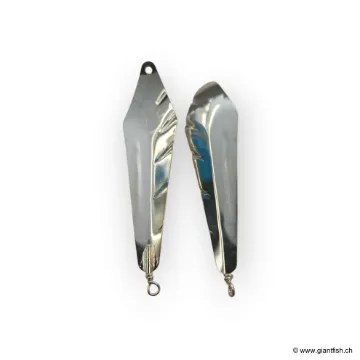
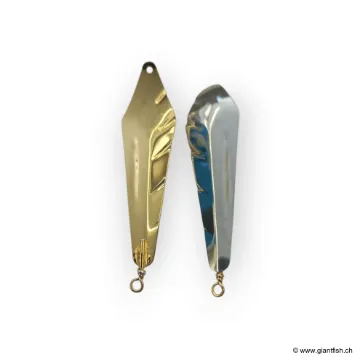
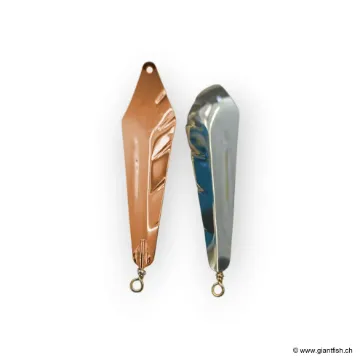
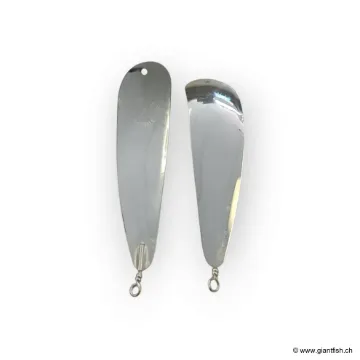
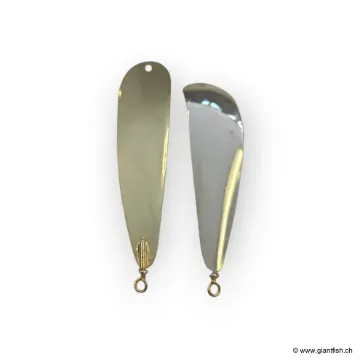
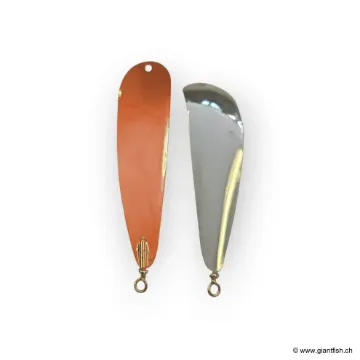
Trolling Spoon REVELLY Z
REVELLY Z Spoon - High-performance lure for sport fishing
8.00 (CHF) incl tax
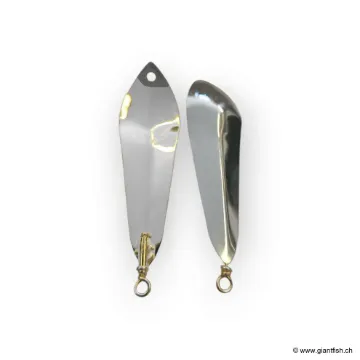
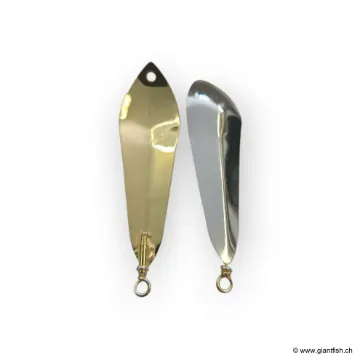
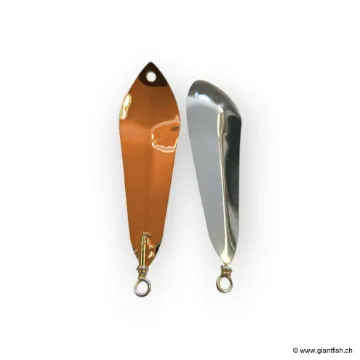
Trolling Spoon REVELLY X
Innovative REVELLY X Spoon for efficient and successful fishing
8.00 (CHF) incl tax
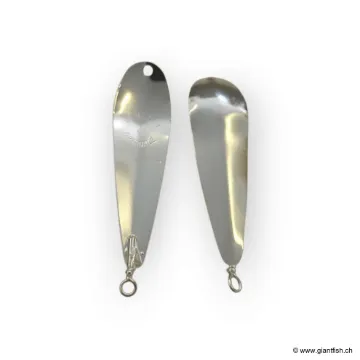
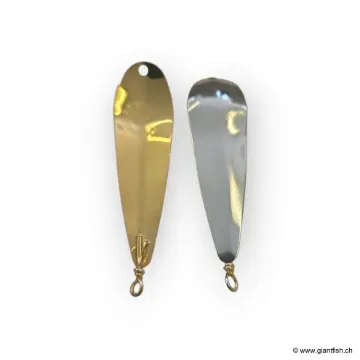
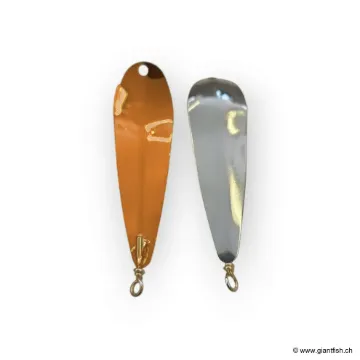
Spoon Trolling ReveLLY WR
ReveLLY WR three-faced metal spoon versatile for effective fishing
8.00 (CHF) incl tax
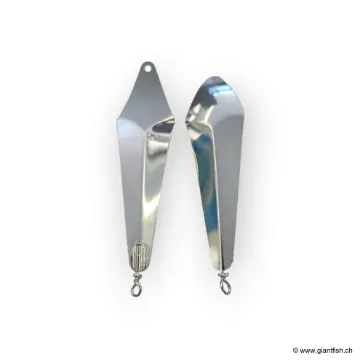
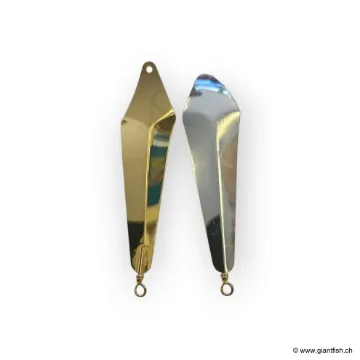
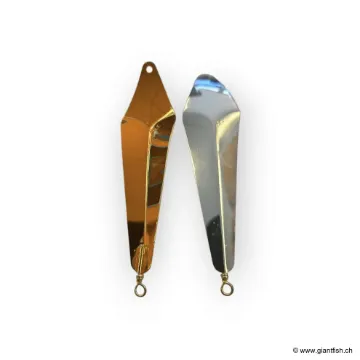
Spoon for trolling REVELLY WP
High-performance REVELLY WP spoon for sport fishing in fresh and saltwater.
8.00 (CHF) incl tax
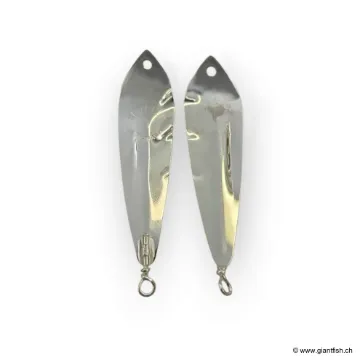
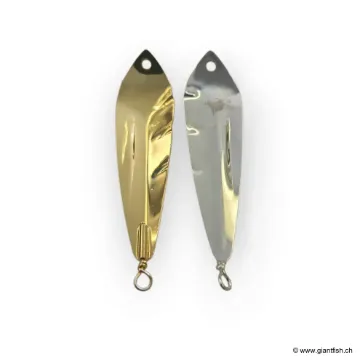
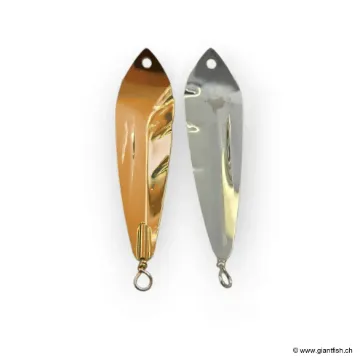
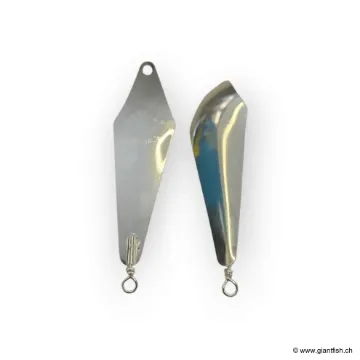
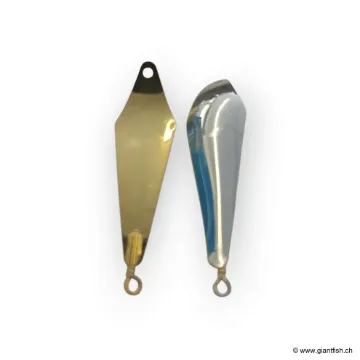
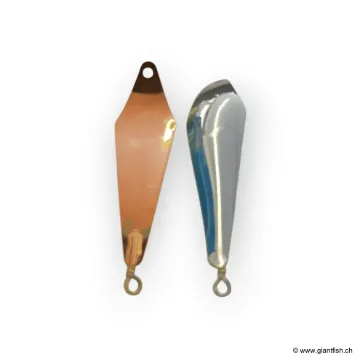
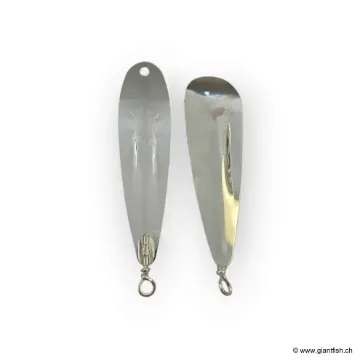
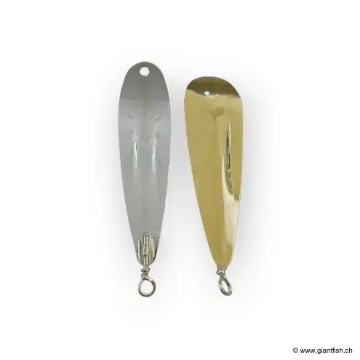
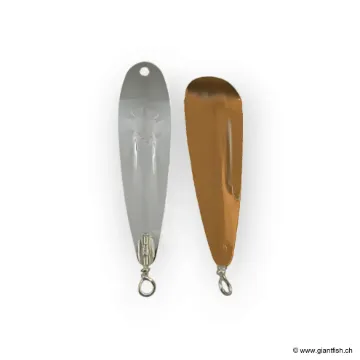
Spoon Trolling REVELLY T
REVELLY T Spoon designed by REVELLY, ideal for a successful fishing experience
8.00 (CHF) incl tax
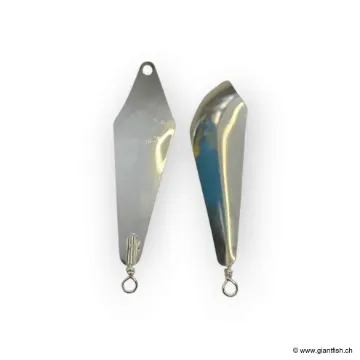
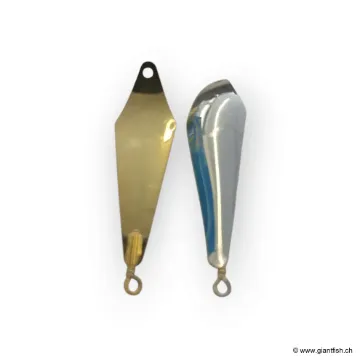
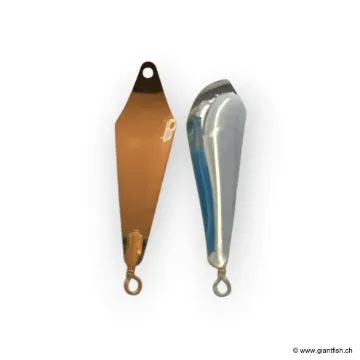
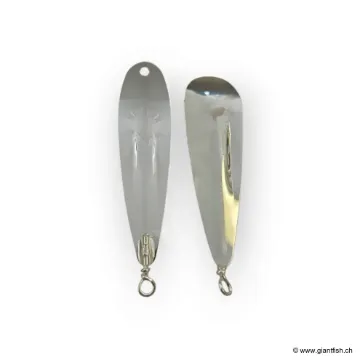
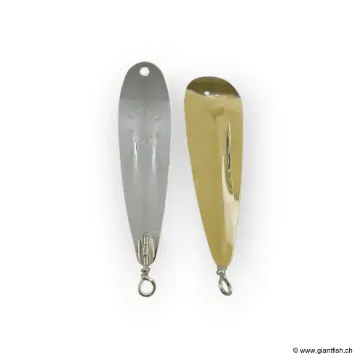
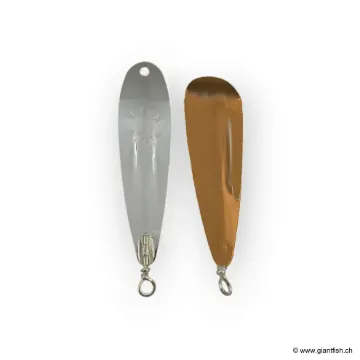
Trolling Spoon REVELLY N
REVELLY N Spoon, an effective fishing spoon for all types of predators
8.00 (CHF) incl tax
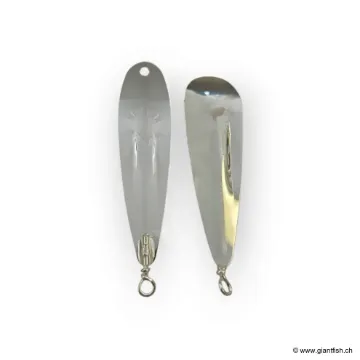
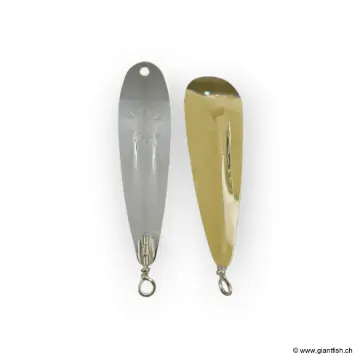
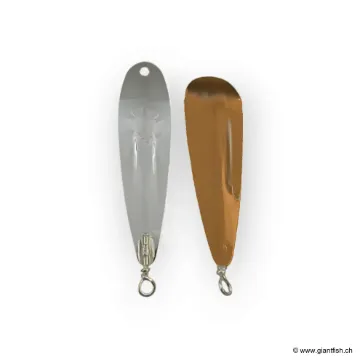
Trolling Spoon REVELLY M
Versatile spoon REVELLY M, highly performant for all types of freshwater and saltwater fishing.
8.00 (CHF) incl tax
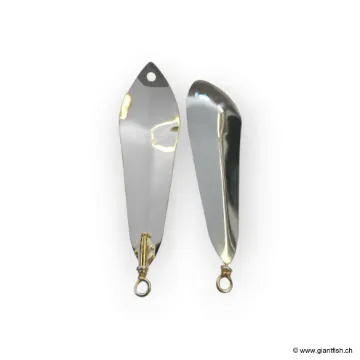
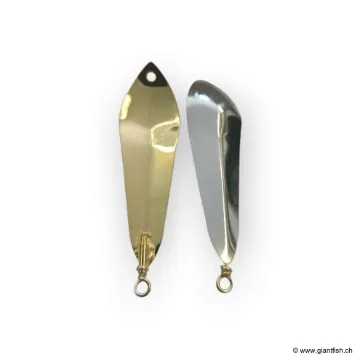
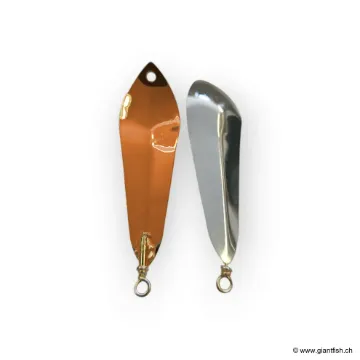
- 1
- 2
Trolling is a highly effective technique for quickly covering large areas of water and finding active fish. Whether you’re running light trolling close to the surface or deep trolling with dedicated accessories, your choice of gear will directly influence your results.
Understanding trolling
Trolling involves running one or more lures behind a moving boat. Speed, depth and distance from the boat all need to be adjusted according to the target species, the season and water clarity. Good equipment lets you control these settings precisely while still fishing in comfort.
In this category, you’ll find dedicated trolling gear for targeting both freshwater predators and deeper-holding fish. The goal is to help you build a balanced setup from reel to lure, including the rod, braid or mono, leaders and depth-control accessories.
Rods, reels and lines for trolling
A trolling rod needs to be robust enough to handle lure resistance, boat speed and hard-fighting fish, while still offering enough softness to cushion powerful head shakes.
- Trolling rods: power ratings matched to your target fish, reinforced guides and a comfortable handle for long sessions.
- Trolling reels: conventional or large-capacity models with reliable drag systems, often with a line counter to control your trolling distance precisely.
- Lines and braided lines: low-stretch lines for better lure control, braided lines for sensitivity or more forgiving monofilaments depending on conditions.
- Leaders: steel, fluorocarbon or combinations that stand up to sharp teeth while remaining as discreet as possible underwater.
Lures and rigs for trolling
Lure choice is key to successful trolling. The same route can be fished very differently with a diving crankbait, an inline spinner, a spinnerbait or a rigged dead bait.
- Trolling crankbaits: different lips to adjust running depth and action, colors selected to match light conditions and water clarity.
- Spoons and blades: great for quickly covering water and triggering reaction strikes.
- Depth-control accessories: weights, diving devices, downriggers, release clips and other systems that keep your lure running at the right level in the water column.
Adjusting your trolling to seasons and depths
Trolling works year-round, but your rigs should evolve with the seasons. In cold water, slower trolling with lures that have a pronounced action often convinces less active fish. In warmer periods, a slightly faster speed and more aggressive lures can be more effective.
Running depth is just as important: fish may hold near the surface in low-light periods and drop deeper during the day or in very clear water. Changing line length, weight, lure type and using depth-control accessories helps you stay in the strike zone as long as possible.
Practical tips for successful trolling
To get the most out of your trolling sessions, start with a simple setup: one rod, a reliable reel, a suitable line and a small selection of lures in different sizes and colors. Take notes on your trolling speed, estimated running depth, lure color and the day’s conditions so you can repeat the winning combinations.
A fish finder is also very helpful for locating bait schools and adjusting your trolling depth. Take the time to test different speeds, line lengths and lure presentations (small course changes, speed variations) to trigger strikes.
FAQ – Trolling fishing
What speed should I troll at? Trolling speed depends on the species and lures, but slower trolling is usually better for inactive fish, while a faster pace helps you cover water and work more aggressive lures.
Do I need specific gear for deep trolling? For deep trolling, it’s best to use weight systems, diving devices or downriggers, along with a rod and reel that can handle the extra tension.
How many rods should I troll with? It’s recommended to start with one or two rods so you can properly control trolling distance and depth and avoid tangles before adding more complexity.
What type of line is best for trolling? Braided line offers excellent sensitivity and cuts through the water well, while monofilament provides more stretch and forgiveness. The choice depends on your fishing style, target species and the lures you use.