






















Cookies help us deliver our services. By using our services, you agree to our use of cookies.
Search

[CHF] Swiss Franc
English
- Fishing license
- New Products
- Predator
- Trout
- Fly Fishing
- Carp
- Catfish
- Strike
- Sea
-
Clothing
- Fishing jackets
- Hoodies, fleeces & sweaters
- Fishing T-shirts, Polos, and Shirts
- Fishing Pants, Bibs, and Shorts
- Fishing vests and chest packs
- Waders and Hip Boots
- Boots, Shoes & Sandals
- Polarized sunglasses & Accessories
- Caps, Visors & Hats
- Beanies, Neck gaiters & Gloves
- Thermal underwear & Socks
- UV-blocking Clothing and Sun protection accessories
- Various
- Navigation
- Hunting
- Decor & Gifts
- Brands
Filter
Filter by price
Filter by manufacturer
Landing Nets
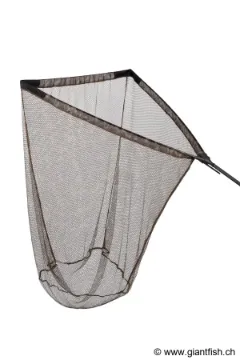

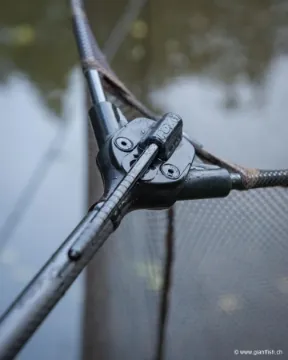
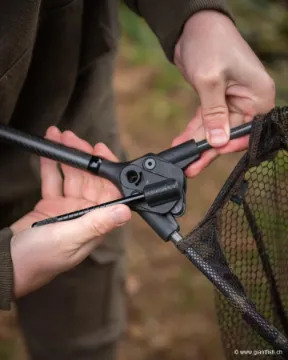
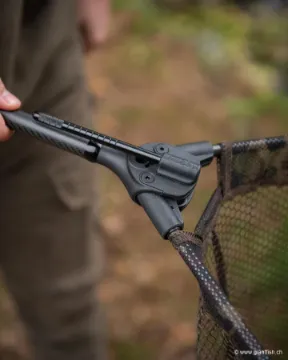
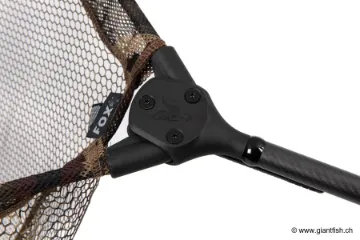
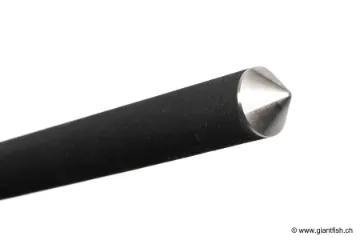
FOX Lever-Lok Landing Net - 8 ft - 42 in - 2-Piece
Premium Fox Lever-Lok landing net with locking lever, quick assembly, 2K carbon handle, and secure arm retention for safe fish landing.
181.85 (CHF) incl tax
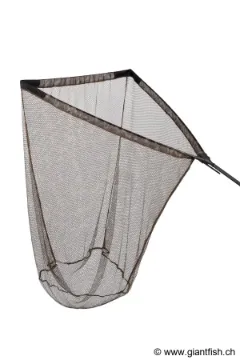
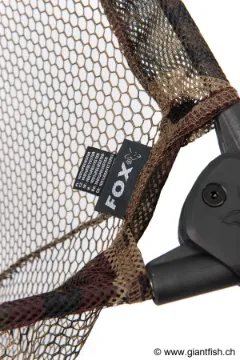
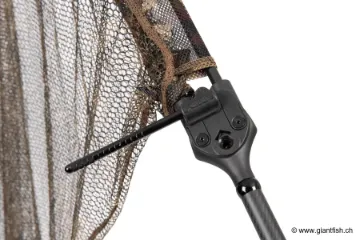
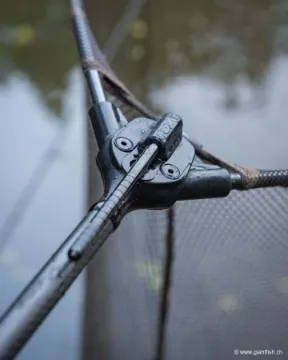
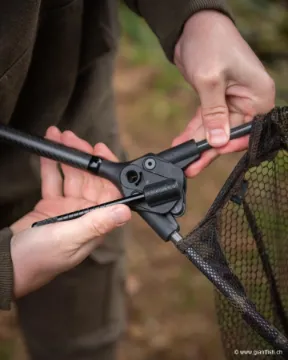
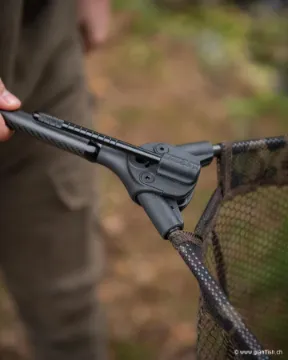
FOX Lever-Lok Landing Net - 6 ft - 42"
Fox Lever-Lok landing net designed for fast setup and pack-down thanks to a lever spreader block, one-hand locking, reduced-taper 2K carbon handle, camouflage mesh, and Fox support compatibility.
159.95 (CHF) incl tax
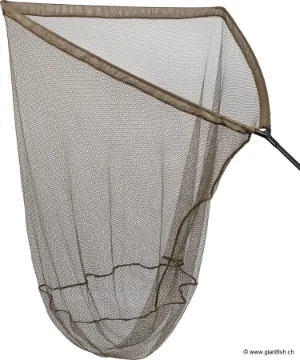
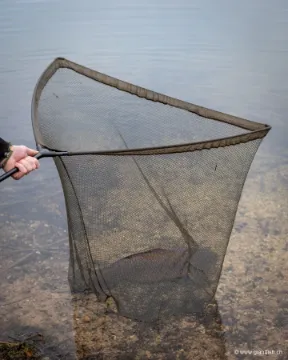
FOX EOS-X Replacement Landing Net Mesh
Fox Eos-X replacement net mesh to give your landing net a second life: easy fitting, safer fish handling, and regular freshwater use.
20.20 (CHF) incl tax
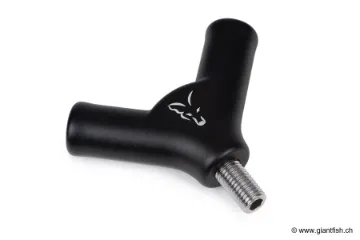
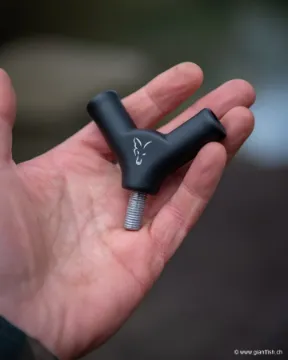
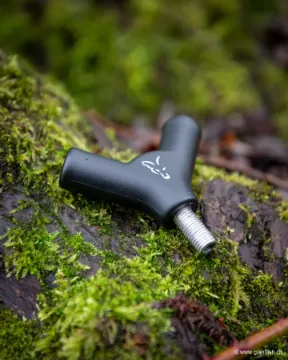
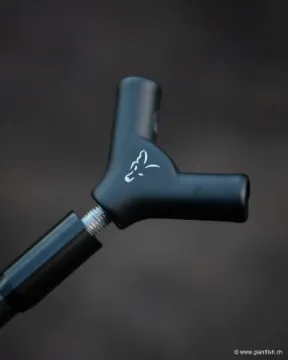
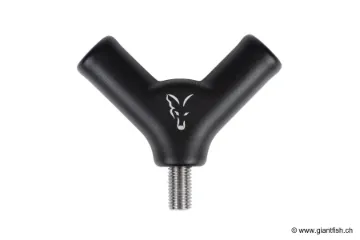
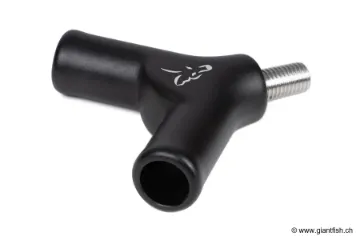
Fox Aluminium Spreader Block
Aluminium Fox spreader block for landing net: a durable connecting piece designed to spread and stabilize the frame arms, make net opening easier, and extend the life of your fishing gear.
10.10 (CHF) incl tax
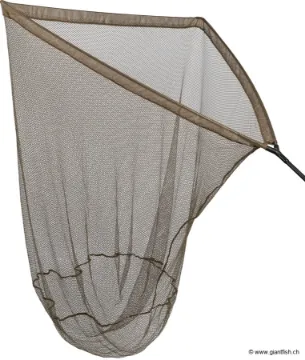
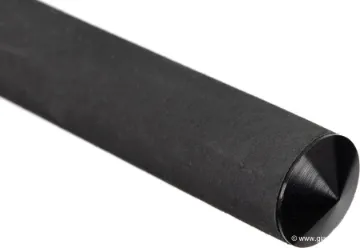
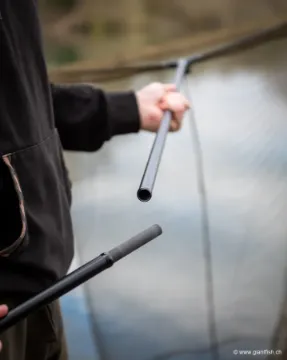
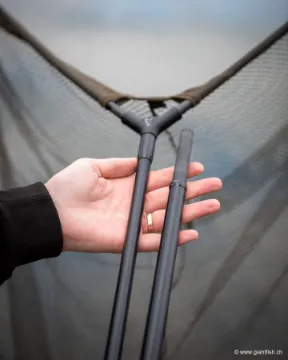
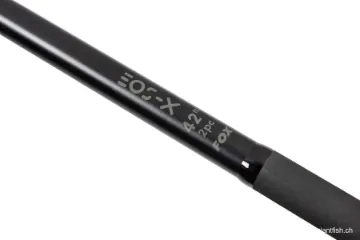
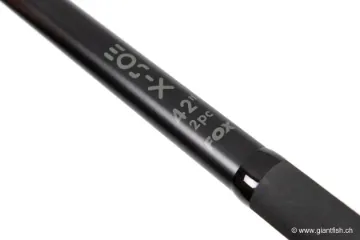
FOX EOS-X Landing Net - 6 ft - 42"" - 2-piece
Fox EOS-X landing net designed to make landing fish easier with control, safety, and comfort, from the bank or from a boat.
14.75 (CHF) incl tax
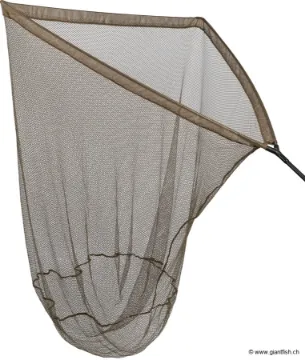
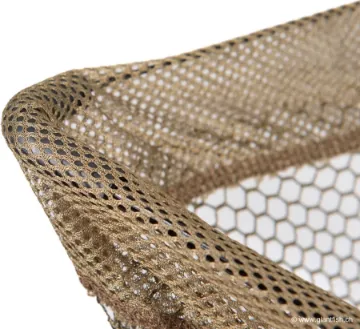
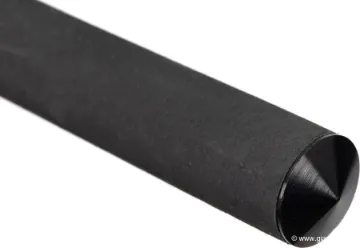
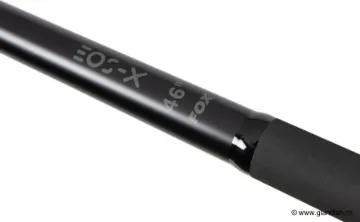

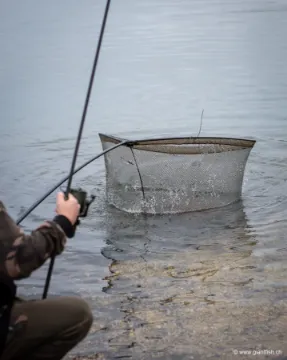
FOX EOS-X Landing Net - 6 ft - 46""
FOX EOS-X landing net designed to secure fish landing with a soft mesh, a comfortable grip, and a build made for targeting powerful fish such as carp and other large species.
16.60 (CHF) incl tax
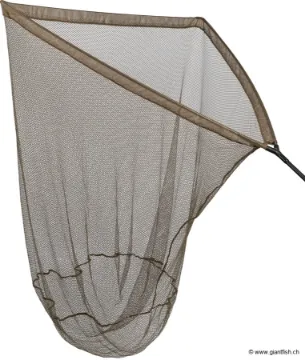
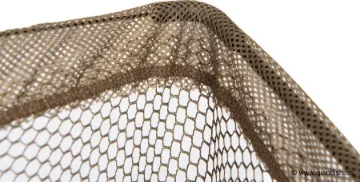
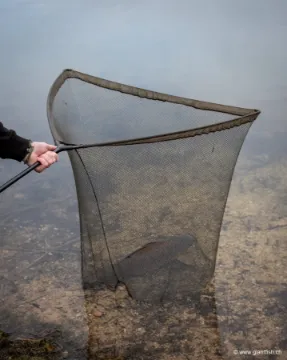
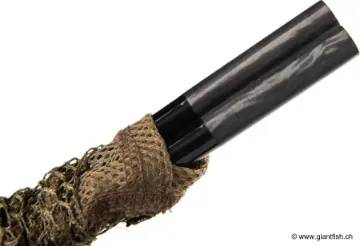
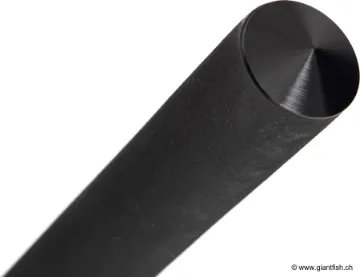
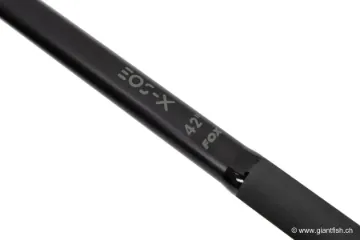
FOX EOS-X Landing Net - 6 ft - 42 inch
Fox Eos-X landing net designed to safely land fish, with a comfortable grip and handling suited to freshwater sessions.
14.75 (CHF) incl tax
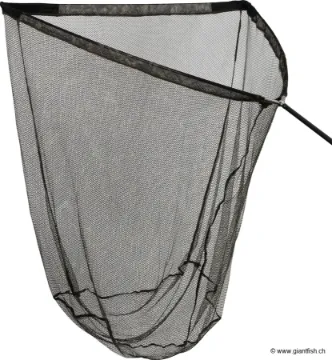
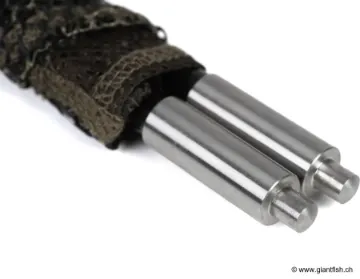
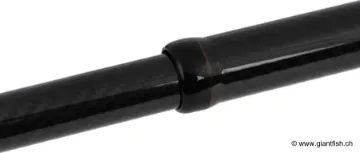
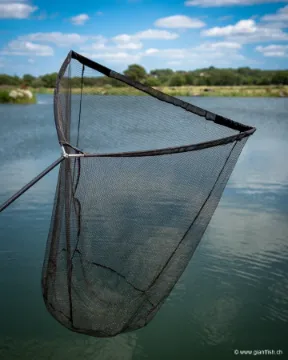
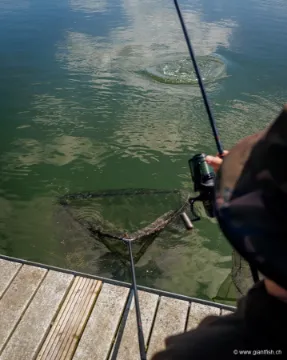
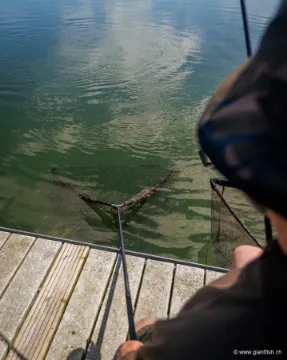
FOX Horizon X4-S Retractable Landing Net Pole - 6 ft - 42""
Fox Horizon X4S Retractable landing net designed for carp fishing: retractable handle for transport, deep net to secure the fish, and a comfortable grip on the bank.
30.55 (CHF) incl tax
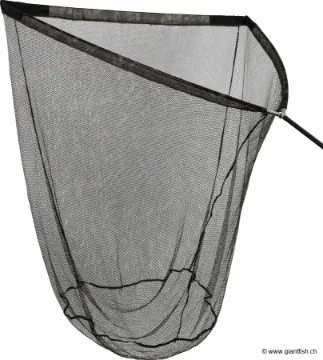
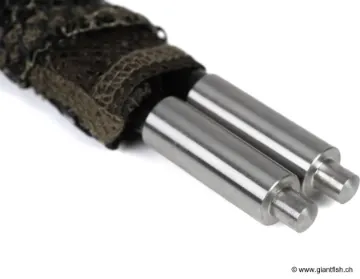
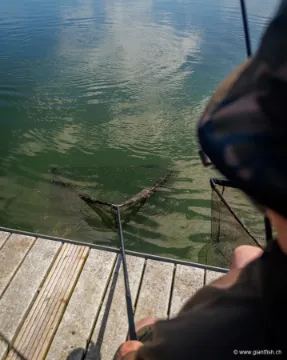
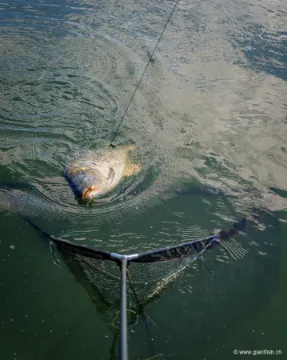
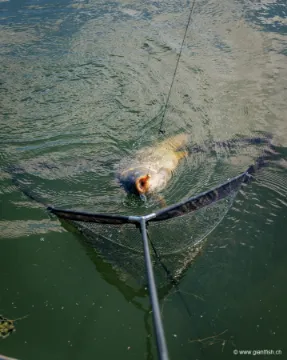
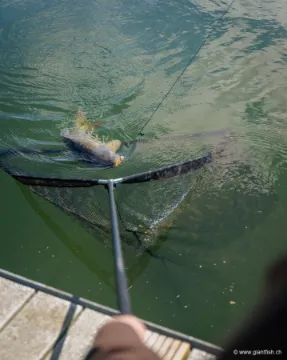
FOX Horizon X4-S Landing Net - 8 ft - 46 in
FOX Horizon X4-S fishing landing net designed for safe fish landing: soft mesh, durable construction, and easy handling for freshwater carp fishing.
33.20 (CHF) incl tax
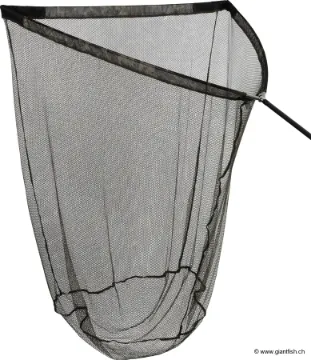
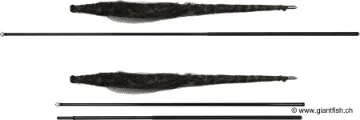
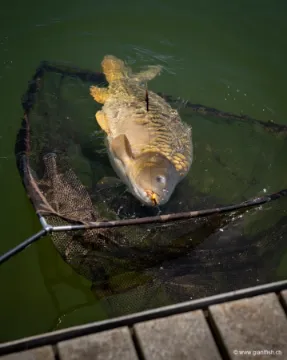
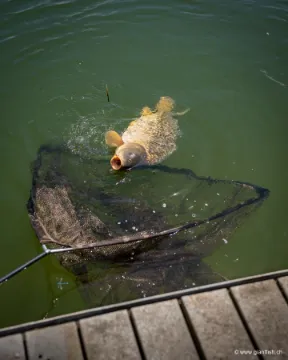
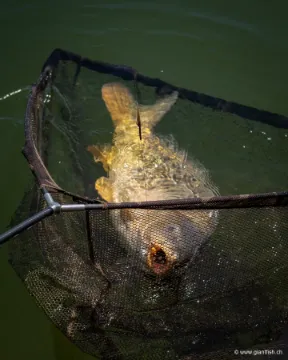
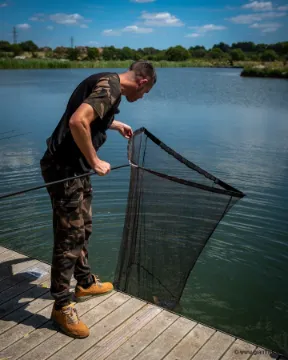
FOX Horizon X4-S Landing Net - 8 ft - 42"
Fox Horizon X4S fishing landing net with handle and camouflage mesh, designed for safe fish landing and comfortable handling on the bank.
30.55 (CHF) incl tax
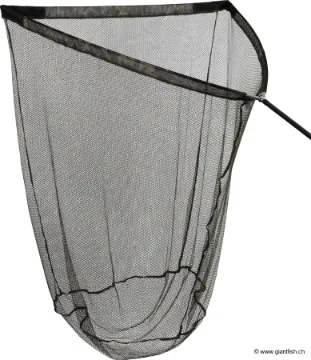
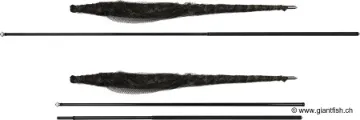
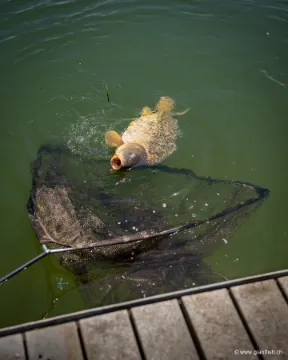
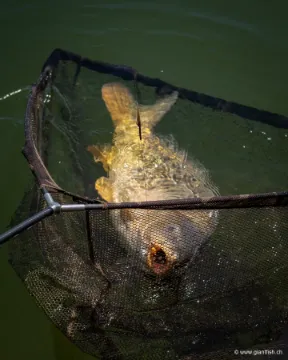
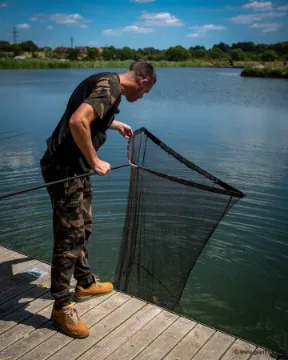
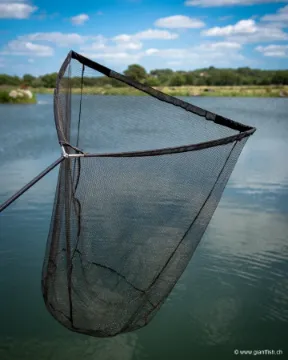
FOX Horizon X4-S Camo Mesh Landing Net - 6 ft - 42"
Fox Horizon X4S landing net for safely landing carp: stable frame, deep mesh, and secure handling on the bank.
16.15 (CHF) incl tax
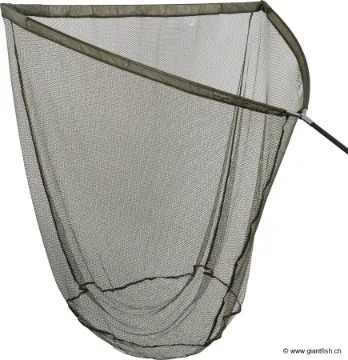
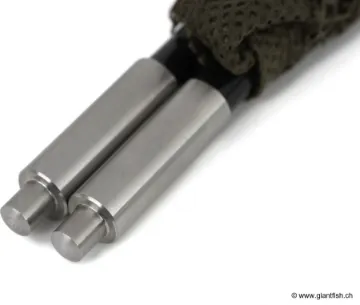
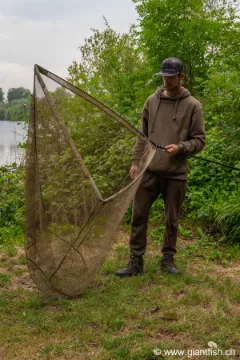
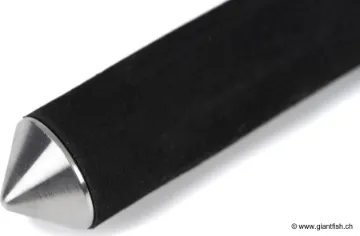
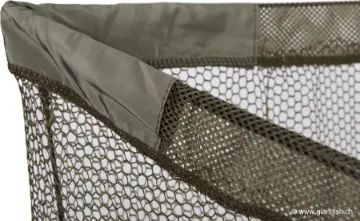
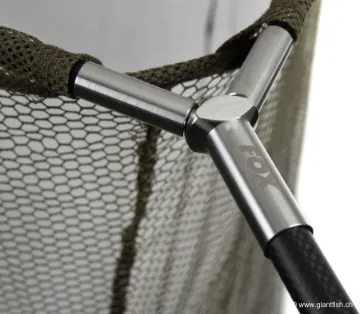
FOX Horizon X3-S Landing Net - 6 ft - 46""
FOX Horizon X3S carp landing net designed for carp fishing: safer netting, fish-friendly mesh, and stable handling at the water’s edge.
35.65 (CHF) incl tax
Carp landing nets: safety and fish care
The landing net is an essential part of any carp angler’s gear. It secures the fish at the end of the fight, reduces stress, and helps prevent injuries. A good net must be robust, easy to handle, and fish-friendly, while still matching your fishing style and the spots you usually fish.
On this page you’ll find different types of carp landing nets designed to cover the needs of beginners as well as experienced carp anglers, whether you fish from the bank or from a boat.
How to choose the right carp landing net
When selecting a landing net, a few key criteria deserve special attention:
- Head size: a wide opening makes it easier to net big carp and hard-fighting fish.
- Net depth: a deep mesh keeps the fish safely in the net while you weigh it or take photos.
- Mesh type: fish-friendly, fine or rubber-coated meshes reduce the risk of injuries and loss of protective mucus.
- Handle: length, stiffness, and grip must suit the distance to your banks, docks, or platforms.
- Weight and balance: a light yet strong net reduces fatigue during repeated fights.
Types of landing nets for carp fishing
There are several families of carp landing nets, each with advantages depending on the situation:
- Classic wide-opening landing nets: ideal for most lakes and ponds, usually with detachable arms and a deep mesh.
- Telescopic or long-handle models: practical for high banks, obstacles, or long-distance fishing.
- Folding or compact landing nets: perfect for easy transport, short sessions, and mobile anglers.
- Rubber-coated landing nets: reduce hook tangles and dry faster, useful for frequent sessions.
Techniques for use at the water’s edge
A good landing net is not enough on its own; the way you use it is just as important to land your fish safely:
- Always keep the landing net ready, handle extended and head in the water before you guide the carp in.
- Don’t try to “grab” the fish; gently slide it over the mesh before lifting the net.
- When night fishing, use clear visual markers and a headlamp so you can position the net accurately.
- In summer, when weed beds are dense, a stiff handle and a wide opening make it easier to net fish in vegetation.
Care and durability of your landing net
Regular maintenance extends the life of your landing net and ensures good hygiene at the water’s edge:
- Rinse the mesh in clean water after each session to reduce odors and residue.
- Let it dry completely before storage to avoid mold and damage.
- Check the stitching, frame, and handle regularly, especially after a fight with a big fish.
- Transport the net head in a bag or sleeve to protect the mesh and avoid snags.
FAQ - Carp landing nets
What size landing net for carp?
For carp fishing, a wide opening with a deep mesh is recommended. It lets you handle both medium-sized carp and big specimens with confidence, without injuring them.
Rubber mesh or standard nylon?
Rubber-coated mesh reduces hook tangles and dries more quickly, while soft nylon is often lighter. Your choice depends on whether you prioritize ease of use or maximum discretion.
Do I need a different landing net for night fishing?
The same landing net will work, but a handle that’s easy to see, a good headlamp, and a well-organized swim around the net make landing fish in the dark much easier.
Payment options


