











Cookies help us deliver our services. By using our services, you agree to our use of cookies.
Search
[CHF] Swiss Franc
English
- Fishing license
- New Products
- Predator
- Trout
- Fly Fishing
- Carp
- Catfish
- Pole Fishing
- Sea Fishing
-
Clothing
- Fishing jackets
- Hoodies, fleeces & sweaters
- Fishing T-shirts, Polos, and Shirts
- Fishing Pants, Bibs, and Shorts
- Fishing vests and chest packs
- Waders and Hip Boots
- Boots, Shoes & Sandals
- Polarized sunglasses & Accessories
- Caps, Visors & Hats
- Beanies, Neck gaiters & Gloves
- Thermal underwear & Socks
- UV-blocking Clothing and Sun protection accessories
- Various
- Navigation
- Hunting
- Decor & Gifts
- Brands
Filter
Filter by price
Filter by manufacturer
Fishing Lines
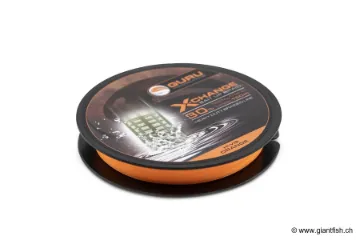

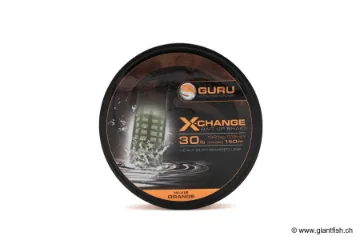
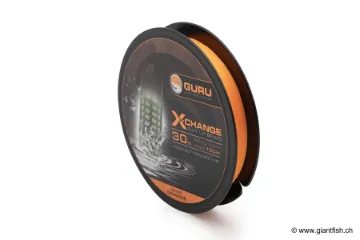
Braid Guru X-Change Bait Up Braid - 150 m
Braid Guru X-Change Bait Up Braid, performance and durability for long-distance baiting. Excellent visibility, durability, and precision for demanding anglers.
31.80 (CHF) incl tax
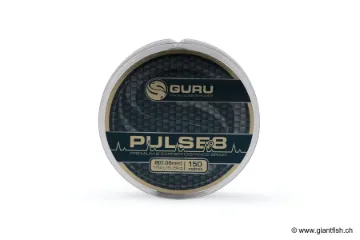
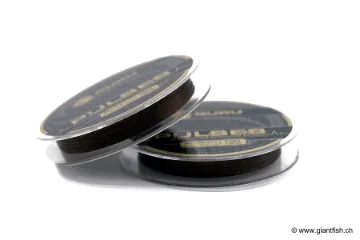
Braid Guru Pulse-8 Braid - 150 m
Guru Pulse-8 Braid – ultra-resistant 8-strand braid, excellent sensitivity, ideal for demanding anglers, maximum performance, exceptional direct contact, casting precision, longevity, Guru innovations.
27.25 (CHF) incl tax
Nylon Guru Pulse-Line - 300 m
Guru Pulse-Line 10lb, high-performance monofilament fishing line ideal for all techniques
11.35 (CHF) incl tax
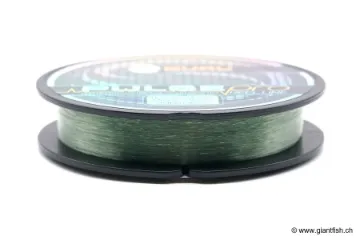
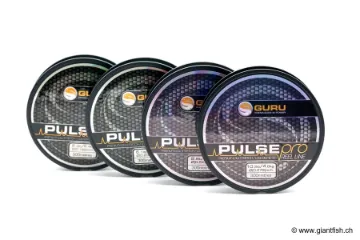
Nylon Guru Pulse Pro - 300 m
Guru Pulse Pro Monofilament, ultra-resistant and high-performance fishing line.
14.55 (CHF) incl tax
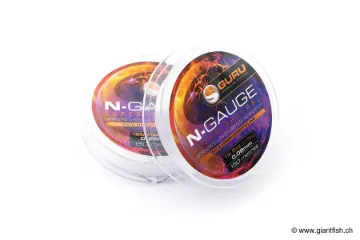
Nylon Guru N-Gauge Super Natural Clear - 150 m
Guru N-Gauge Super Natural Clear monofilament nylon for leaders – high strength, ultra-clear finish, maximum reliability for all modern fishing techniques.
7.25 (CHF) incl tax
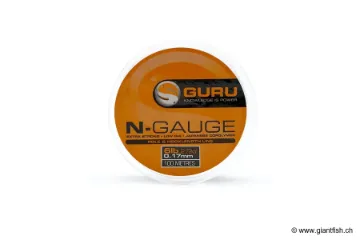
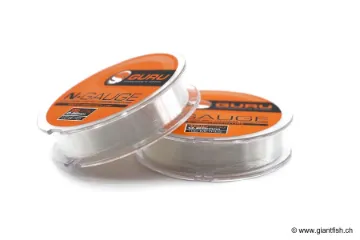
Nylon Guru N-Gauge - 100 m
Guru N-Gauge High Strength Fishing Line: optimal performance for feeder or competition rigs, reliable Japanese monofilament.
6.80 (CHF) incl tax
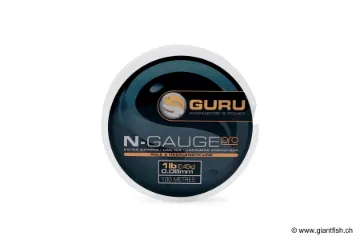
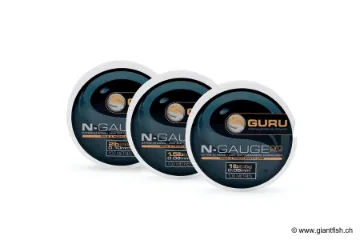
Nylon Guru N-Gauge Pro - 100 m
Guru N-Gauge Pro 1lb: Durable and precise fishing line for hooklength rigs
6.80 (CHF) incl tax
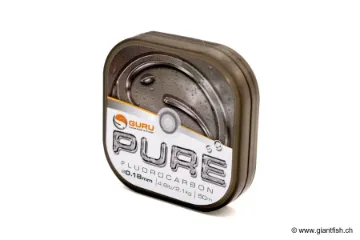
Fluorocarbon Guru PURE Fluorocarbon - 50 m
Guru PURE Fluorocarbon, invisible leader, high knot resistance, extreme precision, effective and sustainable fishing, Guru innovation.
9.10 (CHF) incl tax
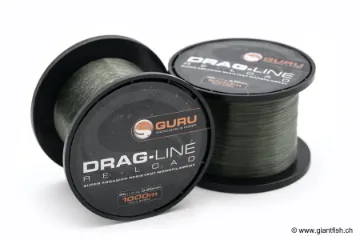
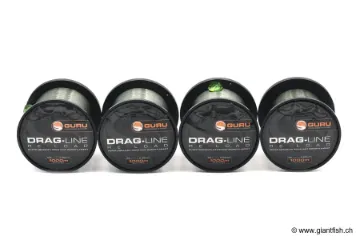
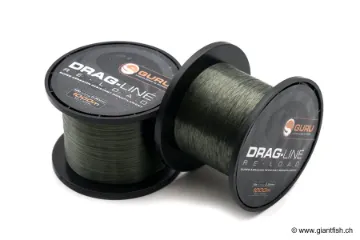
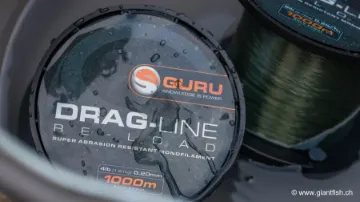
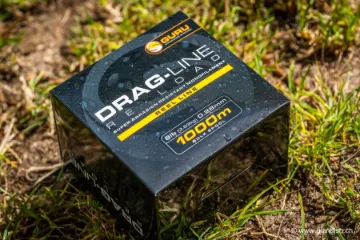
Nylon Guru Drag-Line - 1000 m
Guru Drag-Line 10lb 0.30mm 1000m: ultra-resistant monofilament line, ideal for modern fishing, high stealth and durability for all conditions.
11.80 (CHF) incl tax
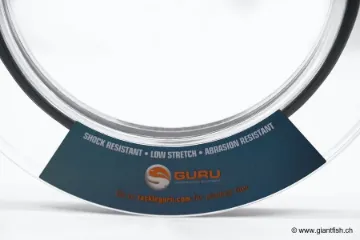
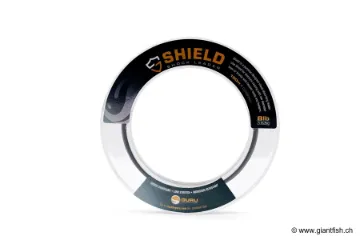
Guru Shield Shockleader Line Head - 100 m
Guru Shield Shockleader Line: high-strength feeder rig line, long-lasting and optimal performance at long distance for modern fishing.
9.10 (CHF) incl tax
Lines dedicated to pole fishing are an essential part of your rig. When properly chosen, they allow accurate casting, effective hook sets, and a natural presentation of the bait, whether you are fishing on a pond, canal, or river.
Choosing the right line for pole fishing
For pole fishing, anglers generally use soft nylon lines that are easy to knot and elastic enough to absorb powerful runs from fish. We distinguish between the mainline, which is more robust, and the hooklength or leader line, which is finer and more discreet.
- Mainline: larger diameter, designed to handle casting, shot weights, and the strain of the fight.
- Hooklength/leader: finer diameter for a more natural presentation and clearer bites.
- Lines for floats: designed to keep the rig stable around the float.
The choice of line depends on the target species (roach, bream, small carp, carp), the fishing distance, and the type of water (still or flowing).
Diameter, strength, and stretch
Finding the right balance between finesse and strength is the key to a successful pole rig. Line that is too thick will restrict the natural movement of the bait, while line that is too fine risks breaking on the strike.
- Diameter: for classic pole fishing, hooklengths are often between 0.08 and 0.14 mm, with slightly thicker diameters for the mainline.
- Linear strength: check the stated breaking strain in kilograms to match the line to the average size of the fish you are targeting.
- Stretch: slightly stretchy nylon forgives striking errors, especially when using very stiff poles.
Quality line keeps its true diameter and strength and does not twist, even after several trips, ensuring reliable and consistent rigs.
Rigs and how to use pole fishing lines
Pole fishing lines can be used to make different rigs depending on your technique and preferences. They are suitable both for ready-tied pole rigs and for fully custom setups.
- Ready-tied rigs: ideal for saving time at the water and ensuring consistent diameters.
- Custom rigs: precise choice of lines for light floats, heavy shot, or targeting larger fish.
- Knots: choose supple lines that handle connection knots, loops, and hook knots well.
Matching your lines to your fishing style (speed fishing, margin work, or long-distance pole fishing) helps you control the drift of the rig and improve bite detection.
Season, conditions, and line color
Weather conditions and season affect line choice. In cold, clear water, fish are more cautious, so finer diameters and discreet lines are preferred. In summer, when fish are more active, you can increase the diameter slightly to secure the fight.
- Clear water: finer lines and neutral colors to limit visibility.
- Colored water: you can use slightly thicker lines, even lightly tinted ones.
- Big fish: stronger nylon, sometimes combined with internal elastic in the pole.
The color of the line (clear, smoke, or lightly tinted) also affects discretion. A line adapted to the day’s conditions increases your chances of bites while still giving you good control over the fish.
FAQ - Lines for pole fishing
What line diameter should I choose to start pole fishing?
To begin, a mainline around 0.14 to 0.16 mm and hooklengths from 0.10 to 0.12 mm will cover most situations when targeting average-sized white fish.
How often should I change my pole fishing line?
It is recommended to check your line regularly for wear. Replacing it at least once or twice per season, or as soon as you notice abrasion marks or twists, will keep your rigs safer.
Can I use the same line for both ponds and rivers?
A versatile line can work, but for river fishing it is better to choose nylon that is slightly stronger and a bit stiffer to control the rig better in the current.
What hooklength length should I use for pole fishing?
The standard length is between 6 and 12 inches (15 to 30 cm), to be adjusted according to fish size, how delicate the bites are, and the behavior of the float.
Payment options


