


















Cookies help us deliver our services. By using our services, you agree to our use of cookies.
Search
[CHF] Swiss Franc
English
- Fishing license
- New Products
- Predator
- Trout
- Fly Fishing
- Carp
- Catfish
- Pole Fishing
- Sea Fishing
-
Clothing
- Fishing jackets
- Hoodies, fleeces & sweaters
- Fishing T-shirts, Polos, and Shirts
- Fishing Pants, Bibs, and Shorts
- Fishing vests and chest packs
- Waders and Hip Boots
- Boots, Shoes & Sandals
- Polarized sunglasses & Accessories
- Caps, Visors & Hats
- Beanies, Neck gaiters & Gloves
- Thermal underwear & Socks
- UV-blocking Clothing and Sun protection accessories
- Various
- Navigation
- Hunting
- Decor & Gifts
- Brands
Filter
Filter by price
Filter by manufacturer
Lures
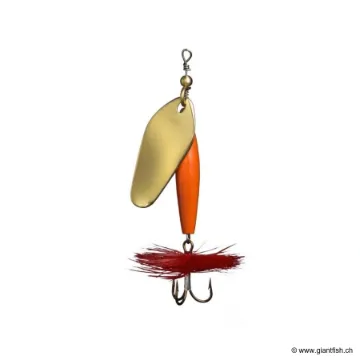

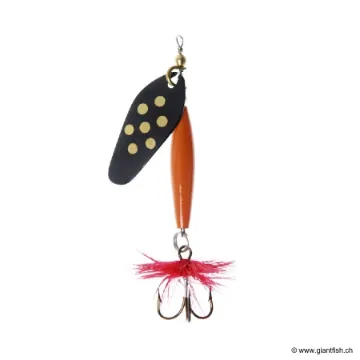
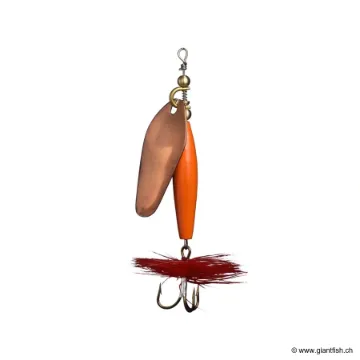
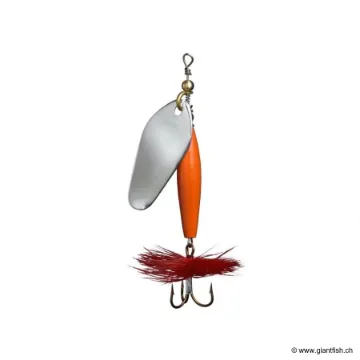
Spinning Spoon MYRAN Myrspinnare - 18 g
Spinning spoon with interchangeable blade, designed to quickly adjust vibrations and flash according to conditions. Ideal for exploring freshwater, in rivers and stillwaters, for predatory fish.
7.45 (CHF) incl tax
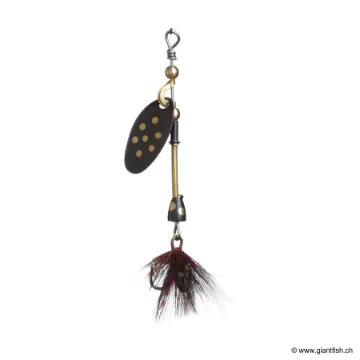
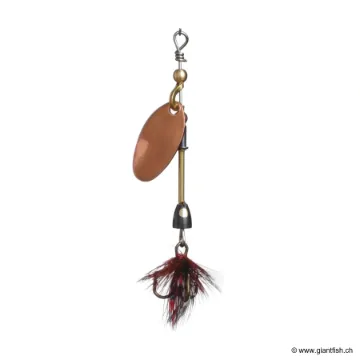
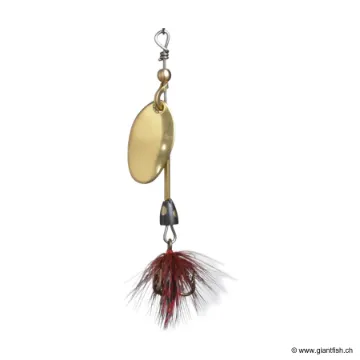
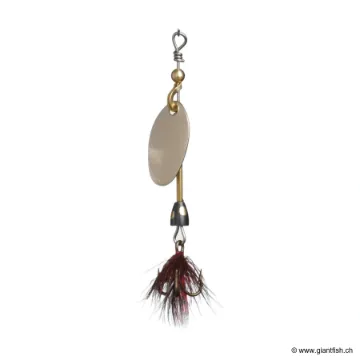
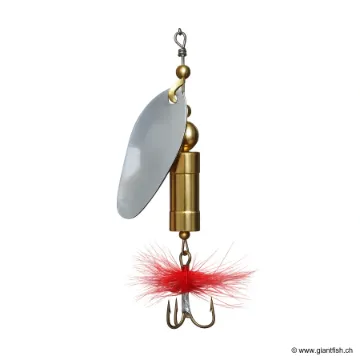
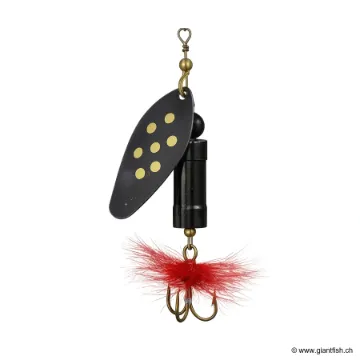
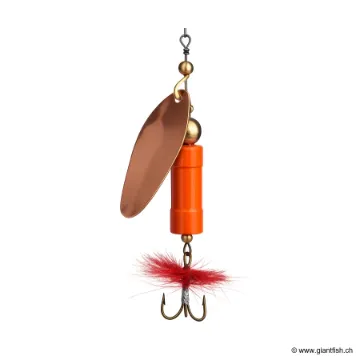
MYRAN Lilla My Spinner
Ultra-light 1.5 g spinner for finesse fishing in streams, rivers, or along pond edges. Two-tone brass body and Mira-Fly-Hook for smooth rotation and easy action when fish are wary.
5.85 (CHF) incl tax
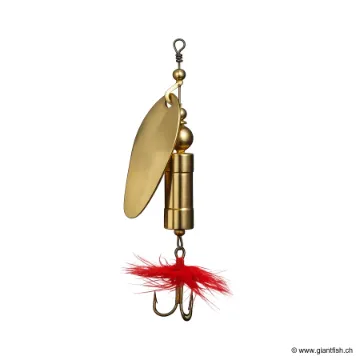
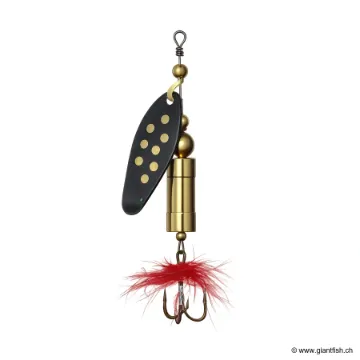
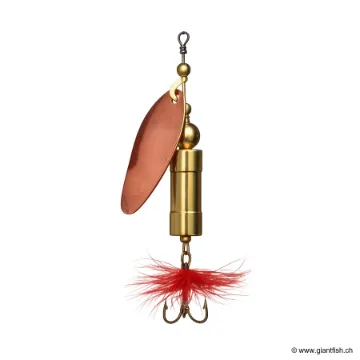
Myran Tuna-Lax Spinner Spoon - 30 g
Spinning spoon designed for salmon fishing in rivers, especially suited to stronger currents and higher water levels. Its compact, heavy profile promotes fast sinking, excellent holding power in the current, and easy casting.
7.45 (CHF) incl tax
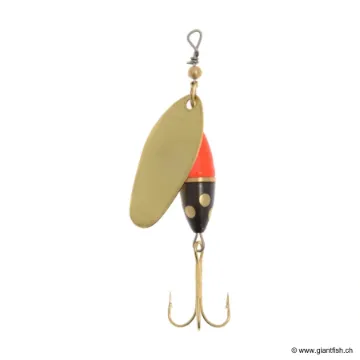
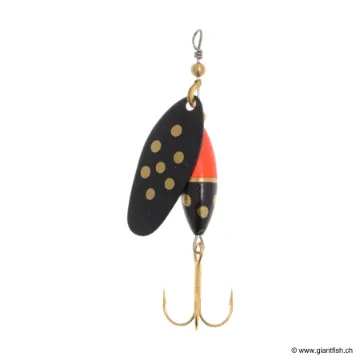
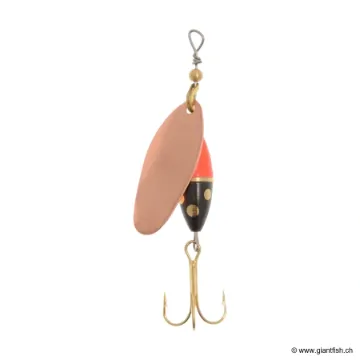
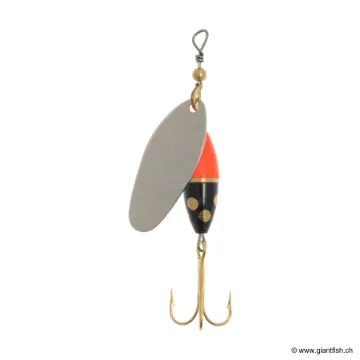
MYRAN Panter Spinner HOT - 20 g
Spinner lure designed for predatory fish, with smooth rotation and a compact body for accurate casts. Effective in rivers, lakes, and coastal areas, with both slow and fast retrieves.
6.70 (CHF) incl tax
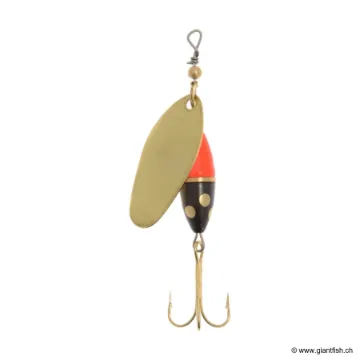
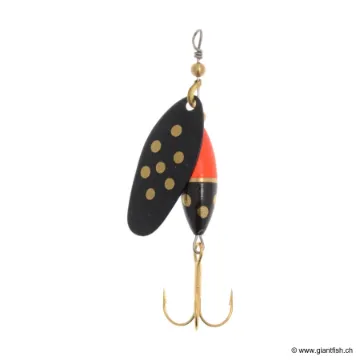
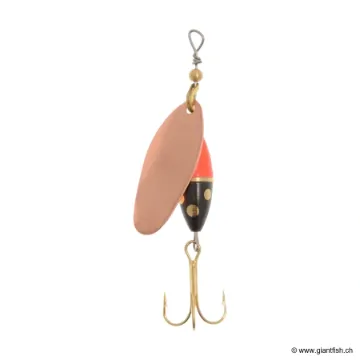
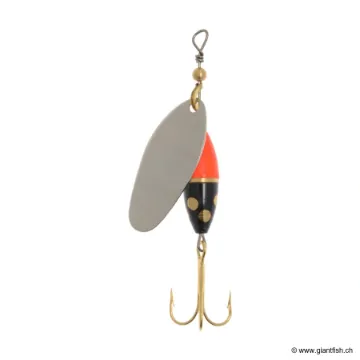
MYRAN Panter HOT Rotating Spoon - 15 g
Compact rotating spoon with a regular blade, designed for predatory fish such as pike. Stable on slow or fast retrieves, it casts accurately and can be used in rivers, lakes, or coastal areas.
6.70 (CHF) incl tax
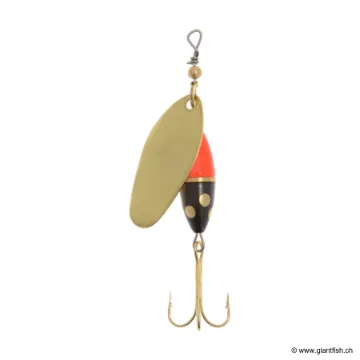
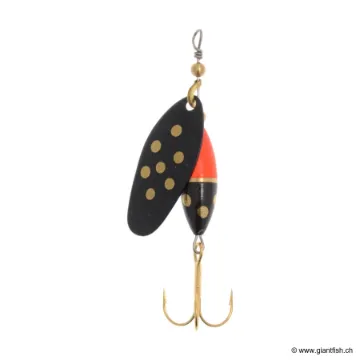
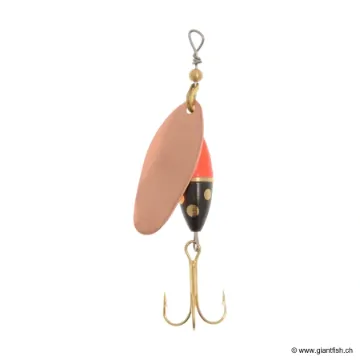
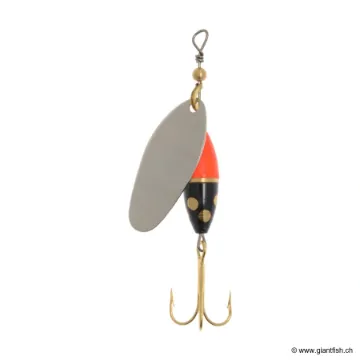
MYRAN Panter HOT Spinner - 10 g
Spinner for predator fishing, featuring a blade with smooth, consistent rotation that starts easily. Its compact body makes casting easier and allows effective coverage in rivers, lakes, or coastal areas, with slow or fast retrieves.
6.35 (CHF) incl tax
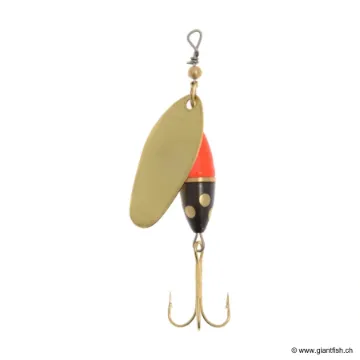
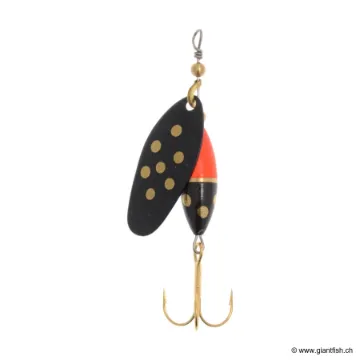
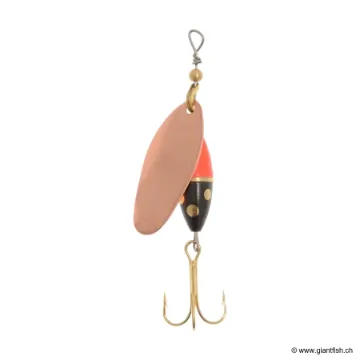
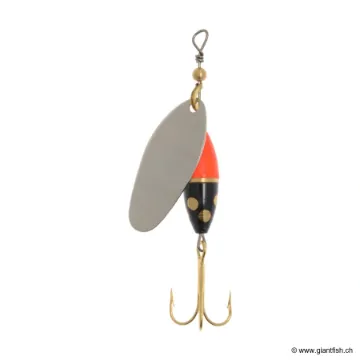
MYRAN Panter Spinning Spoon HOT - 7 g
Compact Swedish spinner with a rotating blade, designed for predator fishing. Smooth rotation at different retrieve speeds for effective coverage in rivers, lakes, or along the coast.
5.85 (CHF) incl tax
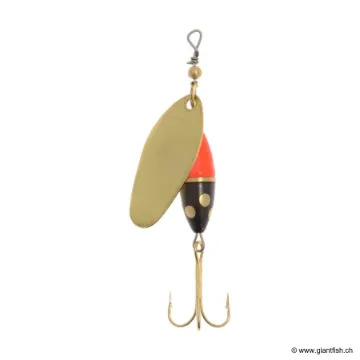
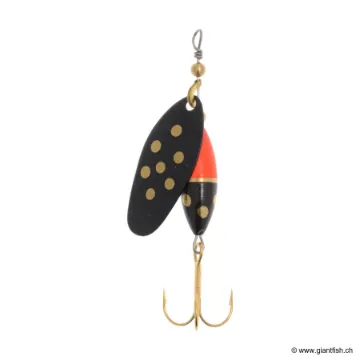
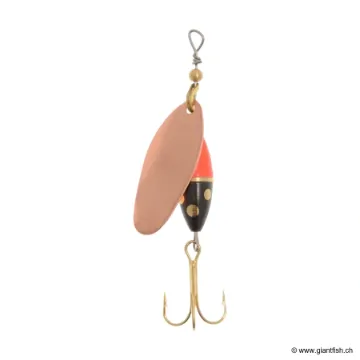
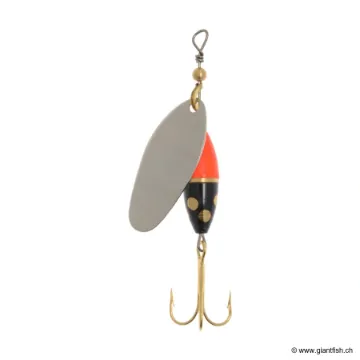
MYRAN Panter HOT Spinning Spoon - 5 g
Robust Swedish spinner with a compact body, designed to trigger predatory fish with a blade that spins at a steady pace. Ideal for covering rivers, lakes, and coastal areas, with both slow and fast retrieves.
5.85 (CHF) incl tax
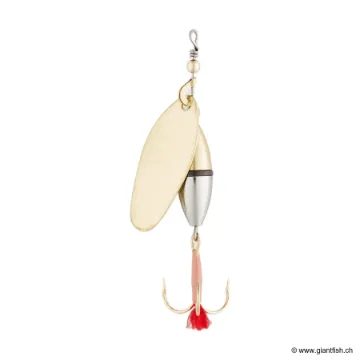
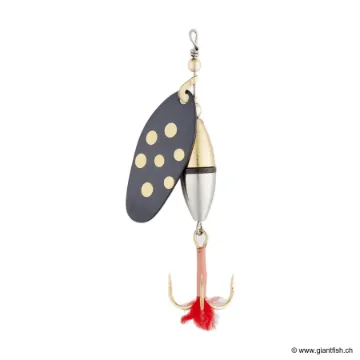
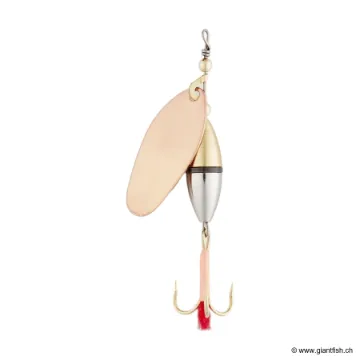
Spinner Lure MYRAN Agat Flex - 10 g
Spinner lure designed for clear water, with copper/silver reflections and smoothly rotating blades. Ideal for lakes, streams, or rivers to trigger wary fish with fine vibrations and a steady swimming action.
6.70 (CHF) incl tax
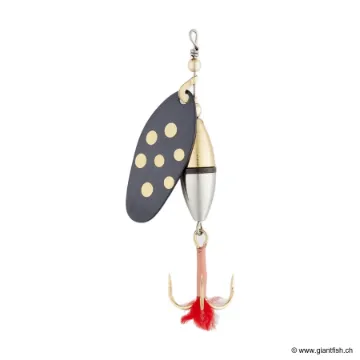
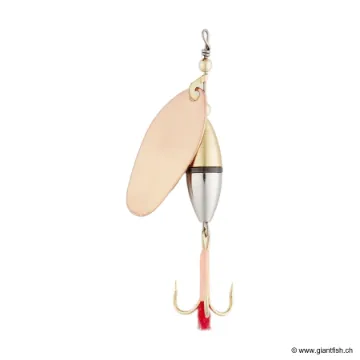
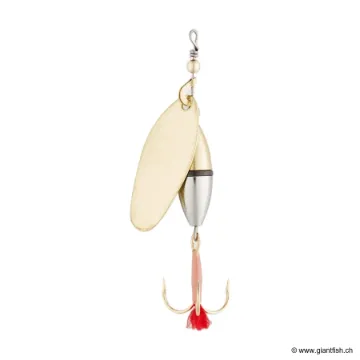
MYRAN Agat Flex Spinning Spoon - 7 g
Spinning spoon designed for fishing in clear water, ideal when fish are wary. Its copper/silver reflections and steady rotation make for discreet coverage in streams and mountain lakes.
5.85 (CHF) incl tax
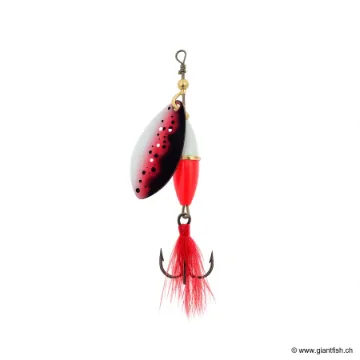
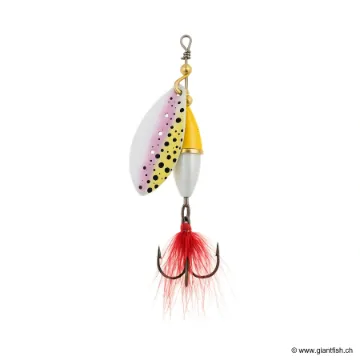
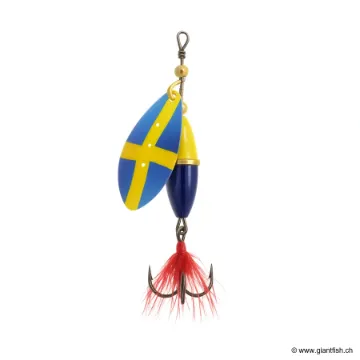
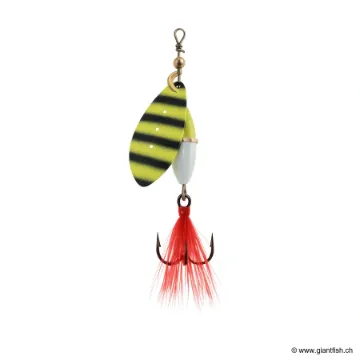
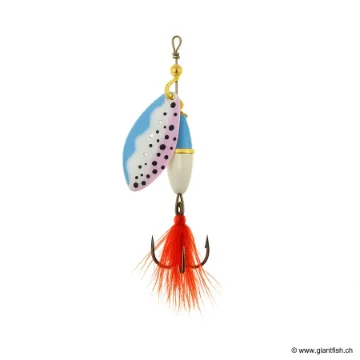
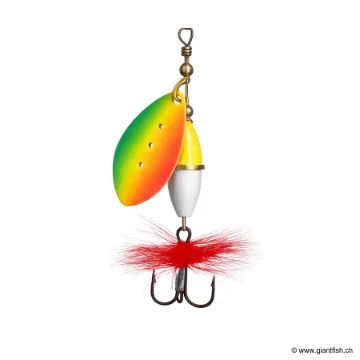
Myran Wipp Special Spinner - 15 g
The Myran Wipp Special is a spinning spoon for casting and retrieving. Its blade starts rotating as soon as it hits the water, while its two-tone body stays stable during the retrieve.
6.70 (CHF) incl tax
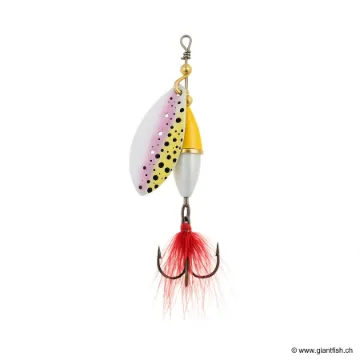
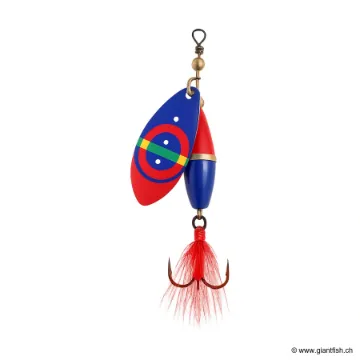
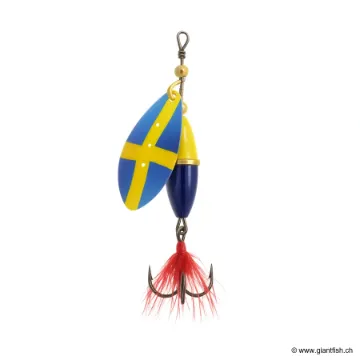
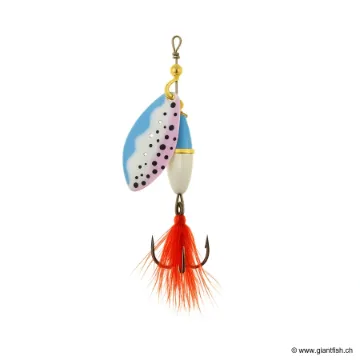
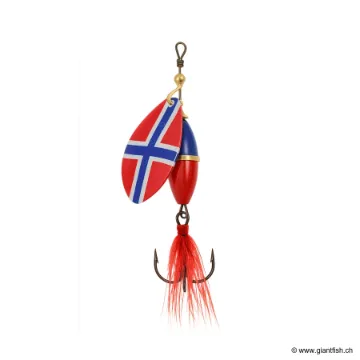
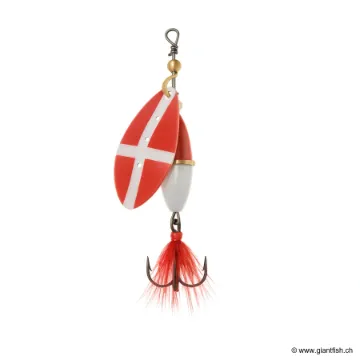
MYRAN Wipp Special Spinner - 10 g
This spinner comes into action as soon as it enters the water. Its stable swim, smooth rotation, and distinctive sound signature make it ideal for casting and retrieving.
6.35 (CHF) incl tax
Trout lures let you cover every situation, from tight overgrown creeks to deep open lakes. This selection helps you choose the right models for your spots, the season and how the fish are behaving.
Choosing your trout lures
To pick the right trout lure, start by considering three key factors:
- Size: small lures (1.2 to 2 in / 3 to 5 cm) for creeks and wary fish, larger sizes for aggressive trout or deeper holding areas.
- Weight: lighter models for fishing shallow or in gentle current, heavier ones to reach the bottom quickly or work far from the bank.
- Color: natural colors in clear water and bright weather, brighter or high-contrast patterns in stained water or under overcast skies.
Also match the hook setup and strength of the lure to the size of trout you target and the amount of cover or snags present.
Must-have types of trout lures
- Inline spinners and spoons: ideal for quickly covering water, they trigger reaction bites thanks to their vibration and flash.
- Minnows and hardbaits: perfect for imitating small baitfish. They come in floating, suspending or sinking versions to fish different layers of the water column.
- Soft lures: finesse baits, shads or creature baits rigged on light jig heads, effective on pressured trout or in cold water.
- Micro jigs and metal jigs: useful for reaching trout holding deep or for long-distance casting from the bank.
Combine these lure families to build a versatile box that can handle most conditions.
Adapting your lures to seasons and spots
The choice of trout lure changes a lot over the course of the year:
- Early season: cold water and often high flows. Favor slightly heavier, vibrating lures, worked close to the bottom at a moderate speed.
- Late spring and summer: clearer water, active trout. Use small minnows and slim spoons, with faster retrieves and shoreline-oriented tactics.
- Fall: the biggest trout are feeding hard. Don’t hesitate to size up with bulkier hardbaits or highly visible soft lures.
In rivers, focus on current seams, and the heads and tails of pools. In lakes, look for drop-offs, inflows and weedbeds where trout hunt.
Retrieve and rigging tips
A good retrieve brings out the full potential of a lure. With spinning gear, vary retrieve speeds, add pauses and use small twitches with minnows. With soft lures, work them in a hopping, stair-step motion or a slow straight retrieve close to the bottom.
A low-visibility fluorocarbon leader improves presentation. Adjust the diameter to the size of the fish and the amount of cover. Also remember to regularly check your hooks and split rings to avoid losing a good trout to a straightened or dull hook.
FAQ – Trout lures
What type of lure should I choose for a small clear stream?
Go for small, lightweight spinners or 1.2 to 2 in (3 to 5 cm) minnows in natural colors (trout, minnow, muted patterns). Fish discreetly, working your way upstream.
Do I need a lot of different models in my box?
A few spinners, two or three complementary minnows and a handful of well-chosen soft lures are enough. The main thing is to vary sizes, running depths and colors so you can quickly adapt to changing conditions.
Payment options


