























Cookies help us deliver our services. By using our services, you agree to our use of cookies.
Search

[CHF] Swiss Franc
English
- Fishing license
- New Products
- Predator
- Trout
- Fly Fishing
- Carp
- Catfish
- Pole Fishing
- Sea Fishing
-
Clothing
- Fishing jackets
- Hoodies, fleeces & sweaters
- Fishing T-shirts, Polos, and Shirts
- Fishing Pants, Bibs, and Shorts
- Fishing vests and chest packs
- Waders and Hip Boots
- Boots, Shoes & Sandals
- Polarized sunglasses & Accessories
- Caps, Visors & Hats
- Beanies, Neck gaiters & Gloves
- Thermal underwear & Socks
- UV-blocking Clothing and Sun protection accessories
- Various
- Navigation
- Hunting
- Decor & Gifts
- Brands
Filter
Filter by price
Filter by manufacturer
Polarized sunglasses & Accessories


Polarized Sunglasses FOX Collection
FOX sunglasses designed for fishing and outdoor activities: visual comfort, reduced glare, and understated style to accompany you by the water and every day.
20.20 (CHF) incl tax

FOX AV8 Polarized Sunglasses Brown Lens
Replacement lens for Fox AV8 sunglasses, designed for fishing and outdoor use.
22.75 (CHF) incl tax


FOX Avius Polarized Sunglasses
The FOX Avius sunglasses are designed for fishing and outdoor activities, with a discreet style and comfortable everyday wear.
22.75 (CHF) incl tax

FOX Avius Polarized Sunglasses Black/Camo
Replacement lens for FOX Avius sunglasses, ideal for restoring clear vision during fishing trips and outdoor activities.
22.75 (CHF) incl tax


FOX Collection Wraps Polarized Sunglasses
The FOX Collection Wraps are wrap-around sunglasses designed for fishing, offering stable fit, effective protection from the elements, and long-lasting visual comfort by the water.
20.20 (CHF) incl tax
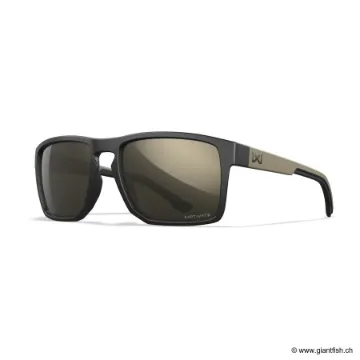
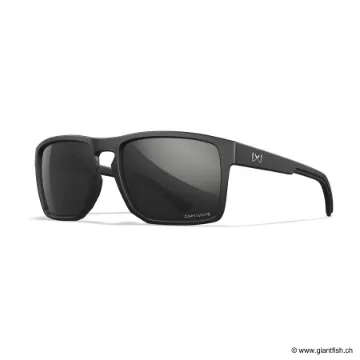
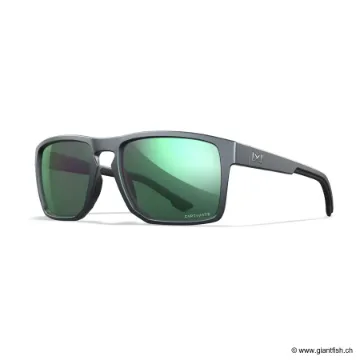
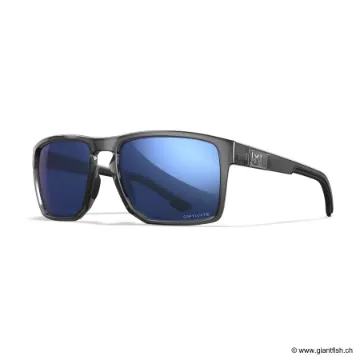
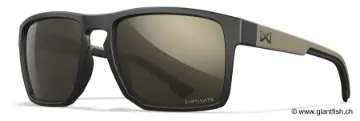
Wiley X Founder Polarized Sunglasses
Wiley X Founder Captivate polarized sunglasses for fishing and outdoor activities, maximum UV protection, lasting comfort and a secure wraparound frame.
149.55 (CHF) incl tax
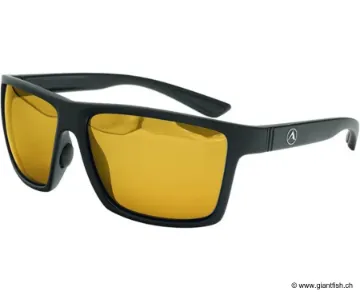
FISHING LEGACY Danica Polarized Floating Sunglasses – Yellow
Fishing Legacy Danica floating polarized sunglasses for fishing and water activities, offering comfort, UV protection and clear on-water vision.
32.05 (CHF) incl tax
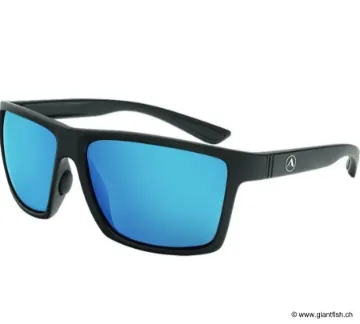
FISHING LEGACY Danica Polarized Sunglasses Gray-Blue
Floating polarized sunglasses for fishing — the FISHING LEGACY Danica model: comfortable, lightweight and protective on the water.
32.05 (CHF) incl tax
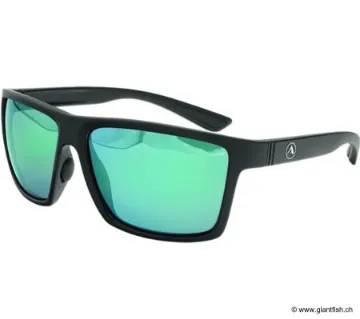
FISHING LEGACY Danica Polarized Floating Sunglasses — Amber-Green
Floating polarized sunglasses for fishing, Danica model from FISHING LEGACY, engineered to reduce glare, protect your eyes and provide clear vision on the water.
32.05 (CHF) incl tax
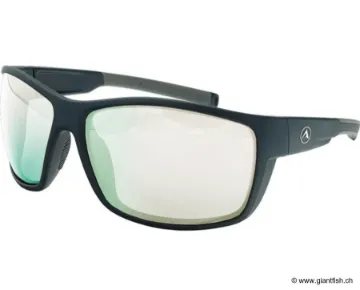
Polarized Sunglasses FISHING LEGACY Divna Gray-White
Floating polarized sunglasses FISHING LEGACY Divna, specially designed for fishing and water activities, offering long-lasting comfort, eye protection and reduced surface glare on the water.
32.05 (CHF) incl tax
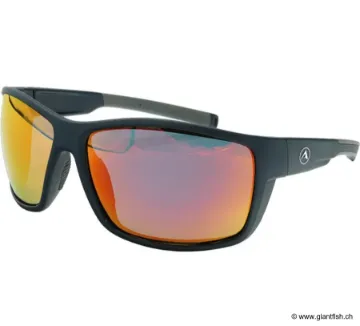
FISHING LEGACY Divna Polarized Sunglasses — Gray-Red
Floating polarized FISHING LEGACY Divna sunglasses for fishing, offering excellent on-water visibility, long-lasting comfort and reliable UV protection for all your sessions.
32.05 (CHF) incl tax
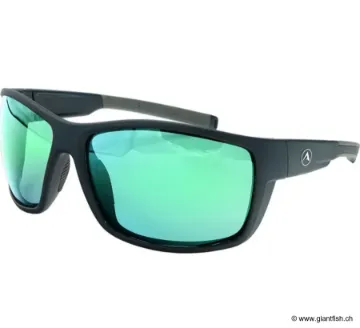
FISHING LEGACY Divna Amber-Green Polarized Sunglasses
DIVNA floating polarized sunglasses by FISHING LEGACY, ideal for fishing and water activities, offering comfort, UV protection and enhanced contrast on the water.
32.05 (CHF) incl tax
Polarized sunglasses and accessories have become essential for every modern angler. They improve underwater visibility, protect your eyes and make your sessions more comfortable, whether you fish from the bank, a boat or a float tube.
Why use polarized sunglasses for fishing?
Polarization dramatically reduces glare on the water, helping you read the water better and spot drop-offs, weed beds and sometimes even fish. On top of this technical advantage, they provide effective protection against UV rays and flying debris.
- Better water reading so you can place your lures with precision
- Reduced eye fatigue during long days in full sun
- Mechanical protection against hooks, wind and splashes
Whether you fish for trout in rivers, predators on lakes or on the feeder, clearly seeing what happens just under the surface makes a real difference.
Choosing the right lens tint
The tint of the lenses determines visual comfort and the versatility of your polarized sunglasses.
- Brown or amber lenses: very versatile, perfect for most situations, enhance contrast in freshwater.
- Gray lenses: ideal in bright sunlight, deliver natural color rendition, popular on boats and in open water.
- Yellow or light lenses: suited to low light, mornings, evenings or overcast days, useful at the start and end of the season.
Also consider the UV filter category and the frame shape. A wraparound frame limits side light and further improves comfort.
Useful accessories for your sunglasses
The right accessories extend the life of your polarized sunglasses and make them more practical on the water.
- Hard cases to protect the lenses while they are in your fishing bag.
- Cords or straps to prevent your sunglasses from falling in the water during casts or when you move around.
- Microfiber wipes to clean the lenses without scratching them, even after spray or mud splashes.
- Floating models or clip-on floaters that reduce the risk of losing them from a boat or float tube.
These simple accessories make a big difference over time, especially if you fish regularly.
Care and use tips
To maintain clear vision, it is essential to take proper care of your polarized sunglasses. Rinse them in fresh water after use in a salty or dusty environment, then dry them with a clean cloth. Avoid abrasive papers and never rub dry lenses that are covered with sand grains.
While fishing, store your sunglasses in a case when they are not on your nose, and regularly check the screws and the strength of the arms. A well-adjusted pair stays in place during hard hooksets and fast moves.
FAQ – Polarized sunglasses & accessories
Are polarized sunglasses useful in overcast weather?
Yes, even under cloudy skies they reduce glare and improve contrast. Light or amber lenses remain particularly comfortable in these conditions.
Do I need a specific frame for boat fishing?
A wraparound frame that sits close to the face is recommended. Combined with a cord or floating system, it reduces the risk of loss and offers better protection from side light.
How do I choose between different lens tints?
If you only buy one pair, go for brown or amber lenses, which are very versatile. For more technical use, add a gray tint for very bright conditions or a yellow tint for low light.
Payment options


