










Cookies help us deliver our services. By using our services, you agree to our use of cookies.
Search
[CHF] Swiss Franc
English
- Fishing license
- New Products
- Predator
- Trout
- Fly Fishing
- Carp
- Catfish
- Pole Fishing
- Sea Fishing
-
Clothing
- Fishing jackets
- Hoodies, fleeces & sweaters
- Fishing T-shirts, Polos, and Shirts
- Fishing Pants, Bibs, and Shorts
- Fishing vests and chest packs
- Waders and Hip Boots
- Boots, Shoes & Sandals
- Polarized sunglasses & Accessories
- Caps, Visors & Hats
- Beanies, Neck gaiters & Gloves
- Thermal underwear & Socks
- UV-blocking Clothing and Sun protection accessories
- Various
- Navigation
- Hunting
- Decor & Gifts
- Brands
Filter
Filter by price
Filter by manufacturer
Fly Fishing
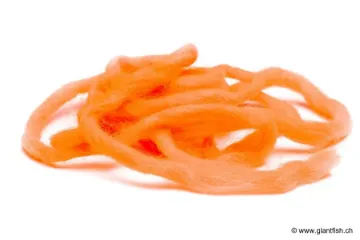

Devaux EGG YARN Synthetic Fiber
Devaux EGG YARN: dense synthetic fiber, ultra-realistic for fly egg tying
4.50 (CHF) incl tax
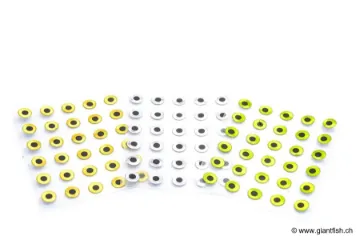
Devaux Adhesive Eyes
Devaux Adhesive Eyes – Ideal accessory for fly tying, ensuring optimal realism and attraction.
5.95 (CHF) incl tax
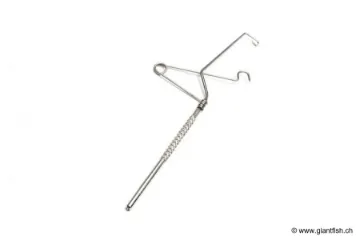
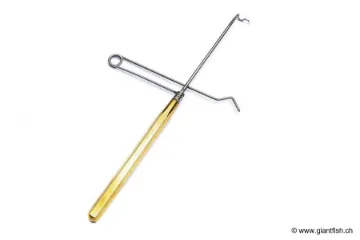
Devaux WHIP FINISHER Knot Finisher
Devaux WHIP FINISHER, a finishing tool for fly-tying for demanding anglers.
4.95 (CHF) incl tax
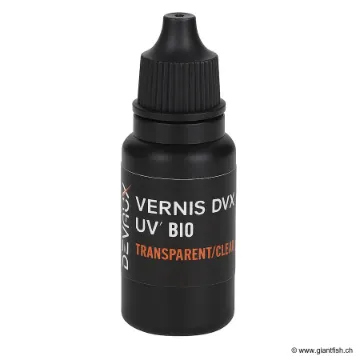
Devaux UV'BIO Varnish
Devaux VARNISH UV'BIO: organic UV varnish, transparent, ideal for fly tying.
10.45 (CHF) incl tax
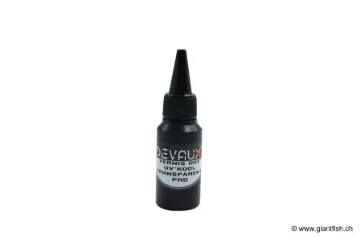
Devaux UV'KOOL PRO UV Varnish
Devaux UV'KOOL PRO UV varnish: thick, transparent, high-strength varnish for predator fly tying. Easy to apply, fast curing, ideal for professional finishes and increased durability.
18.65 (CHF) incl tax
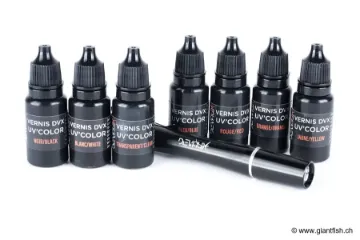
Devaux UV Color Varnish
Devaux UV Color Varnish for fly tying: a fluid UV varnish, instant curing under a UV lamp, smooth and durable finish—ideal for reinforcing, coloring and protecting your flies with precision.
10.45 (CHF) incl tax
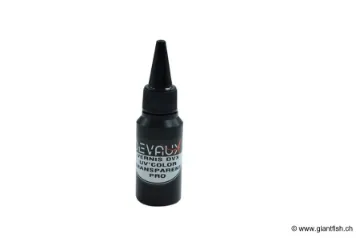
Devaux UV'COLOR PRO Varnish
Devaux UV'COLOR PRO Clear Varnish, an essential accessory for fly tying that delivers a professional finish and long-lasting durability to all your creations.
18.65 (CHF) incl tax
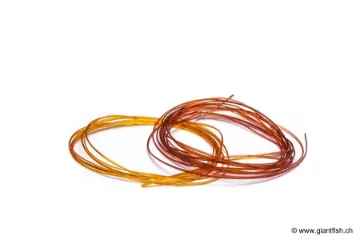
Devaux VINYL RIB Pouch
Devaux VINYL RIB: an innovative material for easily tying semi-translucent, segmented bodies—ideal for wet flies, nymphs and chironomids. High stretch and fine gauge deliver unmatched realism for fly fishing.
4.50 (CHF) incl tax
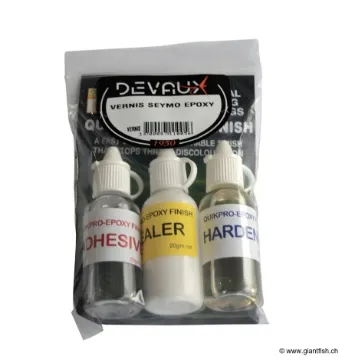
Devaux Seymo Epoxy Varnish
Devaux Seymo Epoxy Varnish for Rod and Fly Tying – Professional Transparent Finish
35.45 (CHF) incl tax
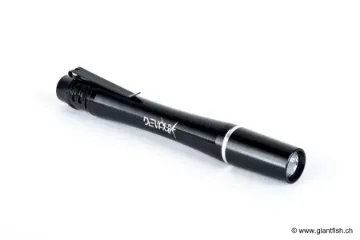
Devaux Lazer UV Lamp DVX
Devaux Lazer UV Lamp: instant curing and a perfect finish for fly tying
14.45 (CHF) incl tax
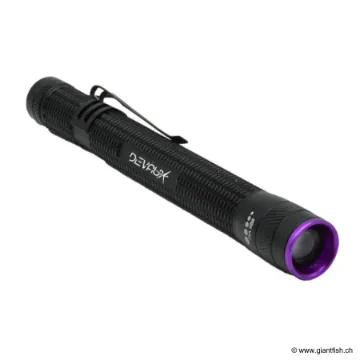
Devaux LAZER PRO 395 UV Lamp
Devaux LAZER PRO 395 UV Lamp: fast drying, high performance, flawless finish, fly-tying tool
19.55 (CHF) incl tax
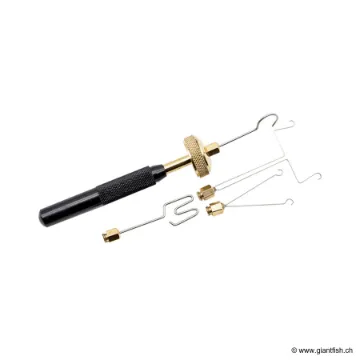
Twister Dubbing Devaux ROTOBILLE KIT
Devaux TWISTER DUBBING ROTOBILLE KIT: innovative accessory for high-performance fly tying.
22.65 (CHF) incl tax
Payment options


