





















Switzerland offers an exceptional diversity of fishing spots: large lakes, rivers, alpine streams and mountain lakes. But knowing where to fish in Switzerland isn’t just about memorizing a few place names. The best anglers pay attention to depth, currents, weed beds, weather, seasons—and above all the species they want to target.
Whether you’re after trout, perch, pike or other fish found in Swiss waters, this guide will help you better understand where to look and how to identify truly productive areas.
Where to fish in Switzerland? A few must-know environments
The best area mainly depends on the species you’re targeting and the type of fishing you practice. In Switzerland, you can sometimes go—within just a few dozen kilometers—from a large lowland lake to a fast-flowing river or an alpine lake.
- Lake Geneva (Lac Léman): a huge playground for perch, pike, salmonids and other lake species.
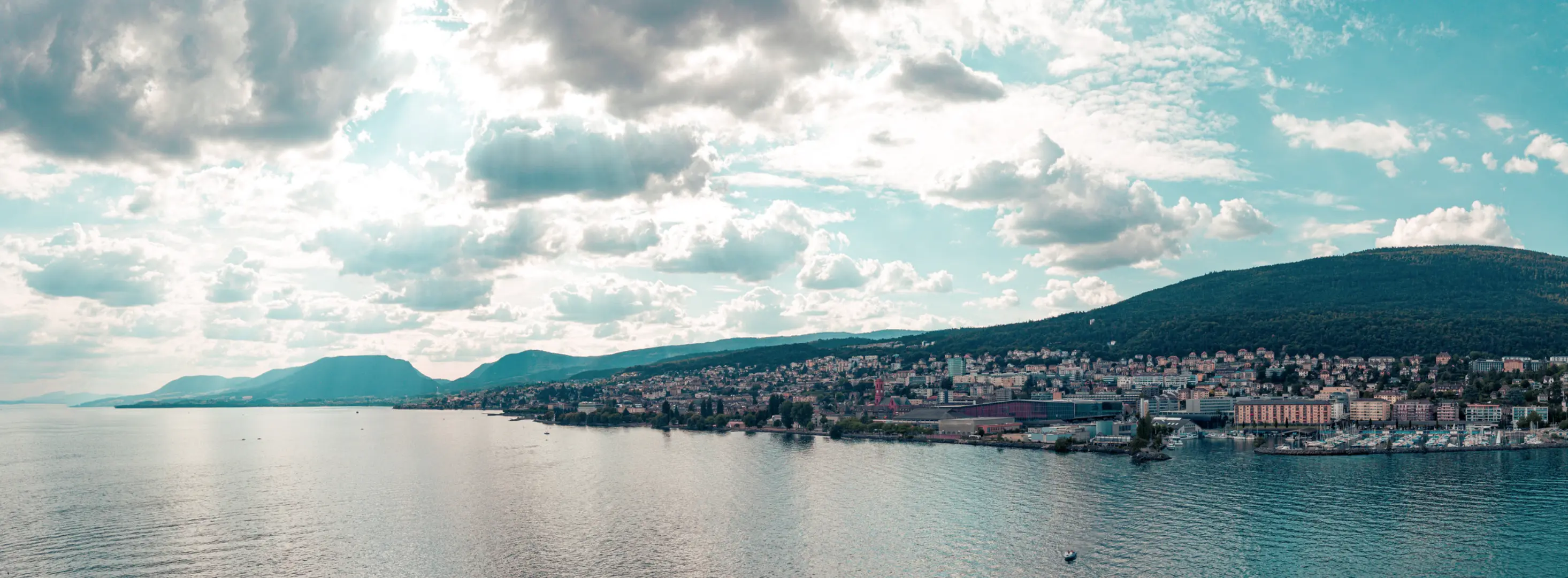
- Lake Neuchâtel: very interesting for perch, pike and various techniques from the bank or by boat.
- Lake Morat (Murten): another major lake in French-speaking Switzerland, especially appreciated for predator fishing.
- Mountain lakes: alpine scenery, often very clear water and great opportunities for salmonids.
- Rivers and streams: environments that are particularly interesting for trout fishing and light tackle fishing.
Before choosing a place, you still need to consider one essential point: regulations vary greatly depending on the canton and the body of water.
Permits and regulations: check before choosing a spot
In Switzerland, fishing is regulated at the cantonal level. Open seasons, minimum sizes, quotas, permitted techniques, reserves and access conditions can therefore differ from one canton to another.
Depending on the permit you choose and its duration, a SaNa certificate may also be required. Some opportunities for free fishing exist on certain waters, but they are always subject to specific conditions.
Before every trip, check the rules in force, any official maps, and prohibited or protected areas. For the canton of Vaud, you can also consult our guide to the Vaud fishing permit.
How to spot the best areas on a large Swiss lake
Large lakes such as Lake Geneva, Neuchâtel, Morat, Brienz, Thun or Lake Lucerne (Lake of the Four Cantons) can feel enormous. Fishing randomly across square kilometers of water is rarely the best strategy.
Instead, look for changes in structure: drop-offs, flats, shallow bars, weed beds, river mouths and obstacles.
1. Drop-offs and depth changes
A drop-off is the transition between a relatively shallow area and deeper water. These transitions are often used by baitfish—and by the predators that follow them.
To find them, you can use a bathymetric chart, a fish finder (where regulations and your fishing method allow it), or simply observe the shoreline’s topography.
From the bank, a rocky slope that plunges quickly into the water, a dike, a pier or a very steep shore can indicate deeper water close by.
2. River mouths and inflows
Inflowing rivers and streams are especially interesting. They can bring oxygen, food and water with a different temperature than the lake.
They also provide key movement corridors for certain species throughout the year.
3. Weed beds and shallow bars
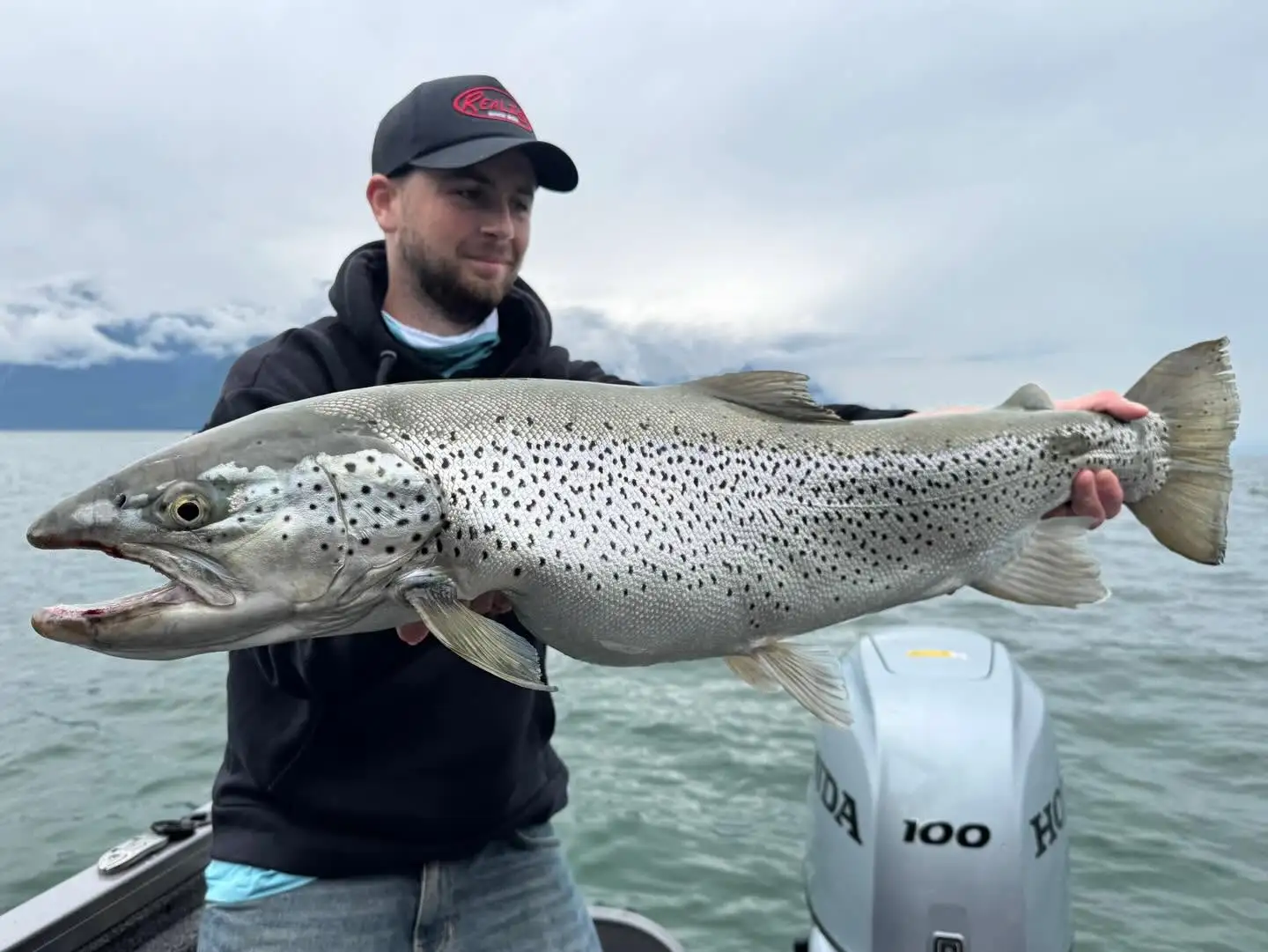
Weed beds are among the most interesting structures for perch and pike fishing. They provide food, shelter and ambush zones.
Don’t focus only on the densest part of the weeds. Edges, holes and the transition between vegetation and bare bottom are often easier to work and can be extremely productive.
4. Harbors, piers, pontoons and riprap
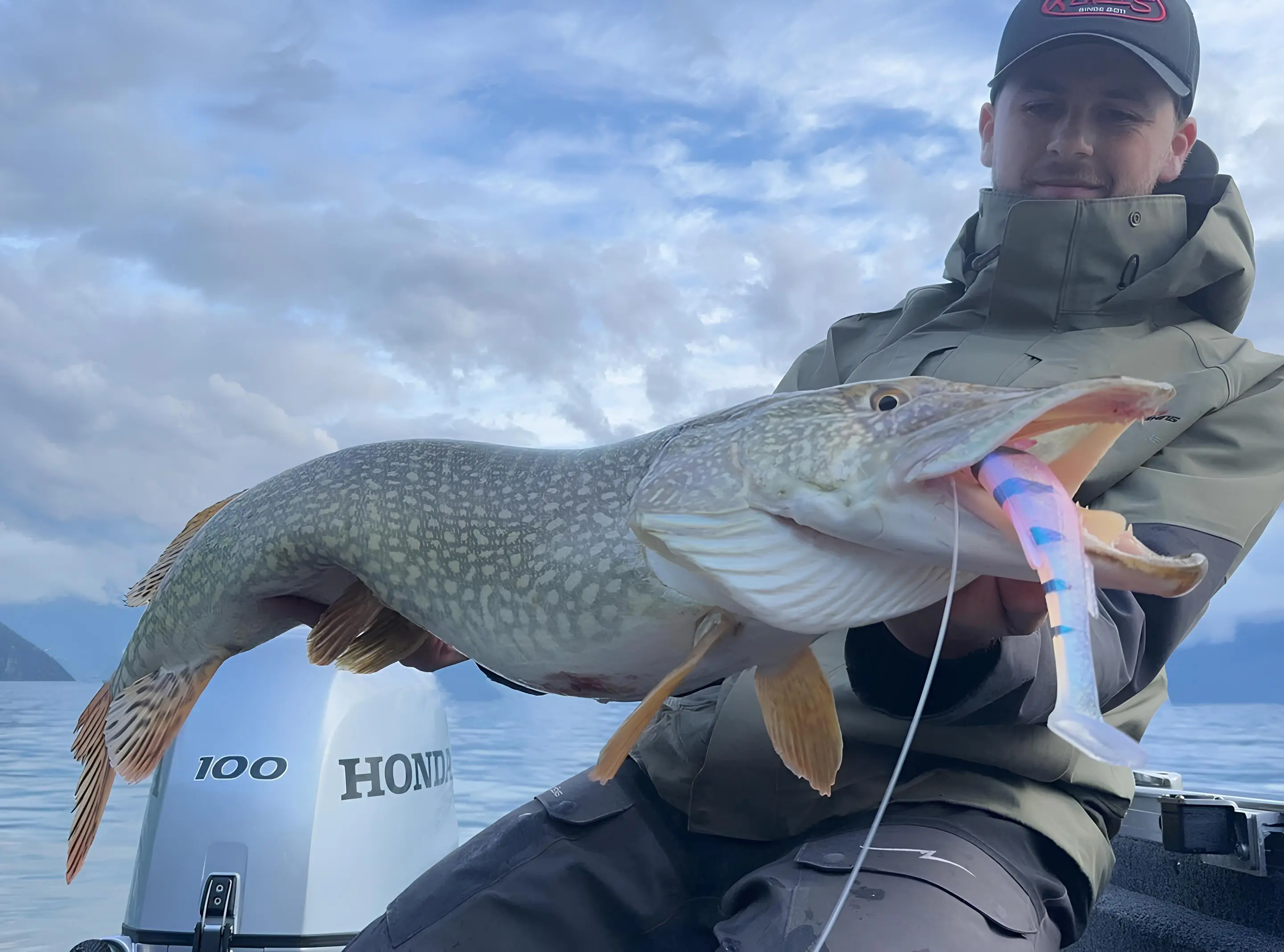
Man-made structures can also concentrate aquatic life. Piers, bridge pilings, pontoons, dikes and riprap provide cover and create depth or current changes.
These areas can be productive for perch, but always check whether fishing is allowed and respect any harbor restrictions.
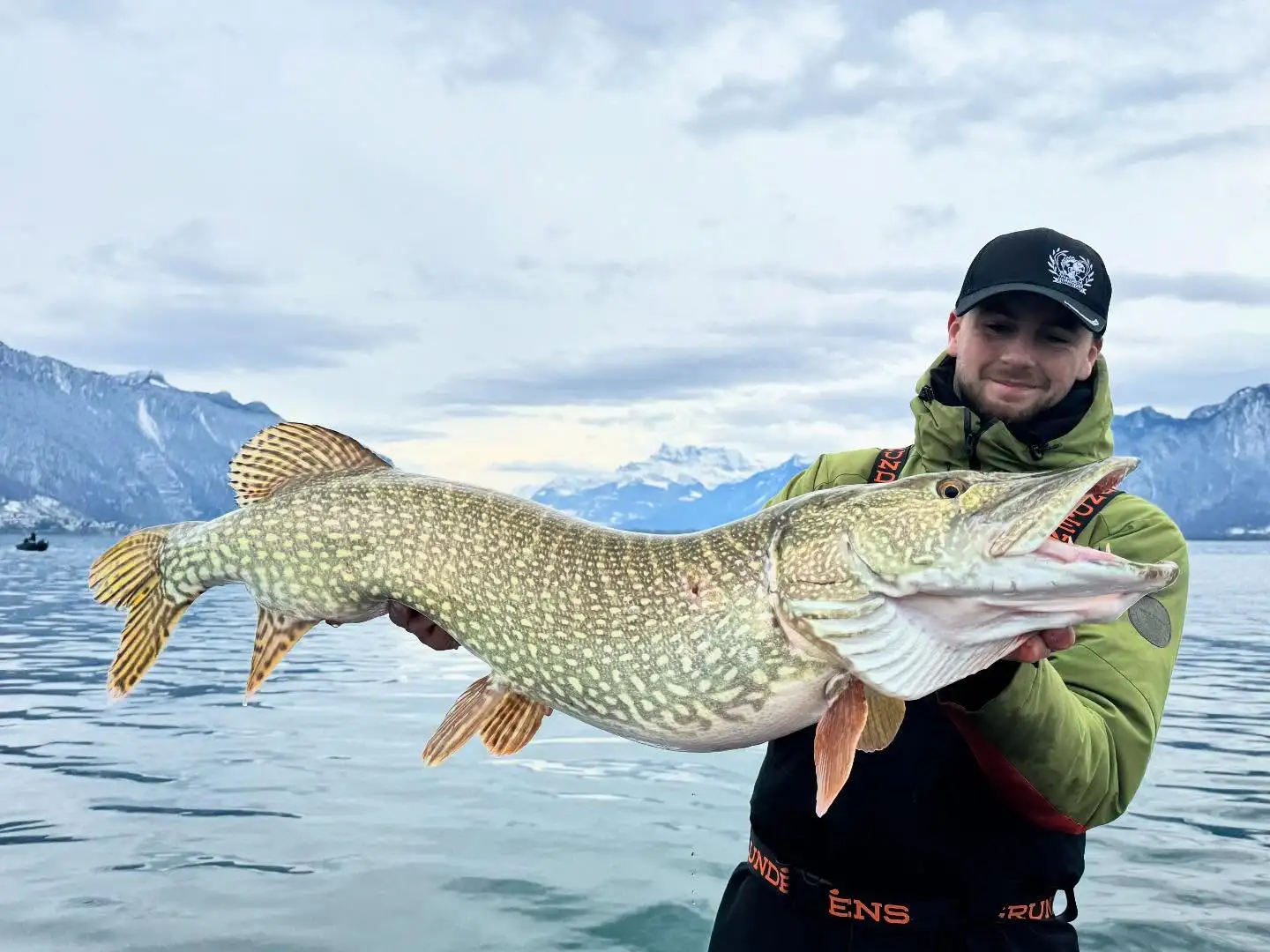
Fishing on Lake Geneva (Lac Léman)
Lake Geneva is one of Switzerland’s largest fishing playgrounds. However, its size and depth mean you should think in terms of zones rather than trying to cover everything.
From the bank, prioritize quick depth changes, authorized piers and riprap, inflows, and areas where baitfish activity is visible.
From a boat, understanding bathymetry becomes even more important. Drop-offs and baitfish concentrations can dramatically narrow down the search area.
Fishing on Lake Neuchâtel
Lake Neuchâtel is another excellent example of a large lake where reading structure makes the difference.
Shallow areas, weed beds, drop-offs, harbors and rocky sectors can hold different species throughout the season. As on Lake Geneva, fish positions change with temperature, wind and baitfish availability.
For a first trip, it’s usually better to pick a relatively small area and explore it methodically rather than constantly moving around.
Where to fish for trout in Switzerland? Rivers and streams
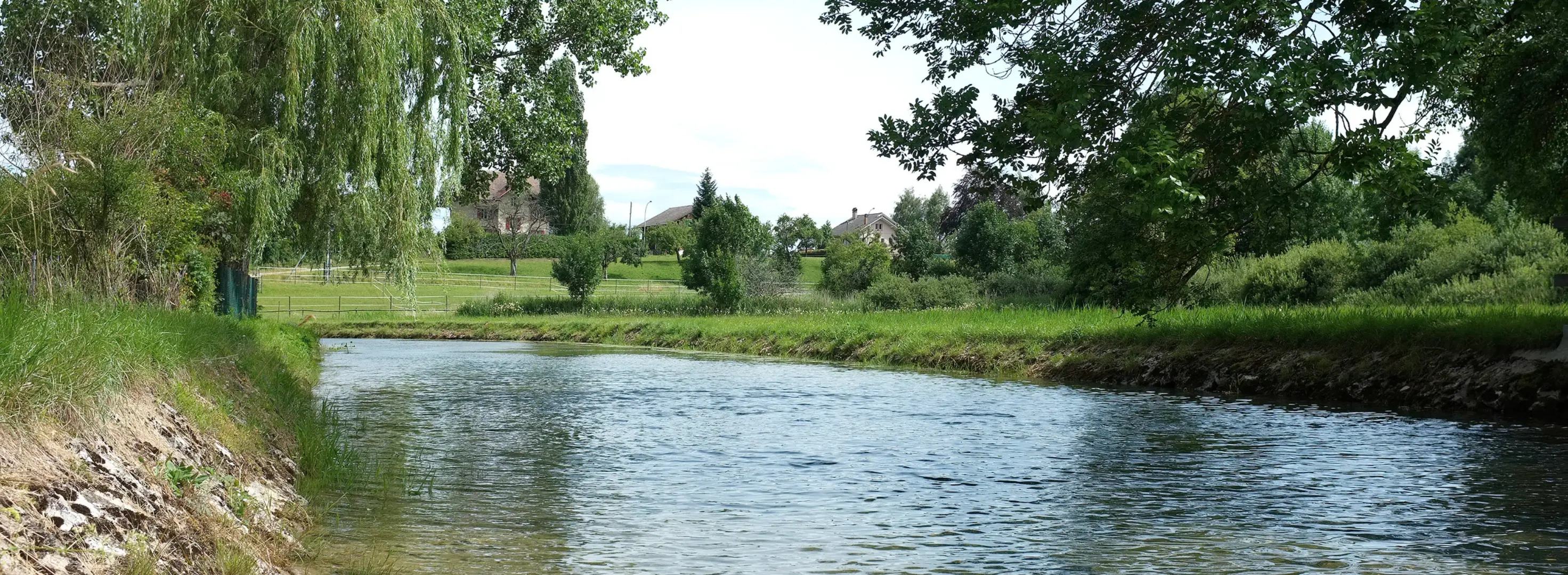
Switzerland has a very extensive network of rivers and streams. For trout fishing, learning to read the current is often more important than knowing a precise GPS point.
Current seams
Fish generally have little reason to constantly burn energy in the fastest flow. The boundaries between fast current and calmer water are therefore areas to watch closely.
A trout can hold there with relatively little effort while intercepting food carried by the current.
Pools and deeper water
Below a waterfall, behind a ledge, or on the outside of a river bend, a deeper area can be an excellent refuge. These pools become especially important when water levels are low or when temperatures change sharply.
Obstacles and undercut banks
Rocks, submerged trees, roots, bridge pilings and undercut banks create current breaks and sheltered zones.
Work the immediate downstream side of an obstacle, as well as the small calm pockets next to stronger flow.
Mountain lakes: very unique fishing spots
Mountain lakes in Switzerland offer a completely different experience. The water is often clear, and fish can become especially wary.
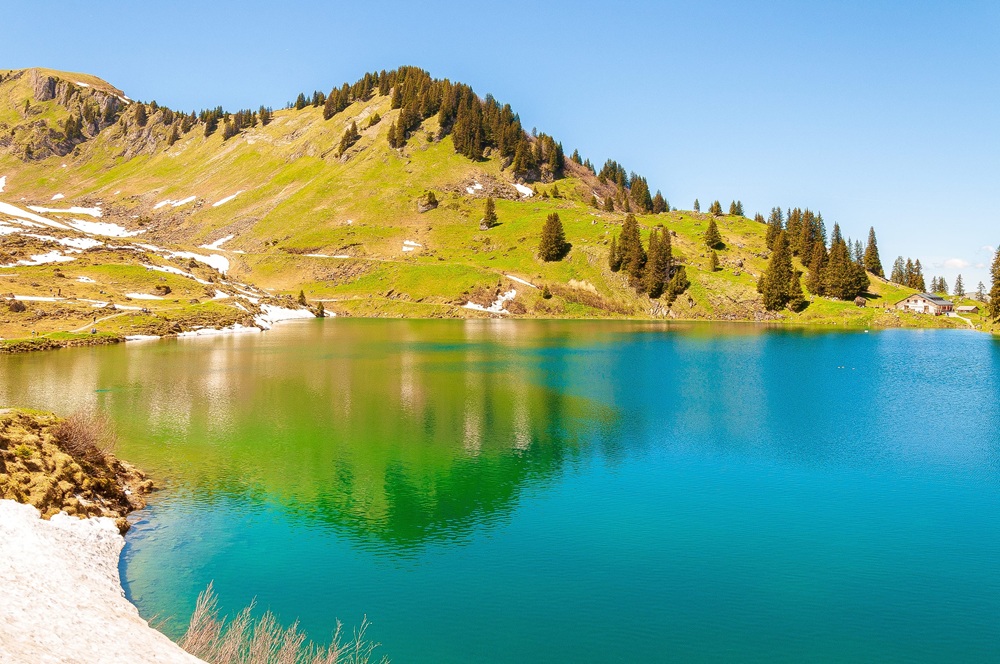
On this type of lake, look in particular for:
- steep rocky banks dropping straight into the water;
- inflows from streams and springs;
- visible color changes indicating a depth difference;
- flats close to the shoreline;
- areas where insects or small fish are regularly observed.
Access can also be part of the challenge. Prepare your trip by checking the route, weather conditions and the lake’s specific regulations.
Adjust your fishing spot to the season
A great location in May can become much less productive in August. Fish move according to temperature, oxygen, spawning cycles and available food.
Winter and early season
When the water is cold, many species reduce their activity. Deeper, more stable areas become especially interesting.
On lakes, look for accessible drop-offs and deeper water. In rivers, slower sections and pools let fish conserve energy.
Spring
As temperatures gradually rise, some shallow areas warm up quickly. They can attract baitfish and then predators.
This period also overlaps with various closed seasons depending on species. So the rules should always be checked before going out.
Summer
In summer, temperature becomes a key factor. Fish may seek cooler water, better-oxygenated areas or greater depths.
Inflows, shaded stretches and certain drop-offs become particularly interesting.
On mountain lakes, early morning and late evening can offer very different conditions compared with midday.
Autumn
Autumn is a particularly interesting time for predators. Many fish feed heavily to build reserves before winter.
On large lakes, follow baitfish concentrations as much as possible and work drop-offs, weed edges and depth changes.
Wind can completely transform a spot
Wind is often underestimated. On a large lake, a wind-exposed shore can receive more food and concentrate fish activity.
Conversely, very rough conditions can make certain areas difficult—or even dangerous—to fish.
Always combine wind with temperature, depth and season rather than using it as your only indicator.
Using maps and modern tools
Today, you can prepare a large part of a trip before you even reach the water.
Cantonal maps and other available data can help you identify:
- areas where fishing is allowed;
- reserves and protected zones;
- possible access points;
- certain depths and structures;
- river and lake levels;
- weather conditions and wind.
A map will never tell you exactly where the fish are, but it helps eliminate many unproductive areas before you even start fishing.
Stocking and fisheries management
Some Swiss waters are subject to active fisheries management. Stocking may be carried out depending on the canton, species and management goals.
Cantons may also publish information about certain ponds, river sections or waters. This can be especially helpful for beginners or when planning a family outing.
However, you should never treat stocking as a guarantee of catching fish. Even on managed waters, depth, temperature, fishing pressure and structure remain decisive.
A good spot can also be closed to fishing
A fish-rich area is not automatically an authorized area. Some river sections, mouths, reserves or natural sectors are closed temporarily or permanently.
These closures may be used to protect:
- spawning areas;
- sensitive species;
- fish during certain periods;
- areas that pose a safety risk.
Good preparation is therefore just as much about finding legal areas as it is about understanding where fish are likely to hold.
How to build your own map of fishing spots
The best spots are often the ones you’ve learned to understand yourself. A simple method is to document each trip over time.
Before the session
- Choose a specific body of water or a precise river section.
- Check the rules and any official maps.
- Identify drop-offs, mouths, obstacles and access points.
- Look at the weather, wind and water level.
Once on site
Watch the water before you start casting. Color, wind, waves, surface activity and bird behavior can provide a lot of information.
Then work the area methodically, varying distance, depth and retrieves. A strike or a follow is already valuable data.
After the session
Write down what happened:
- location and precise area;
- approximate depth;
- bottom type;
- species observed or caught;
- technique used;
- weather and temperature;
- water level and color.
After several trips, you’ll start to spot patterns. Your own history often becomes more useful than a list of spots found online.
The best fishing spots evolve
A good area is never permanently “locked in.” Water levels, weed beds, temperature, natural events and fishing pressure change.
Regulations can change too. So it’s useful to revisit old areas regularly and look for new sectors.
FAQ: where to fish in Switzerland?
Where can you fish in Switzerland?
Fishing is possible in many lakes, rivers and mountain lakes, but conditions depend on the canton and the specific water. Always check the required permit and regulations before fishing.
What are the best lakes to fish in French-speaking Switzerland?
Lake Geneva, Lake Neuchâtel and Lake Morat are among the best-known large lakes. The best choice depends on your target species, your technique and the season.
Where to fish for trout in Switzerland?
Trout can be targeted in many rivers, streams and some mountain lakes. Current seams, pools, inflows and depth changes are key areas to prioritize.
How do you find a good fishing spot?
Look for structural changes: drop-offs, weed beds, inflows, pools, obstacles and current transitions. Then combine this with the season, weather and visible fish activity.
Do you need a permit to fish in Switzerland?
In many cases, yes. Rules and permit types vary depending on cantons and waters. Some forms of free fishing may exist, but they are subject to specific conditions.
To go further
Knowing where to fish in Switzerland doesn’t mean knowing a list of secret coordinates. It’s mostly about learning to understand the water, fish movements and changing conditions.
By combining regulations, maps, structure reading, weather and on-the-bank observations, you’ll gradually be able to identify your own fishing spots in Switzerland.
To adapt your tackle to these different environments, also find on GiantFish our selection of rods, reels, lures and accessories for lake, river and mountain fishing.


