
























Cookies help us deliver our services. By using our services, you agree to our use of cookies.
Search

[CHF] Swiss Franc
English
- Fishing license
- New Products
- Predator
- Trout
- Fly Fishing
- Carp
- Catfish
- Pole Fishing
- Sea Fishing
-
Clothing
- Fishing jackets
- Hoodies, fleeces & sweaters
- Fishing T-shirts, Polos, and Shirts
- Fishing Pants, Bibs, and Shorts
- Fishing vests and chest packs
- Waders and Hip Boots
- Boots, Shoes & Sandals
- Polarized sunglasses & Accessories
- Caps, Visors & Hats
- Beanies, Neck gaiters & Gloves
- Thermal underwear & Socks
- UV-blocking Clothing and Sun protection accessories
- Various
- Navigation
- Hunting
- Decor & Gifts
- Brands
Filter
Filter by price
Filter by manufacturer
Sea Fishing
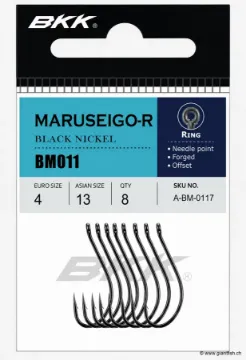

BKK Maruseigo-R Diamond Hook
BKK long-shank hook for natural bait, with an outward-facing eye, offset needle point, and black nickel finish for reliable penetration in both freshwater and saltwater.
2.50 (CHF) incl tax
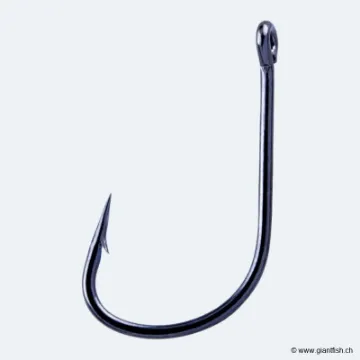
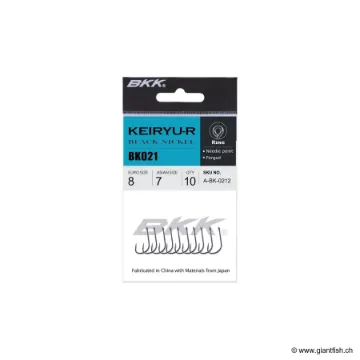
BKK Keiryu-R Diamond Hook
Versatile ring hook for natural bait fishing in streams and rivers, designed for fast hooksets on trout.
2.50 (CHF) incl tax
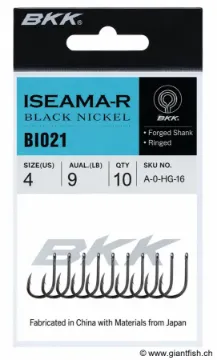
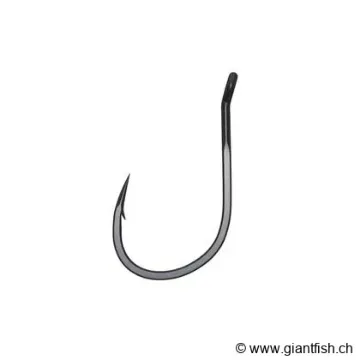
BKK Ready Rig Diamond Iseama-R Hook
Single BKK Iseama-R Diamond hook designed for bait fishing in freshwater and saltwater. High-strength carbon steel, forged shank, upturned eye for snell knot rigs, wide gap, and needle-style point for fast, reliable hooksets.
2.50 (CHF) incl tax
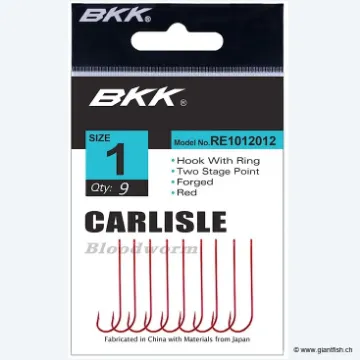
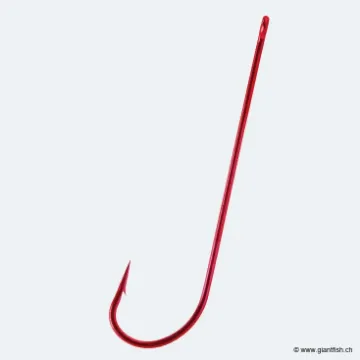
BKK Red Carlisle Bloodworm-R Hook
BKK J hook with an extra-long shank and red coating, designed for natural bait fishing in both freshwater and saltwater, for a discreet presentation and easier unhooking.
3.35 (CHF) incl tax
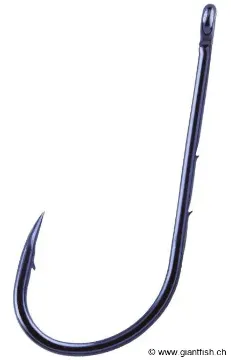
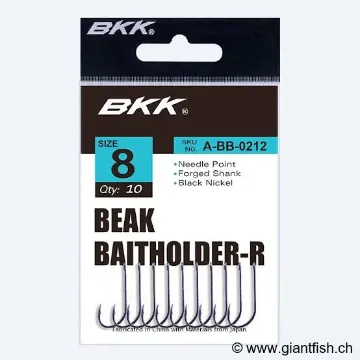
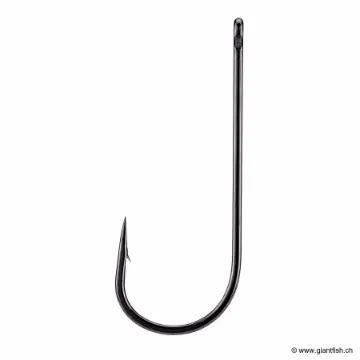
BKK Beak Baitholder-R Hook
Versatile BKK bait hook with double shank barbs, straight eye for easy bait threading, and an ultra-sharp offset point for effective penetration.
3.35 (CHF) incl tax
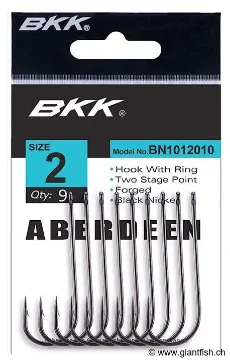
BKK Aberdeen-R Diamond Hook
Long-shank Aberdeen hook for live bait fishing and finesse rigs: BKK-81WV carbon steel, black nickel anti-corrosion coating, ultra-penetrating needle point, and fine wire to preserve the bait.
3.35 (CHF) incl tax
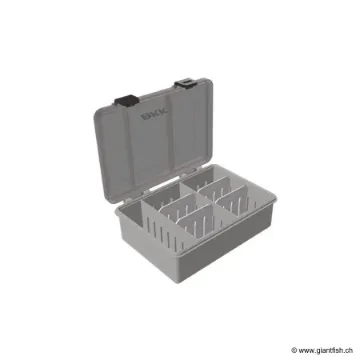
BKK OCD Tackle System A4 Accessory Box
BKK fishing organizer designed to sort and protect your small tackle (hooks, swivels, snaps, accessories) in A4 format, with a secure closure and gasket to help reduce moisture.
16.80 (CHF) incl tax
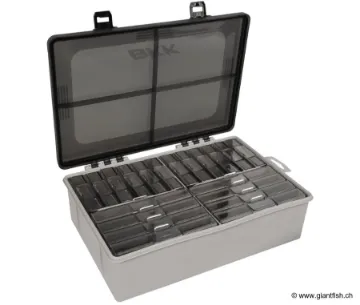
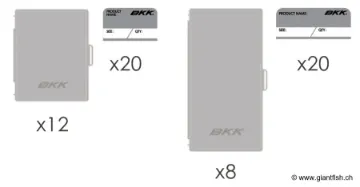
BKK OCD Tackle System A3 Accessory Box (Loaded)
BKK OCD Tackle System starter kit: a waterproof storage tray and accessory boxes to organize hooks, swivels, and small fishing tackle.
46.30 (CHF) incl tax
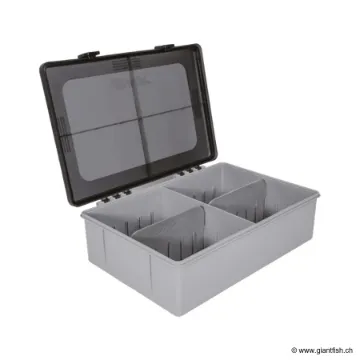
BKK OCD Tackle System A3-M Accessory Box
Modular BKK fishing tackle organizer: waterproof, durable tray designed to store hooks, swivels, snaps, and small rigs in one place, ready to use.
25.20 (CHF) incl tax
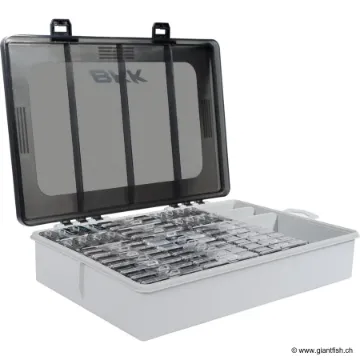
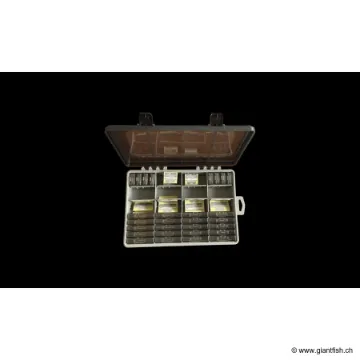
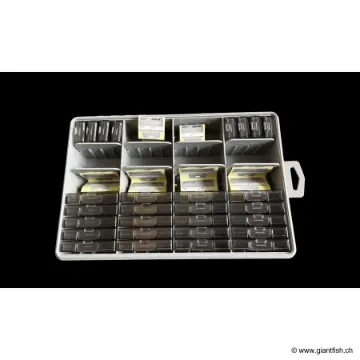
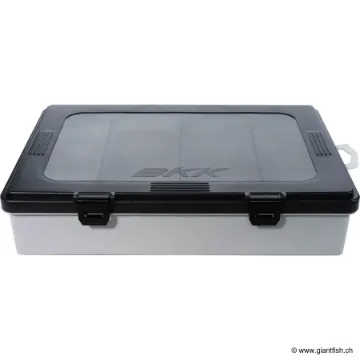
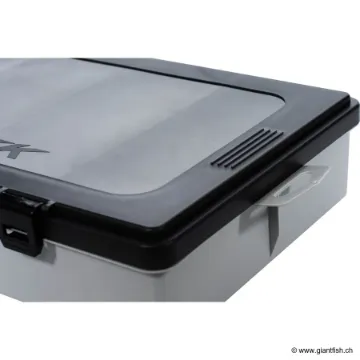
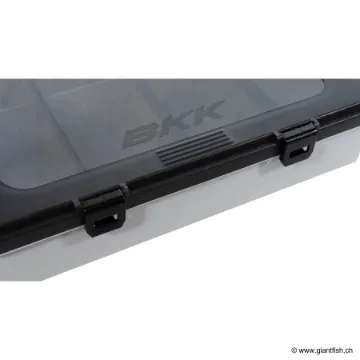
BKK OCD Tackle System A2-Starter Kit (Loaded) Accessories Box
BKK OCD starter kit: a waterproof storage box with modular accessory boxes to organize hooks, swivels, and small fishing tackle, while keeping everything instantly accessible.
33.65 (CHF) incl tax
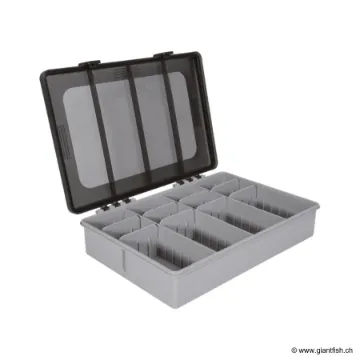
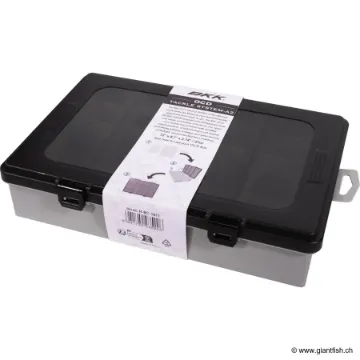
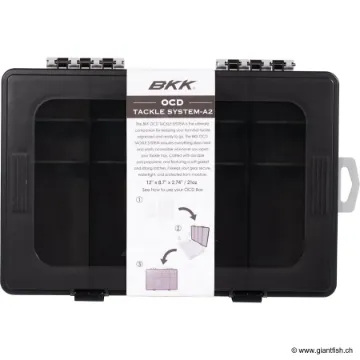
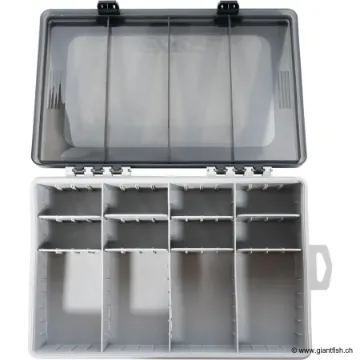
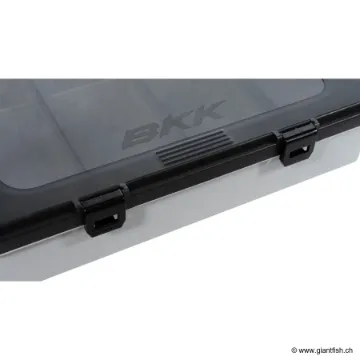
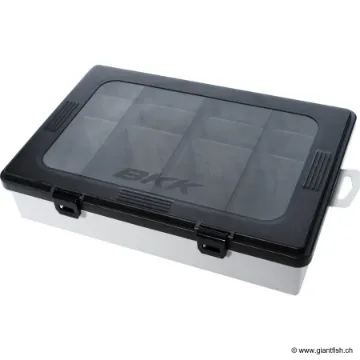
BKK OCD Tackle System A2 Tackle Storage Box
The BKK OCD Tackle System A2 is a fishing storage box designed to organize hooks and small accessories. Its water-resistant system, rugged closure, and polypropylene construction help protect your terminal tackle from moisture while keeping your internal boxes accessible and neatly organized.
18.90 (CHF) incl tax
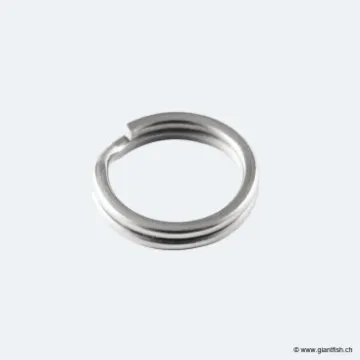
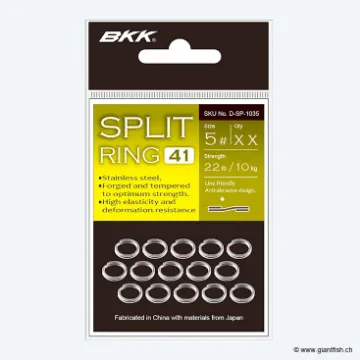
BKK Split Ring-41 Split Ring
BKK Split Ring-41 stainless steel split ring: a robust, durable connection to optimize lure, spoon, and hook rigs with smooth opening action and reliable holding power.
3.35 (CHF) incl tax
Payment options


