




















Cookies help us deliver our services. By using our services, you agree to our use of cookies.
Search
[CHF] Swiss Franc
English
- Fishing license
- New Products
- Predator
- Trout
- Fly Fishing
- Carp
- Catfish
- Pole Fishing
- Sea Fishing
-
Clothing
- Fishing jackets
- Hoodies, fleeces & sweaters
- Fishing T-shirts, Polos, and Shirts
- Fishing Pants, Bibs, and Shorts
- Fishing vests and chest packs
- Waders and Hip Boots
- Boots, Shoes & Sandals
- Polarized sunglasses & Accessories
- Caps, Visors & Hats
- Beanies, Neck gaiters & Gloves
- Thermal underwear & Socks
- UV-blocking Clothing and Sun protection accessories
- Various
- Navigation
- Hunting
- Decor & Gifts
- Brands
Filter
Filter by price
Filter by manufacturer
Sea Fishing
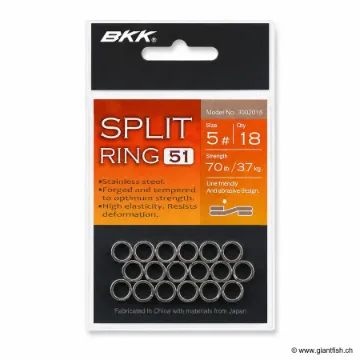

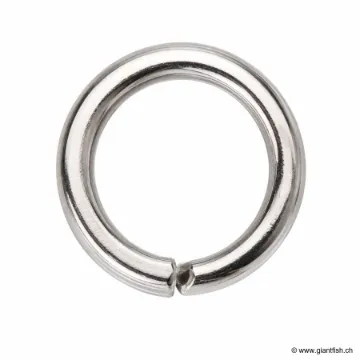
Split Ring BKK Split Ring-51
BKK Split Ring-51 split ring in 304 stainless steel, designed for reliable fishing rigs from lure casting in freshwater to saltwater jigging. Forged, tempered, and polished to reduce abrasion and protect the line.
5.85 (CHF) incl tax
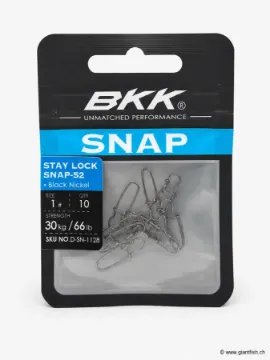
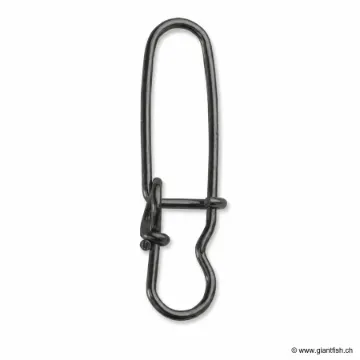
BKK Stay Lock Snap-52 Snap
Self-locking stainless-steel snap designed to secure the connection between line and lure. Reliable closure under heavy tension, quick opening, and easy insertion on small rings thanks to optimized geometry.
2.95 (CHF) incl tax
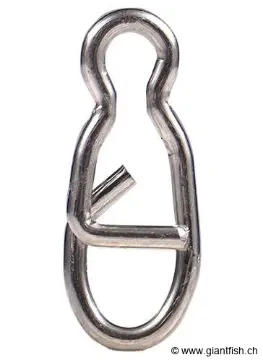
BKK Fast Snap-41 Fishing Snap
BKK Fast Snap-41 stainless steel fishing snap, designed for quick and intuitive lure and rig changes, with a slim profile and excellent holding power while fishing.
4.60 (CHF) incl tax
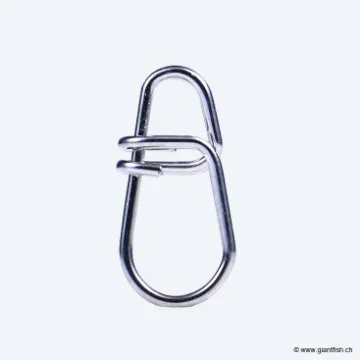
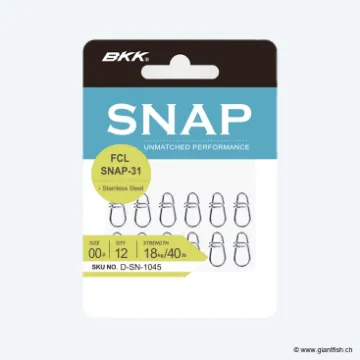
BKK Fast Snap-31 Fishing Snap
BKK stainless steel fishing snap with a bulky profile and quick connection system for easy lure attachment, without complex snap handling.
2.50 (CHF) incl tax
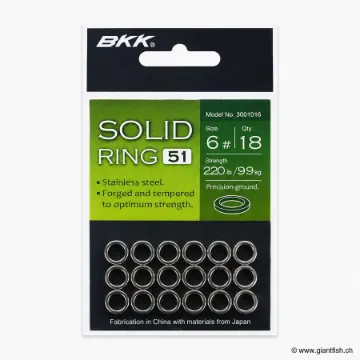
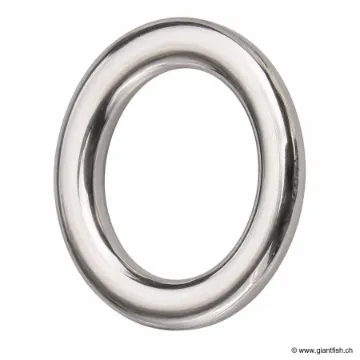
Anneau BKK Solid Ring-51
BKK Solid Ring-51 fishing ring in 304 stainless steel: reliable connection for lures and rigs, polished surface to protect the line, suitable for freshwater and saltwater.
4.60 (CHF) incl tax
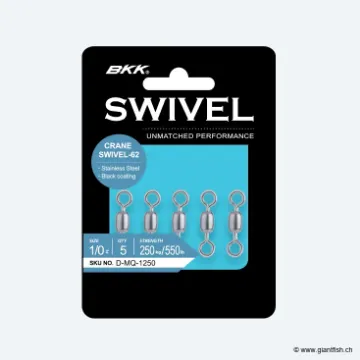
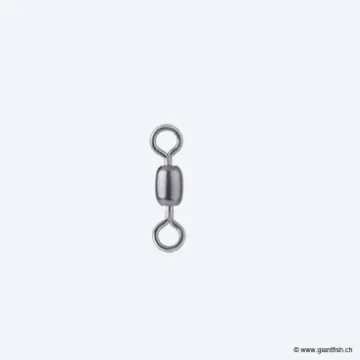
BKK Crane Swivel-62 Fishing Swivel
BKK Crane Swivel-62 fishing swivel designed to reduce line twist, improve rig reliability, and increase durability during fishing. An essential accessory for lures, rigs, and leaders.
3.35 (CHF) incl tax
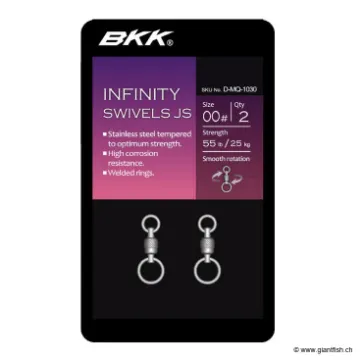
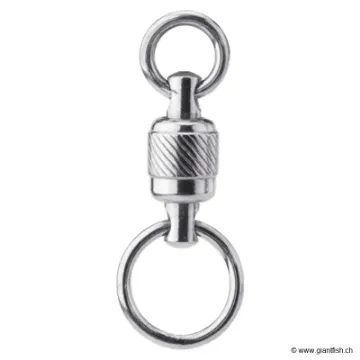
BKK Infinity Swivel-JS Swivel
BKK stainless steel ball bearing swivel for saltwater fishing and jigging, smooth rotation, anti-twist, corrosion-resistant, polished finish to protect the line and improve the presentation of lures and assist hooks.
5.85 (CHF) incl tax
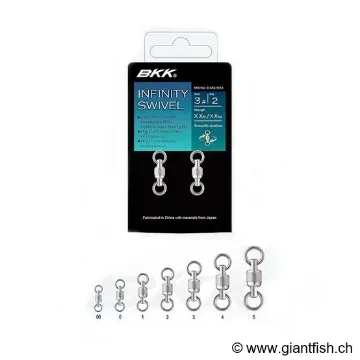
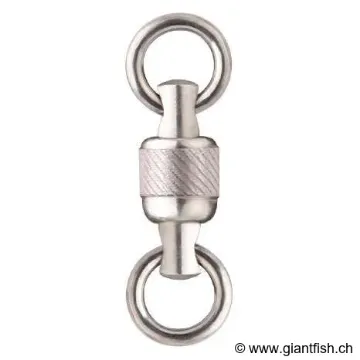
BKK Infinity Swivel
BKK stainless steel ball bearing swivel designed to reduce line twist and improve rig fluidity, in both saltwater and freshwater.
5.85 (CHF) incl tax
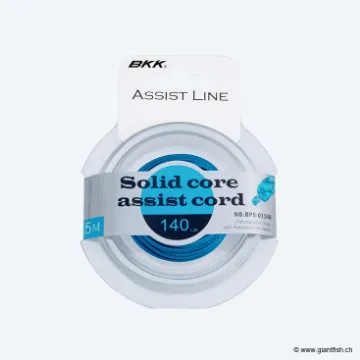
BKK Solid Core Assist Cord for Assist Hooks
BKK assist cord designed for jigging: a high-density fiber braid treated for better UV resistance and reduced water absorption, while staying flexible for clean, reliable rigs.
10.90 (CHF) incl tax
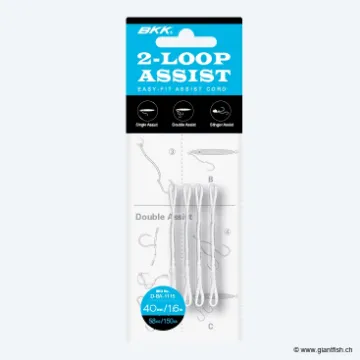
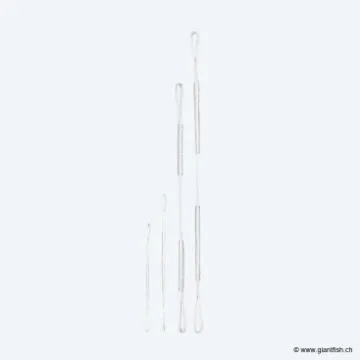
BKK 2-Loop Assist Cord
BKK two-loop assist cord with a reinforced, stiffened center section to help prevent tangles and speed up the rigging of assist hooks on jigs or a stinger on a jig head.
4.60 (CHF) incl tax
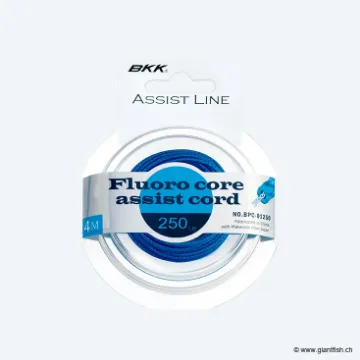
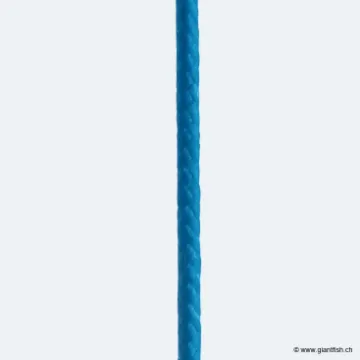
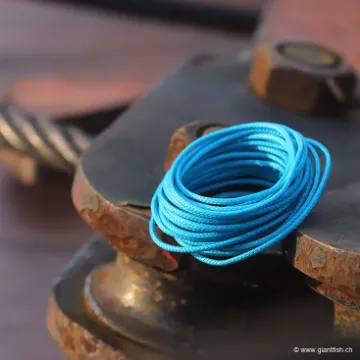
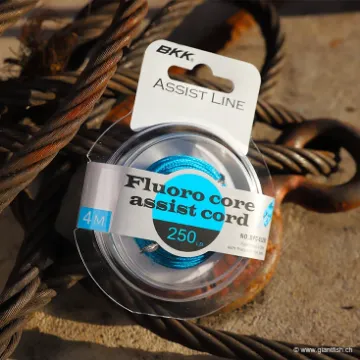
Braided Cord for Assist Hooks BKK Hollow Core Assist Cord
BKK hollow-core assist cord for jigging rigs: easy splicing, ultra-strong high-density fibers, UV-resistant and low water-absorption treatment, and flexibility for natural hook movement.
10.90 (CHF) incl tax
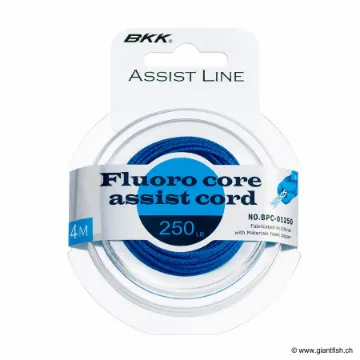
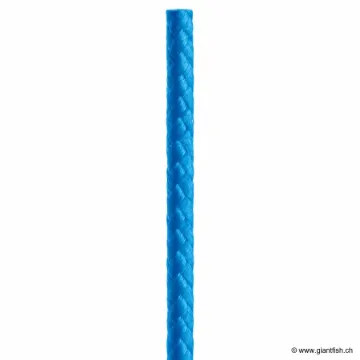
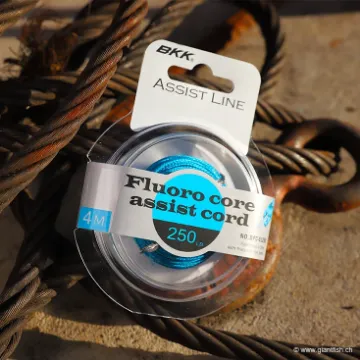
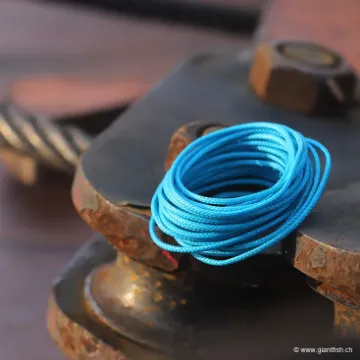
BKK Fluoro Core Assist Cord Braided Assist Hook Line
Hollow-core assist cord with a fluorocarbon core designed for jigging: easy needle splicing, excellent hold, flexibility, and UV treatment for clean, durable rigs.
10.90 (CHF) incl tax
Payment options


