
























Cookies help us deliver our services. By using our services, you agree to our use of cookies.
Filter
Filter by price
Filter by manufacturer

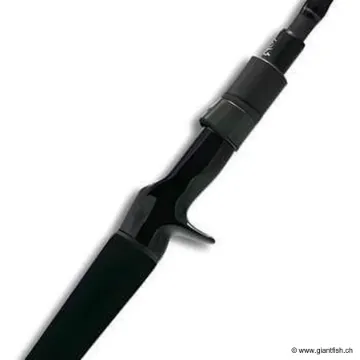
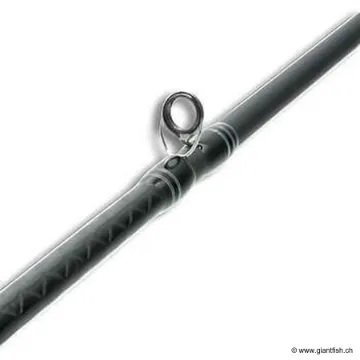
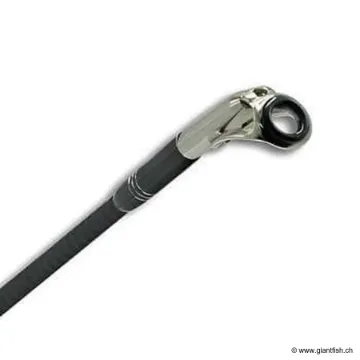
Casting Rod SHUGENDO Type 3 SH11M - 5-21 g
SHUGENDO SH11 rod for lure fishing, ideal for finesse techniques with soft lures as well as for precise animation of stickbaits and crankbaits.
395.75 (CHF) incl tax

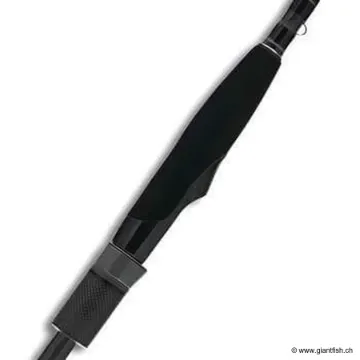
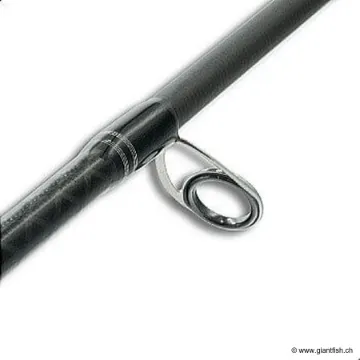
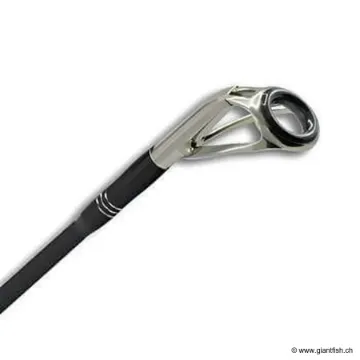
SHUGENDO Spinning Rod Type 1 SH10MH - 7-28 g
SHUGENDO SH10 vertical rod for boat predator fishing — maneuverable, sensitive and powerful to optimize hooksets and comfort in action.
395.75 (CHF) incl tax
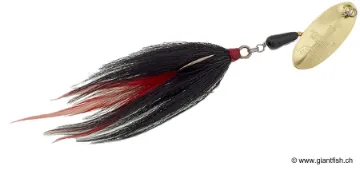
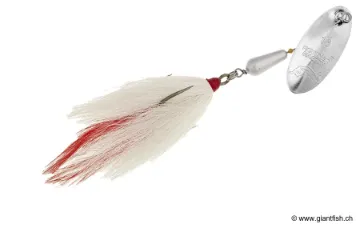
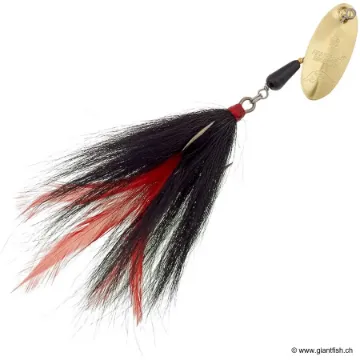
PANTHER MARTIN Classic Muskie Oversized Spinner 22 - 36 g
Panther Martin Classic Muskie oversized spinner for pike and catfish fishing, delivering strong vibrations and a highly attractive bucktail fiber dressing.
25.45 (CHF) incl tax
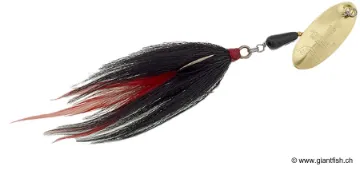
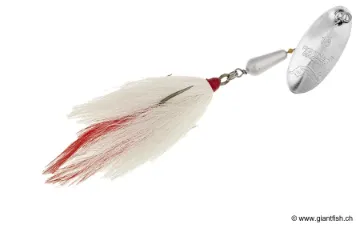
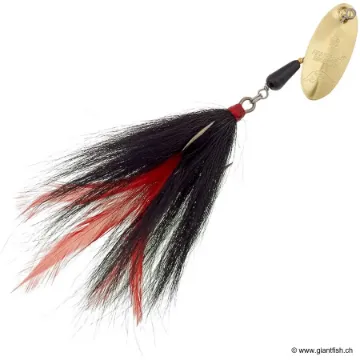
PANTHER MARTIN Classic Muskie Inline Spinner 18 - 20 cm
Large-predator inline spinner for pike and catfish fishing, with a highly vibrating blade and a bucktail-style skirt for maximum attraction.
22.55 (CHF) incl tax
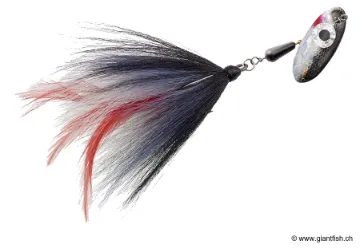
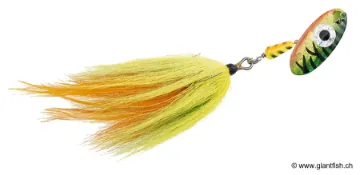
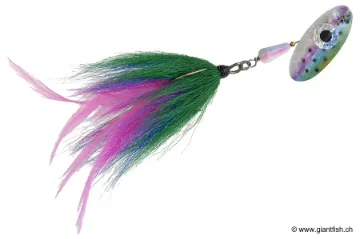
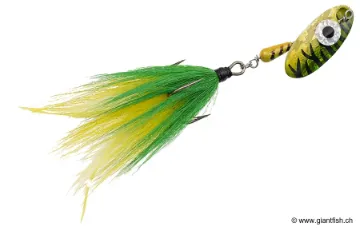
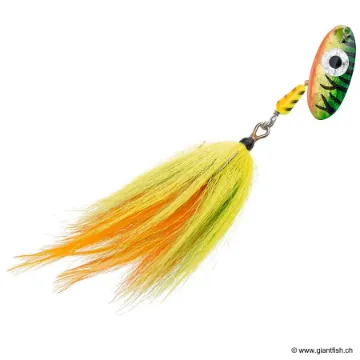
PANTHER MARTIN Big Eyes Muskie Spinner 22 - 22 cm
Heavy spinner spoon with a holographic blade, oversized eye and full bucktail fibers — ideal for targeting large pike and catfish in freshwater.
25.45 (CHF) incl tax
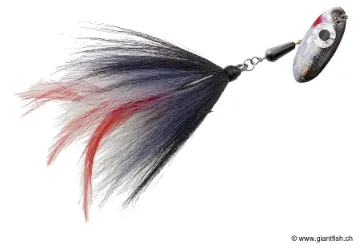
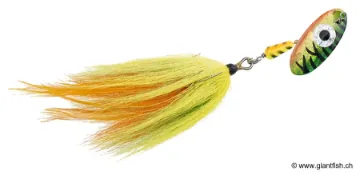
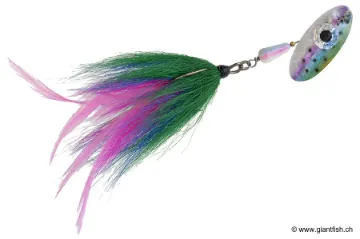
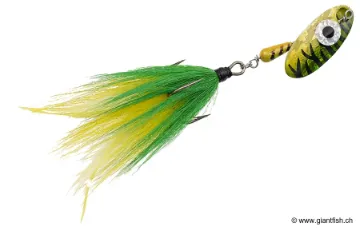
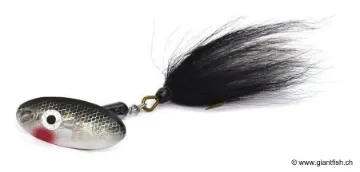
PANTHER MARTIN Big Eyes Muskie Spinner Spoon 18 - 20 cm
Panther Martin Big Eyes Muskie spoon — oversized metal spinner with powerful vibration and a strong visual trigger for pike and catfish fishing in freshwater.
22.55 (CHF) incl tax
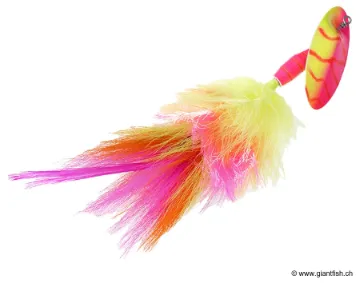
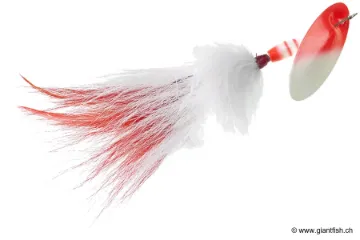
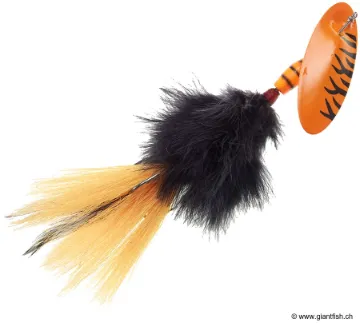
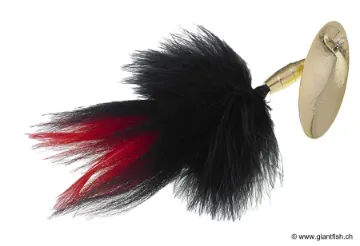
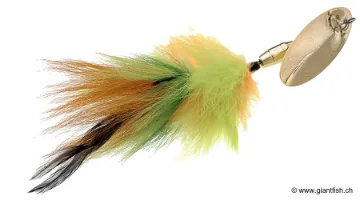
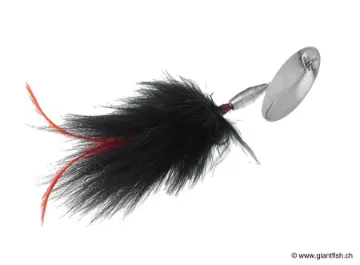
Panther Martin Muskie Marabuck Inline Spinner 28 - 27 cm
Panther Martin Muskie Marabuck inline spinner for targeting large pike and catfish, fitted with a reinforced hook, a highly vibrating blade and an attractive fiber dressing.
25.10 (CHF) incl tax
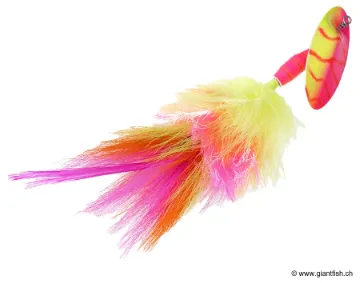
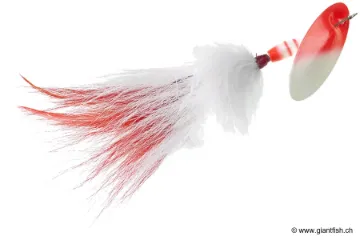
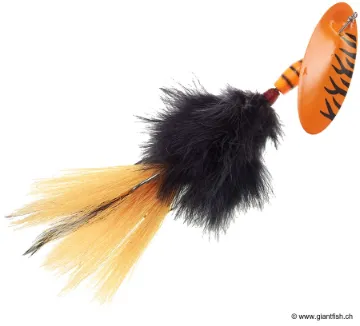
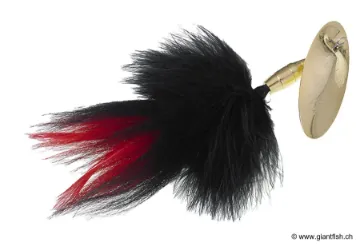
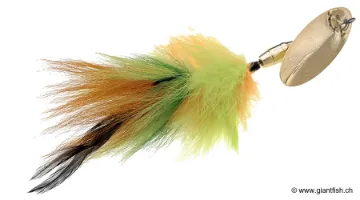
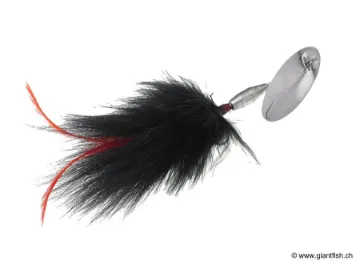
PANTHER MARTIN Muskie Marabuck Spinner 28 - 43 g
Panther Martin Muskie Marabuck spinner designed for targeting large pike, catfish and other big freshwater predators, featuring a powerful blade and attractive marabou dressing.
22.80 (CHF) incl tax
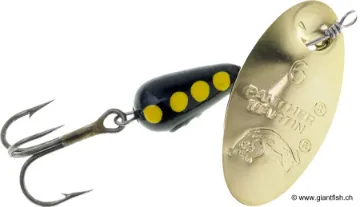
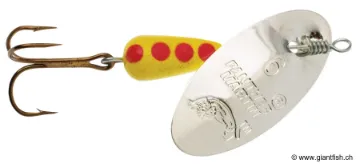
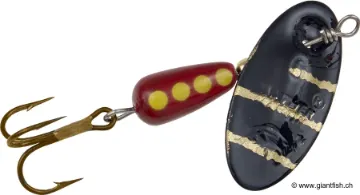
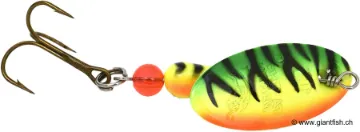
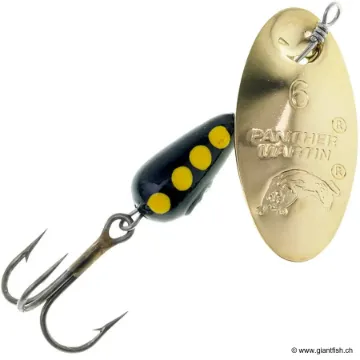
PANTHER MARTIN Classic Inline Spinner 15 - 14 g
Panther Martin Classic inline spinner ideal for fishing salmonids and predatory fish, featuring a highly vibrating central blade and a robust hook setup for effective hooksets.
5.75 (CHF) incl tax
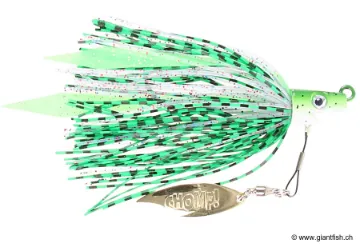
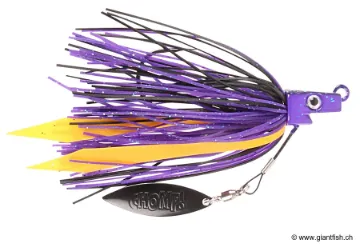
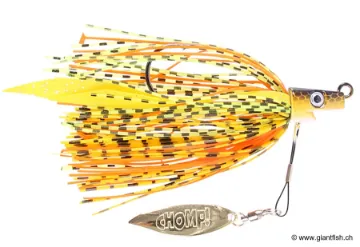
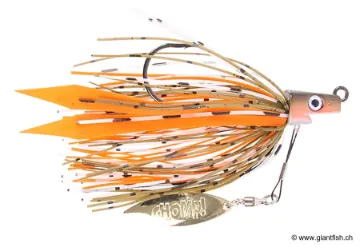
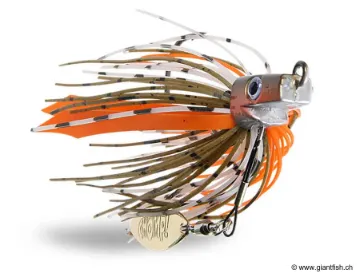
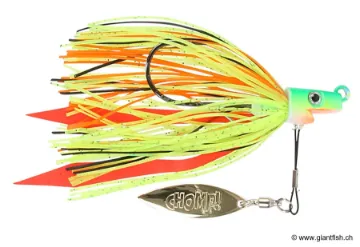
Spinnerbait CWC Pig Raiser Under Spin - 16 g
The CWC PIG RAISER UNDER Spin under-spin lure: compact, robust and versatile, designed for freshwater predator fishing with steady or animated retrieves, used alone or paired with a soft trailer bait.
8.70 (CHF) incl tax
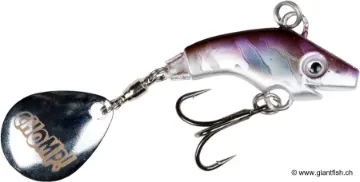
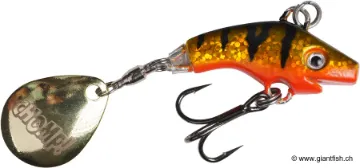
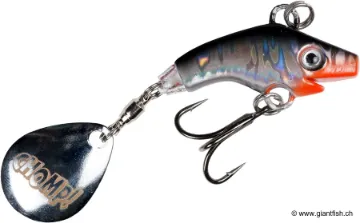
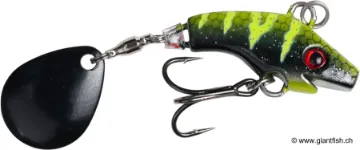
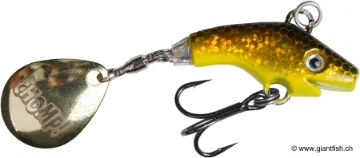
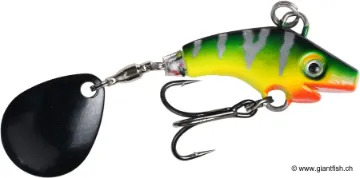
Sinking Lure CWC Pig Jig Spin - 7 cm
CWC Pig Jig Spin tail-spin sinking lure for predator fishing, effective for cast-and-retrieve and vertical presentation, featuring a Colorado blade and high-visibility UV coating.
8.45 (CHF) incl tax
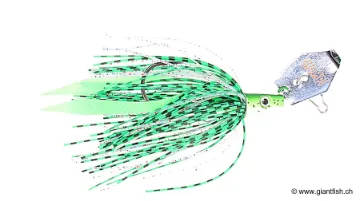
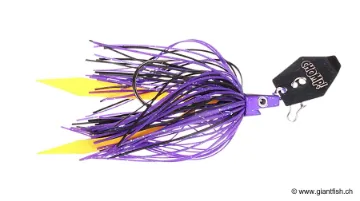
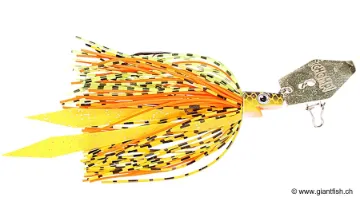
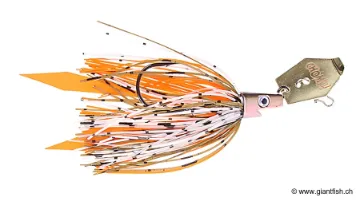
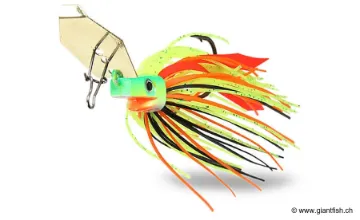
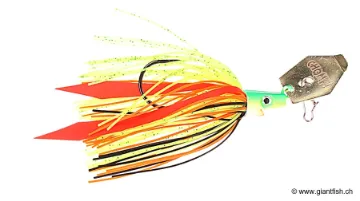
Chatterbait CWC Pig Hula - 21 g
The compact CWC PIG HULA chatterbait for predator fishing, delivering strong vibrations and attractive flashes — ideal for quickly prospecting cluttered areas and weedbeds with straight retrieves or power fishing.
8.70 (CHF) incl tax