

























Cookies help us deliver our services. By using our services, you agree to our use of cookies.
Search
[CHF] Swiss Franc
English
- Fishing license
- New Products
- Predator
- Trout
- Fly Fishing
- Carp
- Catfish
- Strike
- Sea
-
Clothing
- Fishing jackets
- Hoodies, fleeces & sweaters
- Fishing T-shirts, Polos, and Shirts
- Fishing Pants, Bibs, and Shorts
- Fishing vests and chest packs
- Waders and Hip Boots
- Boots, Shoes & Sandals
- Polarized sunglasses & Accessories
- Caps, Visors & Hats
- Beanies, Neck gaiters & Gloves
- Thermal underwear & Socks
- UV-blocking Clothing and Sun protection accessories
- Various
- Navigation
- Hunting
- Decor & Gifts
- Brands
Filter
Filter by price
Filter by manufacturer
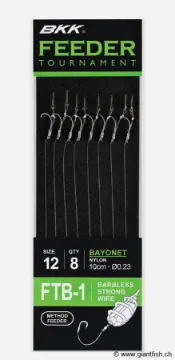

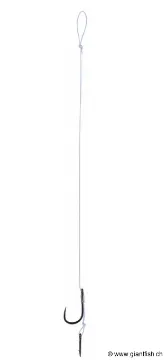
BKK Feeder Tournament FTB-1 Bayonet Rig Leader
Ready-to-fish BKK feeder hooklink: pre-tied snell rig with a barbless hook featuring a Super Slide coating and a bayonet bait holder for fast baiting and a neat presentation in both competition and leisure fishing.
3.35 (CHF) incl tax
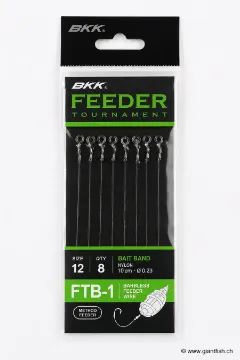
BKK Feeder Tournament FTB-1 Push-Lock Rig Hooklength
Pre-tied BKK FTB-1 Push-Lock feeder hooklength: barbless hooks with Super Slide coating and push-lock system for fast, strong, and precise baiting in feeder fishing.
3.35 (CHF) incl tax
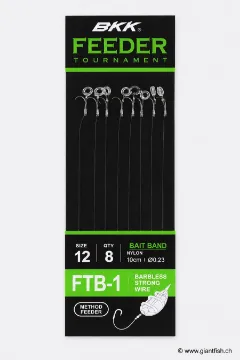
BKK Feeder Tournament FTB-1 Bait Band Rig Hooklink
Ready-to-fish BKK feeder hooklink for quick baiting with a bait band, barbless Super Slide hook, designed for feeder fishing performance from leisure sessions to competition.
3.35 (CHF) incl tax
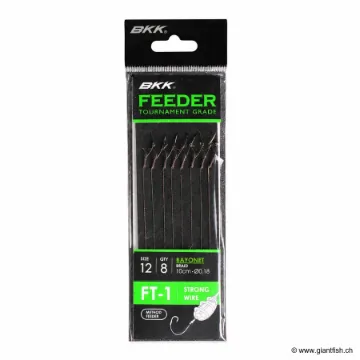
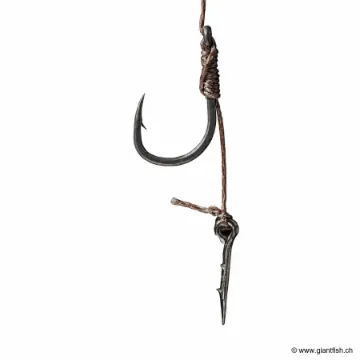
BKK FT-1 Bayonet Rig-Braid Hooklength
Ready-to-fish feeder hooklength BKK FT-1 Bayonet Rig with barbed hook and integrated bait attachment, designed for precise presentation and fast hook sets in feeder fishing, from leisure to competition.
3.35 (CHF) incl tax
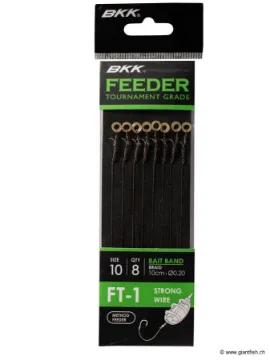
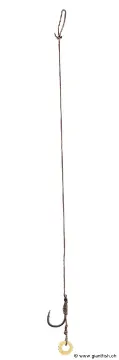
BKK Feeder Tournament FT-1 Bait Band Rigs-Braid Hooklength
Ready-to-fish BKK FT-1 feeder rig with a barbed SuperSlide-coated hook and bait band bait holder, designed for feeder fishing and competition demands.
3.35 (CHF) incl tax
Pole fishing is a precise and enjoyable technique, ideal for targeting roach, bream, small carp or bleak. This category brings together all the essential gear to build reliable rigs, adapt your approach to the venue and enjoy regular sessions, whether you’re a beginner or an experienced angler.
Understanding pole fishing
Pole fishing is based on a fixed approach: a rod without a reel, fine lines and regular groundbaiting to concentrate fish on a precise spot. It can be practiced on lakes and slow rivers alike, from the bank or on a seat box. The goal is a stable presentation of the bait just on or slightly off the bottom, while keeping your strike quick and controlled.
Choosing your pole and fishing spot
Your pole is chosen according to fishing distance and target species. Shorter, more manageable models are ideal for margin fishing and smaller fish, while longer poles let you reach distant areas and control your rig better in wind or light current. Also think about your fishing station setup: seat height, pole support and side tray should keep all your tackle within easy reach.
Rigs, floats and small accessories
A well-assembled pole rig is often the difference between steady bites and a difficult day. In this category you’ll find:
- Ready-tied rigs with line diameters suited to fish size and water clarity.
- Specialist pole floats with longer or shorter stems depending on wind and current.
- Split shot and olivettes to finely balance the rig and keep the bait stable.
- Hooklengths and hooks chosen to match your bait: maggots, worms, corn, bread, etc.
Complete your setup with float stops, internal pole elastics, connectors and storage boxes to keep your rigs organized.
Baits, groundbait and seasonality
The effectiveness of pole fishing largely depends on your groundbaiting. A mix adapted to the season, depth and current will keep fish feeding on your spot without overfeeding them. In cold weather, opt for lighter groundbaits with fewer particles. In warmer periods, you can increase quantities and add particles, soil or bloodworms depending on the fish you’re targeting. Adjust bait size (maggot, worm, corn, pellet) to fish activity and fishing pressure.
Technical tips to improve your pole fishing
To get the best results, carefully set the depth with a plummet, balance your float so that only a few millimeters show, and strike quickly but without excessive force. A regular feeding rhythm, with a small handful after each fish or every few minutes, often helps keep the shoal active. Note your rigs, line diameters and hook sizes so you can reproduce what works best according to the season and the venue.
FAQ – Pole fishing
What pole length should I choose to start? To begin, a pole between 5 m and 8 m is a good compromise. It remains easy to handle while allowing you to fish a bit farther from the bank, where fish often feel safer.
Which float should I use for pole fishing on a calm lake? In still water, choose slim, sensitive floats with a clearly visible tip. A fairly long stem adds stability while keeping bite indication very clear.
Do I need to change my pole rigs often? It’s a good idea to check line and knots regularly. After snagging, visible wear, or several intensive sessions, it’s better to replace the rig to avoid breakages.
How should I adapt my groundbaiting in winter? In winter, reduce quantities and use a finer, less rich groundbait. The aim is to stimulate fish without overfeeding them, with smaller, more spaced-out top-ups.
Payment options


