



























Cookies help us deliver our services. By using our services, you agree to our use of cookies.
Search
[CHF] Swiss Franc
English
- Fishing license
- New Products
- Predator
- Trout
- Fly Fishing
- Carp
- Catfish
- Pole Fishing
- Sea Fishing
-
Clothing
- Fishing jackets
- Hoodies, fleeces & sweaters
- Fishing T-shirts, Polos, and Shirts
- Fishing Pants, Bibs, and Shorts
- Fishing vests and chest packs
- Waders and Hip Boots
- Boots, Shoes & Sandals
- Polarized sunglasses & Accessories
- Caps, Visors & Hats
- Beanies, Neck gaiters & Gloves
- Thermal underwear & Socks
- UV-blocking Clothing and Sun protection accessories
- Various
- Navigation
- Hunting
- Decor & Gifts
- Brands
Filter
Filter by price
Filter by manufacturer
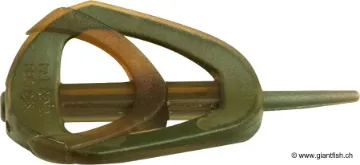

FOX Carp Compact Feeder
Compact Fox in-line feeder for carp fishing: designed for a safer release rig, precise baiting and consistent bait presentation.
3.70 (CHF) incl tax
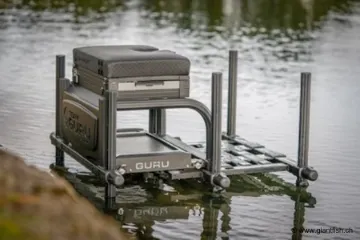
Station Rive ST8 Stealth Team Guru Box 2.0
Rive ST8 Stealth Team Guru Box 2.0 - Solid and innovative fishing storage box
772.15 (CHF) incl tax
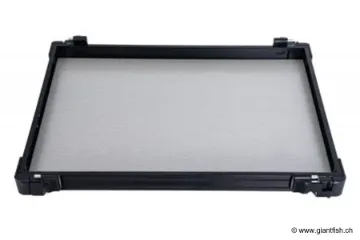
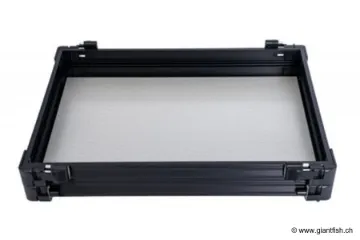
Plateau Rive Black Anodised Tray
Plateau Rive Noir Anodisé 30mm – Robust and practical accessory for fishing station
63.60 (CHF) incl tax
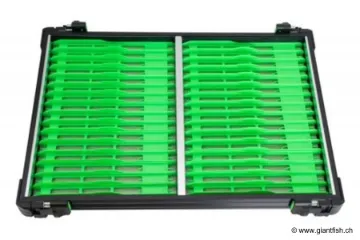
Plateau Rive Black Anodised Green Winder Tray
Plateau à Dévidoirs GREEN Rive anodisé, essential accessory for optimal fishing organization.
90.85 (CHF) incl tax
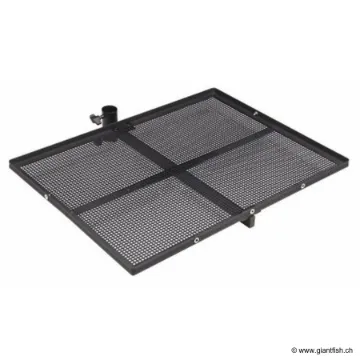
Plateau Rive Single Point Side Tray XXL
Rive Single Point Side Tray XXL: spacious side tray for demanding anglers
118.10 (CHF) incl tax
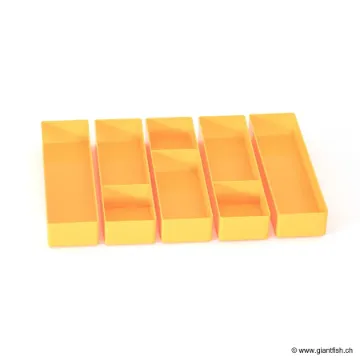
Plateau Rive RSW Waterproof Organizers 51 mm
Rive Organizers pour boîte 51mm: Practical and efficient storage solutions for fishing accessories.
26.30 (CHF) incl tax
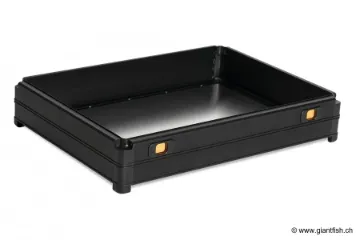
Plateau Rive RWS Waterproof Tray 66 mm
Rive Waterproof Tray 66mm II, ideal accessory for demanding anglers.
76.30 (CHF) incl tax
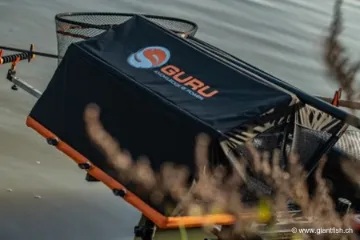
Store Guru Rive Awning
XL Rive Awning: the essential shelter for fishing, effectively protecting anglers and equipment from the elements during every session.
54.50 (CHF) incl tax
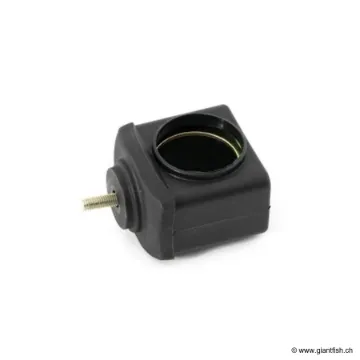
Support Rive Team Box Leg Bracket
Rive Team Box Leg Bracket support for fishing stations.
13.65 (CHF) incl tax
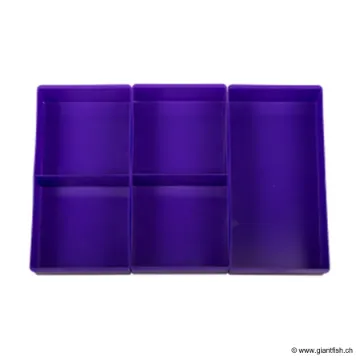
Organisateur de Tirroir Rive Front Draw Organiser - 6 cm
Rive organiser 60 mm for front draw, practical and robust fishing storage accessory.
23.65 (CHF) incl tax
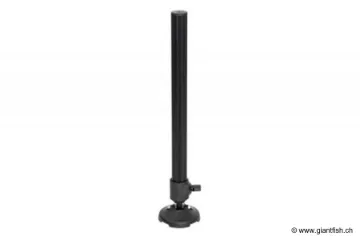
Pied Rive D36 Black Anodized Leg (420/720)
Black Anodized D36 Leg by Rive, robust and reliable accessory for fishing stations.
52.75 (CHF) incl tax
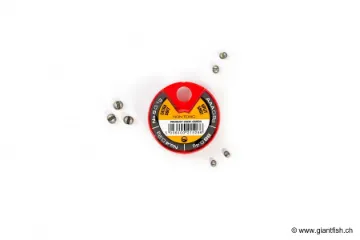
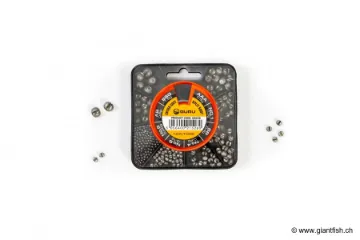
Guru Non-Toxic Shot Box Dispenser
Eco-friendly Guru 4 Compartment Shot Box – non-toxic fishing weight storage, durable and practical.
5.45 (CHF) incl tax
Payment options


