

















Cookies help us deliver our services. By using our services, you agree to our use of cookies.
Search
[CHF] Swiss Franc
English
- Fishing license
- New Products
- Predator
- Trout
- Fly Fishing
- Carp
- Catfish
- Pole Fishing
- Sea Fishing
-
Clothing
- Fishing jackets
- Hoodies, fleeces & sweaters
- Fishing T-shirts, Polos, and Shirts
- Fishing Pants, Bibs, and Shorts
- Fishing vests and chest packs
- Waders and Hip Boots
- Boots, Shoes & Sandals
- Polarized sunglasses & Accessories
- Caps, Visors & Hats
- Beanies, Neck gaiters & Gloves
- Thermal underwear & Socks
- UV-blocking Clothing and Sun protection accessories
- Various
- Navigation
- Hunting
- Decor & Gifts
- Brands
Filter
Filter by price
Filter by manufacturer
Fly Fishing
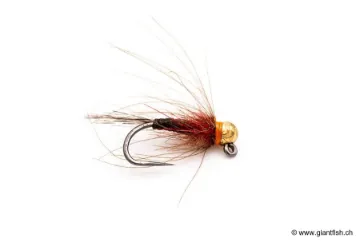

Devaux Tungsten Nymph Fly NTJ 04
Devaux Tungsten Nymph Flies: the ideal tungsten nymph for demanding fly anglers, combining performance, realism and efficiency in all conditions.
3.10 (CHF) incl tax
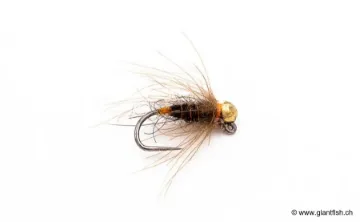
Devaux Tungsten Nymph Fly NTJ 03
Devaux NTJ03 Tungsten Nymph Fly – innovative fly lure for discerning anglers
3.10 (CHF) incl tax
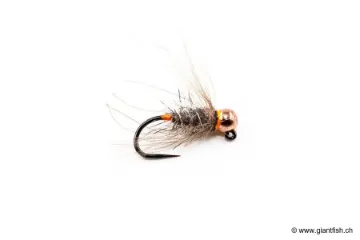
Devaux Tungsten Nymph Fly NTJ 03-C
Devaux Tungsten Nymph Fly NTJ03C – enhanced fishing performance, high-quality artificial fly, outstanding effectiveness for demanding anglers.
3.10 (CHF) incl tax
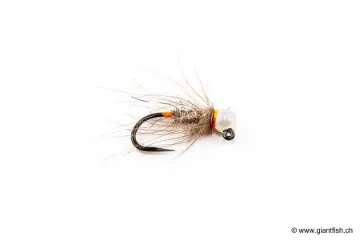
Devaux Tungsten Nymph Fly NTJ 03-B
Devaux NTJ03B Tungsten Nymph Fly: efficiency and innovation for fly fishing
3.10 (CHF) incl tax
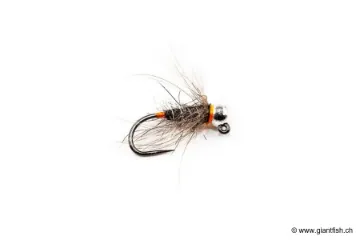
Devaux Tungsten Nymph Fly NTJ 03-A
Devaux Tungsten Nymph Flies – precision artificial nymph for fly fishing offering effectiveness and durability.
3.10 (CHF) incl tax
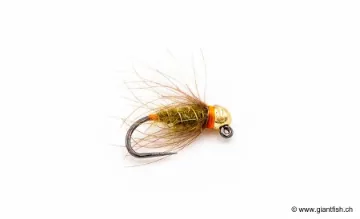
Devaux Tungsten Nymph NTJ02 Fly
Devaux Tungsten Nymph NTJ02 — an effective, versatile tungsten nymph for fly fishing.
3.10 (CHF) incl tax
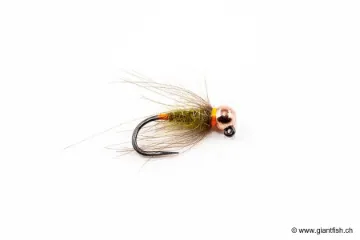
Devaux Tungsten Nymph Fly NTJ 02-C
Devaux Tungsten Nymph NTJ02C – a robust, highly effective fly for river and fast-water fishing, designed to optimize catches and faithfully reproduce the natural behavior of insects. A flagship Devaux product for anglers seeking innovation.
3.10 (CHF) incl tax
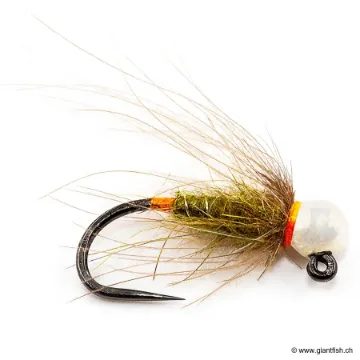
Devaux Tungsten Nymph Fly NTJ 02-B
Devaux NTJ02B tungsten nymph fly: performance and realism for fly fishing — efficiency, versatility and innovation from Devaux.
3.10 (CHF) incl tax
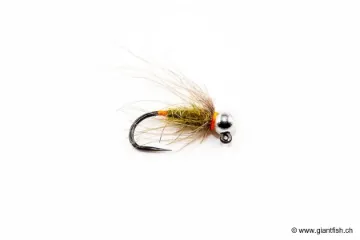
Devaux Tungsten Nymph Fly NTJ 02-A
Devaux Tungsten Nymph NTJ02A: efficiency, innovation and realism for trout fly fishing.
3.10 (CHF) incl tax
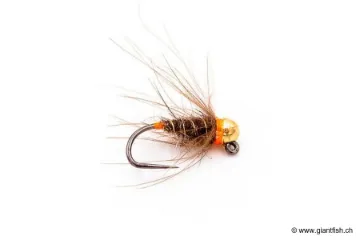
Devaux Tungsten Nymph Fly NTJ 01
Devaux Tungsten Nymph Fly NTJ01, premium artificial fly for nymph fishing.
3.10 (CHF) incl tax
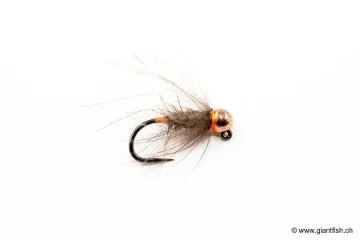
Devaux Tungsten Nymph Fly NTJ 01-C
Devaux Tungsten Nymph Fly NTJ01C, innovative nymph flies for trout fishing with rapid sink rate and high effectiveness in rivers.
3.10 (CHF) incl tax
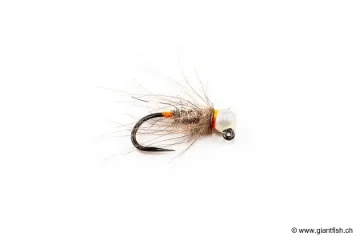
Devaux Tungsten Nymph Fly NTJ 01-B
Devaux Tungsten Nymph Fly NTJ01B: the benchmark for fly fishing, offering remarkable effectiveness and realism thanks to its tungsten design by Devaux.
3.10 (CHF) incl tax
Payment options


