











Cookies help us deliver our services. By using our services, you agree to our use of cookies.
Search
[CHF] Swiss Franc
English
- Fishing license
- New Products
- Predator
- Trout
- Fly Fishing
- Carp
- Catfish
- Pole Fishing
- Sea Fishing
-
Clothing
- Fishing jackets
- Hoodies, fleeces & sweaters
- Fishing T-shirts, Polos, and Shirts
- Fishing Pants, Bibs, and Shorts
- Fishing vests and chest packs
- Waders and Hip Boots
- Boots, Shoes & Sandals
- Polarized sunglasses & Accessories
- Caps, Visors & Hats
- Beanies, Neck gaiters & Gloves
- Thermal underwear & Socks
- UV-blocking Clothing and Sun protection accessories
- Various
- Navigation
- Hunting
- Decor & Gifts
- Brands
Filter
Filter by price
Filter by manufacturer
Flies
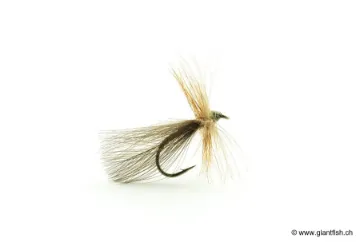

Devaux Caddis/Sedge Fly 434C
Devaux Caddis/Sedge Fly 434C – a versatile artificial fly for discerning anglers. Realistic caddis imitation designed by Devaux, a leader in fly fishing flies. Quality, performance, durability.
3.10 (CHF) incl tax
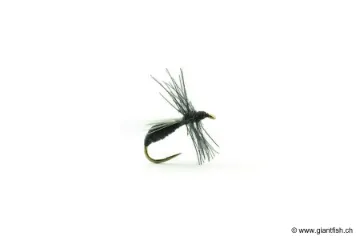
Devaux Terrestrial Fly 510C
Devaux Terrestrial Flies 510C: effective artificial flies for fly fishing.
3.10 (CHF) incl tax
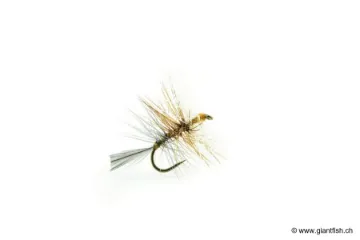
Devaux Palmer Fly 449
Devaux Palmer Flies 449, versatile artificial flies for fly fishing, long-lasting buoyancy, neat tying and quality materials, proven effectiveness in rivers and reservoirs, reliable design for a natural presentation.
3.10 (CHF) incl tax
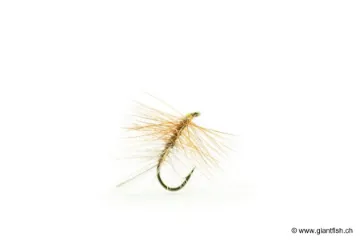
Devaux Palmer 443 Dry Fly
Devaux Palmer 443 dry flies — versatile, durable dry fly for river and stillwater fly fishing; reliable buoyancy, neat tying, sharp hook and robust materials for natural, effective drifts.
3.10 (CHF) incl tax
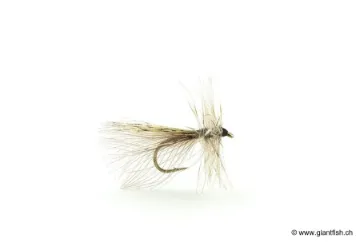
Devaux Caddis/Sedge Fly 436CP
Devaux Caddis/Sedge Fly 436CP – Realistic artificial fly for freshwater fly fishing
3.10 (CHF) incl tax
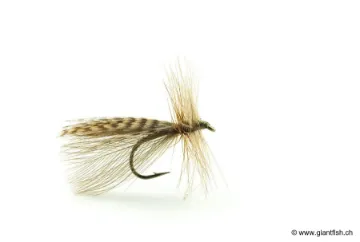
Devaux Sedge Caddis Fly 434CT
Devaux Sedge/Caddis Flies 434CT – Premium artificial flies for fly fishing with outstanding buoyancy, realism and effectiveness.
3.10 (CHF) incl tax
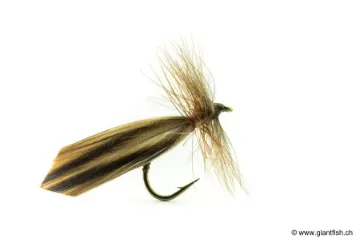
Devaux Sedge Trichoptera Fly 432C
Devaux Trichoptera Sedge 432C flies, a premium dry fly for effective river fishing, true to natural insects and designed for optimal buoyancy.
3.10 (CHF) incl tax
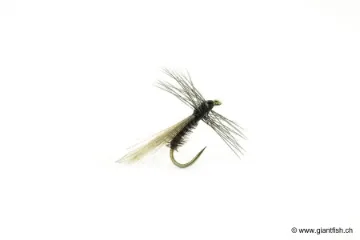
Devaux Terrestrial Fly 428
Devaux Terrestrial Flies 428: a versatile artificial fly imitating terrestrial insects for fly fishing, designed to maximize attraction across various rivers and water bodies.
3.10 (CHF) incl tax
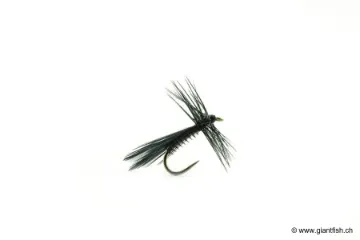
Devaux Terrestrial Fly 427
Devaux Terrestrial Fly 427: an artificial fly ideal for fly fishing, noted for its effectiveness, durability and attractiveness on rivers and still waters.
3.10 (CHF) incl tax
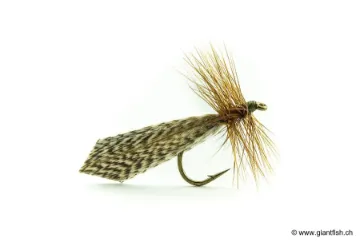
Devaux Caddis (Sedge) Fly 426
Devaux Caddis/Sedge Fly 426, premium artificial fly for fly fishing, remarkable realism, optimal effectiveness, ideal for streams and rivers, a must-have for discerning anglers.
3.10 (CHF) incl tax
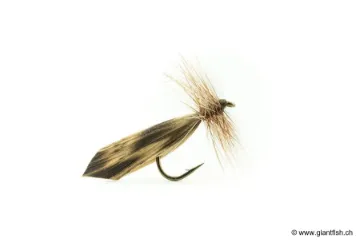
Devaux Caddis/Sedge Fly 422
Devaux Caddis/Sedge Fly 422: a versatile artificial fly for discerning anglers, precisely crafted to imitate natural insects and maximize effectiveness in rivers and lakes.
3.10 (CHF) incl tax
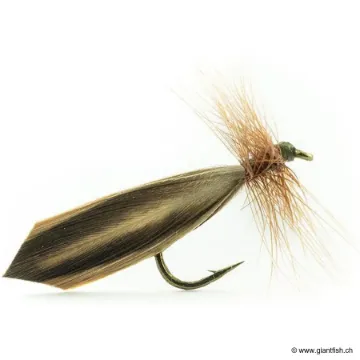
Devaux Sedge Trichoptera Fly 420
Devaux Sedge Trichoptera Flies: effectiveness, quality and realism for fly fishing.
3.10 (CHF) incl tax
Payment options


