
















Search
[CHF] Swiss Franc
English
All Categories
Menu Close

Flies

View as Grid List
Sort by
Display per page

Devaux Dry Fly 911

Devaux Dry Flies 911, high-end artificial dry flies for freshwater.
3.10 (CHF) incl tax

Devaux Dry Fly 911C

Devaux DRY FLIES 911C, premium dry fly for fly fishing, ultra-realistic imitation and optimal buoyancy by Devaux.
3.10 (CHF) incl tax

Devaux Terrestrial Fly 880

Devaux Terrestrial Fly 880, a versatile fly for fly fishing, realistic imitation of terrestrial insects. Designed to entice wary fish in rivers or reservoirs, it delivers effective results.
3.10 (CHF) incl tax
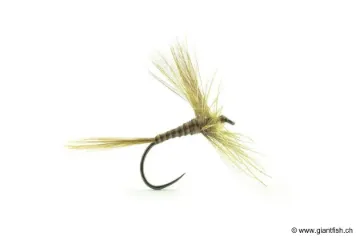
Devaux Dry Fly 841QC

Devaux DRY FLY 841QC, premium dry fly for trout fishing in rivers and reservoirs, high flotation and realistic imitation.
3.10 (CHF) incl tax
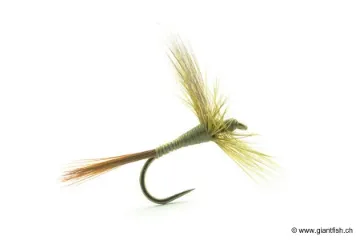
Devaux Dry Fly 841

Devaux Dry Fly 841, a must-have reference in fly fishing, guarantees discretion, buoyancy and effectiveness on all types of rivers to entice the wariest trout.
3.10 (CHF) incl tax
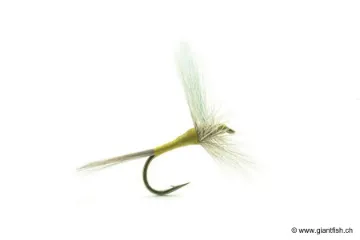
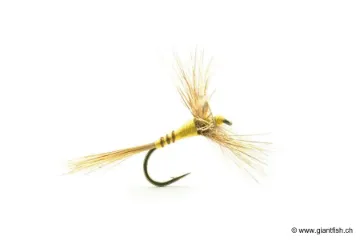
Devaux Dry Fly 824

Devaux Dry Flies 824: the benchmark for dry fly fishing.
3.10 (CHF) incl tax

Devaux Dry Fly 823

Devaux Dry Fly 823: unmatched effectiveness and realism for fly fishing.
3.10 (CHF) incl tax
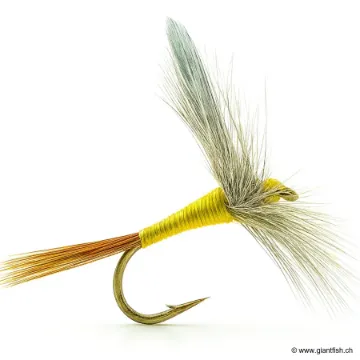
Devaux Dry Fly 837

Devaux Dry Flies 837, a high-end artificial dry fly ideal for fly fishing on all types of rivers, designed by Devaux to perfectly imitate natural insects and provide exceptional realism and buoyancy.
3.10 (CHF) incl tax
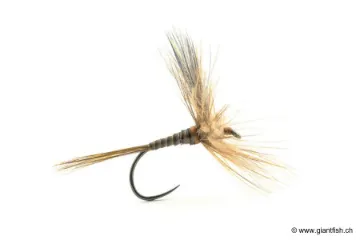
Devaux Dry Fly 834QC

Devaux DRY FLIES 834QC: premium dry artificial flies for fly fishing
3.10 (CHF) incl tax
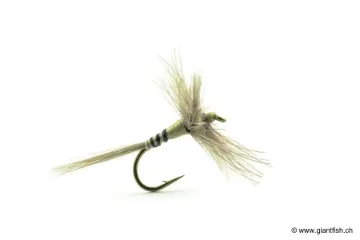
Devaux 828C Dry Fly

Devaux 828C Dry Fly: premium artificial dry fly for fly fishing
3.10 (CHF) incl tax
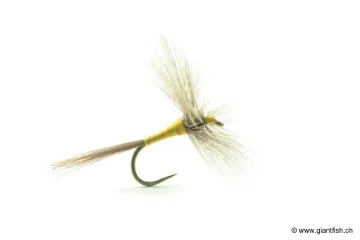
Devaux Dry Fly 815

Devaux Dry Flies 815 – Premium dry flies for fly fishing in rivers and lakes.
3.10 (CHF) incl tax
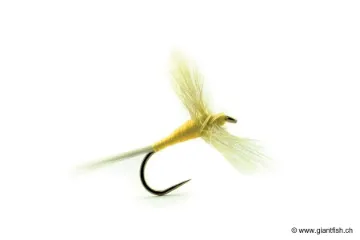
Devaux Dry Fly 814

Devaux Dry Flies 814 – Premium artificial flies for discerning fly anglers. Ideal for faithfully reproducing aquatic insects and maximizing catches.
3.10 (CHF) incl tax
Flies are at the heart of fly fishing. Whether you need to present an ultra-discreet imitation on calm water or trigger a strike from active fish in fast current, having a varied, well thought-out selection is essential. Our range of flies covers the main fishing situations, from small streams to large lakes, to help you pick the right pattern at the right time.

The main families of fishing flies

To build an effective fly box, it helps to know the main types of flies and how to use them.

  • Dry flies: designed to float on the surface, they imitate adult insects. Ideal when fish are rising and feeding on top.
  • Nymphs: fished below the surface, they imitate the underwater stages of insects. Essential when there is no visible surface activity.
  • Emerger flies: fished in the film or just below, they imitate the insect rising toward the surface. Very effective on wary fish.
  • Streamers: imitations of small baitfish, leeches or large invertebrates. Perfect for targeting active fish or picking out the bigger specimens.
  • Wet flies: traditional and versatile, they are drifted through the water column to cover different depths.

Matching your flies to seasons and conditions

Success depends on how well your flies match the conditions on the day. Size, color and weight directly influence presentation.

  • Early season: favor slightly heavier nymphs and a few streamers to search deeper areas and cold water.
  • Mid-season: dry flies and emergers become the main choice, with medium to small insect imitations.
  • Late season: go back to denser nymphs and streamers, focusing on low-light periods.
  • Clear water: choose subtle, small patterns and very delicate presentations.
  • Colored or high water: opt for slightly bulkier flies with strong contrast so they stay visible.

Organizing and caring for your flies

Good organization lets you react quickly on the water and helps your flies last longer.

  • Sort your flies by type (dries, nymphs, streamers) and by size in compartmented fly boxes.
  • Always let your flies dry after a session to prevent hook corrosion and preserve the quality of the materials.
  • Check hook points regularly and replace patterns that are dull or damaged.
  • Keep a small reserve of reliable, all-round patterns you know well for tough conditions.

Pairing your flies with the right technique

Choosing the right fly goes hand in hand with the technique you use. The same imitation can be extremely effective when combined with the right drift and the right leader setup.

  • For dry flies, use long, fine leaders to achieve a natural, drag-free drift.
  • For nymphs, match the weight to the depth and current, and watch your indicators or fly line closely.
  • With streamers, vary the retrieve speed (slow strips, fast strips, pauses) to trigger strikes.

FAQ – Fishing flies

What fly size should I choose?

Size mainly depends on the available food and water clarity. As a rule, the clearer the water and the spookier the fish, the smaller the flies you should use. Keep several sizes of the same pattern so you can adapt quickly.

Should I favor certain fly colors?

Natural shades (olive, brown, gray) work in many situations. Brighter colors, with more contrast or a bit of flash, can help in colored water or low light. The key is to stay consistent with what fish are likely to see.

How many fly patterns do I need to start?

You don’t need an overstuffed fly box. A small selection of dries, nymphs and streamers in a few key sizes already covers many situations. You can then gradually expand your collection based on your experience and the waters you fish most often.