





















Search
[CHF] Swiss Franc
English
All Categories
Menu Close

Jig Heads

View as Grid List
Sort by
Display per page

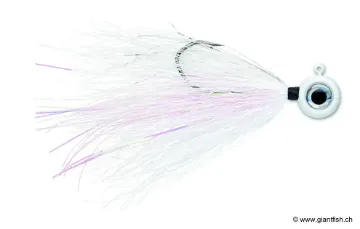
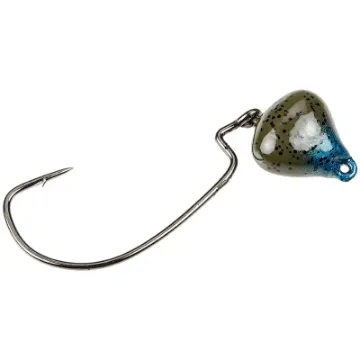
Strike King Tour Grade Round Jig Head

Tête plombée Strike King Tour Grade Round Jig Head
4.10 (CHF) incl tax

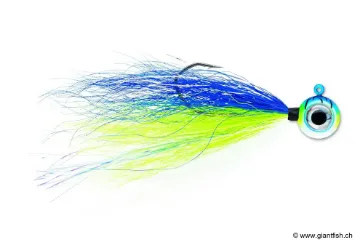
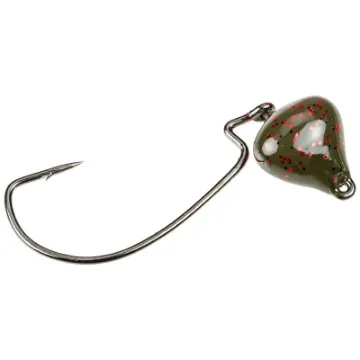
Strike King Tour Grade Skipping Jig

Strike King Tour Grade Football Jigs
6.40 (CHF) incl tax

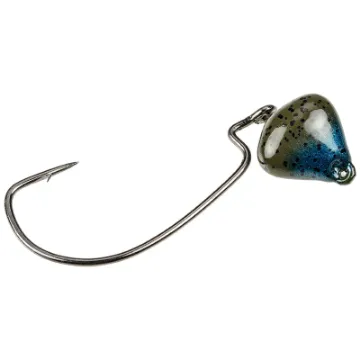
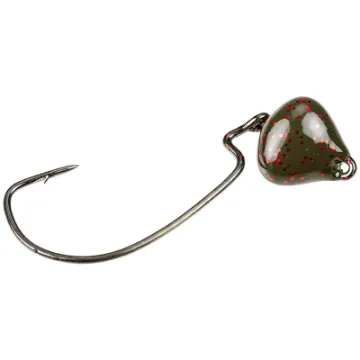
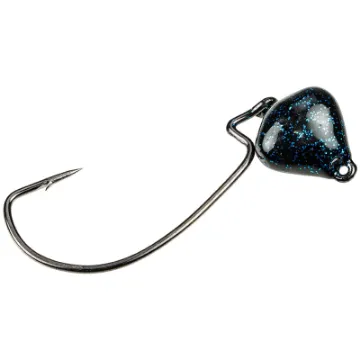
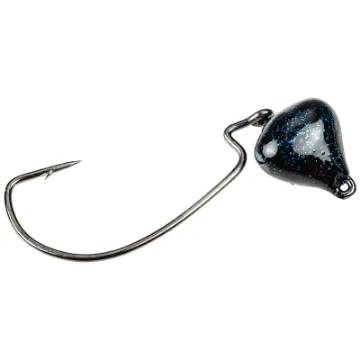
Strike King Tour Grade Tube Jig Heads

Tête lestée Strike King Tour Grade Tube Head Jig
4.55 (CHF) incl tax

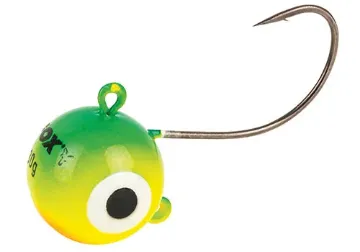
Fox Rage Fire Ball Finesse Jig Head

Tête plombée pour poissons morts
1.75 (CHF) incl tax

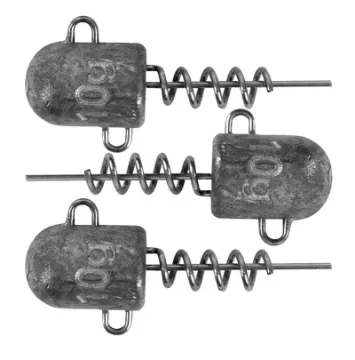
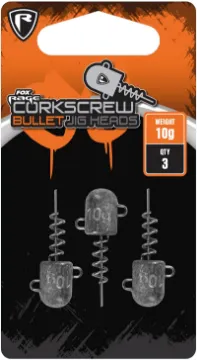
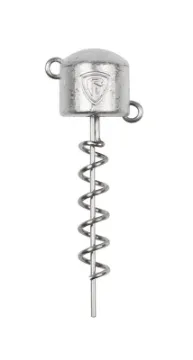
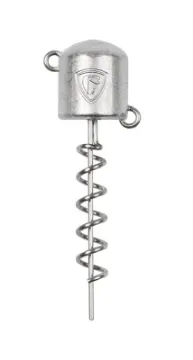
Fox Rage Corkscrew Bullet Jig Heads (3 Pack)

Têtes de jig Cork Screw pour des prises améliorées
3.65 (CHF) incl tax

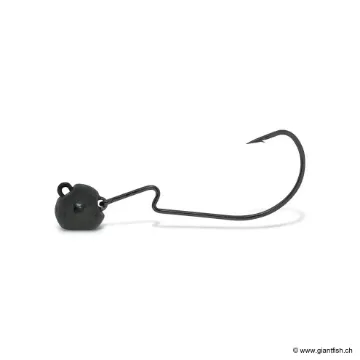
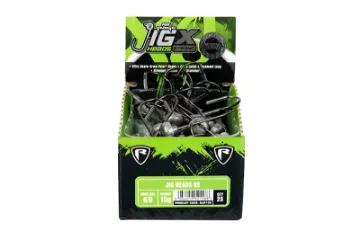
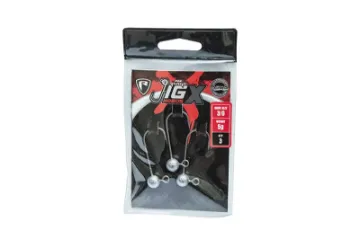
Fox Rage Jig Head X

Têtes plombées Jig Head X
1.25 (CHF) incl tax

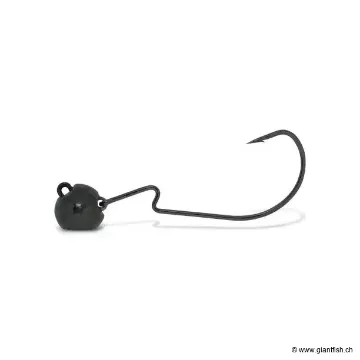
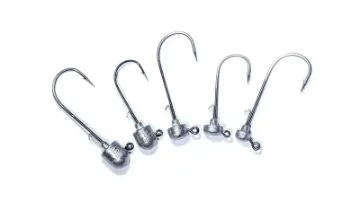
Fox Rage Finesse Jig Heads

Tête plombée pour approche délicate et pêches Finesse
1.00 (CHF) incl tax

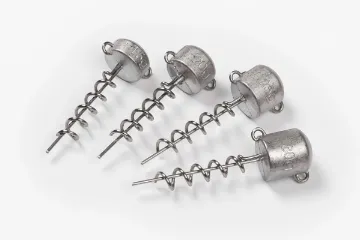
Fox Rage Corkscrew Round Jig Heads (3 Pack)

Têtes plombées Cork Screw pour ferrage amélioré
3.65 (CHF) incl tax

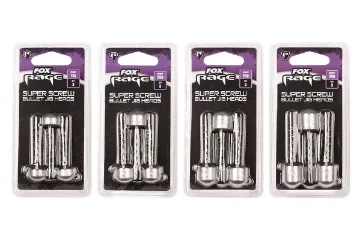
Fox Rage Super Screw Bullet Jig Heads

Têtes plombées Fox Rage
4.10 (CHF) incl tax

Fox Rage Micro Jig Heads

Micro têtes pour micro leurres
4.55 (CHF) incl tax

Fox Rage Micro Bullet Jig Heads

Têtes plombées Micro Jig
4.55 (CHF) incl tax

Strike King Hack Attack Heavy Cover Jig

Strike King® Hack Attack Jig
5.45 (CHF) incl tax

Jig heads: role and advantages

Essential for predator fishing with soft baits, jig heads determine the swimming action, working depth and the quality of your hookset. When properly chosen, they let you present your shad, finesse bait or creature bait naturally, whether you fish rivers, lakes or calm ponds.

A good jig head must combine the right weight, a strong hook and a shape that matches the bottom and technique you are using. This trio often makes the difference between a simple tap and a fish actually hooked at the end of your line.

Choosing the shape and weight of your jig head

The shape has a direct influence on lure action and bottom contact:

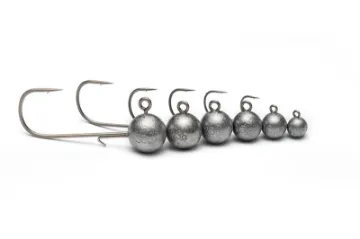
  • Round: versatile, ideal for straight retrieves and simple animations.
  • Football: excellent bottom stability, perfect for dragging and fishing drop-offs.
  • Sabot / stand-up: keeps the lure standing upright, very effective on wary fish.
  • Articulated (cheburashka style): lets the lure move very freely for a more natural action.
  • Weighted Texas: for snaggy areas, helps limit hang-ups.

The weight mainly depends on depth, current and lure size. Go light for the shallows, bank edges and active fish; go heavier to reach the bottom quickly, fish deep in winter or when drifting in a controlled way. Adjusting the weight lets you keep contact with the lure without killing its action.

Matching the jig head to the target predator

Each species calls for a few adjustments:

  • Perch: small, slim jig heads with discreet hooks and light weights for lively animations.
  • Zander: strong, sharp hooks and stable shapes to work close to the bottom and feel the most delicate bites.
  • Pike: robust jig heads, heavy-wire hooks, suited to bulky lures and powerful fights.

Also think about the season: in spring and summer, anglers usually favor lighter, faster rigs, while in fall and winter they focus more on the bottom with heavier weights and slower presentations.

Fishing techniques with jig heads

Jig heads can be used for many different approaches:

  • Straight retrieve: steady winding, ideal for quickly covering water and triggering active fish.
  • Bottom hopping: short lifts and drops, highly effective on zander and perch holding on drop-offs and plateaus.
  • Vertical fishing: precise control under the rod tip, particularly effective in cold water or on tightly grouped fish.
  • Yo-yo / lift-and-drop: alternating rises and falls, often triggering strikes on the way down.

Vary retrieve speed, stroke amplitude and pause duration according to water temperature and fish activity. The same jig head can cover several approaches over the course of a session.

FAQ - Jig heads

Which jig head shape should I choose? To start, a versatile round jig head will cover most situations. Then refine your choice with football or stand-up models for precise spots and complex bottoms.

What weight should I use for soft bait fishing? In general, choose the lightest weight that still lets you feel the bottom. Increase the weight as soon as you lose contact with the lure or when the current strengthens.

How can I reduce snags with a jig head? Use Texas-style rigs or shapes designed for snaggy bottoms, and adjust your retrieve angle so you pass just above the structure without plowing the bottom.

What hook size for my soft bait? The hook point should come out roughly in the middle of the lure's back without restricting its action. A hook that is too short reduces hook-up quality, and one that is too long limits flexibility and realism.