





















Cookies help us deliver our services. By using our services, you agree to our use of cookies.
Filter
Filter by price
Filter by manufacturer
Jig Heads
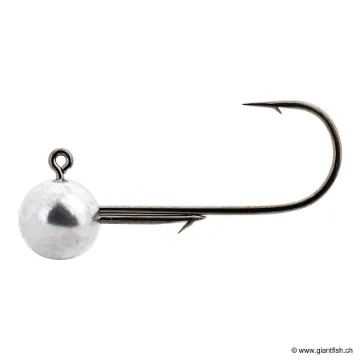
Decoy VJ-76 M Head Jig Head
The DECOY VJ-76 M HEAD jig head is ideal for finesse fishing with soft lures and thin lines. Its discreet bait keeper securely holds soft lures, even the most delicate ones like worms, without damaging them.
5.90 (CHF) incl tax
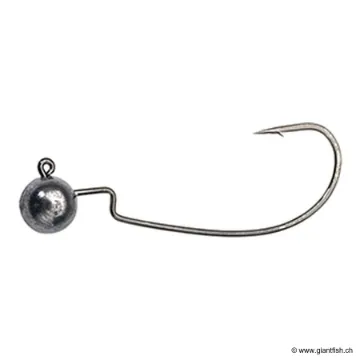
DECOY VJ-71 Nail Bomb Jig Head
Round jig head equipped with a highly sharpened Texas hook, ideal for finesse and slow fishing.
8.05 (CHF) incl tax
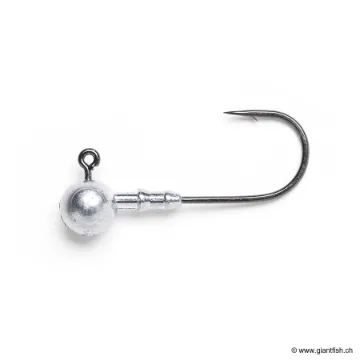
DECOY VJ-30 Standard Head Jighead
Round jighead featuring a strong Jig 11 hook, ideal for various soft baits.
5.90 (CHF) incl tax
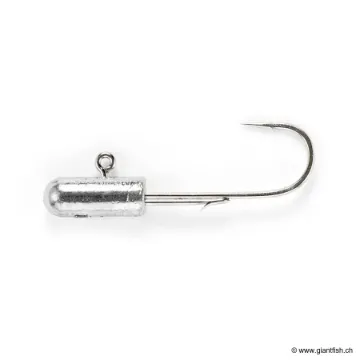
DECOY SV-70 Rocket Magic Jig Head
SV-70 H No.6 DECOY jig head, ideal for cranking shad, bottom fishing techniques, and darting animations.
5.90 (CHF) incl tax
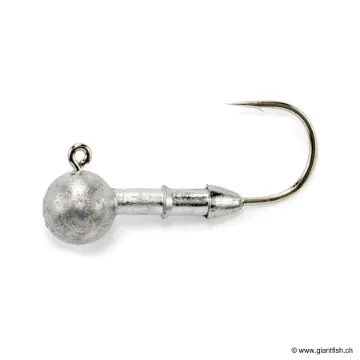
DECOY SV-60 SW HEAD Jig Head
DECOY SV-60 SW HEAD round jig head, perfect for saltwater fishing. Optimized center of gravity ensures horizontal lure positioning during pauses. Equipped with ultra-sharp and robust JIG-11 hook, guarantees secure hooksets for enhanced efficiency.
7.15 (CHF) incl tax
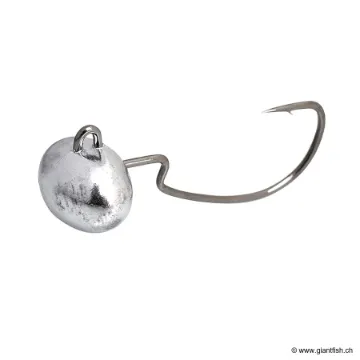
DECOY SV-57 Jig Head
Football Jig Head with offset hook, ideal for finesse and slow bottom fishing.
8.35 (CHF) incl tax
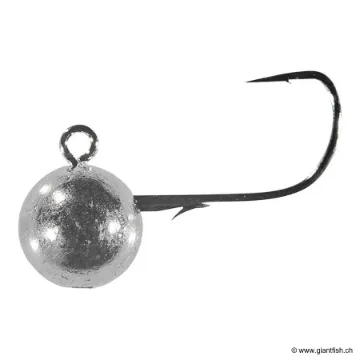
DECOY SV-52 Round Magic Jig Head
Light, round jig head for small soft lures, featuring a barb for secure holding.
7.15 (CHF) incl tax
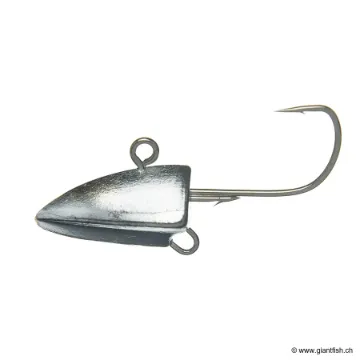
DECOY SV-51 DM Heavy Jighead
DECOY SV 51 HEAVY jighead, ideal for horse mackerel and rockfish fishing. Its design enables erratic action to trigger reflex attacks from fast-moving fish. The winding or darting technique, achieved through sharp rod tip jerks, creates unpredictable lateral movements, increasing aggression in inactive fish. An eyelet beneath the head lets you attach a blade or treble hook for enhanced versatility.
7.15 (CHF) incl tax
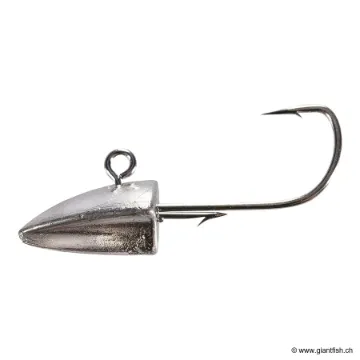
DECOY SV-51 Jig Head
SV-51 H jig head ideal for fishing fast-moving fish with erratic movements.
7.15 (CHF) incl tax
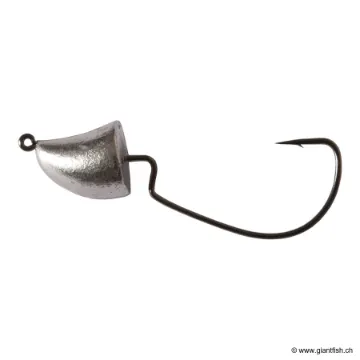
DECOY SV-38 Jig Head
Lightweight jig head with Offset hook ideal for fishing in snaggy areas. Perfect for light rock fishing and perch fishing.
7.80 (CHF) incl tax
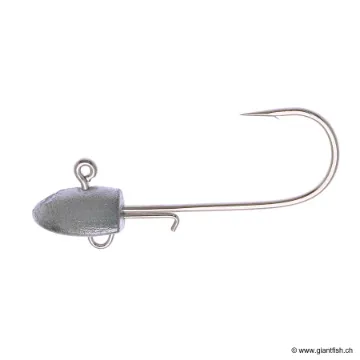
DECOY SV-34 Jig Head
Versatile jig head with ultra-sharp hook, ideal for cast-and-retrieve and vertical fishing techniques.
8.15 (CHF) incl tax
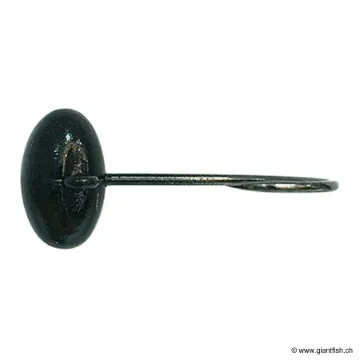
Decoy SV-32 Tank Head Jig Head
Robust football jig head, ideal for small soft lures and sparidae fishing.
9.20 (CHF) incl tax