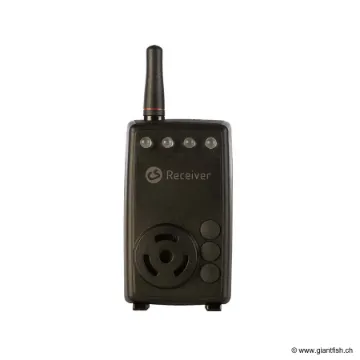
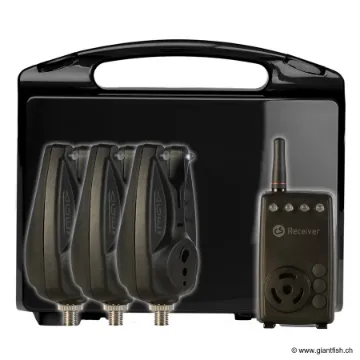
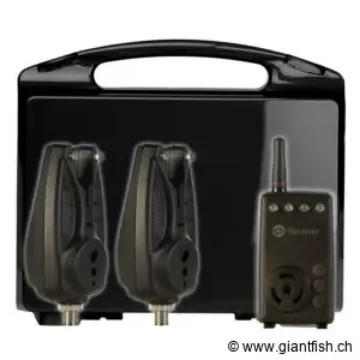
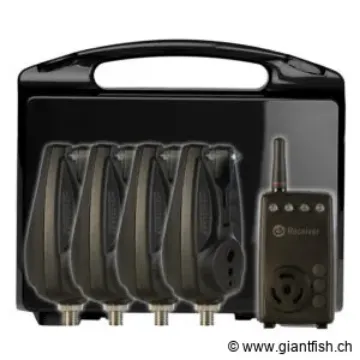
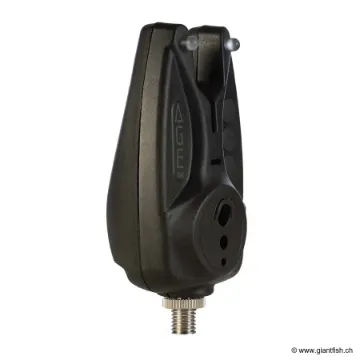
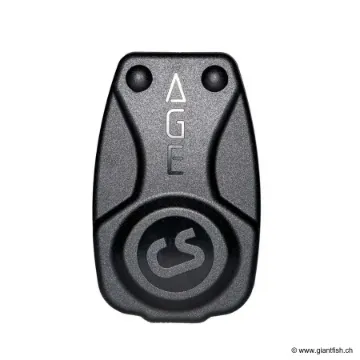
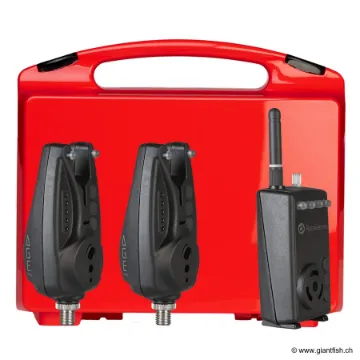
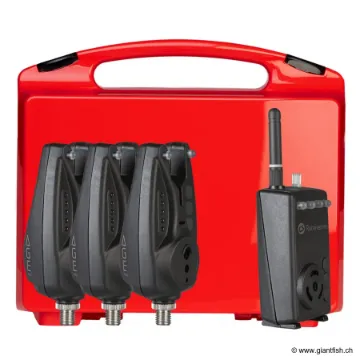
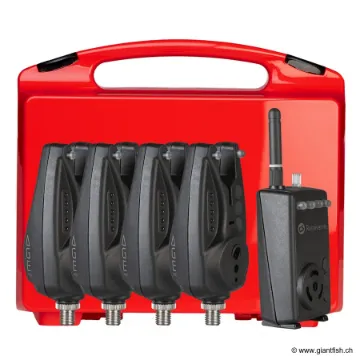
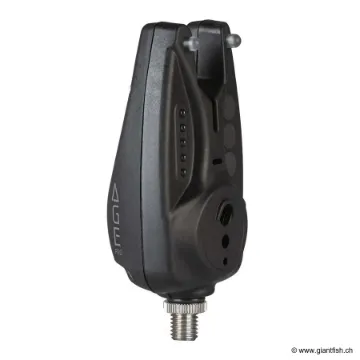
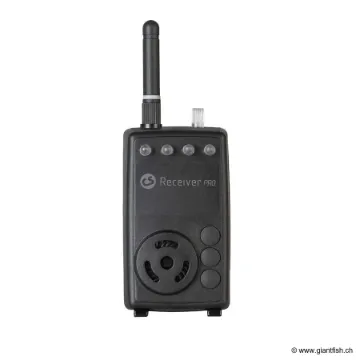
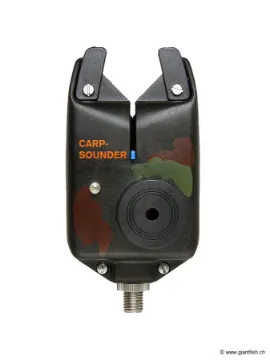
Product benefits
- Infrared detection to identify presence or movement within the monitored area
- Helps secure your fishing spot (bivvy, gear, immediate surroundings)
- Intuitive to use and quick to set up on site
- Designed for outdoor use, suitable for common fishing conditions
- Can complement your session setup so you can stay focused on fishing action
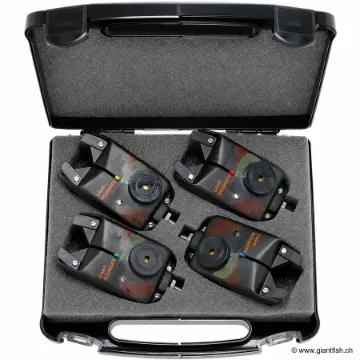
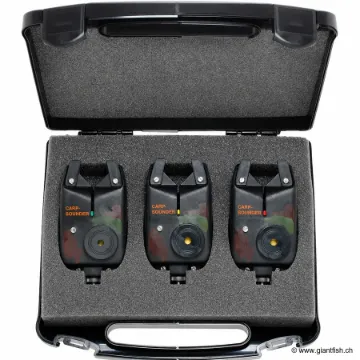
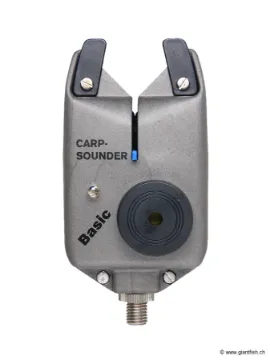
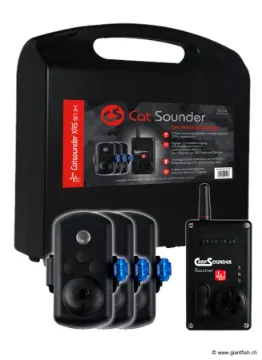
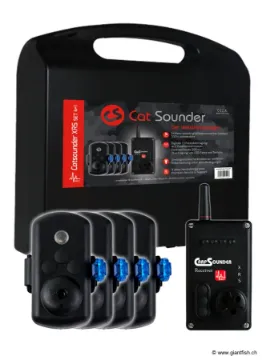
A carp fishing session often means managing several priorities: keeping an eye on your gear, protecting the bivvy area, and staying alert, especially at night. The Carp-Sounder infrared motion alarm answers that need by adding an extra layer of monitoring around your setup. It is designed to alert you when movement is detected within the perimeter you choose to monitor, helping reduce surprises and giving you greater peace of mind.
Unlike a standard bite alarm, which is designed to monitor a line directly, this type of device focuses on presence detection. It can therefore be positioned strategically near a walkway, at the entrance to your bivvy area, or anywhere you want to be alerted to activity. The goal is simple: inform you quickly so you can decide whether to intervene, check the area, or remain discreet depending on the situation.
Technical specifications
- Type: infrared motion alarm for fishing and outdoor use
- Main function: motion/presence detection via infrared sensor
- Alerting: alarm signal (depending on product configuration) to notify you when detection occurs
- Installation: position on the area to be monitored, with orientation according to the detection axis
- Use: monitoring the fishing spot, gear, and immediate surroundings
- Settings: some parameters may be available depending on the version (without changing the basic operating principle)
In practice, the effectiveness of an infrared alarm mainly depends on how it is installed. For consistent monitoring, it is recommended to define your control area: the place where a presence is actually relevant (access to the spot, storage area, bivvy entrance). Once that perimeter is chosen, orient the alarm so detection matches your needs without triggering unnecessary alerts.
Advantages and key product benefits
The main advantage of the Carp-Sounder alarm is that it provides passive security for your setup. You do not have to keep actively watching at all times: the alarm acts as a sentry. This can be especially useful during long sessions, when fatigue sets in, or when you need to step away briefly while still wanting to be informed of any nearby activity.
Another benefit: infrared detection is relevant in many common fishing scenarios where the goal is to be alerted to movement nearby. Without replacing good habits (discretion, organization, vigilance), it provides a useful extra layer, especially on busy waters or when fishing a more isolated spot.
Finally, a motion alarm is also an organizational tool: it helps you better define your comfort zone. By being alerted at the right moment, you can avoid rushed reactions, check calmly, and keep your attention on what matters most: fishing strategy, spot management, and bite handling.
Usage tips
1) Choose a logical location: place the alarm so it covers an access point or likely passage rather than aiming at an area that is too wide. The goal is to be alerted to a relevant event, not to trigger constant alarms.
2) Aim the detection zone correctly: take a few seconds to adjust the orientation. An installation that is too high or poorly aligned can reduce the usefulness of the monitoring.
3) Test before nightfall: perform a simple test (walk through the monitored area) to make sure the alert matches your expectations.
4) Avoid unwanted triggers: choose a position that limits false movement sources (moving vegetation, constant foot traffic).
5) Integrate the alarm into your routine: link it to your session organization (gear area, bivvy access, pathways). A good routine improves peace of mind.
FAQ
Question 1: What is an infrared motion alarm used for in fishing?
Answer: It is used to alert you when movement or presence is detected in an area you want to monitor (bivvy, gear, access to the spot), helping improve comfort and security during the session.
Question 2: Does this alarm replace a bite alarm?
Answer: No. A bite alarm is dedicated to detecting activity on a line, while an infrared alarm is designed to monitor a perimeter around the fishing spot.
Question 3: How can I reduce unnecessary triggers?
Answer: By defining a relevant monitoring area, correctly aiming the alarm, and avoiding locations exposed to unwanted movement sources (for example, very mobile vegetation).