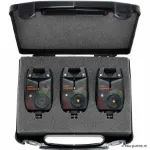
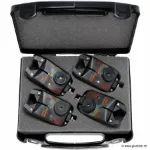
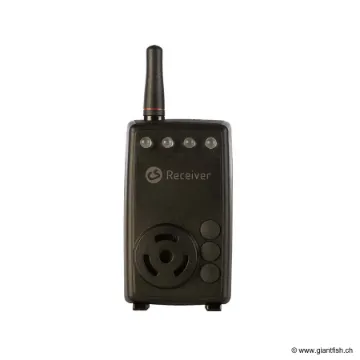
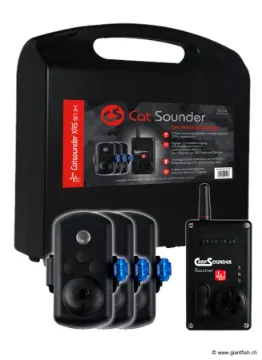
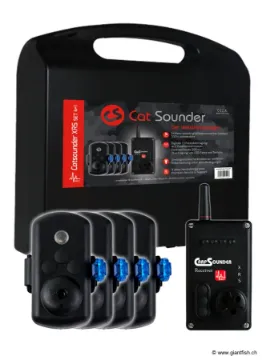
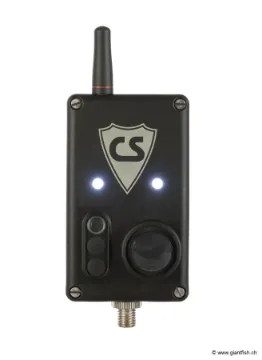
Product Highlights
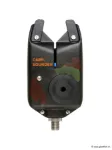
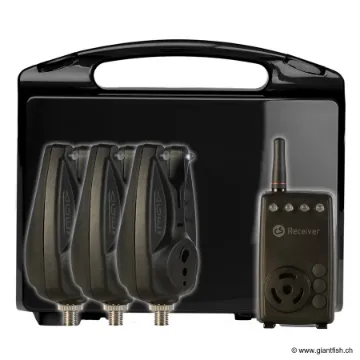
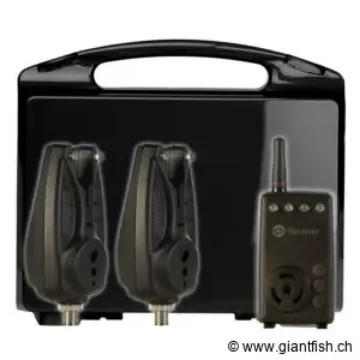
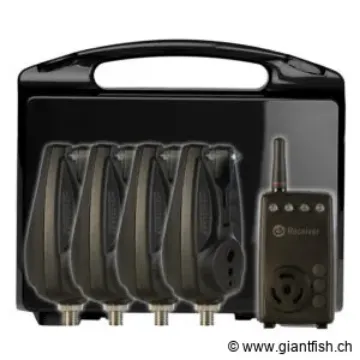
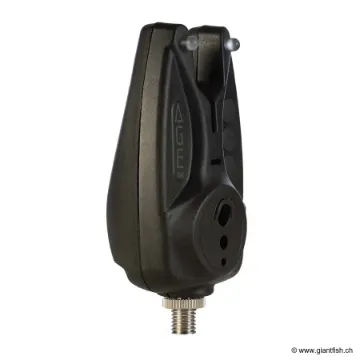
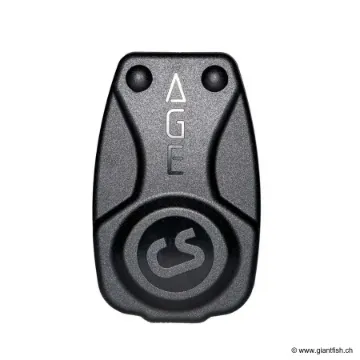
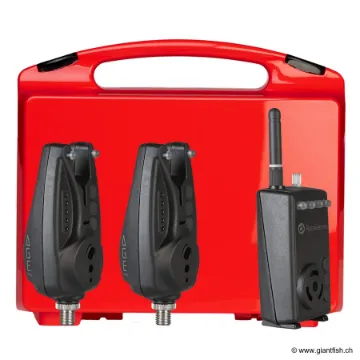
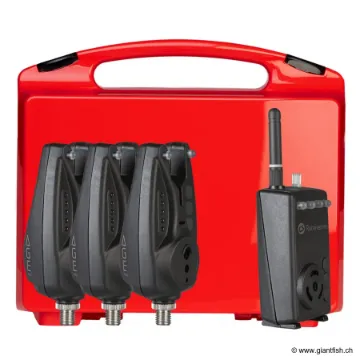
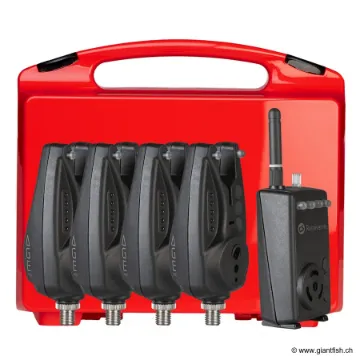
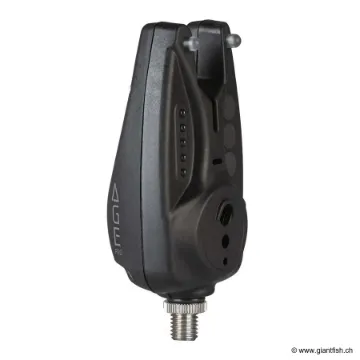
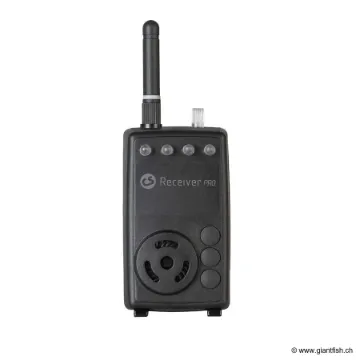
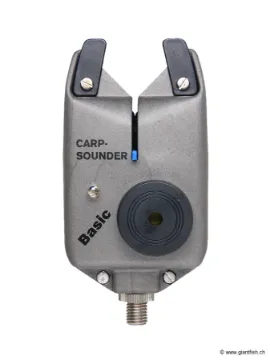
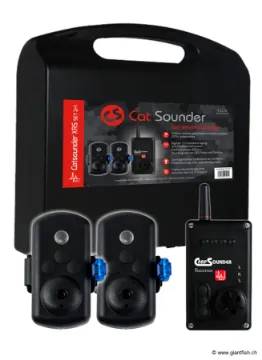
Designed to support carp fishing sessions, the Carp-Sounder carp bite alarm from the Basic range focuses on the essentials: alerting you quickly and clearly when a bite occurs, while remaining simple to install and use. This Carp-Sounder bite alarm is aimed at carp anglers who want a reliable accessory to monitor their rods, day or night, without unnecessary complexity.
With an efficiency-first approach, the goal is to secure line monitoring and improve fishing comfort: you stay focused on your swim, rigs, and playing the fish, while the electronic bite alarm signals line movement associated with bites. It fits naturally into a carp angler's setup (rods, rests, rod pod, or compatible banksticks) for sessions on ponds, lakes, rivers, or canals.
Technical Features
- Type: electronic bite alarm for carp fishing
- Alert system: audible alert and visual alert for quick bite reading
- Use: line monitoring on a rod set up on a stand, for static fishing
- Installation: mounts on a compatible rod support (rod pod / bankstick depending on equipment)
- Environment: designed for use by the water (variable outdoor conditions)
- Ergonomics: simple handling, suitable for both beginners and regular carp anglers
Benefits and Key Advantages
More confident bite detection: when fishing at distance or at night, a bite can go unnoticed. A good carp bite alarm provides an immediate alert, helping you react at the right moment, reduce hook pulls, and better manage runs.
Comfort at the swim: during long sessions, fatigue and distractions increase. The audible alert and visual signal improve awareness without keeping you under constant tension watching the rod tips. You enjoy the session more while maintaining precise rod monitoring.
Easy integration: the Basic range is designed to be straightforward. The alarm mounts on a compatible rod support and fits into a classic routine: setting up the swim, positioning the rods, adjusting to the situation, then monitoring bites.
Versatile use: whether you fish still water or moderate current, the main advantage of a Carp-Sounder bite alarm is to provide clear information about line activity. It becomes especially useful when conditions change (wind, ripples, line tension variations) and visual observation is less reliable.
Usage Tips
To get the best from your carp bite alarm, set up your rod support firmly, then position the rod so the line runs correctly. Next, adjust the available settings gradually: the goal is a clear alert without false triggers. In windy conditions or moving water, choose a more sheltered swim and check line tension to keep readings consistent.
Before each session, perform a quick check: correct mounting on the support, proper line alignment, and a fast test of the alert. After fishing, wipe the unit if needed and store it away from prolonged moisture. These basic steps help extend the life and reliability of the electronic bite alarm.
FAQ
Question 1: What is a bite alarm used for in carp fishing?
Answer: It signals line movement linked to a bite through an audible and/or visual alert, improving responsiveness and comfort when rods are left set up.
Question 2: Is it suitable for beginners?
Answer: Yes, a Basic range alarm is especially appealing for beginners: it provides the essentials (bite indication) with a simple operating logic.
Question 3: Can it be used on stillwaters and rivers?
Answer: Yes, the use remains the same: monitor the line on a rod set up on a stand. You should adapt the swim setup and settings according to conditions (wind, current, line tension).
Question 4: How can false triggers be avoided?
Answer: Stabilize the support, check line alignment, adjust the available settings gradually, and adapt line tension to current conditions.