





















Cookies help us deliver our services. By using our services, you agree to our use of cookies.
Search
[CHF] Swiss Franc
English
- Fishing license
- New Products
- Predator
- Trout
- Fly Fishing
- Carp
- Catfish
- Strike
- Sea
-
Clothing
- Fishing jackets
- Hoodies, fleeces & sweaters
- Fishing T-shirts, Polos, and Shirts
- Fishing Pants, Bibs, and Shorts
- Fishing vests and chest packs
- Waders and Hip Boots
- Boots, Shoes & Sandals
- Polarized sunglasses & Accessories
- Caps, Visors & Hats
- Beanies, Neck gaiters & Gloves
- Thermal underwear & Socks
- UV-blocking Clothing and Sun protection accessories
- Various
- Navigation
- Hunting
- Decor & Gifts
- Brands
Filter
Filter by price
Filter by manufacturer
Thermal underwear & Socks


FOX Men's Boxer Shorts - Black/Khaki
Fox boxer shorts designed for reliable everyday comfort and outdoor activities, including fishing.
16.80 (CHF) incl tax


Thermal Underwear FOX Thermal Base Layer Khaki
The FOX Thermal Base Layer thermal underwear is a base layer designed for fishing in cool to cold weather. Worn on its own or under clothing, it helps retain warmth while wicking away moisture so you stay dry and comfortable longer by the water.
37.90 (CHF) incl tax
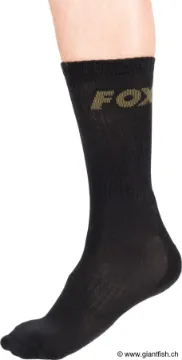

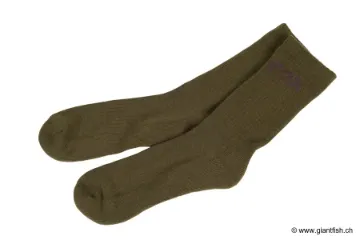
FOX Green Socks 3-Pack
Versatile Fox socks for fishing and outdoor use: everyday comfort, reliable support, and easy pairing with your gear.
12.60 (CHF) incl tax

FOX Thermolite Long Sock
Long socks made with Thermolite fiber by Fox, designed to keep feet warm and dry during fishing sessions and outdoor activities in cool weather.
11.75 (CHF) incl tax

FOX Thermolite Long Sock - Black / Orange
Long Fox Thermolite socks designed to keep your feet warm and dry during fishing sessions and outdoor activities in cold weather. Lasting comfort, reliable support and moisture management for long days by the water.
11.75 (CHF) incl tax
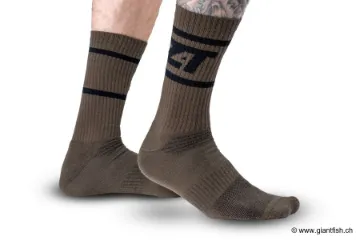
NASH ZT Lite Crew Socks
NASH ZT Lite Crew Socks technical fishing socks — stretch comfort, breathable mesh and arch support band for long sessions at the water's edge.
10.10 (CHF) incl tax
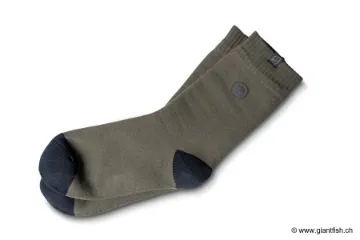
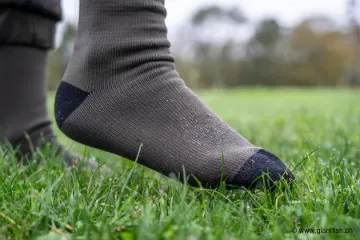
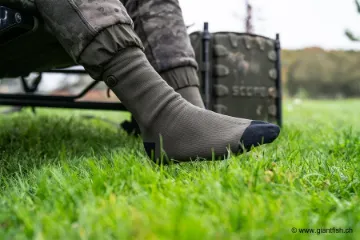
NASH ZT Waterproof Socks Element
Technical waterproof NASH ZT Waterproof Socks designed to keep your feet dry and comfortable during fishing sessions and other outdoor activities in all seasons.
30.35 (CHF) incl tax
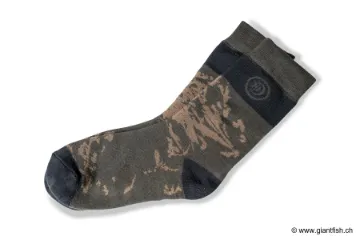
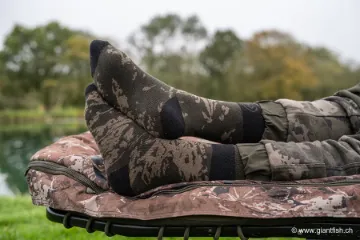
NASH ZT Socks Element
Mid-calf technical NASH ZT Socks Element, an intermediate layer in a soft fiber blend with controlled elasticity for long-lasting comfort in fishing and outdoor activities when worn with boots or walking shoes.
13.10 (CHF) incl tax
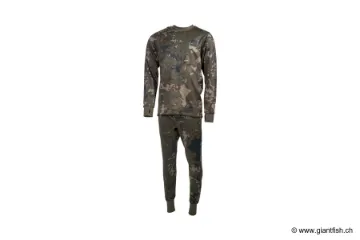
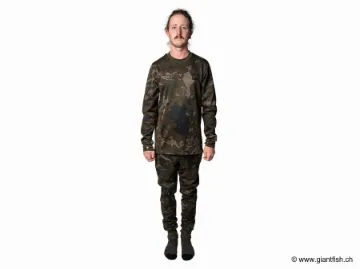
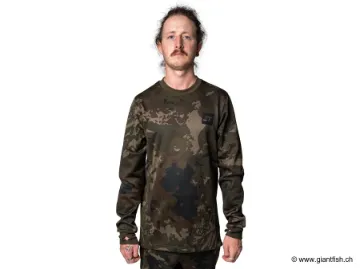
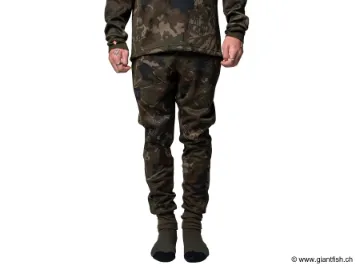
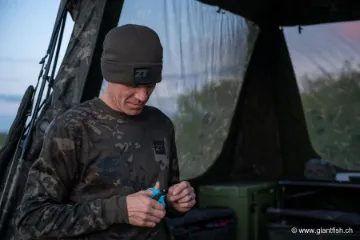
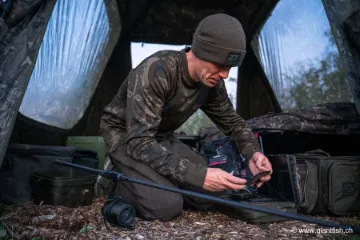
NASH ZT Base Layer Underwear Set
Nash ZT base layer set consisting of a long-sleeve top and technical bottoms, designed as thermal underwear for fishing and outdoor activities in cool to cold weather, offering comfort, freedom of movement and extra protection against cold, light wind, sun and mosquitoes when worn next to the skin or under other layers.
65.70 (CHF) incl tax
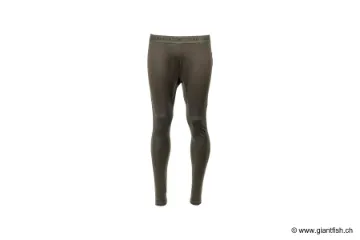
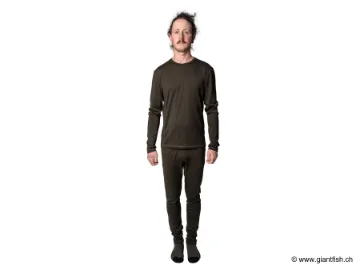
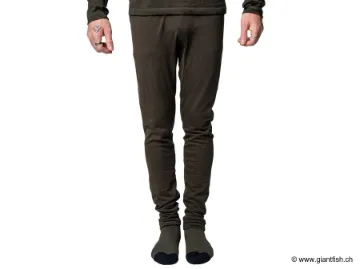
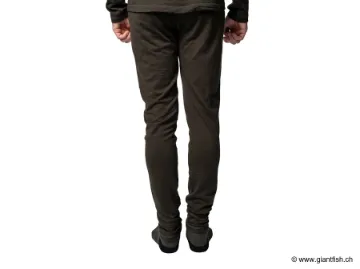
NASH ZT Merino Stage 1 Bottoms Base Layer
NASH ZT Merino Stage 1 Bottoms base layer in merino wool — a breathable, warm technical layer for fishing and outdoor activities; ideal as a next-to-skin first layer in all weather.
60.65 (CHF) incl tax
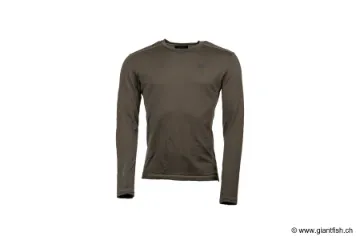
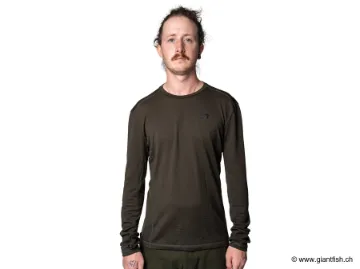

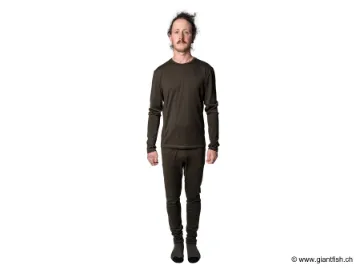
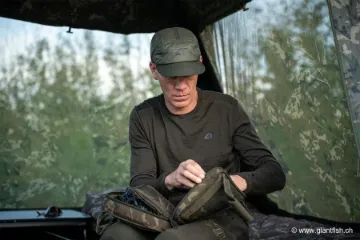
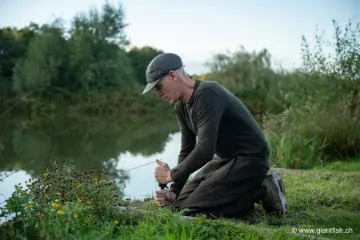
NASH ZT Merino Stage 1 Base Layer Top
Technical merino base layer for fishing and outdoor activities — lightweight, breathable, quick-drying, ideal as a high-performance first layer in all weather conditions.
70.75 (CHF) incl tax
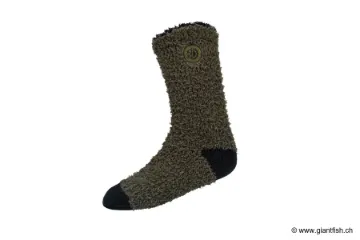
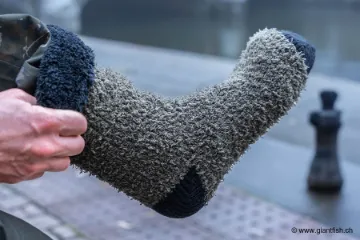
NASH ZT Polar Socks
NASH ZT Polar Socks for fishing and outdoor activities, providing warmth, comfort and reinforced heel-toe areas to confidently face the coldest conditions.
16.20 (CHF) incl tax
The right thermal base layers and socks make all the difference between a successful day on the water and heading home early. By keeping your body and feet warm, dry, and comfortable, you stay focused on casting, drifting, and reading the water.
Why thermal base layers & technical socks?
When you are fishing, cold comes as much from the air as from moisture and standing still. Thermal base layers create an insulating first layer while wicking away sweat, and technical socks protect your feet inside boots, hip boots, or waders. This combo reduces heat loss, even during long sessions in cold water or at daybreak on the bank.
- Effective insulation for the parts of the body most exposed to the cold.
- Moisture management to avoid the chill caused by perspiration.
- Long-lasting comfort for fishing predatory fish, trout, or carp in any season.
How to choose thermal base layers for fishing
The first layer is worn directly on the skin. It should fit close but remain comfortable, with no pressure points that interfere with casting or setting the hook. Synthetic fabrics or blends with merino wool offer a good balance of warmth, breathability, and quick drying.
- Close-to-body fit to optimize moisture wicking and insulation.
- Breathable materials to prevent overheating when walking or active wading.
- Season-appropriate thickness: lighter weights for mid-season, warmer for winter.
Combine your thermal base layers with a mid-layer (fleece, softshell) and a waterproof fishing jacket for an effective layering system you can adjust to the weather.
Choosing the right socks for fishing
Your feet are in direct contact with cold ground and water through boots or waders. Poorly suited socks lead to frozen feet, blisters, or poor circulation.
- Sufficient length to protect the calf under boots or waders.
- Technical materials (wool, synthetic fibers) for warmth and breathability.
- Targeted reinforcements at the heel and toe for added durability and comfort.
Avoid cotton, which holds moisture. In very cold conditions, wear a thin, breathable sock as a first layer with a thicker, insulating sock over it.
Use and care tips
To get the most out of your thermal base layers and socks, adapt your clothing to the day’s weather and your fishing style. Pack an extra pair of socks in your bag, especially for long or mobile sessions.
- Gentle wash at low temperature to preserve technical fibers.
- Air dry to avoid damaging elasticity and insulation.
- Rotate your sets so you always have a dry base layer ready.
FAQ - Thermal base layers & socks
Should thermal base layers be worn only in winter? They are recommended as soon as temperatures drop, in the morning or evening, or when fishing in cold water. In mid-season, choose lighter models.
Can I use the same socks in waders and regular boots? Yes, but adjust the thickness to the internal volume. In close-fitting waders, choose a moderate thickness to maintain good blood circulation.
Is one pair of socks enough in very cold weather? Depending on how sensitive you are to the cold, a two-layer combination can be more effective: a thin, breathable sock and an insulating sock over it.
How can I avoid bad odors after several days of fishing? Choose breathable technical materials, dry your base layers after each trip, and wash them regularly following the manufacturer’s recommendations.
Payment options


