Product Highlights
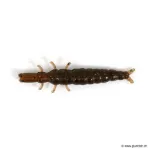
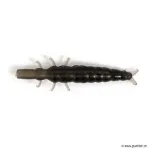
The Dappy Caddisfly from NIKKO is a lure designed to imitate one of the most consistent food sources for salmonids: the caddisfly larva, often called a rock worm. In many waterways, this prey is part of a trout’s daily menu, which makes a convincing imitation especially effective when fish become selective. The concept is simple: offer a natural profile that is easy for a holding trout to recognize, and discreet enough to be fished slowly, close to the bottom, where larvae drift and shelter.
This lure focuses on realism and versatile presentation. It is aimed at anglers looking for a refined approach to trout fishing in rivers, streams, and flowing water, favoring presentations that stay close to the natural prey. Without being overly aggressive, it allows you to work current seams, bounce along the bottom, or let it drift to imitate a larva dislodged from its cover.
- Rock worm imitation ideal for waters where trout feed on larvae
- Natural presentation effective on pressured fish and in clear water
- Compatible with light rigs for a presentation close to the bottom
- Slow retrieve, drift, micro-hops: a lure suited to difficult bites
Technical Specifications
- Category: soft lure for aquatic imitation
- Imitation: caddisfly larva (rock worm)
- Target species: trout (and, more broadly, river-dwelling salmonids)
- Environments: rivers, streams, riffles, banks, current seams, holding areas
- Fishing style: finesse, controlled drift, slow probing near the bottom
- Possible rigs: on a suitable hook, light rig, micro jig head, depending on your technique and local regulations
Product Benefits and Key Advantages
The strength of a caddisfly imitation lies in its credibility. Where some lures rely on reaction, the Dappy Caddisfly relies on recognition: the fish “identifies” a familiar shape. This is a major advantage when trout settle in and sort their food, especially during low activity, low water conditions, or on heavily pressured waters. By working the current properly, you can provoke short, delicate strikes typical of feeding behavior.
Another major advantage is the ability to fish slowly. A minimal animation (small twitches, pauses, light contact with the bottom) is often enough. The lure also lets you vary the rhythm: a natural drift in steady current, then a few micro-hops to simulate a larva that has moved from its position. This flexibility makes it a smart choice for building a tackle box focused on trout lure “imitation” rather than “reaction.”
Finally, this type of lure is valuable when you need to make the difference as trout feed on small prey and generic imitations become less convincing. By staying in the natural zone, you keep a presentation consistent with the real drift of aquatic insects, which increases the fish’s confidence.
How to Use
To get the most from the Dappy Caddisfly, use a light and precise approach. The goal is to maintain enough contact to feel the bottom and detect bites, without restricting the drift.
- In current: cast slightly upstream, follow the drift, then add short pauses to let the lure settle near the bottom.
- In riffles and along banks: target micro-holding spots (drop-offs, rocks, secondary seams) with short, steady animations.
- For wary fish: reduce the amplitude, increase the pauses, and focus on presentation stability.
- Strike detection: many bites are subtle; watch line tension and react to any unusual stop.
Tip: think “natural prey.” An animation that is too fast takes the lure out of rock worm territory. A simple, repeated, well-placed presentation is usually better.
FAQ
Question 1: When should I use a caddisfly larva imitation?
Answer: As soon as trout are feeding near the bottom and bites become timid. It is an excellent choice in clear water, on pressured fish, or whenever you observe insect-based feeding activity.
Question 2: Should I work it fast to provoke a strike?
Answer: No, this lure is most effective with a natural presentation: controlled drift, small twitches, and pauses. The goal is to imitate a larva being carried or displaced, not a fleeing baitfish.
Question 3: Is it only for trout?
Answer: Trout are the main target, but any opportunistic river species that may feed on larvae can show interest depending on the water and fishing pressure.