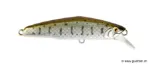
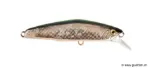
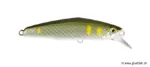
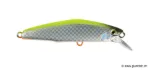
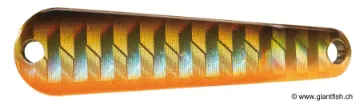
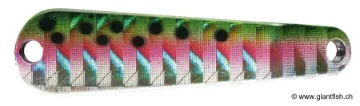
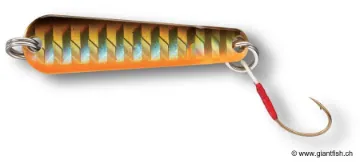
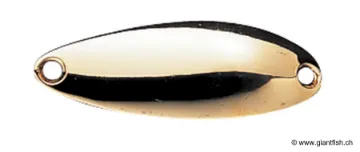
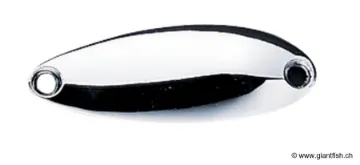
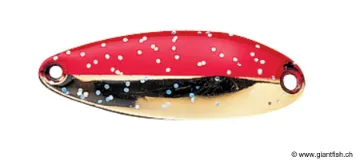
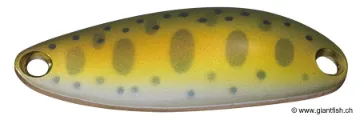
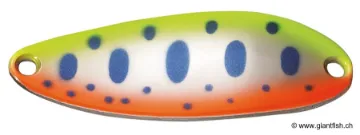
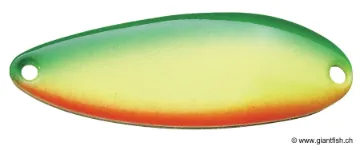
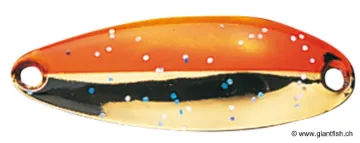
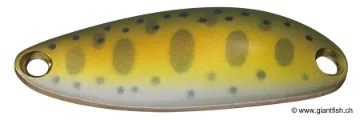
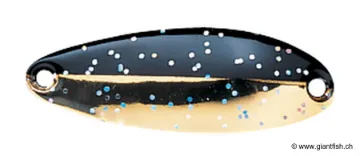
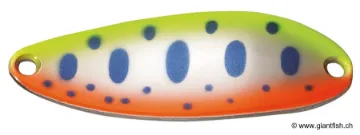
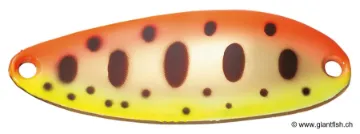
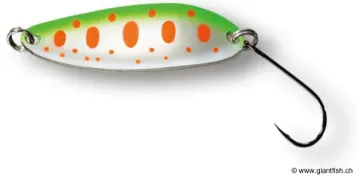
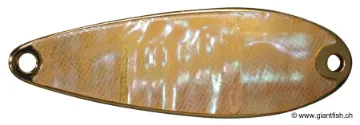
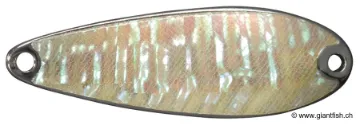
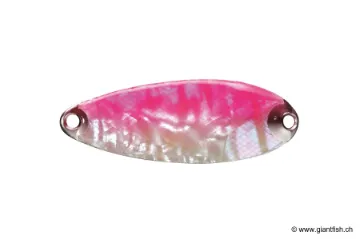
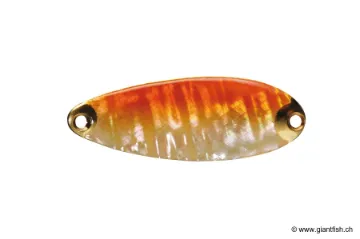
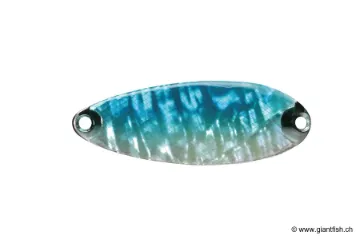
Product benefits
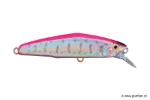
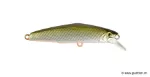
The SMITH D-COAX sinking lure is designed for demanding anglers who want to effectively fish deep areas while maintaining precise line control. Thanks to its internal mass transfer system, this compact hardbait delivers long, accurate casts, even in windy conditions or when using subtle rigs. Its calibrated density allows it to reach the desired depth quickly and remain fully effective throughout the presentation.
This model stands out for its stable descent and its ability to remain detectable to predators, even in slightly stained water. The internal moving weight shifts during action and changes of direction, generating subtle vibrations and a discreet rattle that help fish locate the prey without over-stimulating them. The result: a technical yet accessible lure, suitable for both experienced anglers and intermediate users looking to upgrade their kit.
Technical specifications
- Compact, dense construction for excellent penetration through air and water.
- Optimized mass transfer to increase casting distance and the accuracy of searches.
- Sinking lure allowing you to fish deeper than a standard floating hardbait.
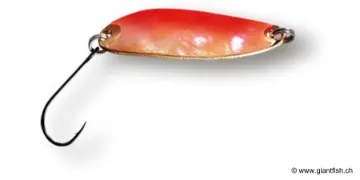
- Wide, relatively flat belly promoting an attractive wobble on the fall during pauses.
- Tight, responsive action to the slightest twitches, ideal for following current seams.
- Effective for freshwater predators such as trout, perch, chub and other opportunistic species.
- Designed to fit easily into a lure box for river, stream or lake fishing.
Advantages and strengths
By choosing the SMITH D-COAX, the angler benefits from a lure capable of quickly covering a fishing area while remaining highly readable on the line. Its fast sink rate allows it to get below the surface and reach fish holding deeper, where other hardbaits remain too high. During pauses, the natural wobble of the body frequently triggers strikes from following fish, making it an excellent ally to provoke bites from wary or inactive fish.
This lure is also praised for its versatility in action. It supports both a slow, steady retrieve and more aggressive animations punctuated by sharp twitches and short pauses. Variations in line tension set the internal weight in motion, slightly altering the trajectory and reinforcing the disoriented-prey effect. This versatility makes it easy to adapt the presentation to fish behavior and current conditions without constantly changing lures.
Usage tips
To fully exploit the potential of the SMITH D-COAX sinking lure, pay attention to the cast and fall phase. After casting, keeping the bail open and the line slightly controlled allows the lure to sink quickly toward the bottom while maintaining a natural attitude. Once the desired depth is reached, close the bail and start a retrieve while keeping contact with the lure to feel the slightest bite.
In rivers, don’t hesitate to use the current: cast three-quarters upstream or three-quarters downstream, let the lure sink under control, then animate it with small rod-tip twitches followed by short pauses. In lakes or stillwaters, a sawtooth retrieve alternating solid pulls and controlled releases allows you to sweep different layers of water realistically. Use a line matched to the rod’s power and a discreet leader to fully benefit from the sensitivity of the setup.
FAQ
Question 1: In which situations is the SMITH D-COAX sinking lure most effective?
Answer: The SMITH D-COAX performs best when fish are holding below the surface or near the bottom, particularly in marked currents, holes, deep edges or areas where fish follow but do not strike floating lures. Its mass transfer ensures long casts to reach difficult spots, while its fast sink rate and wobble on the pause allow it to present a credible prey across different water layers, both in rivers and lakes.