




















Cookies help us deliver our services. By using our services, you agree to our use of cookies.
Jig Heads
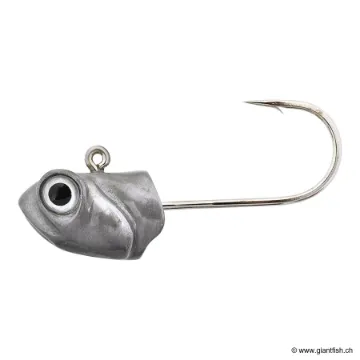
XORUS Rolling Matt Jig Head
The XORUS Rolling Matt jig head offers a natural movement, optimizing predator strikes. Equipped with an ultra-sharp Decoy hook for a better catch.
1.95 (CHF) incl tax
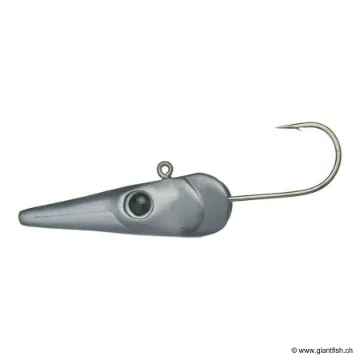
XORUS Coyotte II Matt Jig Head
The XORUS Coyotte II jig head - 80 g, perfect for elongated lures and sea fishing.
2.25 (CHF) incl tax
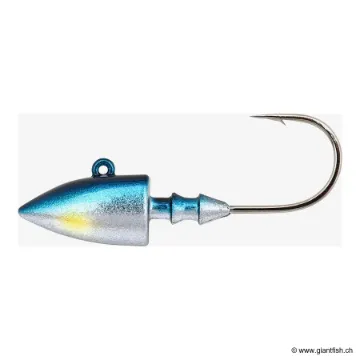
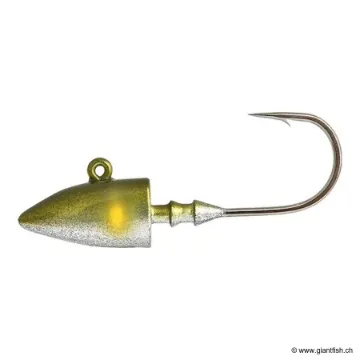
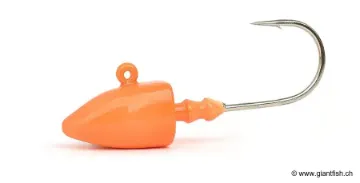
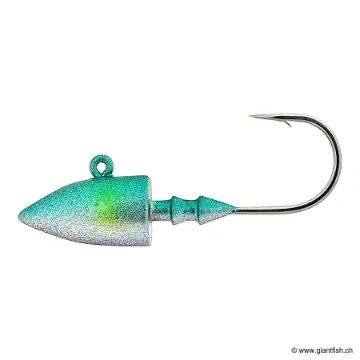
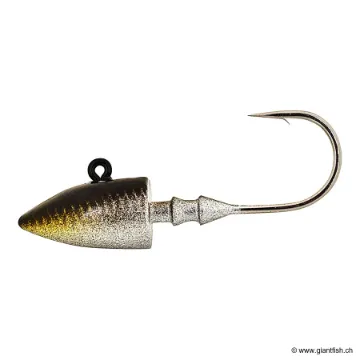
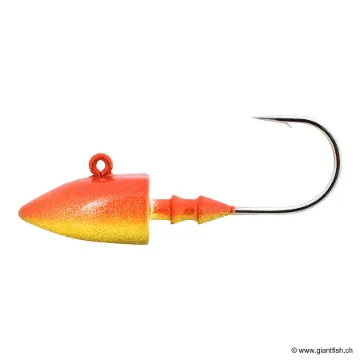
MADNESS Bakuree Head Jig Head - 3 Pieces
Versatile MADNESS Bakuree Head jig head for rigging medium-sized soft baits, ideal for straight retrieves or midwater presentations, providing excellent lure retention and reliable hookups on predatory fish.
13.55 (CHF) incl tax
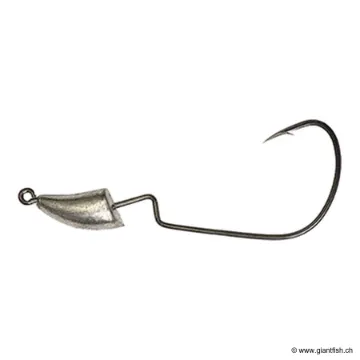
Decoy VJ-36 Jig Head
DECOY VJ-36 H jig head, perfect for soft-bait fishing. • Optimized shape for smoothly passing obstacles. • Ultra-sharp hook with curved point to minimize snags. • Excellent lure grip for natural presentation.
5.60 (CHF) incl tax
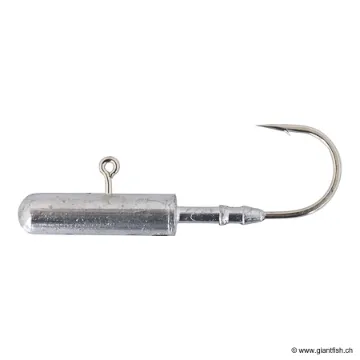
Decoy SV-67 USP Ultimate Spec Jig Head
Versatile jig head ideal for shads, slugs, and finesse lures. Strong and sharp hook. Streamlined weighting for perfect balance and optimal water penetration.
9.20 (CHF) incl tax
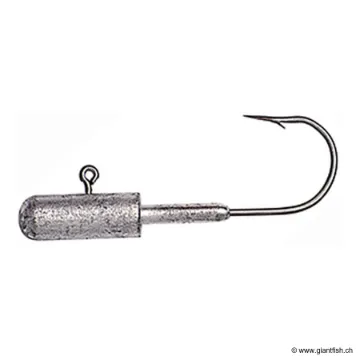
DECOY SV-67 Jig Head
Finesse jig head for sea bass fishing, ultra sharp and durable hook, ideal for slim shads, slugs or finesse lures. Elongated shape for perfect balance and lifelike action.
8.15 (CHF) incl tax
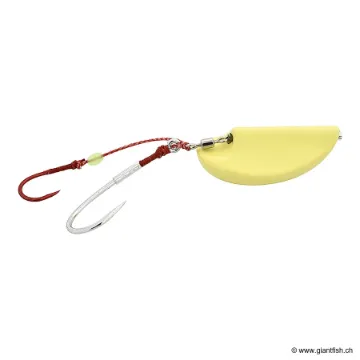
DECOY OS2G Sliding Tenya Jig Head
DECOY OS2G sliding Tenya perfect for vertical and diagonal fishing. Double hook design to secure bait (shrimp, squid...). Drop-shaped design minimizes snags. Sliding sinker aids bait uptake during subtle bites.
9.20 (CHF) incl tax
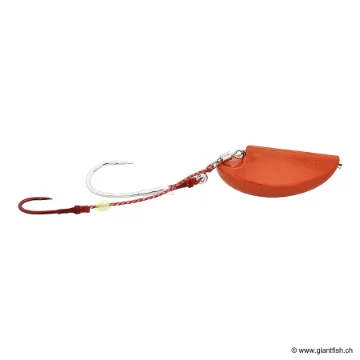
DECOY OS2E Tenya Jig Head
DECOY OS 2E Sliding Tenya Red, ideal for vertical and diagonal fishing. Thanks to its drop-shaped design, it reduces snagging on the seabed. Its sliding weight system improves the detection of subtle bites and enhances bait uptake. Perfectly suited for use with shrimp or calamari strips, this tenya is a significant advantage for anglers targeting sea fishing and predatory species.
9.20 (CHF) incl tax
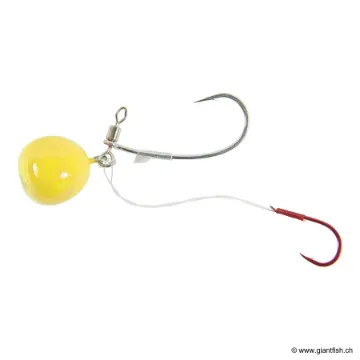
DECOY OS-1G Zero-Dan Tenya Ebi Ora Jig Head
DECOY Zero-Dan Ebi-Ora Glow Tenya rig for vertical and diagonal boat fishing. Articulated design minimizes snagging, quick descent and ultra-sharp hook tailored for sparidae fishing.
8.15 (CHF) incl tax
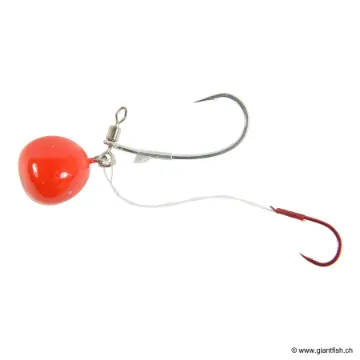
Decoy OS-1E Zero Dan Tenya Ebi Ora Jig Head
Decoy Zero-Dan Ebi-Ora Tenya Rig: fast sinking, snag-resistant, ideal for sparidae fishing.
8.15 (CHF) incl tax