


















Search
[CHF] Swiss Franc
English
All Categories
Menu Close

Sea Lures

View as Grid List
Sort by
Display per page

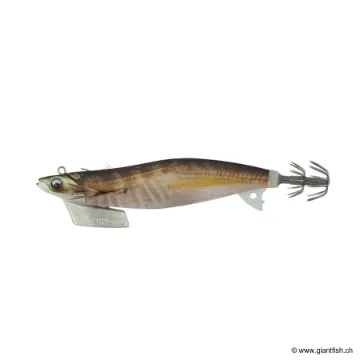
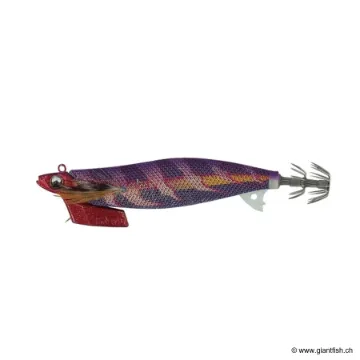
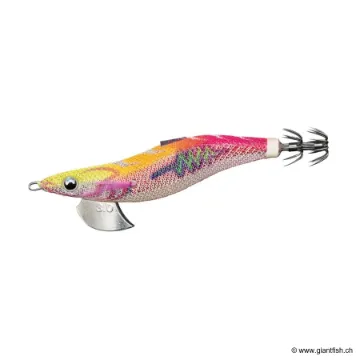
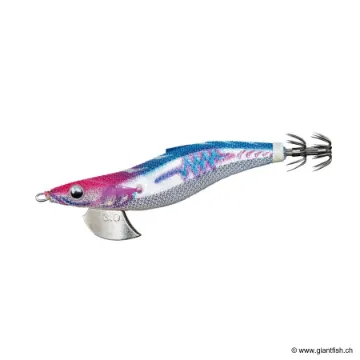
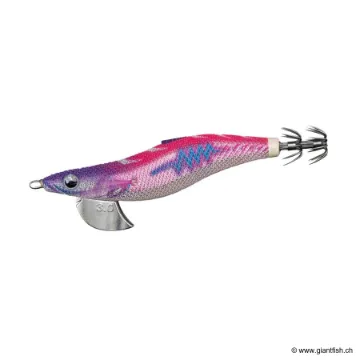
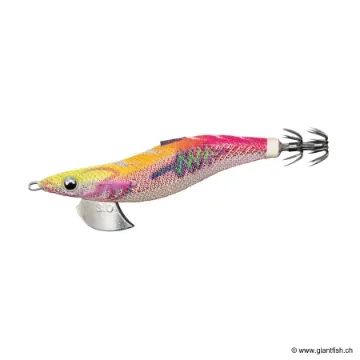
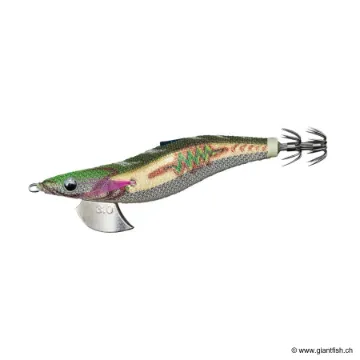
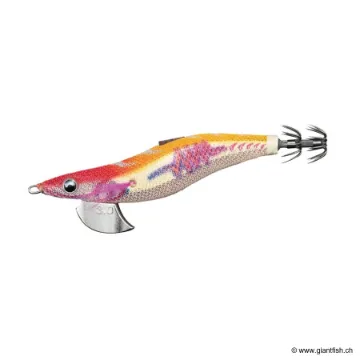
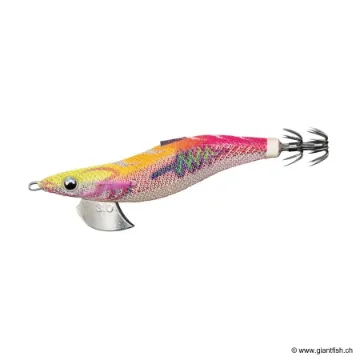
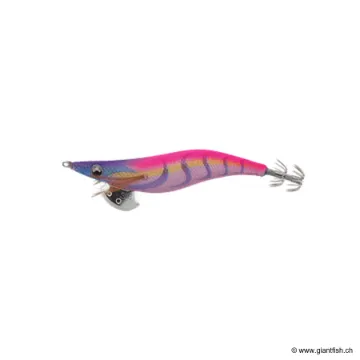
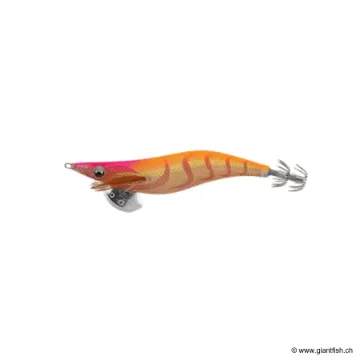
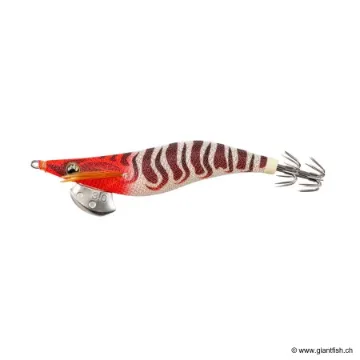
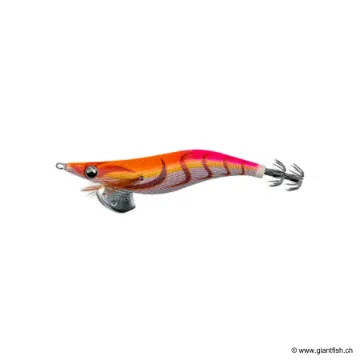
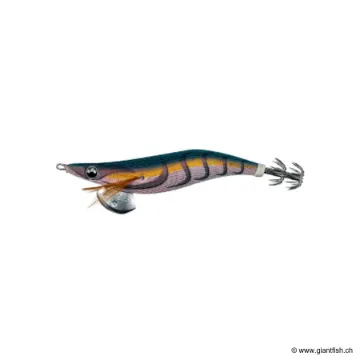
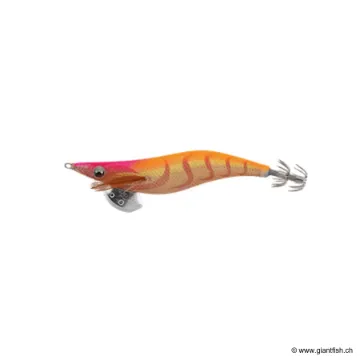
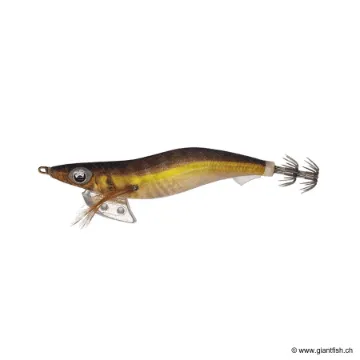
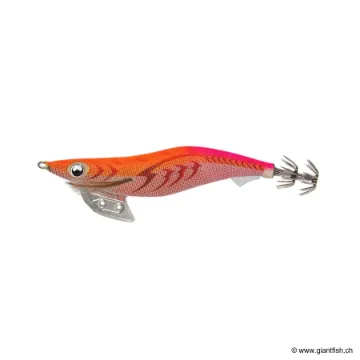
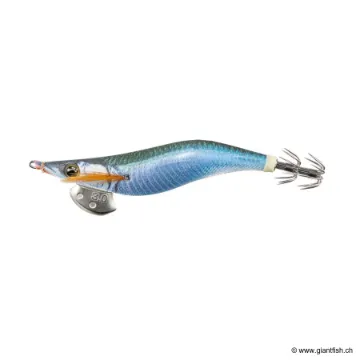
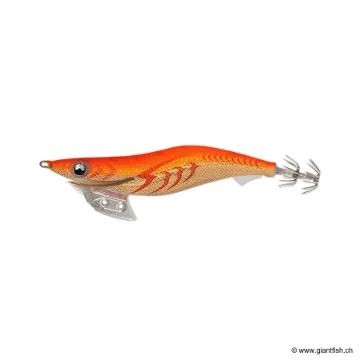
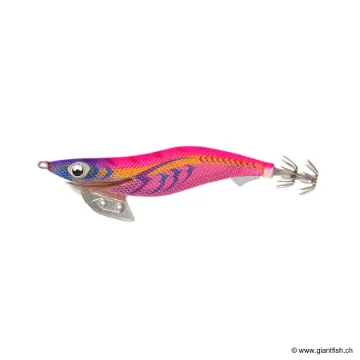
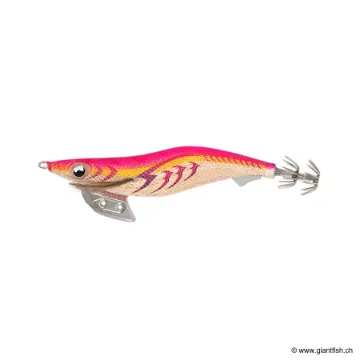
Turlutte YAMASHITA EGI OH LIVE 2.0 - 6 cm - 6.5 g

YAMASHITA EGI OH LIVE 2.0 Glow Body 042 LNW fishing Sea
14.86 (CHF) incl tax

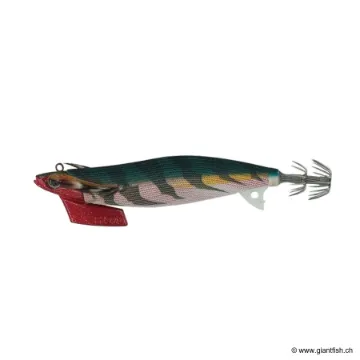
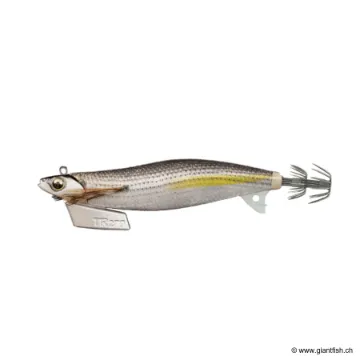
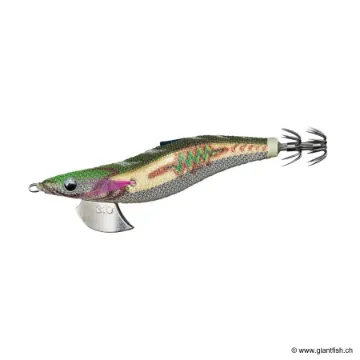
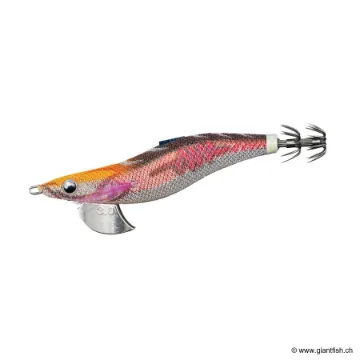
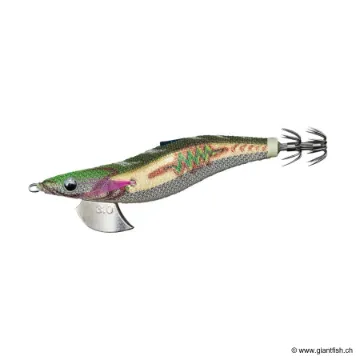
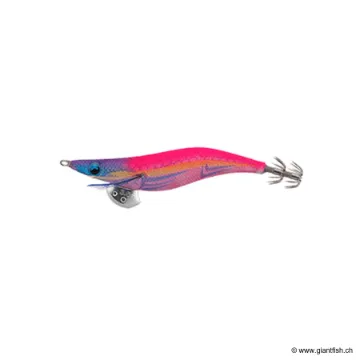
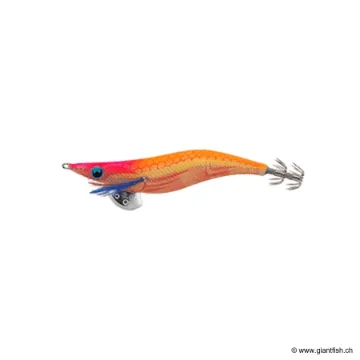
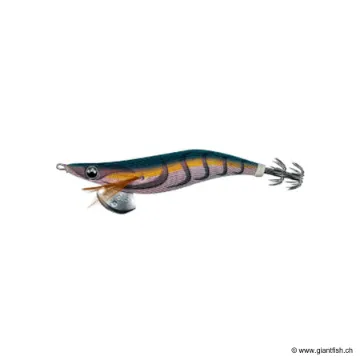
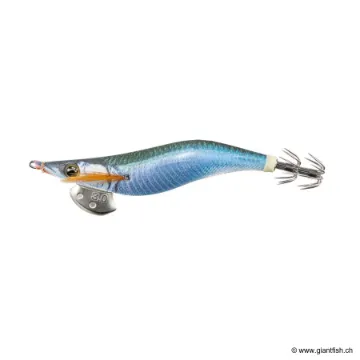
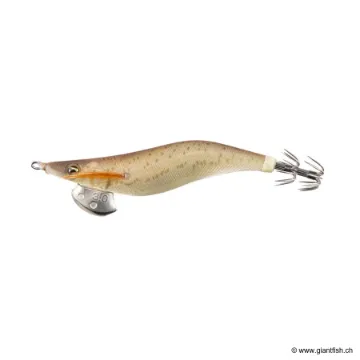
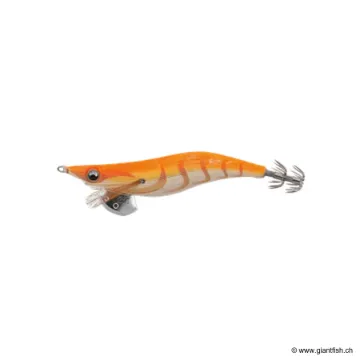
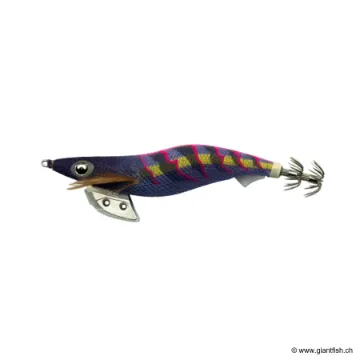
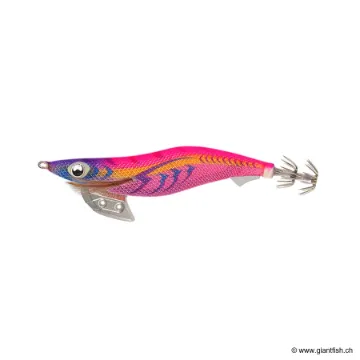
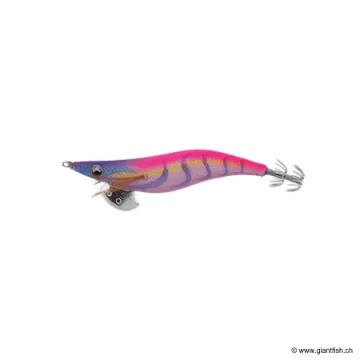
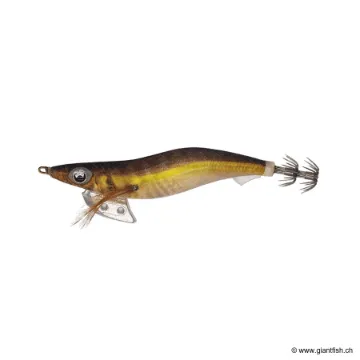
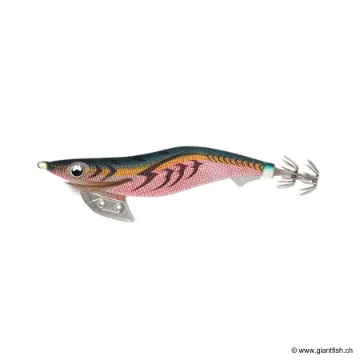
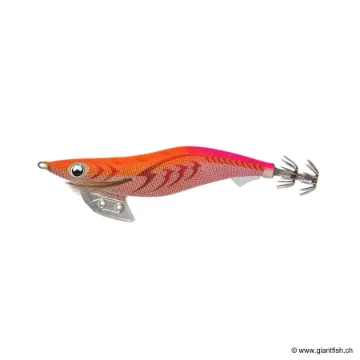
YAMASHITA EGI OH K 3.5 - 10.5 cm - 22 g

YAMASHITA EGI OH K 3.5 ONO Gold Body for difficult conditions
16.36 (CHF) incl tax

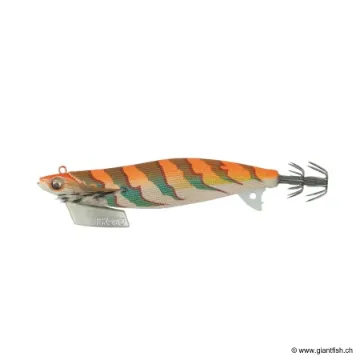
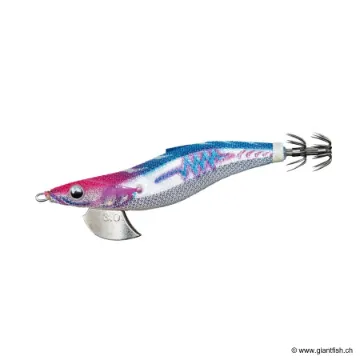
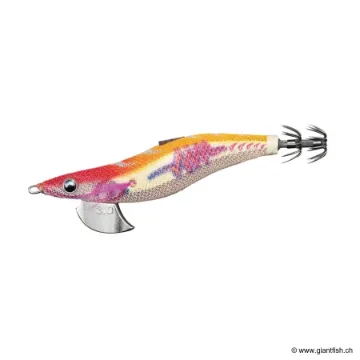
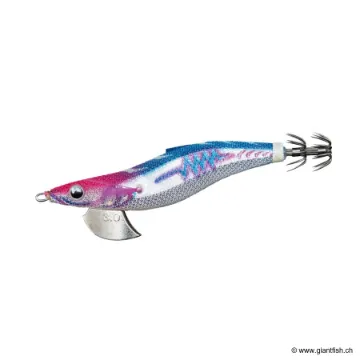
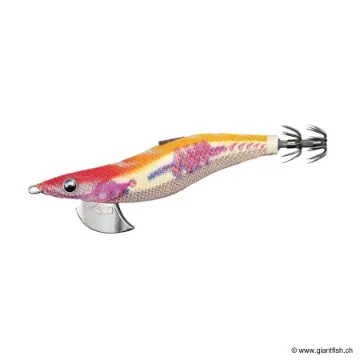
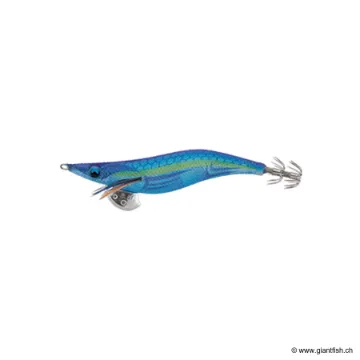
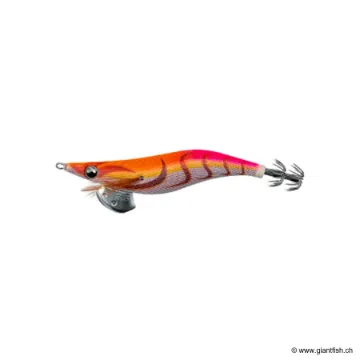
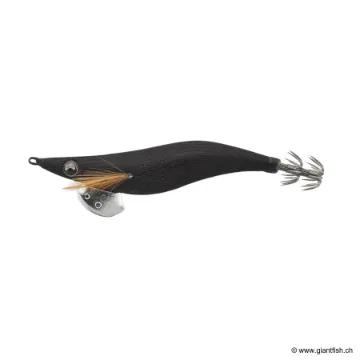
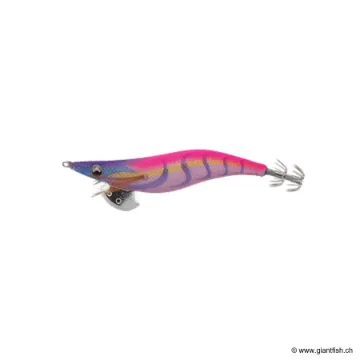
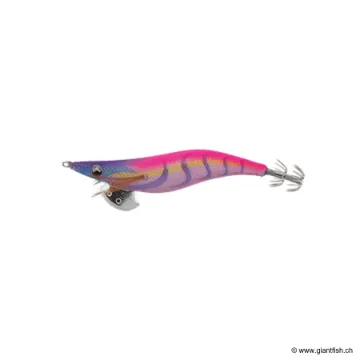
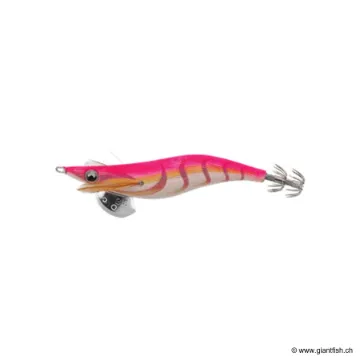
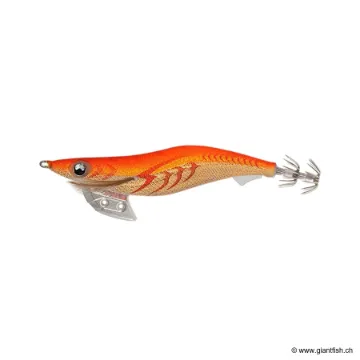
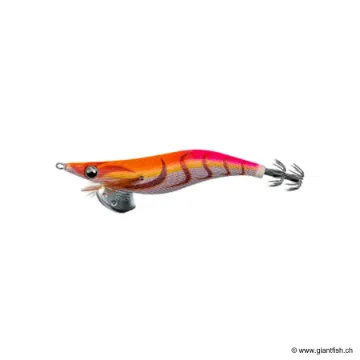
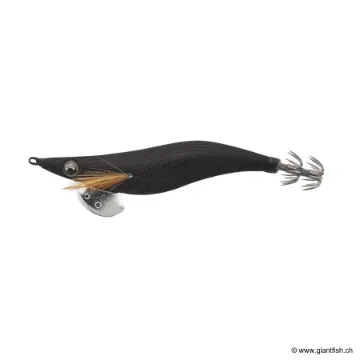
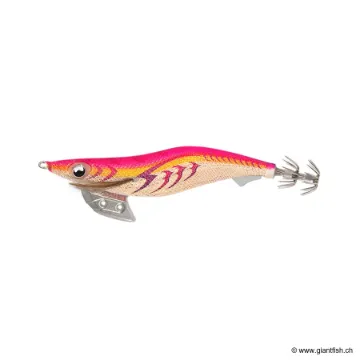
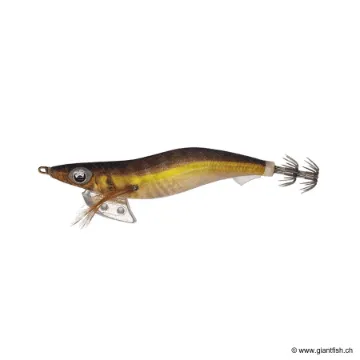
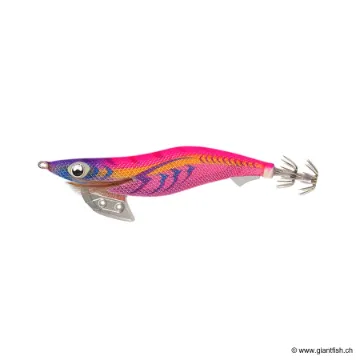
Turlutte YAMASHITA EGI OH LIVE 3.0 - 9 cm - 15 g

Turlutte Yamashita EGI OH LIVE 3.0 070 LP Neonbright sea fishing
15.43 (CHF) incl tax

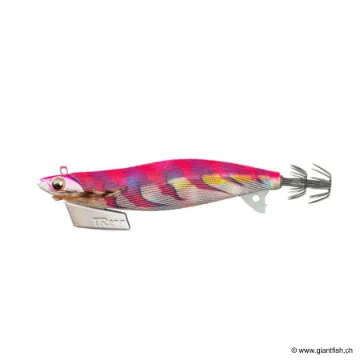
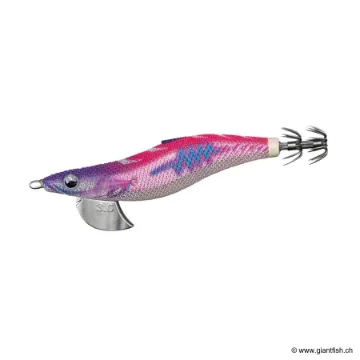
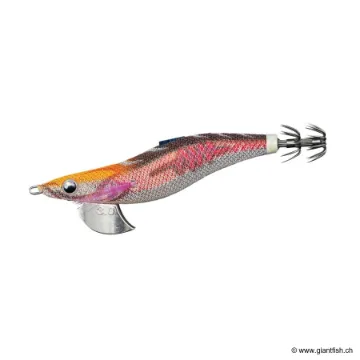
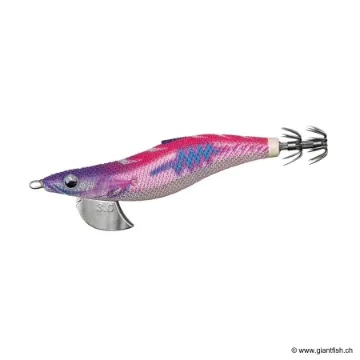
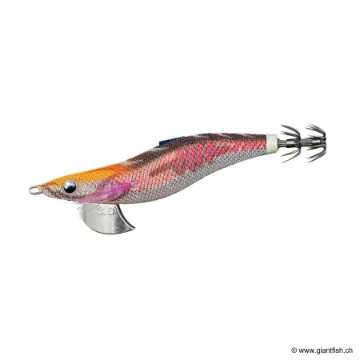
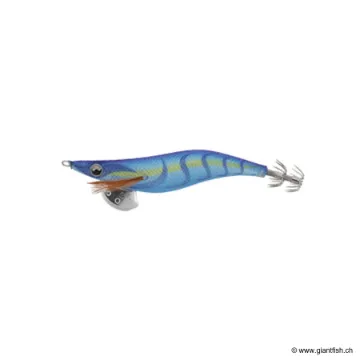
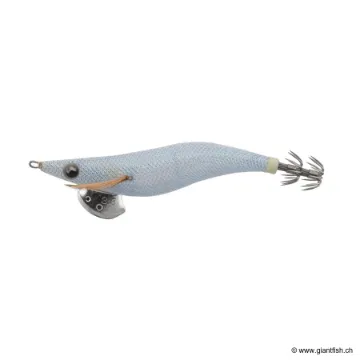
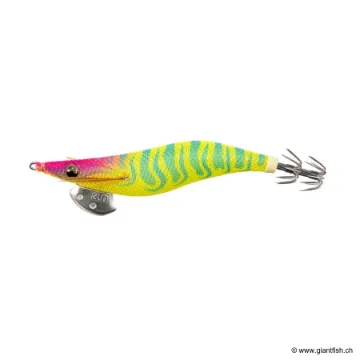
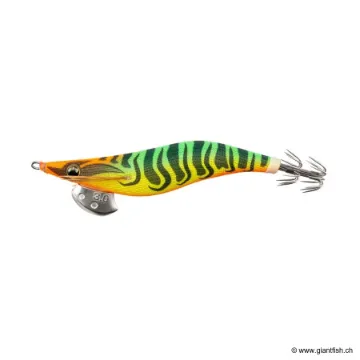
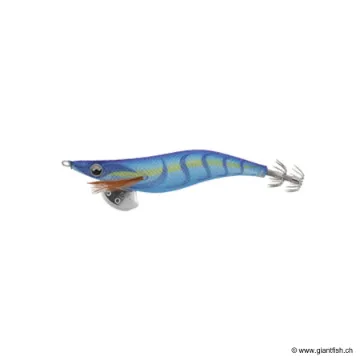
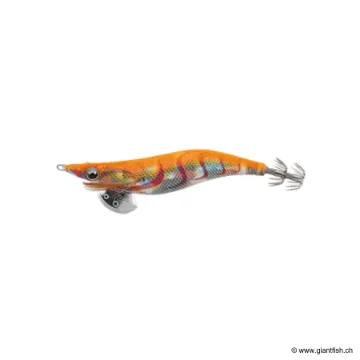
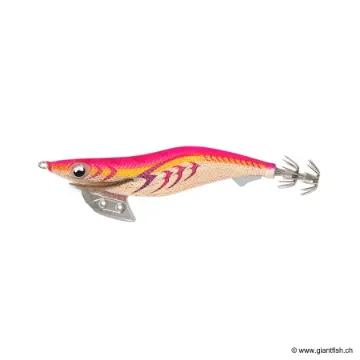
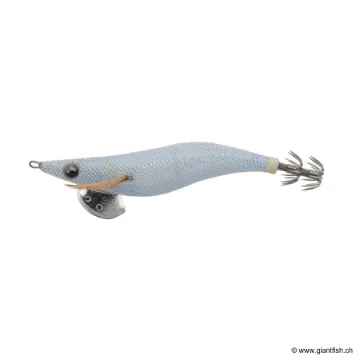
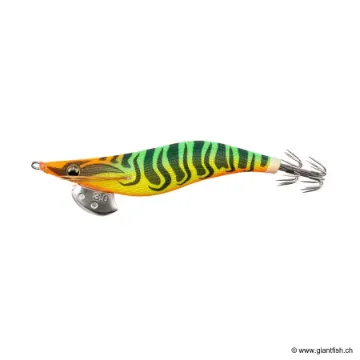
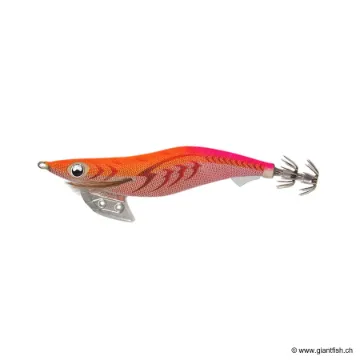
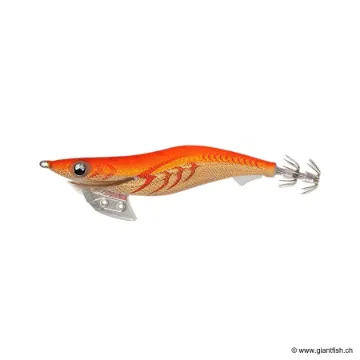
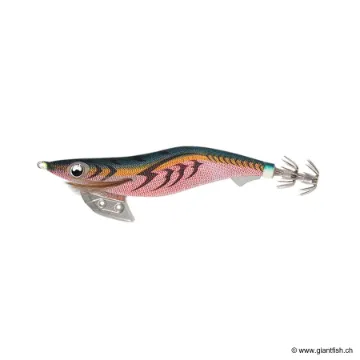
Turlutte YAMASHITA EGI OH K 3.0 - 9 cm - 16 g

EGI OH K 3.0 082 ONO Gold Body YAMASHITA
15.43 (CHF) incl tax

Turlutte YAMASHITA EGI OH K 2.5 - 7.5 cm - 11 g

EGI OH K 2.5 ONO Gold Body by Yamashita for challenging sea fishing
15.80 (CHF) incl tax

Turlutte YAMASHITA EGI OH FUN 3.5 - 10.5 cm - 20 g

Turlutte EGI OH F 3.5 Glow YAMASHITA for cephalopod fishing
12.06 (CHF) incl tax

Turlutte YAMASHITA EGI OH FUN 3.0 - 9 cm - 15 g

Yamashita EGI OH F 3.0 F022 NIB Glow Body squid cuttlefish fishing
11.69 (CHF) incl tax

Turlutte YAMASHITA EGI OH FUN 2.5 - 7.5 cm - 10 g

Turlutte YAMASHITA EGI OH F 2.5 glow body fishing sea
10.75 (CHF) incl tax

Turlutte YAMASHITA EGI OH FUN 2.0 - 8 cm - 6.5 g

YAMASHITA EGI OH F 2.0 glow squid cuttlefish fishing
10.75 (CHF) incl tax

Turlutte YAMASHITA Armer 12.4 cm - 94 g

Jig YAMASHITA ARMER 94g - 009 PT fishing squid cuttlefish at sea
17.29 (CHF) incl tax

Turlutte YAMASHITA Armer 11.6 cm - 75 g

Jig ARMER 75g 009 PT YAMASHITA fishing squids cuttlefish sea
16.73 (CHF) incl tax

Turlutte YAMASHITA Armer 10.8 cm - 56 g

YAMASHITA ARMER 56g 009 PT - Special jig for sea cephalopods
15.80 (CHF) incl tax

Saltwater lures: how to choose for your target species

Saltwater lures let you cover every situation, from inshore to offshore fishing. To be effective, you need to match the shape, size and color of your lures to the species you’re targeting and the type of ground you’re fishing over.

  • Sea bass (bar, loup, loup de mer): shallow-diving hard baits, stickbaits and shad-style soft lures rigged Texas-style or on jig heads.
  • Mackerel, garfish, small pelagics: compact casting jigs, heavy spoons and micro-jigs worked back quickly.
  • Pollock, cod and bottom fish: heavier jigs, slow jigging and large soft lures fished slowly close to the bottom.
  • Surface-feeding predators: poppers, sticks and pencils to trigger explosive surface strikes.

As a rule, use small to medium-sized saltwater lures when fish are wary or feeding on small bait, and size up when predators are actively hunting.

The main types of saltwater lures

Each family of saltwater lures has a specific role. Having several profiles in your tackle box lets you adapt quickly to changing conditions.

  • Hard baits (plugs): floating, suspending or sinking, they cover different water layers. Ideal for steady prospecting, from shore or by boat.
  • Soft lures: shads, finesse baits, slugs or creature baits rigged on jig heads or Texas hooks. They excel for slow presentations, bottom-hopping or lift-and-drop retrieves.
  • Casting jigs and metal spoons: compact, dense and very versatile. Long-distance casts, fast retrieves, diagonal or vertical presentations.
  • Topwater lures: poppers, stickbaits and pencils to trigger strikes when fish are feeding high in the water column, especially in spring and summer.
  • Jigs and slow jigs: perfect for probing deep water vertically, on the drift or straight under the boat, particularly in fall and winter.

Matching retrieves and colors to the conditions

Success with saltwater lures heavily depends on your retrieve and color choice. The same lure can be deadly or ineffective depending on how you work it.

  • Clear water and bright skies: favor natural tones (sardine, sandeel, green or blue backs) and fairly fast but steady retrieves.
  • Stained water or overcast weather: go for brighter colors (chartreuse, white, pink back) or high-contrast finishes, combined with strong vibrations.
  • Inactive fish: slow down, add long pauses, alternate short pulls and slack line, especially with soft lures and jigs.
  • Active fish: fast retrieves, twitching, jerking and aggressive animations to trigger reaction bites.

At the beginning and end of the season, focus more on midwater to deeper layers, while warmer periods favor topwater or shallow-running lures.

Care and maintenance to extend lure life in saltwater

Salt water is demanding on your gear. Regular maintenance of your saltwater lures preserves their performance and extends their lifespan.

  • Rinse your lures thoroughly in fresh water after every trip.
  • Check the hooks: sharpen or replace them if they are dull or rusty.
  • Inspect split rings and snaps, which are critical parts when you hook a big fish.
  • Store your lures by family in vented tackle boxes to limit corrosion.
  • Avoid mixing certain soft plastic materials that can react with each other and deform.

A quick check before each session limits bad surprises and lets you focus fully on the fishing.

Saltwater lures FAQ

What type of saltwater lure is best for beginners?
To start, a small selection of hard baits, soft lures on jig heads and a few casting jigs will already cover most situations from shore or by boat.

What size saltwater lure should I use?
Match the size to the average local baitfish: 3 to 5 in (8 to 12 cm) for sea bass and mackerel, larger sizes to target powerful fish or when big baitfish are present.

Do I need to change lure colors often?
Keep a few key colors (natural, white, chartreuse) and switch when fish follow without striking, or when light and water clarity conditions change.

Are stock treble hooks good enough?
On many saltwater lures, factory hooks are suitable. However, when strong fish are around or if you fish often, upgrading to reinforced models can provide extra security.