

















Search
[CHF] Swiss Franc
English
All Categories
Menu Close

Lines Braids Leaders

View as Grid List
Sort by
Display per page

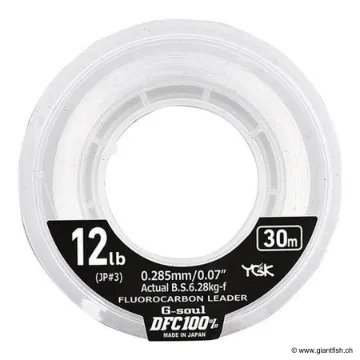
Fluorocarbon YGK G SOUL DFC

YGK DFC 100% Fluorocarbon Leader - High strength and discretion
6.90 (CHF) incl tax
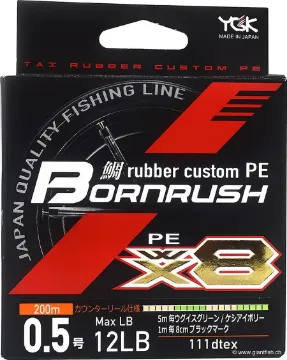
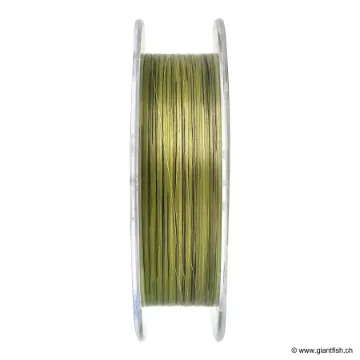
Braided Line YGK BornRush WX8 RC - 8 Strands 200m

YGK BornRush WX8 RC - High-strength 8-strand braided line 200m
55.05 (CHF) incl tax
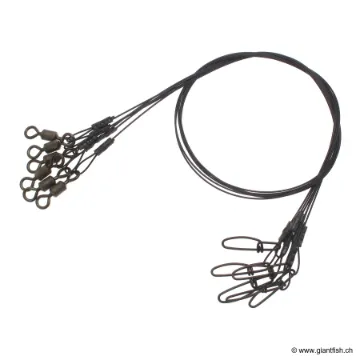
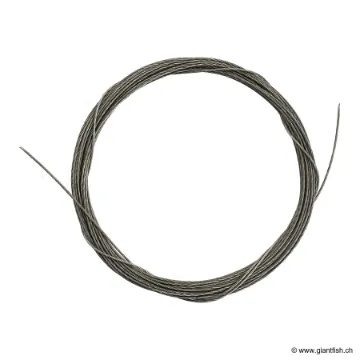
Steel Leader HALCO Supa Snap Traces

HALCO Supa Snap Traces 80LB in braided steel, nylon coating, resistant to pike and barracuda teeth.
25.55 (CHF) incl tax

Tresse Acier DECOY Wl-70 N Coated Wire

Bas de ligne en acier tressé avec gaine plastique, idéal pour réaliser des montages solides et résistants. Se ferme avec des sleeves.
5.55 (CHF) incl tax
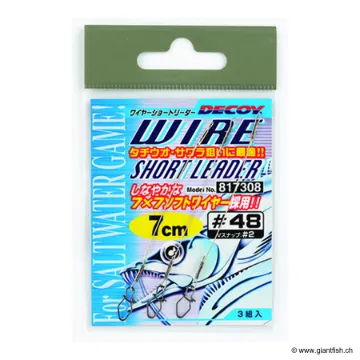
DECOY Wire Short Leader

DECOY Wire leader with V Snap clip, ideal for protection against pike bites.
8.55 (CHF) incl tax

Saltwater Lines, Braids & Leaders are key elements for the strength of your rigs and the stealth of your presentations. Whether you fish from shore or by boat, the choice of main line, braid and leader will determine casting distance, bite detection and abrasion resistance.

How to choose your saltwater lines, braids and leaders

At sea, conditions are demanding: salt, current, rocks and sharp fish teeth. It is essential to match strength and material type to your technique and target species. Your Lines, Braids & Leaders need to offer the right balance between strength, suppleness and discretion.

  • Breaking strength (kg or lb): adjust according to the average size of the fish you target and the type of bottom.
  • Diameter: the thinner it is, the longer the casts, but abrasion resistance decreases.
  • Color: high-visibility braids to follow the line, discreet leaders to avoid spooking fish.

Types of lines and braids for saltwater fishing

Each material has its advantages. Combining main line, braid and leader correctly lets you get the most out of your fishing all year round, from light summer fishing to harder fights in fall and winter.

  • Multi-strand braid: ideal as a main line to gain casting distance and sensitivity. Very low stretch for accurate hooksets.
  • Nylon: more stretch, forgiving during the fight. Used as a main line or leader for certain techniques.
  • Fluorocarbon: very discreet underwater, perfect for saltwater leaders when fish are wary or the water is clear.

Saltwater leaders: rigs and techniques

Saltwater leaders must be matched to your rigs: surfcasting, lure fishing, jigging or bait fishing from boat or shore. Length, diameter and material type are chosen according to conditions (wind, swell, water clarity) and the season.

  • Surfcasting: long, discreet leaders for bottom-feeding fish, with good abrasion resistance over mixed ground.
  • Lure fishing: fluorocarbon leaders to keep your lure moving freely while remaining discreet.
  • Jigging / vertical: shorter but very strong leaders to handle powerful runs close to the bottom.
  • Multi-hook rigs: strong lines and braids to reduce the risk of break-offs when you get multiple bites at once.

Care and lifespan of lines and braids

To extend the lifespan of your Lines, Braids & Leaders, regular maintenance is essential. Salt and sand speed up wear and can weaken even the best materials.

  • Rinse with fresh water after each saltwater trip to remove salt.
  • Check the first few yards of line or braid and the leader to spot knots, flattening or abrasion.
  • Replace leaders regularly, especially after a heavy fight or a bad snag.
  • Store away from heat and direct sunlight to avoid premature aging.

FAQ - Saltwater Lines, Braids & Leaders

What braid diameter should I use for saltwater? For light shore fishing, a fine braid is enough. For surfcasting or boat fishing for bigger fish, choose a larger, more abrasion-resistant diameter.

What leader length should I use in saltwater? On average, 3 to 6 feet works well. In very clear water or on wary fish, a longer leader often improves results, especially in fluorocarbon.

When should I replace my line or braid? As soon as you see whitened areas, frayed sections or suspicious knots. Changing in advance helps avoid break-offs when casting or fighting a good fish.