























Search
[CHF] Swiss Franc
English
All Categories
Menu Close

Line Rigging

View as Grid List
Sort by
Display per page

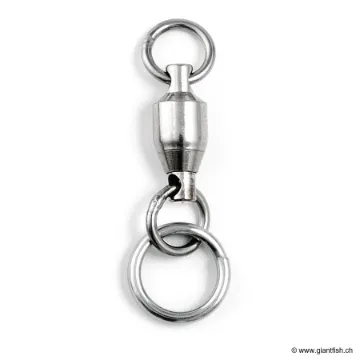
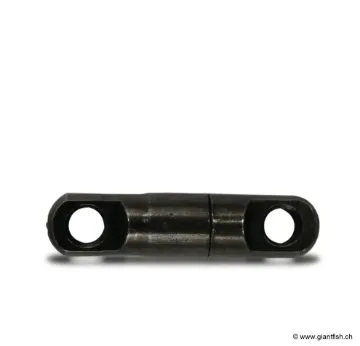
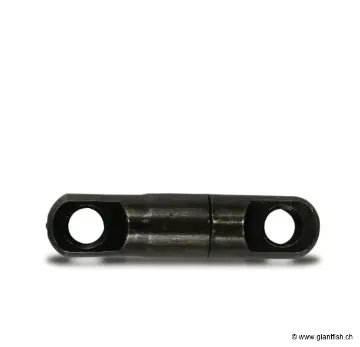
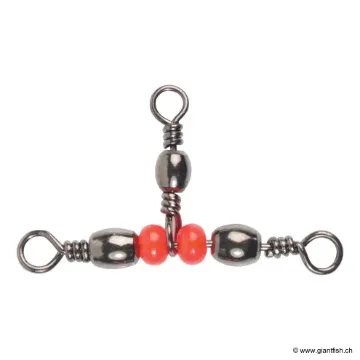
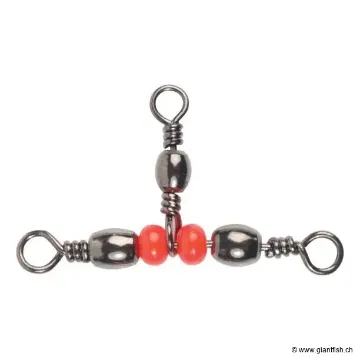
3549 Swivel Pater Noster SURF

Swivel Pater Noster Surf
2.60 (CHF) incl tax

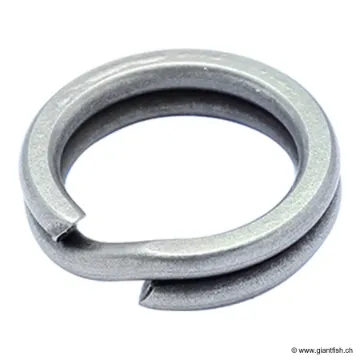
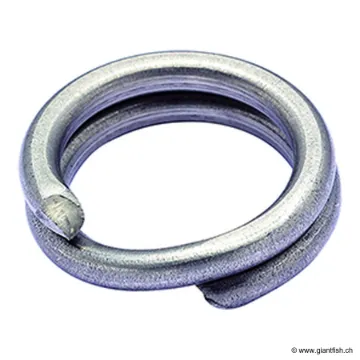
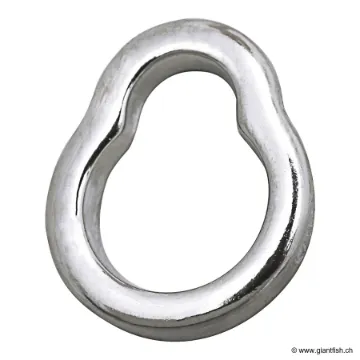
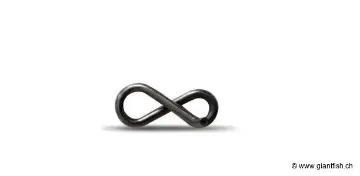
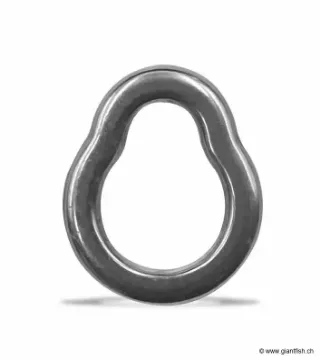
3561 Stainless X Strong Split RING

Anneaux Brisés en Acier Inoxydable Ultra-Résistants
2.25 (CHF) incl tax

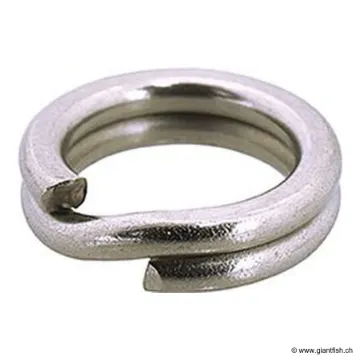
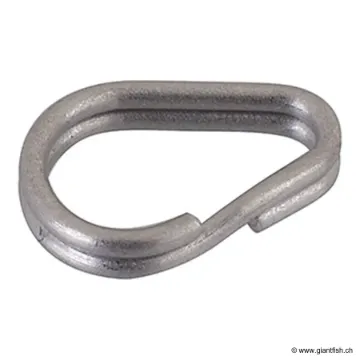
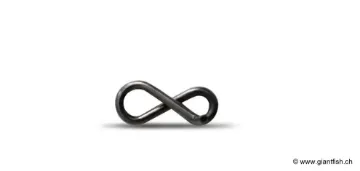
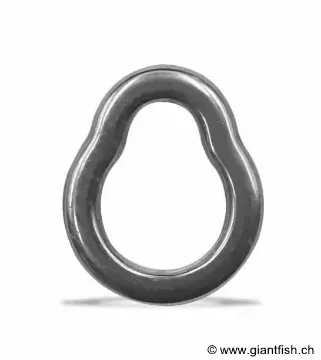
3560 Stainless Split RING

Bague de Séparation Inox 3560
1.70 (CHF) incl tax

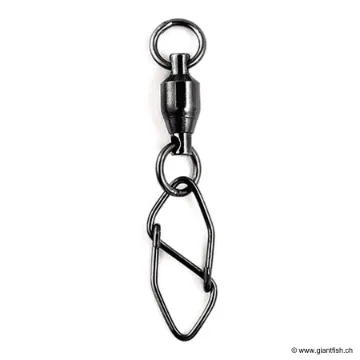
3261 Stainless Rolling Swivel With SNAP

Rolling Swivel with Snap en Acier Inoxydable
12.40 (CHF) incl tax

3254 Crosslock 360°

CROSSLOCK 360°
3.40 (CHF) incl tax

3253 Stainless Crosslock SNAP

Crosslock Snap Inox
3.40 (CHF) incl tax

Understanding saltwater rig setups

A well-built saltwater fishing rig is the foundation of effective and enjoyable sea fishing. Whether you fish from shore, by boat, surfcasting or vertically, the way you assemble your components (mainline, leaders, sinkers, accessories) determines how your bait is presented, the overall strength of the rig and how well you detect bites. This GiantFish.ch category brings together everything you need to build reliable rigs that are easy to check and adjust right at the water’s edge.

The key components of your saltwater rig

For a clean, strong saltwater rig, every component has its role. Choosing accessories that match your line diameter, target species and casting distance helps you avoid weak points.

  • Swivels and snaps: reduce line twist and make it easy to change leaders and sinkers.
  • Beads, stops and sleeves: protect knots, cushion impacts and keep hooklengths at the right height.
  • Anti-tangle booms and tubes: cut down on tangles during the cast, especially in surfcasting or with long hooklengths.
  • Leaders and hooklengths: in nylon or fluorocarbon, they are matched to the teeth and wariness of the fish you are targeting.
  • Clips and casting accessories: improve aerodynamics so you can reach longer distances without sacrificing stealth.

By combining these components, you can create specific rigs for bass, bream, mackerel or other saltwater species, while keeping a common base of tackle.

Adjusting your rig to technique and season

A good saltwater rig takes into account the technique you are using, depth and time of year. Conditions change throughout the season and affect how fish feed.

  • Surfcasting: choose aerodynamic rigs with sinkers suited to the current, well-spaced hooklengths and robust accessories.
  • Boat fishing: more vertical rigs, short leaders or multi-hook rigs depending on the species targeted.
  • Early and late season: rougher conditions call for beefed-up rigs with larger line diameters and stronger swivels.
  • Summer periods: clear water and wary fish; finer leaders and discreet accessories are often the best choice.

By adjusting hooklength length, sinker weight and component strength, you get a presentation that is better suited to each situation.

Practical tips for building and maintaining your rigs

A high-performing rig is prepared at home and checked regularly on the spot. Take time to tighten your knots properly, test connection strength and make sure accessories are correctly aligned.

  • Check the condition of swivels, snaps and sleeves after every trip to the sea.
  • Rinse your rigs in fresh water to limit corrosion and extend the life of your tackle.
  • Prepare several spare leaders in advance and store them in dedicated wallets or rig boxes.
  • Keep notes on which rigs work best depending on the season, fishing area and sea conditions.

With a bit of organization and the right tackle, you save time at the water and can focus on reading the fish and conditions.

FAQ - Saltwater fishing rigs

What line diameter should I use for a saltwater rig?

The diameter depends on the technique, casting distance and size of the fish you are after. For the mainline, anglers often use larger diameters to withstand abrasion and powerful casts, while leaders are finer to stay discreet.

Should I use ready‑made rigs or build my own?

Ready‑made rigs are convenient for getting started or saving time. Building your own rigs gives you more customization (length, diameter, type of accessories) and lets you fine-tune your setup to the day’s conditions.

How long can I keep a saltwater rig?

A rig can be used for several sessions if it is properly maintained, but any sign of wear (whitened line, split sleeves, oxidized swivels) means it should be replaced to avoid break-offs during the strike or the fight.