






















Cookies help us deliver our services. By using our services, you agree to our use of cookies.
Search

[CHF] Swiss Franc
English
- Fishing license
- New Products
- Predator
- Trout
- Fly Fishing
- Carp
- Catfish
- Pole Fishing
- Sea Fishing
-
Clothing
- Fishing jackets
- Hoodies, fleeces & sweaters
- Fishing T-shirts, Polos, and Shirts
- Fishing Pants, Bibs, and Shorts
- Fishing vests and chest packs
- Waders and Hip Boots
- Boots, Shoes & Sandals
- Polarized sunglasses & Accessories
- Caps, Visors & Hats
- Beanies, Neck gaiters & Gloves
- Thermal underwear & Socks
- UV-blocking Clothing and Sun protection accessories
- Various
- Navigation
- Hunting
- Decor & Gifts
- Brands
Filter
Filter by price
Filter by manufacturer
Sea Fishing
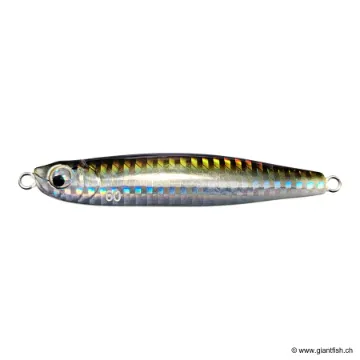

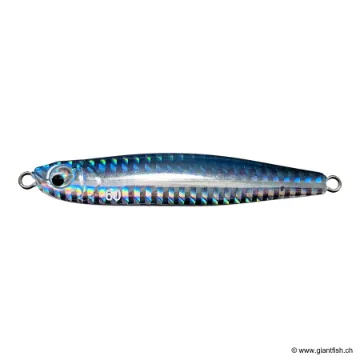
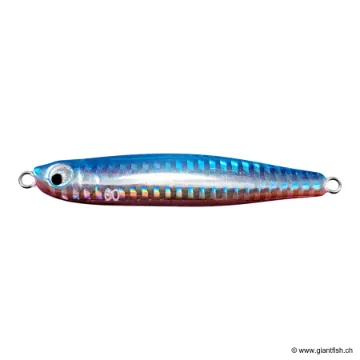
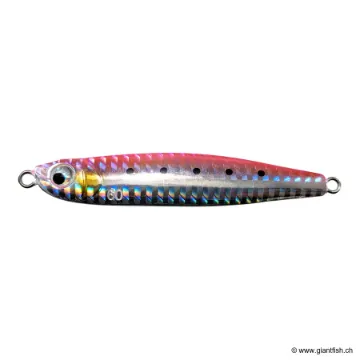
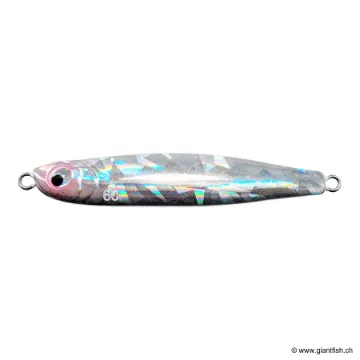
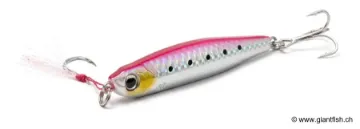
MARIA Mucho Lucir Metal Jig - 25 g
Compact metal jig for coastal fishing: long-distance casting, fast sink rate, and fluttering action to trigger pelagic and predatory saltwater species.
10.15 (CHF) incl tax
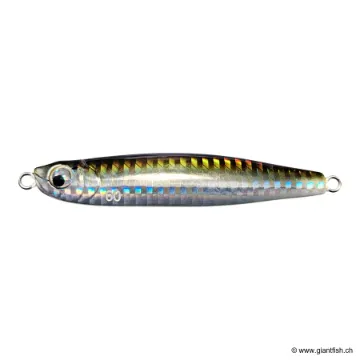
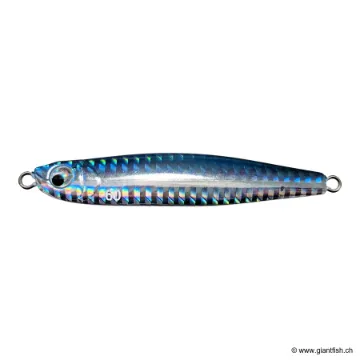
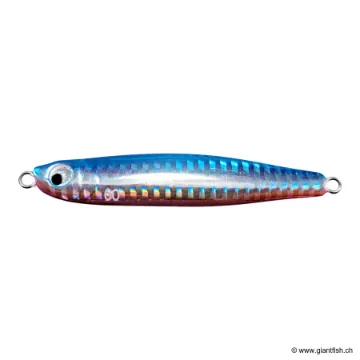
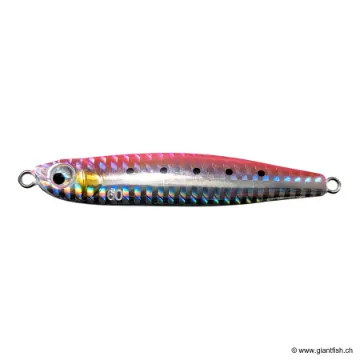
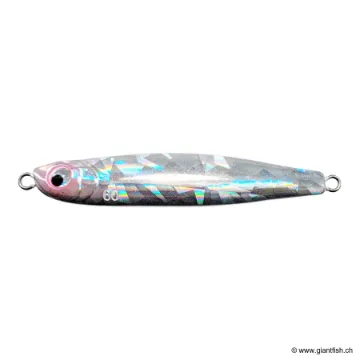
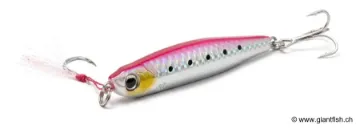
Jig MARIA Mucho Lucir - 18 g
The MARIA Mucho Lucir metal jig is a saltwater fishing lure designed for long-distance casting, fast sinking, and triggering strikes with an irregular fluttering action. Ideal for quickly covering coastal fishing areas from shore or boat.
9.80 (CHF) incl tax
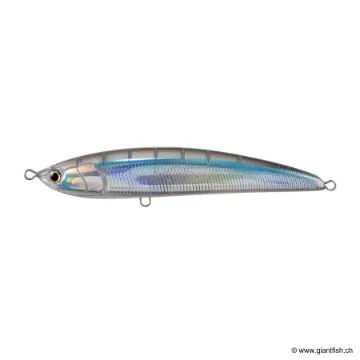
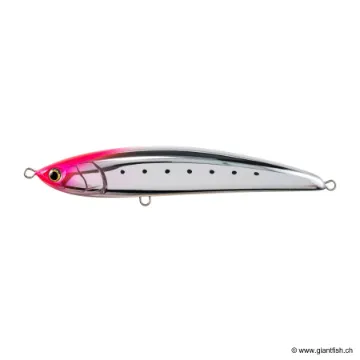
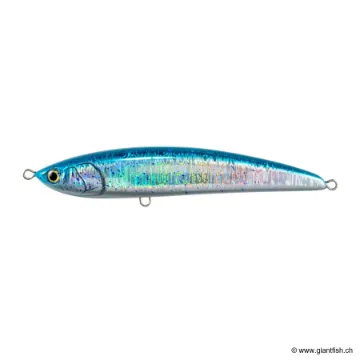
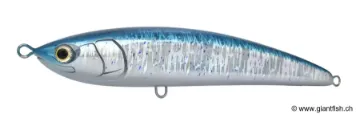
Floating Pencil Lure MARIA Legato F230 - 23 cm
Floating pencil lure designed for sea fishing: fast retrieve, irregular sub-surface action, strong flash, and a magnetic weight-transfer system for very long casts. Ideal for covering water quickly and triggering strikes from inactive predators.
56.00 (CHF) incl tax
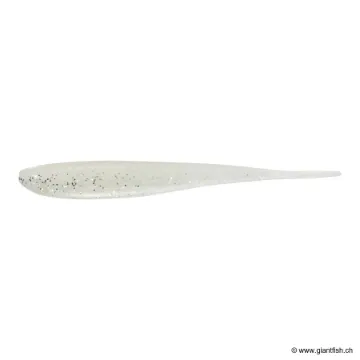
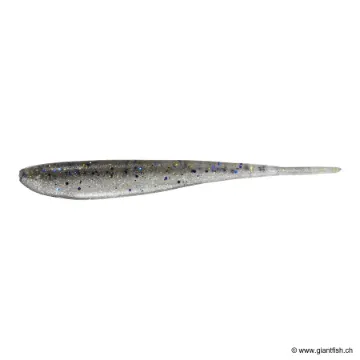
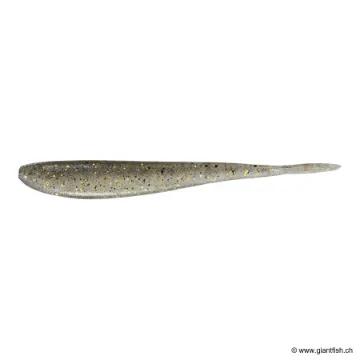
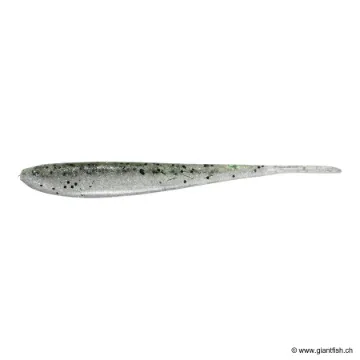
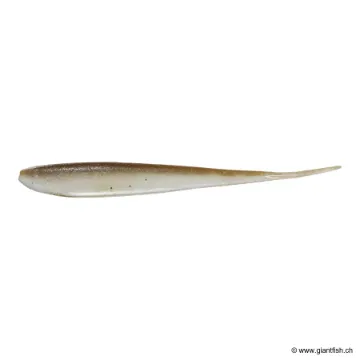
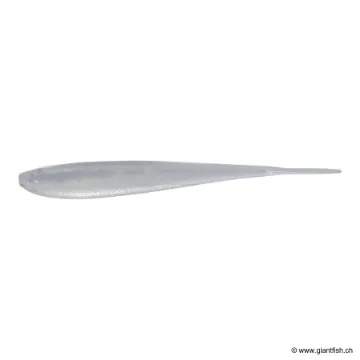
DUO Realis Versa Fish Soft Lure 4"" - 10 cm
DUO soft lure designed for finesse fishing: stable, natural swimming at low speed, subtle vibrations, and a customizable tail to fine-tune appeal for wary fish.
10.15 (CHF) incl tax
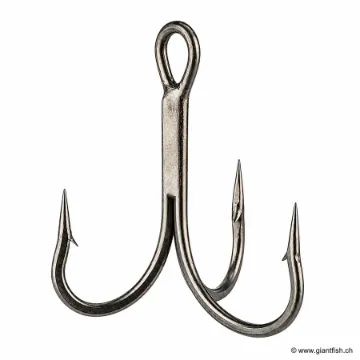
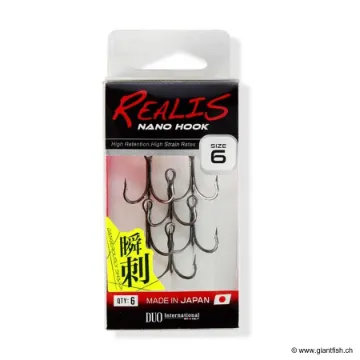
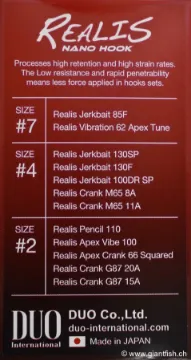
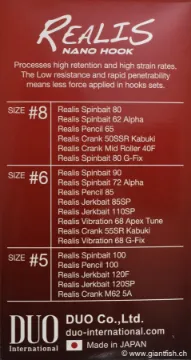
DUO Realis Nano Hook Triple Hook
Replacement DUO treble hooks designed to restore reliable hook-up performance to your Realis hard lures.
8.30 (CHF) incl tax
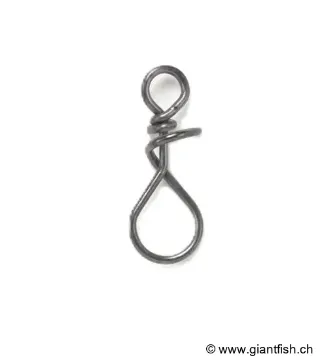
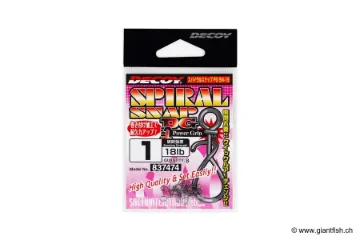
DECOY SN-19 Spiral Snap PG Snap
Spiral snap for quick lure rigging: fast thread-on attachment, reliable hold, and optimal freedom of movement for a natural swimming action.
6.15 (CHF) incl tax
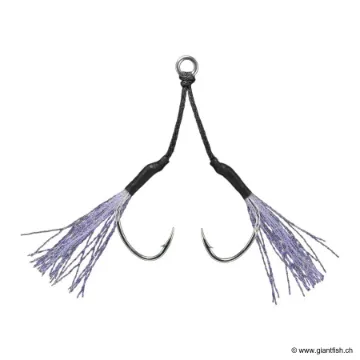
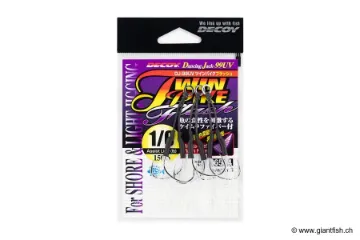
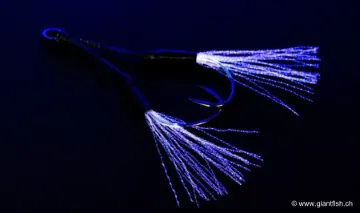
DECOY DJ-99 UV Twin Pike Flash Assist Hook
Double UV assist hook for sea and freshwater jigging: keimura flash fibers, reinforced cord, reliable hooksets.
9.25 (CHF) incl tax
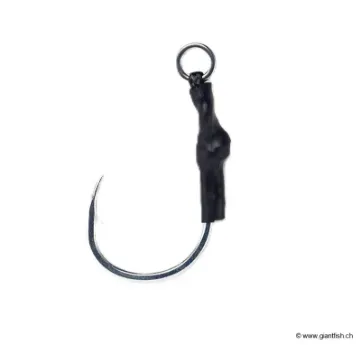
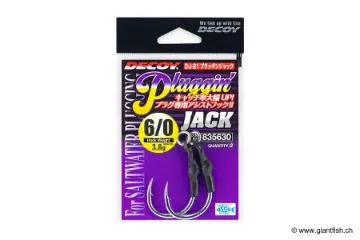
DECOY DJ-21 Pluggin Jack Assist Hook
DECOY assist hook for rigging or replacing the treble hooks on hard lures: easy split ring mounting, excellent hook point alignment, reliable hold during the fight, and corrosion resistance, ideal for both saltwater and freshwater sport fishing.
10.15 (CHF) incl tax
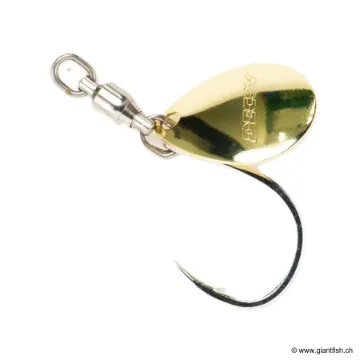
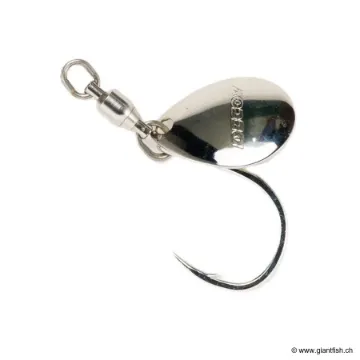
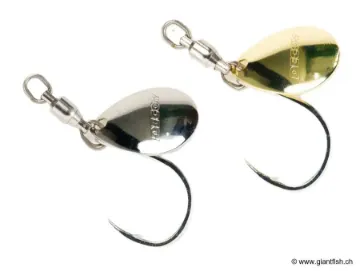
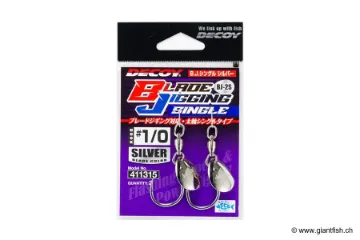
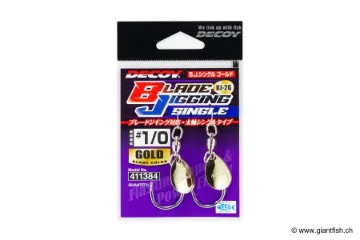
DECOY BJ-2 Blade Jigging Single Assist Hook
DECOY BJ-2S Blade Jigging Single assist hook with a Colorado-style blade on a rolling swivel, designed to boost vibrations and improve jigging efficiency while reducing missed strikes and tangles.
9.25 (CHF) incl tax
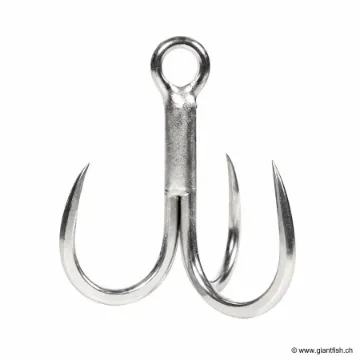
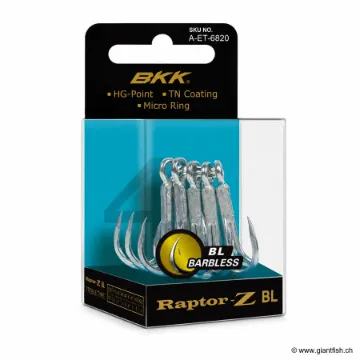
BKK Raptor-Z BL Treble Hook
Heavy-duty BKK barbless treble hook with an inward point and micro ring for fast penetration and safer catch and release.
11.35 (CHF) incl tax
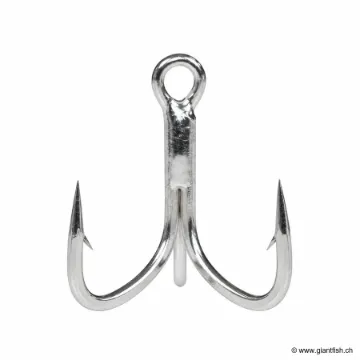
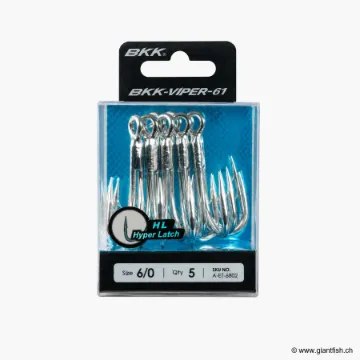
BKK Viper-61 Treble Hook
Ultra-strong 6X treble hook for fast-moving lures, saltwater and freshwater fishing.
13.45 (CHF) incl tax
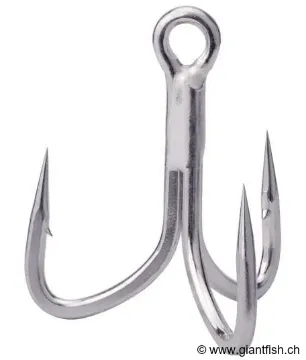
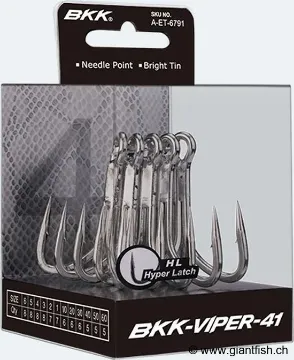
Triple Hook BKK Viper-41
Reinforced BKK Viper-41 treble hook: long straight needle point, aggressive bend, and Bright Tin coating for lure fishing in freshwater and saltwater.
9.25 (CHF) incl tax
Payment options


