



















Cookies help us deliver our services. By using our services, you agree to our use of cookies.
Search
[CHF] Swiss Franc
English
- Fishing license
- New Products
- Predator
- Trout
- Fly Fishing
- Carp
- Catfish
- Strike
- Sea
-
Clothing
- Fishing jackets
- Hoodies, fleeces & sweaters
- Fishing T-shirts, Polos, and Shirts
- Fishing Pants, Bibs, and Shorts
- Fishing vests and chest packs
- Waders and Hip Boots
- Boots, Shoes & Sandals
- Polarized sunglasses & Accessories
- Caps, Visors & Hats
- Beanies, Neck gaiters & Gloves
- Thermal underwear & Socks
- UV-blocking Clothing and Sun protection accessories
- Various
- Navigation
- Hunting
- Decor & Gifts
- Brands
Filter
Filter by price
Filter by manufacturer
Sea
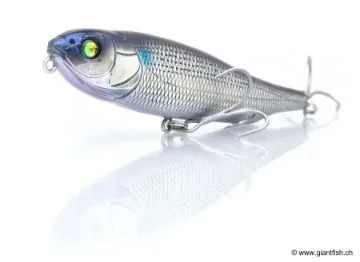

Lure Megabass Giant Dog X SW
MEGABASS KISS Giant Dog X SW lure optimized for surface predator fishing.
45.10 (CHF) incl tax
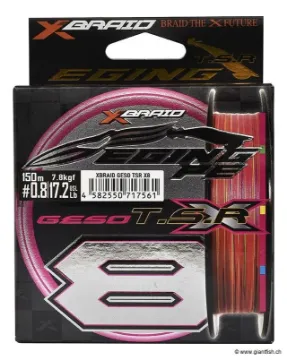
Braid XBraid X092 GESO TSR X8 - 8 strands
Braid XBraid GESO TSR X8 for cephalopod fishing
37.30 (CHF) incl tax
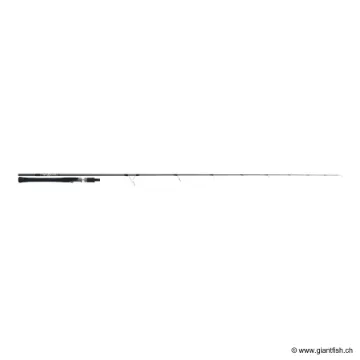
Spinning Rod UF ENGINEERING FIVE EVO SP 73 XH Lunker Hunter
UF ENGINEERING FIVE EVO SP 73 XH Lunker Hunter rod, ideal for heavy lures and big fish
391.55 (CHF) incl tax
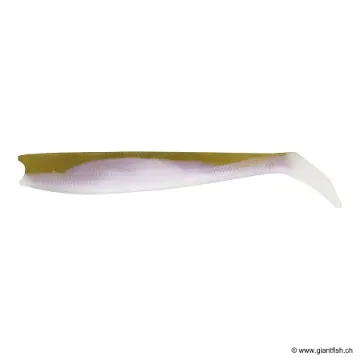
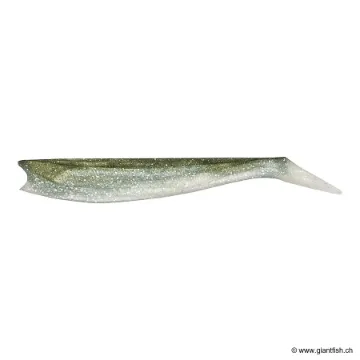
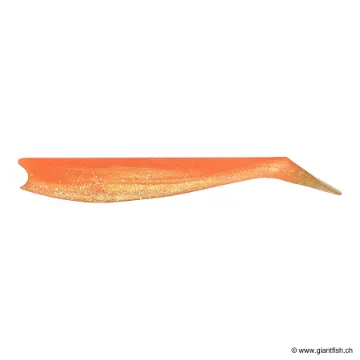
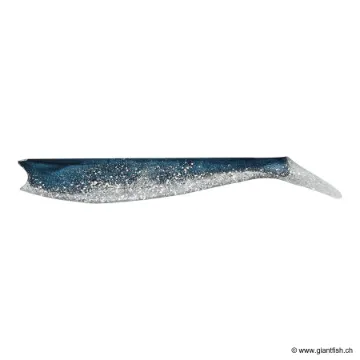
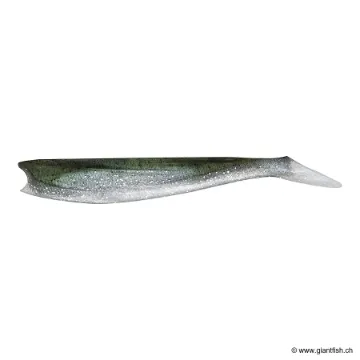
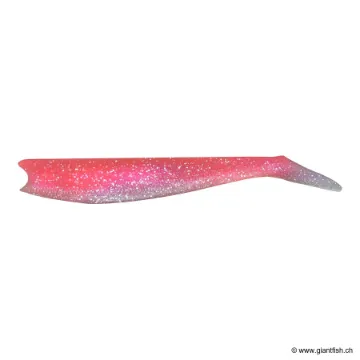
Ultimate Fishing Biomax Twinshad 130 Soft Lure - 13 cm - 15 g
Twinshad 130 Ultimate Fishing Biomax soft lure, a hybrid of the Ultishad and Sayori Shad for saltwater and predator fishing.
2.80 (CHF) incl tax
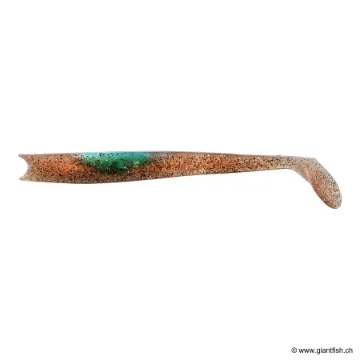
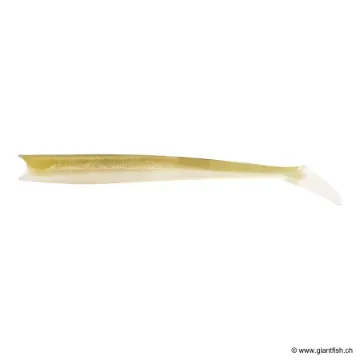
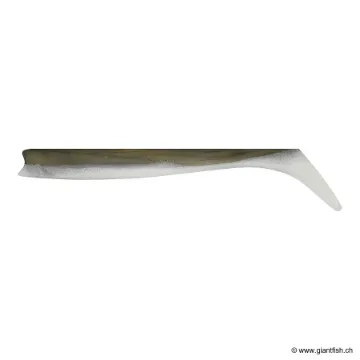
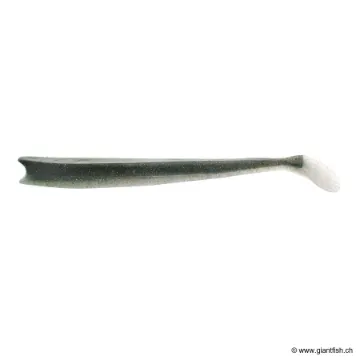
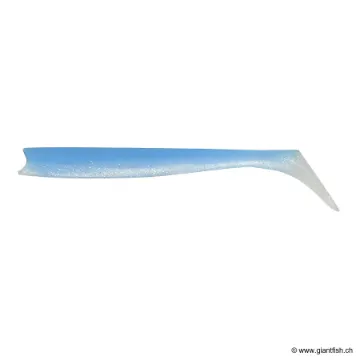
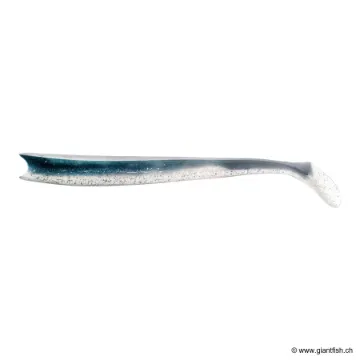
Ultimate Fishing Biomax Sayori 2 Shad Soft Lure - 14 cm - 13 g
Sayori 14 Ultimate Fishing Biomax soft lure, high-performance in salt and fresh water for sea bass, pollack, zander and pike.
1.75 (CHF) incl tax
In the Saltwater category at GiantFish, you’ll find all the tackle you need to handle saltwater conditions, whether you fish from shore or by boat. Rods, reels, lines, leaders, lures and accessories are selected to resist corrosion and the often demanding conditions of saltwater fishing.
Choosing your saltwater fishing gear
Saltwater fishing requires gear that matches the power of the fish, the strength of the current and the salinity. Before you choose, decide how you mainly fish:
- Shore fishing (jetties, rocks, beaches) with long-distance casting or working close to structure.
- Boat fishing drifting, at anchor or vertical fishing over deeper areas.
- Light tackle for smaller saltwater predators, or heavier setups for powerful species.
Always match the power of your rod and reel combo to the average size of the fish you target and to the weight of your sinkers or lures.
Rods, reels and lines for saltwater
The rods in the Saltwater category are designed to handle heavy loads and the constraints of saltwater. You’ll find:
- Saltwater spinning and casting rods for lure fishing from shore or by boat.
- Surfcasting rods for long-distance casting from the beach.
- Saltwater reels with strong drag systems and anti-corrosion treatments.
For your main line, choose a fine but strong saltwater braid, completed with a fluorocarbon or nylon leader that is more discreet and more abrasion-resistant, especially around rocks or other structure.
Effective lures, baits and rigs
Saltwater fish react differently depending on the season, water clarity and available food. It’s useful to have several types of rigs and lures:
- Soft baits and hardbaits for prospecting for saltwater predators.
- Jigs and casting jigs for vertical fishing or quickly reaching deeper water.
- Bait rigs (multi-hook leaders, paternoster) to present worms, squid or other natural baits in a steady way.
Vary retrieve speeds, lure sizes and the depth you are fishing in the water column to quickly find what triggers strikes.
Saltwater fishing techniques for changing conditions
Weather and season strongly influence fish activity. A few useful guidelines:
- Calm seas: favor subtle presentations, finer rigs and more natural-looking lures.
- Rough seas: use louder or bulkier lures and heavier weights to stay in contact with the bottom.
- Topwater, mid-water or bottom fishing: adjust your depth according to the time of year, water temperature and the presence of baitfish.
All year long, take care with your knots, check your leaders regularly and always rinse your gear with fresh water after each trip.
FAQ – Saltwater fishing
What rod power should I choose for saltwater?
For versatile shore fishing with lures, a medium-power rod (for example 10–40 g or 15–60 g depending on the species targeted) is often a good compromise. For surfcasting or bigger fish, choose a more powerful rod.
How should I maintain my saltwater fishing gear?
After each trip, rinse rods, reels and accessories with fresh water, let them dry, then lightly grease exposed metal parts. This greatly reduces corrosion.
What type of line should I use in saltwater?
A braided main line offers great sensitivity and high strength for its diameter. Pair it with a fluorocarbon or nylon leader for more discretion and better abrasion resistance.
Payment options


