Product Highlights
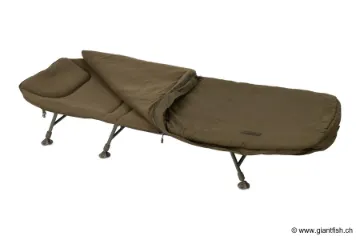
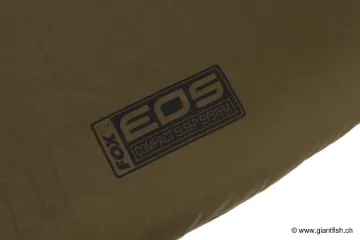
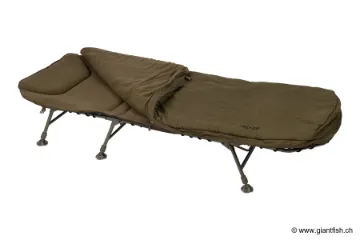
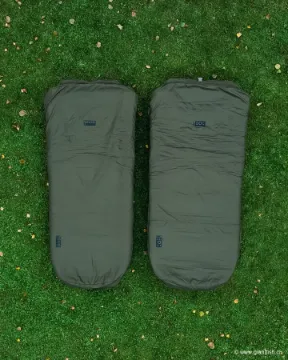
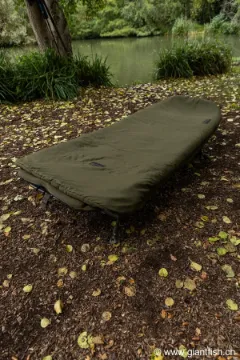
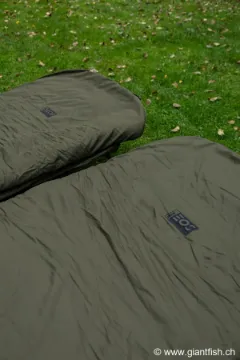
The Fox sleeping bag Eos1 Sleeping Bag was designed for anglers and outdoor overnight users who want reliable bedding that is easy to use and suited to long hours spent by the water. When temperatures drop, the air becomes damp, and fatigue sets in, sleep quality makes a real difference to comfort and alertness. This fishing sleeping bag is intended to provide a wrapped-up feel, solid thermal protection, and practical use without unnecessary complexity.
Its main goal is to help you maintain a stable body temperature through the night while keeping enough fabric breathability to reduce discomfort linked to condensation. It is suitable both for occasional nights and for longer sessions, where rest needs to be optimized so you can make the most of the next day. In short, this is a bivvy sleeping system focused on comfort, designed to support your waterside sessions and outdoor nights more broadly.
Technical Specifications
- Type: sleeping bag for outdoor use
- Recommended use: fishing, bivvying, camping
- Design: insulating, wrap-around bedding to help limit heat loss
- Comfort: sleeping area designed to encourage restorative sleep
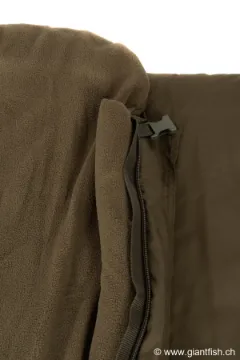
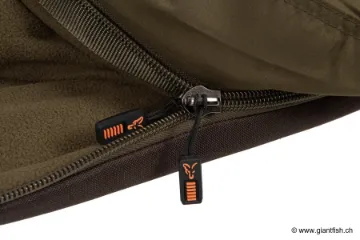
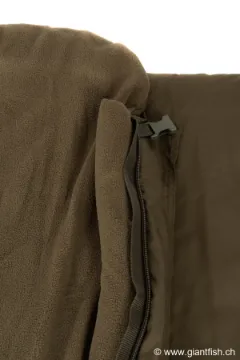
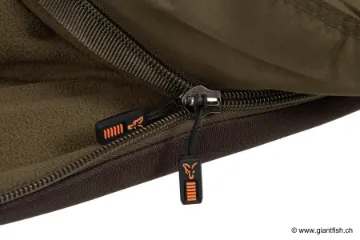
- Practicality: opening and closing designed for easy access and ventilation
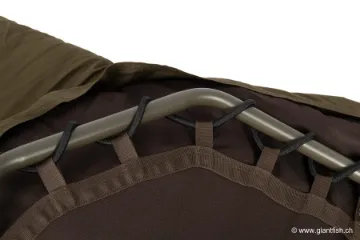
- Use: suitable for use on a bedchair or on a ground mat (depending on your setup)
- Care: air and dry completely after use; gentle cleaning recommended
Benefits and Key Product Features
A good carp fishing sleeping bag (or any session fishing sleeping bag) must meet concrete needs: preserve warmth, feel comfortable against the skin, be easy to handle in the dark, and fit seamlessly into a bivvy setup. The Eos1 Sleeping Bag follows this logic: you set up quickly, cover up without wasting time, and keep a sense of protection throughout the night.
Comfort is not limited to warmth. The feeling of being well contained, without drafts, contributes to deeper sleep. This is especially important during nights by the water, where ambient humidity and temperature changes can be surprising. With a field-oriented approach, this Fox sleeping bag is reassuring and functional: a product you take out, use, and that naturally fits into the routine of a session.
Another strong point is versatility. Even if fishing is its natural home, a sleeping bag of this type is also relevant for camping, outdoor weekends, or any situation where you need simple and effective bedding. By keeping your sleep system consistent (bedchair or ground mat, pillow, and an extra blanket if needed), you get a comfortable setup without multiplying accessories.
Usage Tips
To get the best from your sleeping bag, place it on an insulating surface: a bedchair, ground mat, or mattress. Underneath insulation is essential to improve warmth, especially when the ground is cold or damp. Before going to sleep, air out your shelter for a few minutes (brolly, bivvy, or tent) to reduce internal moisture, then close it gradually depending on the temperature.
In changing conditions, adjust your layers: dry, breathable clothing (rather than thick, damp layers) helps you stay comfortable. If you feel too warm during the night, slightly opening the sleeping bag often helps restore a better balance. In the morning, make a habit of opening the bag and letting it breathe: this simple routine extends the life of the fabric and improves the overall hygiene of your bedding.
Finally, for storage, prioritize complete drying after each session and keep it in a dry place. Avoid compressing it for long periods when not in use, so you can preserve performance and comfort over time.
Testimonials
On session, what you mainly expect is to sleep warm and feel well settled. A fishing-focused sleeping bag like this one brings a real plus to recovery and overall comfort, especially when nights become damp and cool.
FAQ
Question 1: Is this sleeping bag only for fishing?
Answer: No. It is particularly suited to fishing and bivvying, but it is also suitable for camping and other outdoor uses whenever you need practical, insulating bedding.
Question 2: Can it be used on the ground?
Answer: Yes, provided you add insulation under the bag (ground mat or mattress) to limit heat loss and improve comfort.
Question 3: How can I reduce moisture and condensation during the night?
Answer: Air out your shelter before sleeping, use dry clothing, and let the bag breathe in the morning. Proper drying after the session is also essential.
Question 4: What is the best way to care for it and extend its lifespan?
Answer: Dry it completely after use, air it regularly, clean it gently if needed, and store it in a dry place without prolonged compression.