Product Highlights
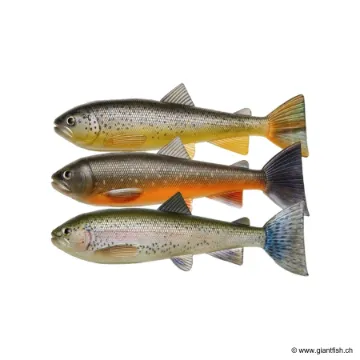
The Pulz Bait was designed for anglers who like to target where predator fish truly hold: near the bottom. Jigging is already highly effective, but this lure goes further thanks to one key feature: it keeps moving even when it is resting on the bottom. The result is that you can slow your retrieve down as much as possible, give the predator time to inspect it, and then trigger the strike at the right moment.
Its secret lies in its built-in, natural action: between lifts, the lure keeps ""working"" on its own, like a baitfish twitching in place. This micro-movement creates constant presence in the strike zone and improves your ability to provoke wary fish, especially when fishing pressure is high or the water is cold.
Technical Specifications
- Jigging lure designed for fishing close to the bottom
- Realistic action that stays active even when paused
- Built for ultra-slow retrieves between lifts
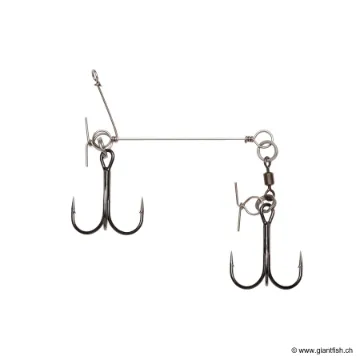
- Mounted with a rig fitted with two BKK treble hooks
- Lead head made of zinc
- Supplied in a 2-piece pack
- Targets: zander, catfish, trophy perch, and other bottom-feeding predators
Product Benefits and Key Advantages
The main advantage of the Pulz Bait is that it makes slow jigging genuinely effective. Where many lures ""die"" as soon as you stop moving them, this one keeps a lively posture that holds the fish's attention. This is especially useful when predators follow without striking: a simple pause, with the lure resting on the bottom, is sometimes enough to trigger an attack.
In fishing situations, this translates into a more convincing and more stable presentation in the target water layer. You can work a drop-off, a hole, a flat, or the mouth of a channel while keeping the lure in the productive zone longer. This approach is ""deadly"" on fish glued to the bottom such as zander, but it also works for catfish when they feed close to the substrate, as well as for opportunistic big perch.
The BKK trebles inspire confidence on both hard strikes and cautious bites. Combined with a zinc head, the setup is ready to fish and built to handle demanding freshwater sessions, including regular contact with the bottom.
How to Use
To get the best from this jigging lure, use a slow, rhythmic approach. Let it sink to the bottom, pause, then make short rod lifts followed by controlled drops. The idea is not to ""overwork"" it: trust its action and extend the pauses, especially when fish activity is low.
Focus on areas where fish ambush prey: slope breaks, current seams, structure, drop-offs on lakes, and canals. When fishing vertically or drifting slowly, keep contact with the bottom, then let the lure rest for a few seconds: this is often when the bites happen.
Testimonials
""I got into the habit of letting the lure sit longer: the action stays visible and bites often come on the pause. Very effective on zander holding tight to the bottom.""FAQ
Question 1: What is the purpose of the lure's action when it is resting on the bottom?
Answer: It keeps the presentation alive during pauses, which triggers strikes from hesitant fish and makes ultra-slow jigging more productive.
Question 2: Which species should you target with this lure?
Answer: It is especially suitable for zander, catfish, and trophy perch, as well as any predator that feeds near the bottom.
Question 3: Do you need to fish it fast to be effective?
Answer: No. The Pulz Bait is designed to work between actions. Short lifts and long pauses often deliver the best results.