






















Cookies help us deliver our services. By using our services, you agree to our use of cookies.
Filter
Filter by price
Filter by manufacturer
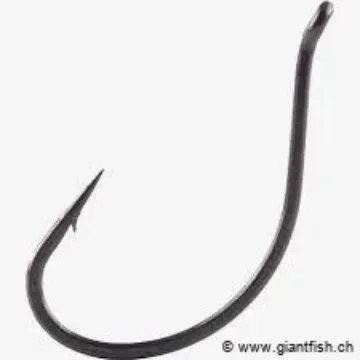
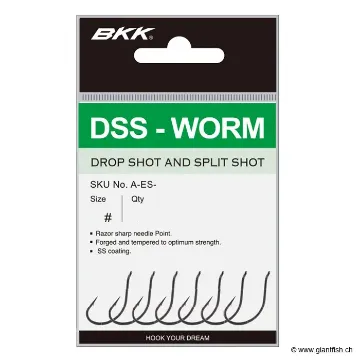
BKK DSS-Worm Hook
BKK finesse hook for drop shot and split shot rigs: needle point, forged shank, and ultra-slick SS coating for clean hooksets and fast penetration.
3.35 (CHF) incl tax
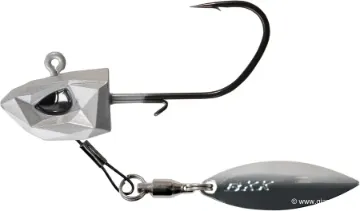
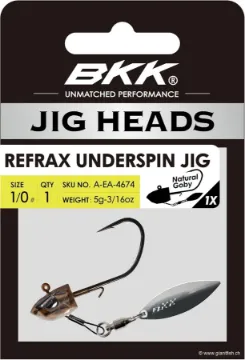
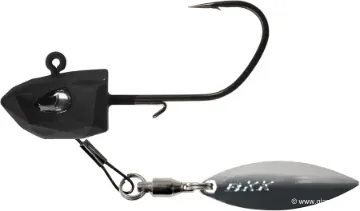
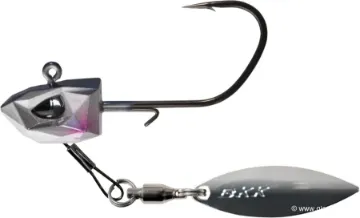
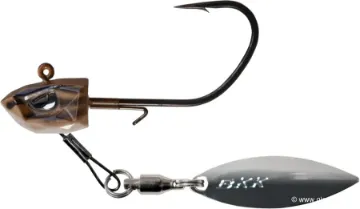
BKK Refrax Underspin Jig Head
Premium underspin jig head for soft lures, designed to create flash and vibrations with smooth rotation, while ensuring solid hooksets and excellent lure hold.
4.60 (CHF) incl tax
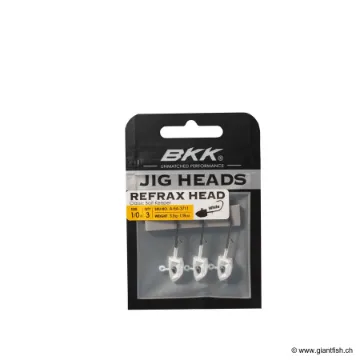
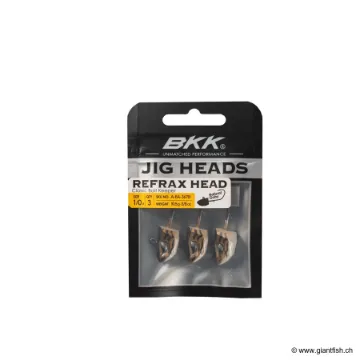
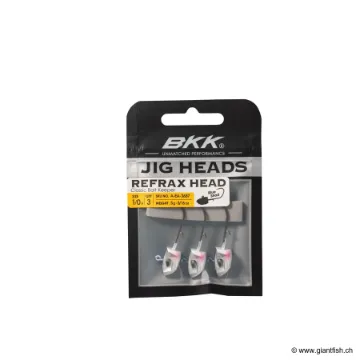
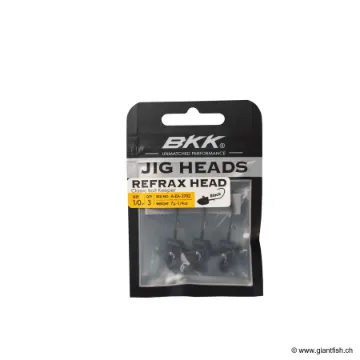
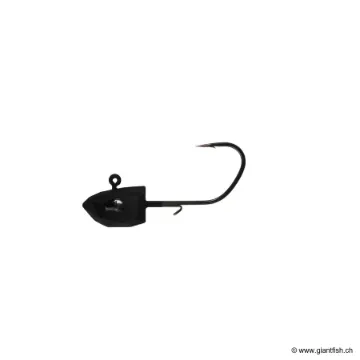
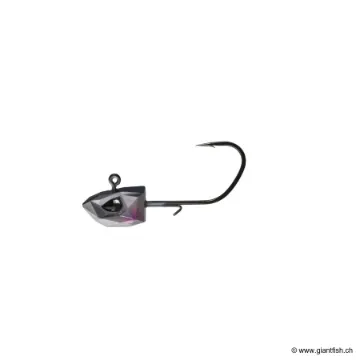
BKK Refrax Jig Weighted Jig Head
The BKK Refrax Jig weighted jig head is a high-performance jig head for soft lure fishing, designed for secure lure holding, fast hook penetration, and outstanding strength. Ideal for straight-line swimbait retrieves as well as vertical fishing at different depths.
5.85 (CHF) incl tax
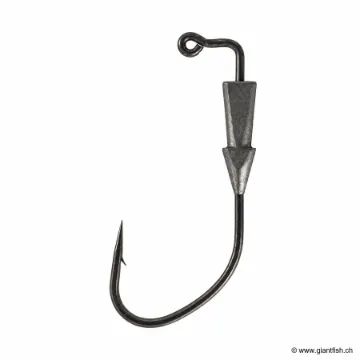
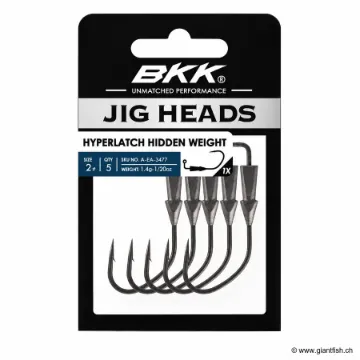
BKK Hyperlatch Hidden Weight Finesse Jighead
The BKK Hyperlatch Hidden Weight finesse jighead is designed to give your soft plastic lure a natural horizontal fall and reliable hold, with a strong hook and smooth penetration.
5.05 (CHF) incl tax
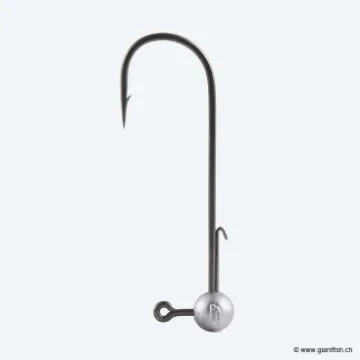
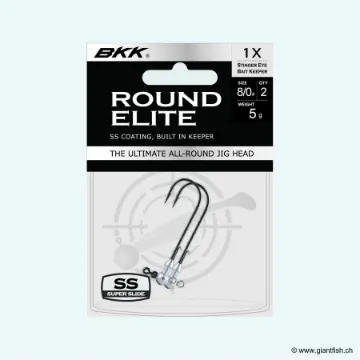
BKK Round Elite Stinger Eye Bait Keeper Jig Head
BKK Round Elite Stinger Eye jig head with bait keeper and lower eyelet for stinger, treble hook, or blade rig setups. A versatile jighead for soft lures and technical presentations.
4.60 (CHF) incl tax
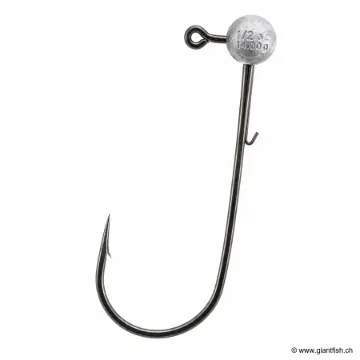
BKK Round Elite Classic Bait Keeper Jig Head (B-20)
BKK Round Elite jig head with bait keeper: a versatile round jig head for soft baits, reliable lure retention, and an ultra-sharp hook for a clean presentation and better hook-up rates.
17.65 (CHF) incl tax
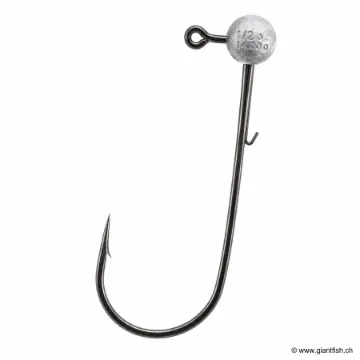
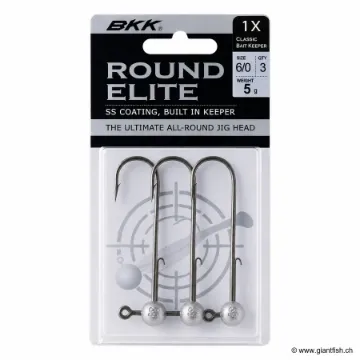
BKK Round Elite Jig Head - Classic Bait Keeper
The BKK Round Elite - Classic Bait Keeper is a versatile jig head designed for rigging soft lures. Its discreet round head, ultra-sharp hook, and integrated bait keeper provide a clean, durable, and effective presentation in both freshwater and saltwater.
2.95 (CHF) incl tax
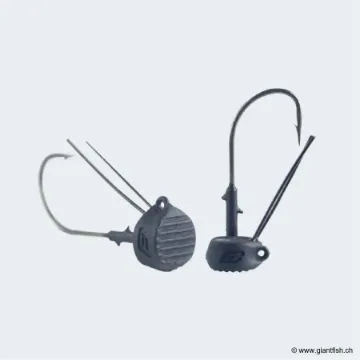
BKK Silent Chaser Draggin' Ned Weedless Jig Head
The BKK Draggin' Ned jig head is designed for Ned Rig setups and finesse bottom fishing: recessed anti-snag eye, ultra-sharp hook with SS coating, reinforced forged bend, and effective bait retention, even with demanding soft plastics.
6.70 (CHF) incl tax
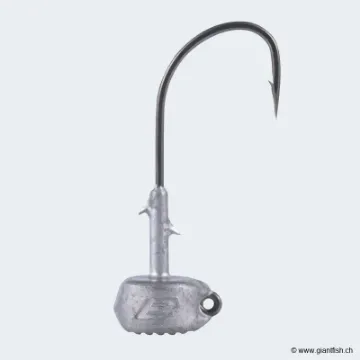
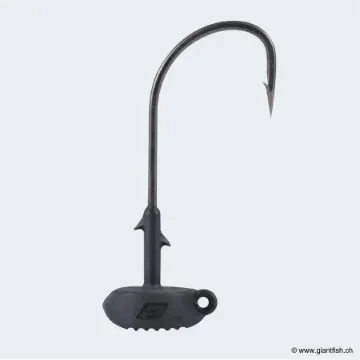
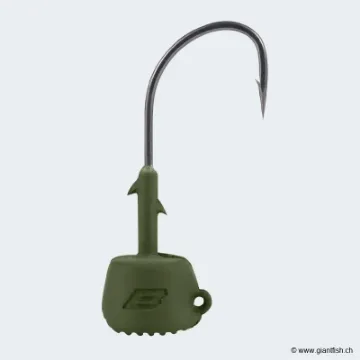
BKK Silent Chaser Draggin' Ned Jig Head
The BKK Draggin' Ned jig head is designed for Ned Rig setups: recessed anti-snag eye, highly durable forged hook, ultra-sharp point, and reliable soft bait hold for a subtle and effective presentation close to the bottom.
4.20 (CHF) incl tax
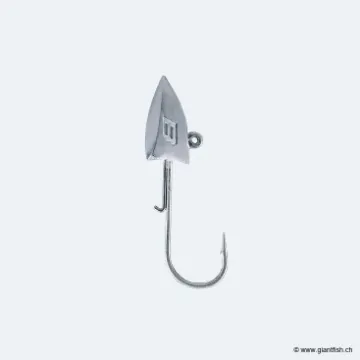
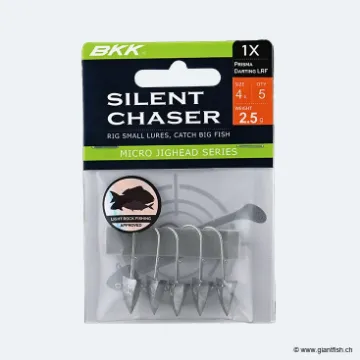
BKK Silent Chaser Prisma Darting Jig Head
The BKK Silent Chaser Prisma Darting jig head is a heavy-duty jig head designed to animate a soft lure with a clean darting action, featuring reliable bait retention thanks to a metal bait keeper, ideal for targeting large predatory fish in open water.
5.05 (CHF) incl tax
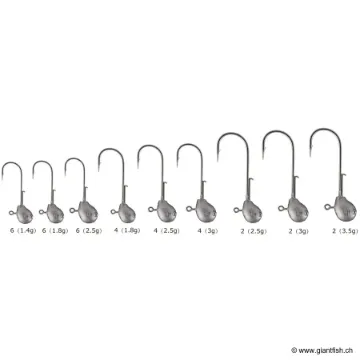
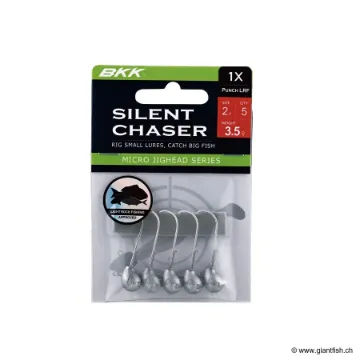
BKK Silent Chaser Punch LRF Jighead
BKK jighead designed for bottom fishing in LRF, with a rounded head and a lowered center of gravity to reduce snags and help it clear obstacles more easily.
5.05 (CHF) incl tax
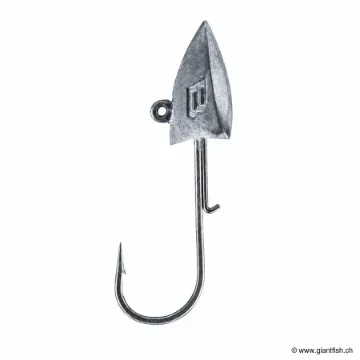
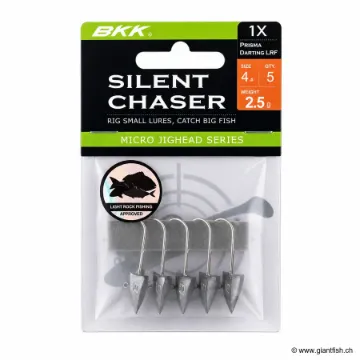
BKK Silent Chaser Prisma Darting LRF Jighead
BKK Silent Chaser Prisma Darting LRF jighead designed for a sharp darting action, especially effective in weak or no current, ideal for precise and responsive LRF fishing.
5.05 (CHF) incl tax