





















Cookies help us deliver our services. By using our services, you agree to our use of cookies.
Search
[CHF] Swiss Franc
English
- Fishing license
- New Products
- Predator
- Trout
- Fly Fishing
- Carp
- Catfish
- Pole Fishing
- Sea Fishing
-
Clothing
- Fishing jackets
- Hoodies, fleeces & sweaters
- Fishing T-shirts, Polos, and Shirts
- Fishing Pants, Bibs, and Shorts
- Fishing vests and chest packs
- Waders and Hip Boots
- Boots, Shoes & Sandals
- Polarized sunglasses & Accessories
- Caps, Visors & Hats
- Beanies, Neck gaiters & Gloves
- Thermal underwear & Socks
- UV-blocking Clothing and Sun protection accessories
- Various
- Navigation
- Hunting
- Decor & Gifts
- Brands
Filter
Filter by price
Filter by manufacturer
Small equipment
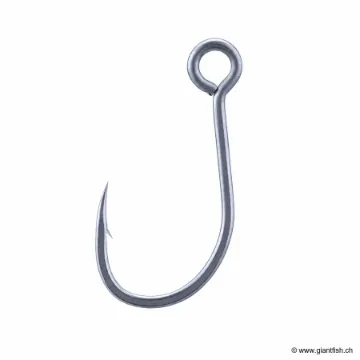

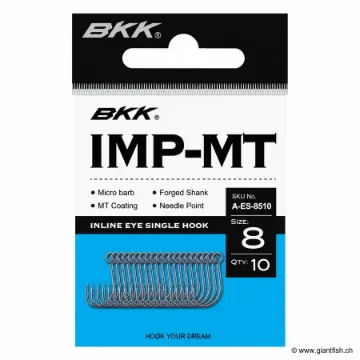
BKK IMP-MT 8005 Hook
BKK IMP replacement single hook for finesse to medium-light lure fishing, with a micro barb to make catch and release easier, an ultra-sharp point, and a matte tin coating designed to help maintain sharpness over time.
3.35 (CHF) incl tax
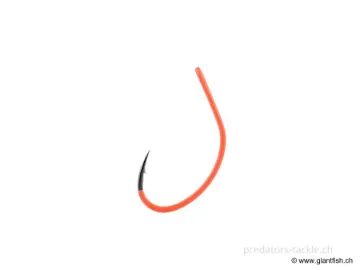
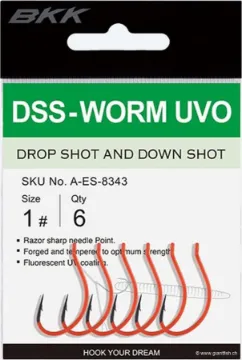
BKK DSS-Worm UV Hook (Orange)
BKK DSS-Worm UV hook designed for drop shot and split shot rigs on light line, with an ultra-sharp needle point, strong forged shank, and UV finish to trigger more bites.
4.20 (CHF) incl tax
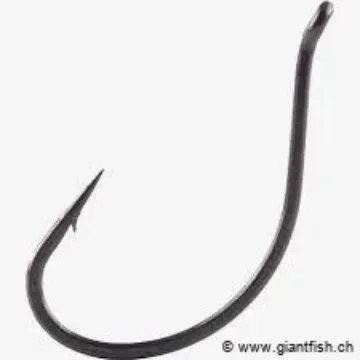
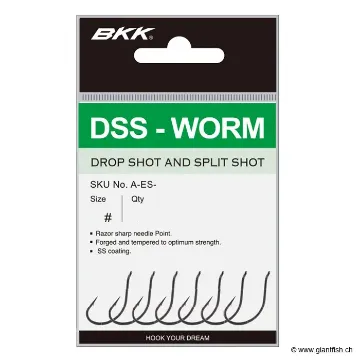
BKK DSS-Worm Hook
BKK finesse hook for drop shot and split shot rigs: needle point, forged shank, and ultra-slick SS coating for clean hooksets and fast penetration.
3.35 (CHF) incl tax
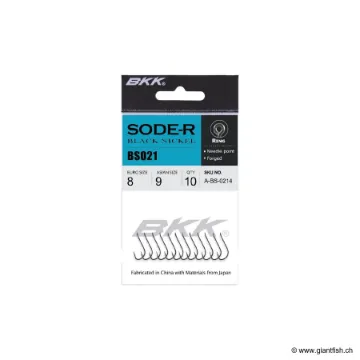
BKK Sode-R Diamond Hook
BKK Sode-R Diamond bait hook: a versatile J-hook in carbon steel, with an ultra-sharp point and black nickel coating, designed for natural bait presentation in both freshwater and saltwater.
2.50 (CHF) incl tax
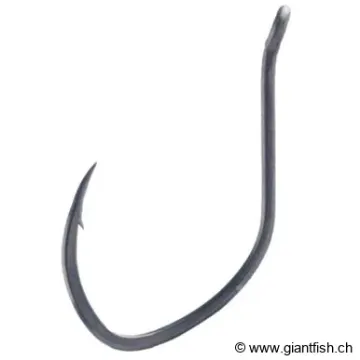
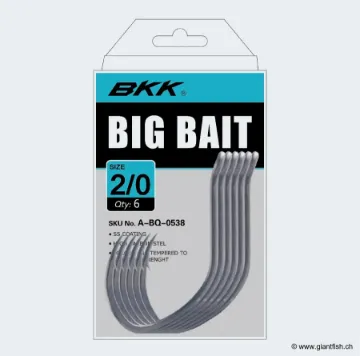
Offset BKK Big Bait Hook
Versatile offset hook for big baits: wide gap, needle point and forged shank for reliable penetration and high strength. Raised 45° eye ideal for snell knot rigs.
5.85 (CHF) incl tax
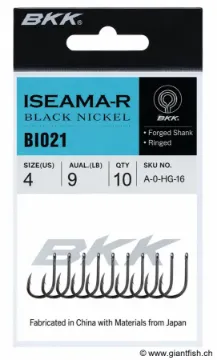
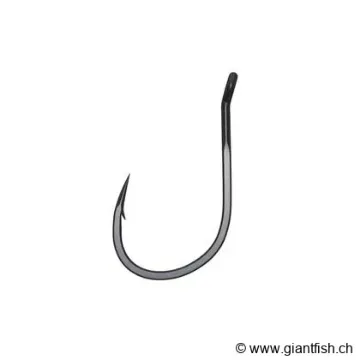
BKK Ready Rig Diamond Iseama-R Hook
Single BKK Iseama-R Diamond hook designed for bait fishing in freshwater and saltwater. High-strength carbon steel, forged shank, upturned eye for snell knot rigs, wide gap, and needle-style point for fast, reliable hooksets.
2.50 (CHF) incl tax
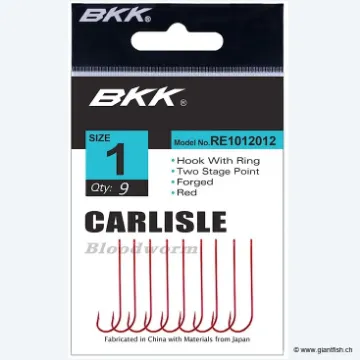
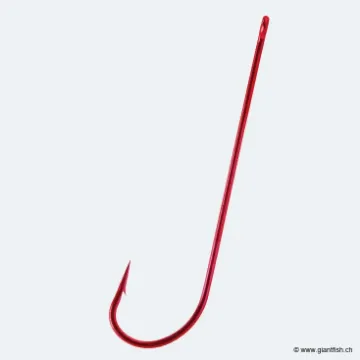
BKK Red Carlisle Bloodworm-R Hook
BKK J hook with an extra-long shank and red coating, designed for natural bait fishing in both freshwater and saltwater, for a discreet presentation and easier unhooking.
3.35 (CHF) incl tax
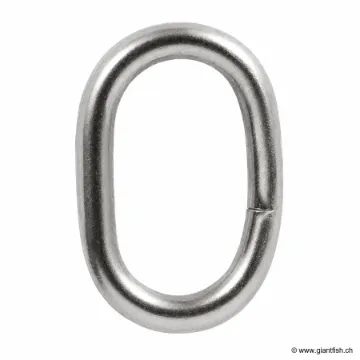
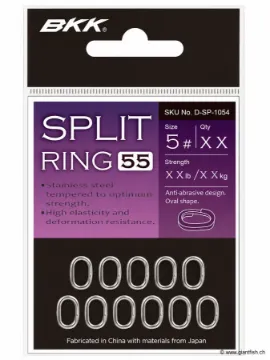
BKK Split Ring-55 Split Ring
Stainless steel BKK split ring designed for lure and jig rigging, delivering strength, corrosion resistance, and anti-abrasion finishing to protect the line and improve hook-up efficiency.
5.05 (CHF) incl tax
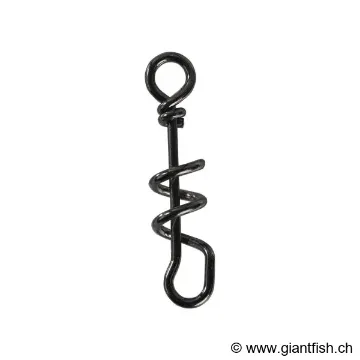
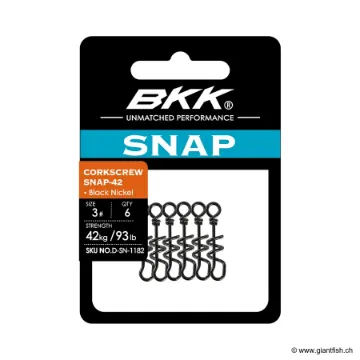
BKK Corkscrew Snap-42
Screw snap for lure fishing, BKK Corkscrew Snap-42: a fast and reliable connection for artificial lures without opening and closing a traditional snap.
2.95 (CHF) incl tax
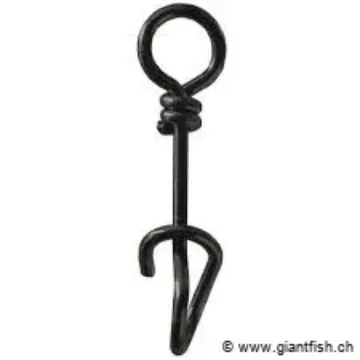
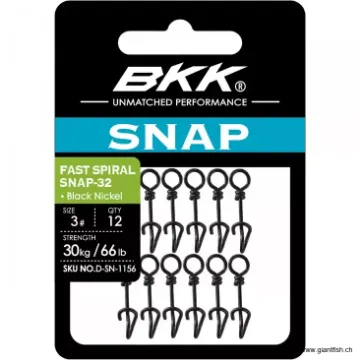
BKK Fast Spiral Snap-32
BKK spiral snap designed for fast lure changes, reliable connection, and optimal line protection, even when cold or wet conditions reduce dexterity.
2.95 (CHF) incl tax
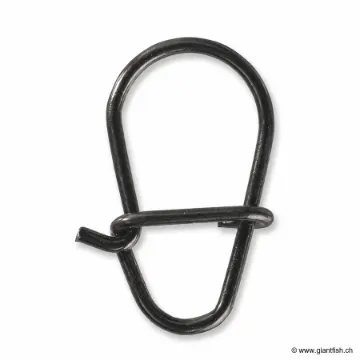
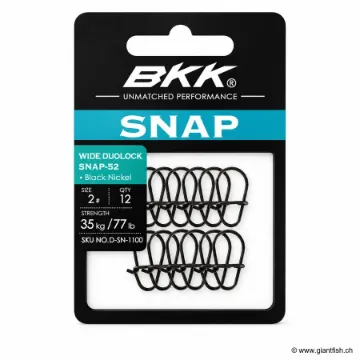
BKK Wide Duolock Snap-52 Snap Clip
Wide fishing snap clip with double locking, designed to quickly connect your lures, preserve natural action, and secure the line during lure fishing.
2.50 (CHF) incl tax
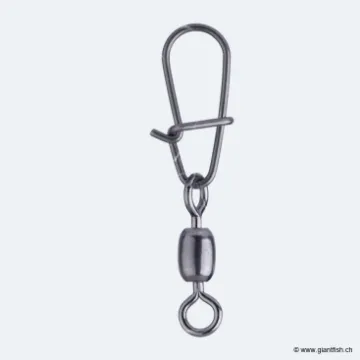
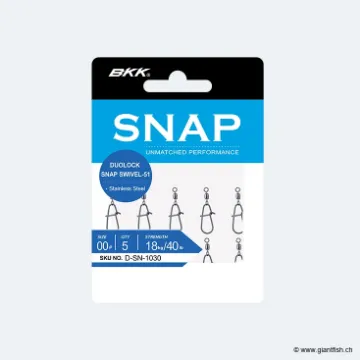
BKK Duolock Snap Swivel-51
BKK snap swivel with Duolock clip designed to quickly connect your rigs while limiting line twist thanks to smooth stainless-steel rotation.
2.95 (CHF) incl tax
Payment options


