




















Cookies help us deliver our services. By using our services, you agree to our use of cookies.
Search

[CHF] Swiss Franc
English
- Fishing license
- New Products
- Predator
- Trout
- Fly Fishing
- Carp
- Catfish
- Strike
- Sea
-
Clothing
- Fishing jackets
- Hoodies, fleeces & sweaters
- Fishing T-shirts, Polos, and Shirts
- Fishing Pants, Bibs, and Shorts
- Fishing vests and chest packs
- Waders and Hip Boots
- Boots, Shoes & Sandals
- Polarized sunglasses & Accessories
- Caps, Visors & Hats
- Beanies, Neck gaiters & Gloves
- Thermal underwear & Socks
- UV-blocking Clothing and Sun protection accessories
- Various
- Navigation
- Hunting
- Decor & Gifts
- Brands
Filter
Filter by price
Filter by manufacturer
Leaders
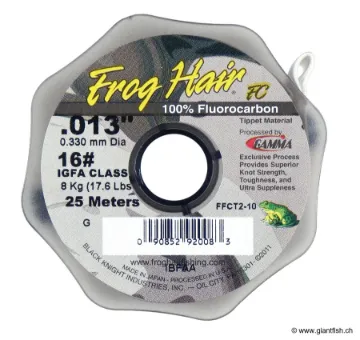

Fluorocarbon FROG HAIR
Frog Hair FLUOCARB fluorocarbon line for sport fishing — stiffer than traditional Frog Hair, offering excellent knot strength, fast sinking and high invisibility for high-performance leaders.
15.85 (CHF) incl tax
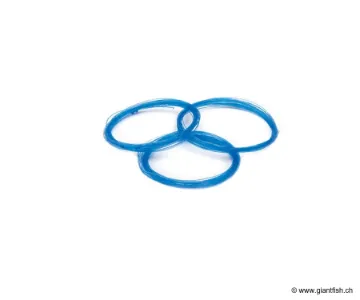
Devaux Knotted Fly Tippet — Special Sight Nymphing
Devaux knotted nymph tippet for fly fishing: precision, low visibility and optimal transmission of action thanks to the no‑memory ALIOX TIGER line. Made in France.
7.75 (CHF) incl tax
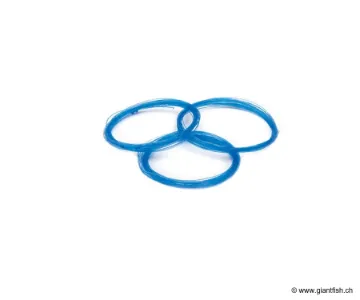
Devaux Knotted Fly Leader for Fast Water
Devaux knotted leader for fast water: precision, low visibility and optimal energy transfer for fly fishing in strong currents.
7.75 (CHF) incl tax
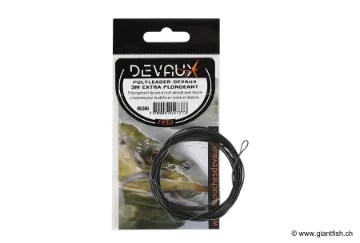
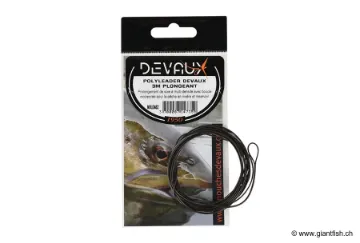
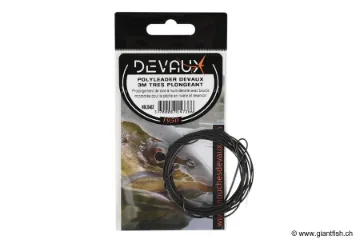
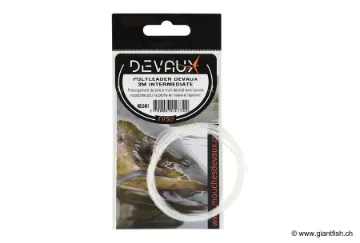
Devaux Polyleader
Devaux Polyleaders, multi-density leader extensions ideal for river and reservoir fly fishing.
10.85 (CHF) incl tax
Devaux Steel Pike Leader
Devaux Steel Pike Leader for predator fishing, durable steel accessory, ideal for river and sea.
7.75 (CHF) incl tax
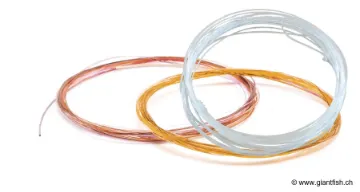
Devaux Fly Tippet Rat Tail Fluorocarbon
Devaux rat-tail fluorocarbon tippet for fly fishing: guaranteed stealth, durability and performance. Tippet specially designed to provide invisibility and accuracy in all fishing conditions. Optimize your sessions with Devaux's advanced fluorocarbon technology.
9.00 (CHF) incl tax
Devaux Pike Fluorocarbon Leader
Devaux pike fluorocarbon leader: discretion and robustness for seasoned anglers.
7.75 (CHF) incl tax
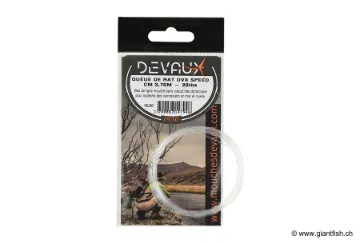
Devaux Rat-Tail Speed Fly Leader CM
Devaux Rat-Tail Speed: innovative, high-performance fly leader for predator fishing in saltwater and rivers.
7.20 (CHF) incl tax
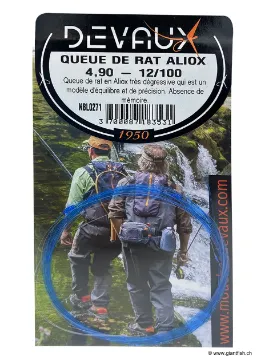
Devaux Rat Tail Aliox
Knotless tapered Devaux Rat Tail Aliox leader: balance, zero memory, maximum precision thanks to the innovative Aliox system. Ideal for demanding fly fishing.
7.20 (CHF) incl tax
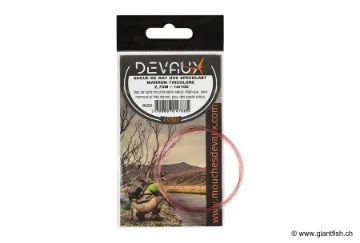
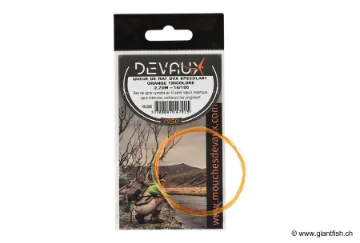
Devaux Queue de Rat Speedlast Fly Leader
Devaux Queue de Rat Speedlast: knotless fly leader, elastic, stealthy, memoryless, designed for precision fishing and excellence at the water's edge.
7.20 (CHF) incl tax
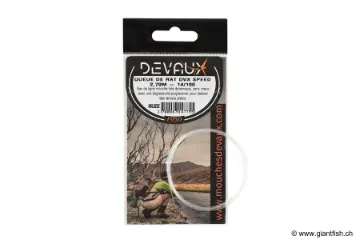
Devaux QUEUE DE RAT SPEED Fly Leader
Devaux QUEUE DE RAT SPEED: high-performance, knotless fly leader with a smooth taper for precise casts and optimal stealth on the water.
4.75 (CHF) incl tax
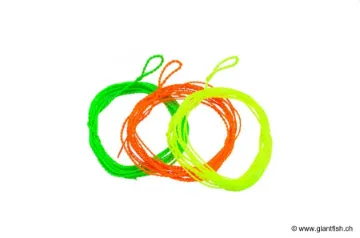
Devaux HV Twisted Leader
Devaux HV Twisted Leader 180 cm for fly fishing, offering high visibility, exceptional performance and durability.
13.55 (CHF) incl tax
- 1
- 2
The leader is the critical link between your fly line and your fly. Its length, diameter and material directly affect presentation, stealth and the overall strength of your setup. Whether you fish dry flies, nymphs or streamers, choosing the right leader helps you get the best performance from your fly fishing gear.
Choosing the right leader length
The length of a leader depends mainly on the fishing technique, fly size and water clarity. As a general guideline:
- Dry fly fishing: a longer leader for a delicate presentation.
- Nymph fishing: length adjusted to the depth and drift you are targeting.
- Streamer fishing: a shorter leader to better animate the fly.
In very clear, low water, longer leaders with fine tippets are often preferred to remain as discreet as possible. In contrast, in windy conditions or on larger rivers, a slightly shorter leader makes casting and drift control easier.
Tapered leaders, tippets and materials
There are two main categories: ready-to-fish tapered leaders and leaders built from several diameters of nylon or fluorocarbon. Tapered leaders are ideal for simplicity and versatility, while custom-built leaders let you fine-tune each section very precisely.
Nylon offers good stretch, which is great for cushioning runs and for dry fly fishing. Fluorocarbon, denser and more discreet underwater, is especially appreciated for nymphing and wet flies. Switching between these materials according to your techniques and waters will noticeably improve the quality of your presentations.
Diameter, stealth and strength
Choosing tippet diameter is always a compromise between stealth and strength. Fine tippets generate more takes from wary fish or in low, clear water, but they require more precise hook-sets and a carefully adjusted drag. Stronger diameters are recommended for:
- Fast or snaggy rivers.
- Streamers and bulky flies.
- Larger or very powerful fish.
Regularly adapting your leader diameter to the conditions (flow, water level, light) is a simple habit that often makes all the difference.
Care, replacement and organization
A well-maintained leader lasts longer and remains reliable. Check frequently for knots, kinks or abrasion, especially after each fish or snag. Do not hesitate to cut off a few centimeters of tippet as soon as the line shows any damage.
To be ready for any situation, it is helpful to carry several leaders of different lengths and diameters, already rigged and neatly stored. You save valuable time on the water and can quickly change your setup according to the technique or holding water you want to target.
FAQ – Fly fishing leaders
Which leader should I use for dry fly fishing? A tapered leader longer than your rod, finished with a fine tippet, usually works well. In clear water, lengthen the tippet for extra stealth.
When should I use fluorocarbon instead of nylon? Fluorocarbon is recommended for nymphs, wet flies or fishing close to the bottom, thanks to its greater underwater discretion and higher density.
How often should I replace my leader? The tippet section should be replaced regularly, as soon as it shows signs of wear. The tapered butt section can be kept longer as long as it remains in good condition.
Payment options


